Scientific writing is an iterative, often collaborative and back-and-forth, process – here’s some advice
Extra note for grad school students: One of the key things to know is that a lot more gets to […]

on a mission to make biochemistry fun and accessible to all
Extra note for grad school students: One of the key things to know is that a lot more gets to […]
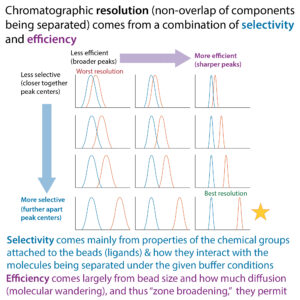
If you want to know more, I recommend checking out Cytiva’s chromatography handbooks. More on HIC and optimizing it: https://www.cytivalifesciences.com/en/us/insights/optimizing-hydrophobic-interaction-chromatography […]
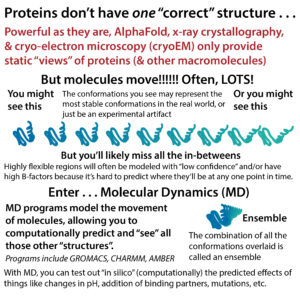
Proteins don’t have “a” structure – they typically have many; because proteins don’t stay still! Conformational changes (shape-shifts) can come […]
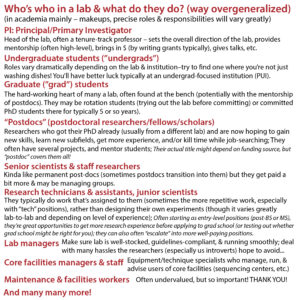
Who’s who in a lab & what do they do? (way overgeneralized); (in academia mainly – makeups, precise roles & […]
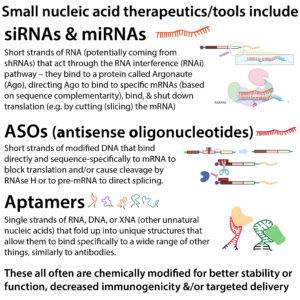
Small nucleic acid therapeutics/tools (sometimes referred to as oligonucleotide therapeutics) include aptamers; RNAi-acting small RNAs – microRNA (miRNA) and small interfering […]
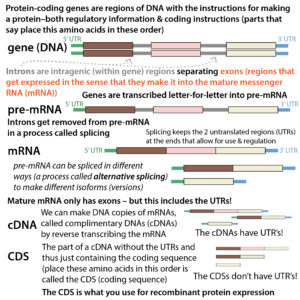
We often say we stick the “gene” for making a protein into cells to get them to make the protein […]
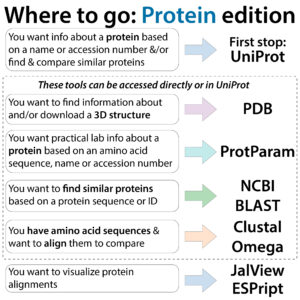
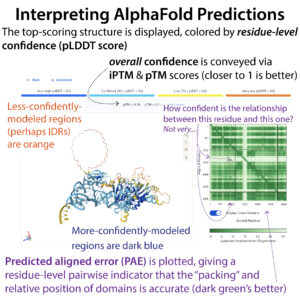
On the right-hand side of the screen, you’ll see a green plot. This is graphically depicting the Predicted Aligned Error […]
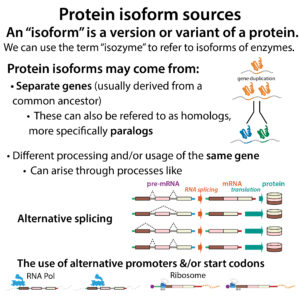
Longer list of word parts to know: https://bit.ly/biochemistry_word_parts & https://bit.ly/biochemwordparts & https://youtu.be/i3EYjveeGl4 More on enzyme classes and EC numbers: https://bit.ly/ec_numbers […]
