Homologs are genes/proteins that look &/or act similar because they share an evolutionary origin.
They can further be classified as:
- orthologs: speciation after the evolution of a gene/protein leads there to be different versions of it in different species
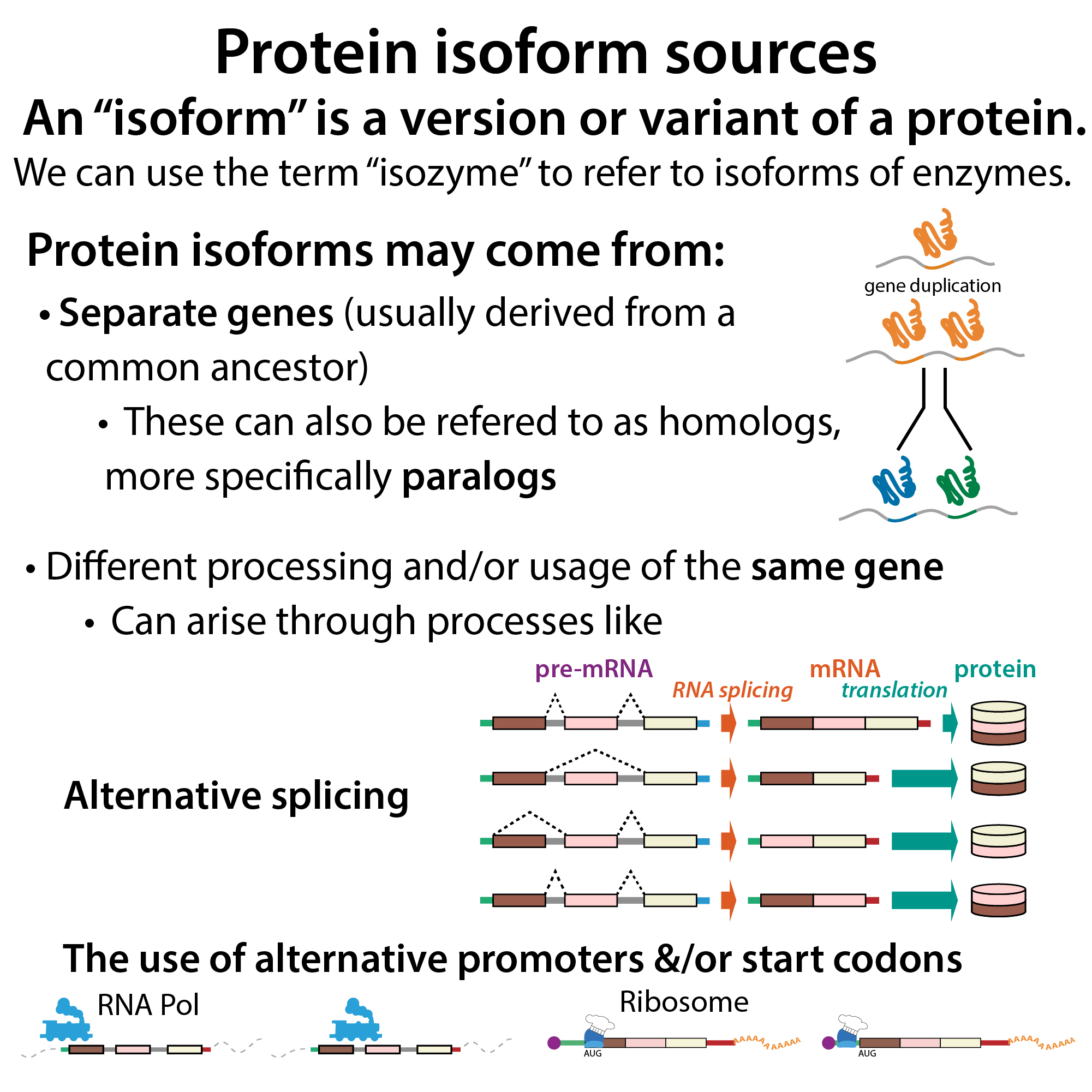
- paralogs: genetic duplication leads there to be multiple copies of a gene that can then evolve separately – can be in the same species or in different species
Homologous genes/proteins may have various degrees of functional similarity – sometimes they do very similar things and can compensate for one another; other times they do really different things. What defines them is having shared ancestry, not having similar functions.
Don’t confuse homologs with analogs. Analogs are genes/proteins that look &/or act similar but do not share an evolutionary origin. They can arise due to convergent evolution – different evolutionary paths stumble upon similar useful things.
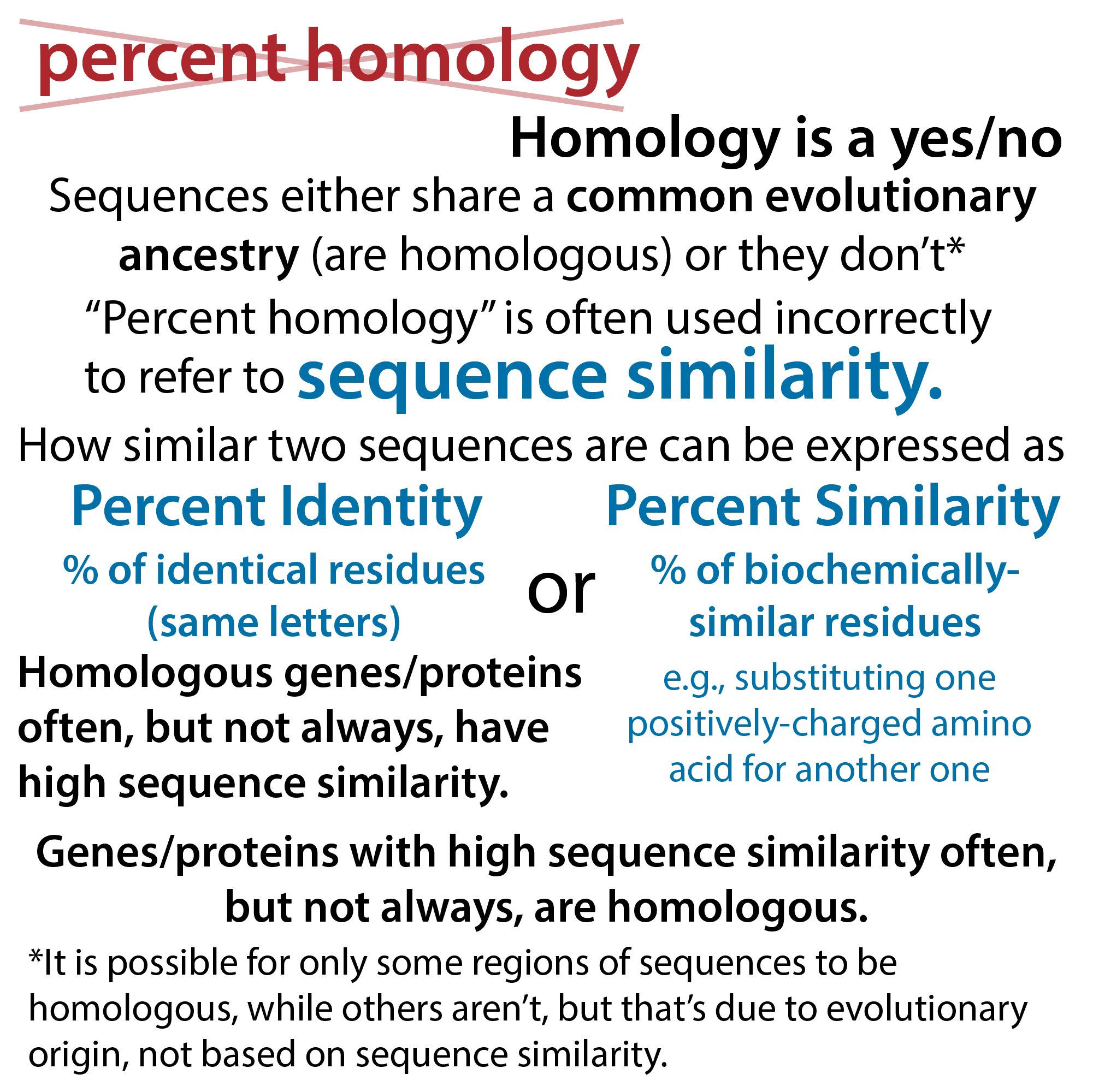
Homology is a yes/no: sequences either share a common evolutionary ancestry (are homologous) or they don’t*
“Percent homology” is often used incorrectly to refer to sequence similarity. How similar two sequences are can be expressed as:
- percent identity: % of identical residues (same letters) Or
- Percent similarity: % of biochemically-similar residues (e.g. substituting one positively-charged amino acid for another one)
Homologous genes/proteins often, but not always, have high sequence similarity.
Genes/proteins with high sequence similarity often, but not always, are homologous
*it is possible for only some regions of sequences to be homologous, while others aren’t, but that’s due to evolutionary origin, not based on sequence similarity
You can compare sequence similarity of proteins using UniProt’s align feature.
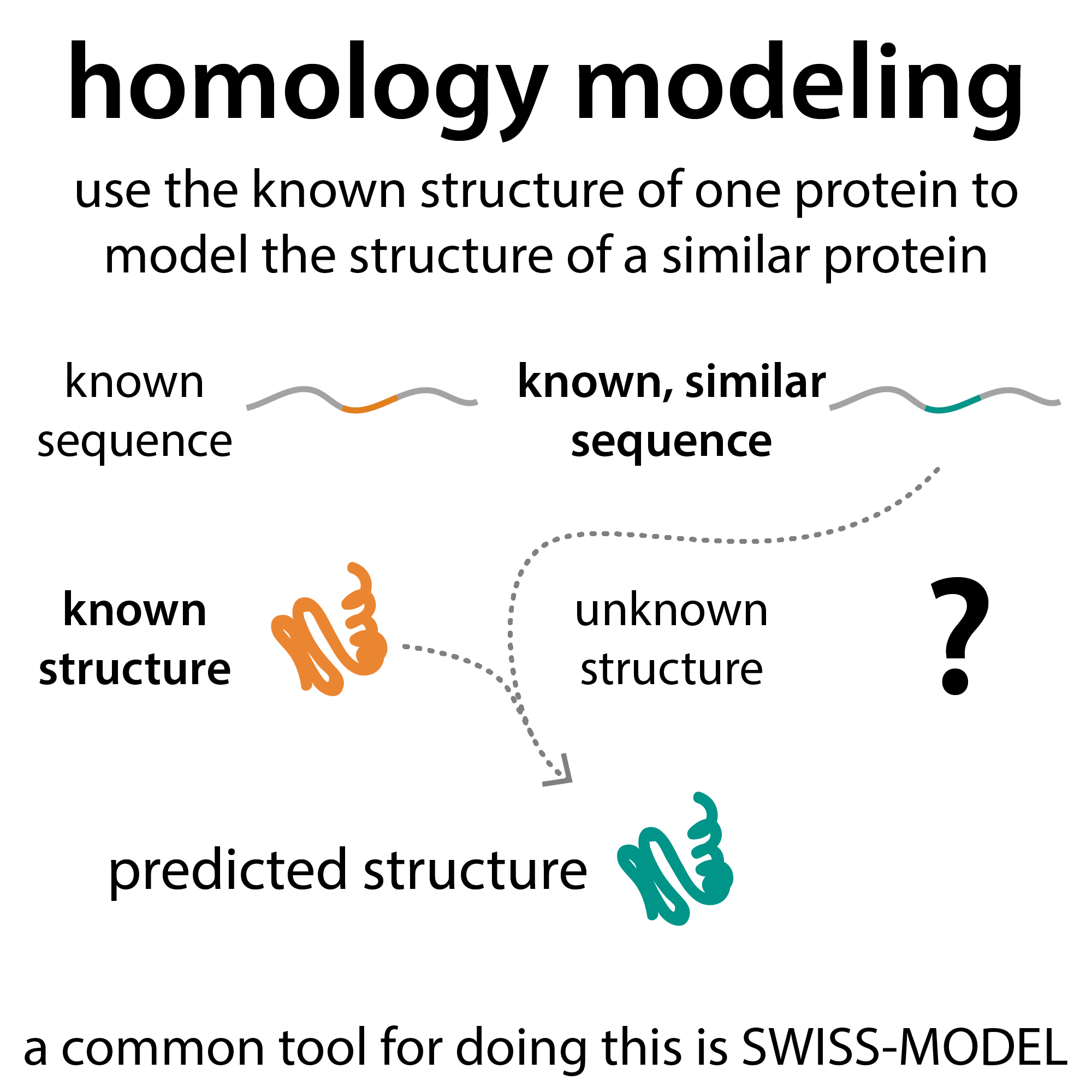
Homology modeling uses the known structure of one protein to model the structure of a similar protein. A common tool for doing this is SWISS-MODEL.
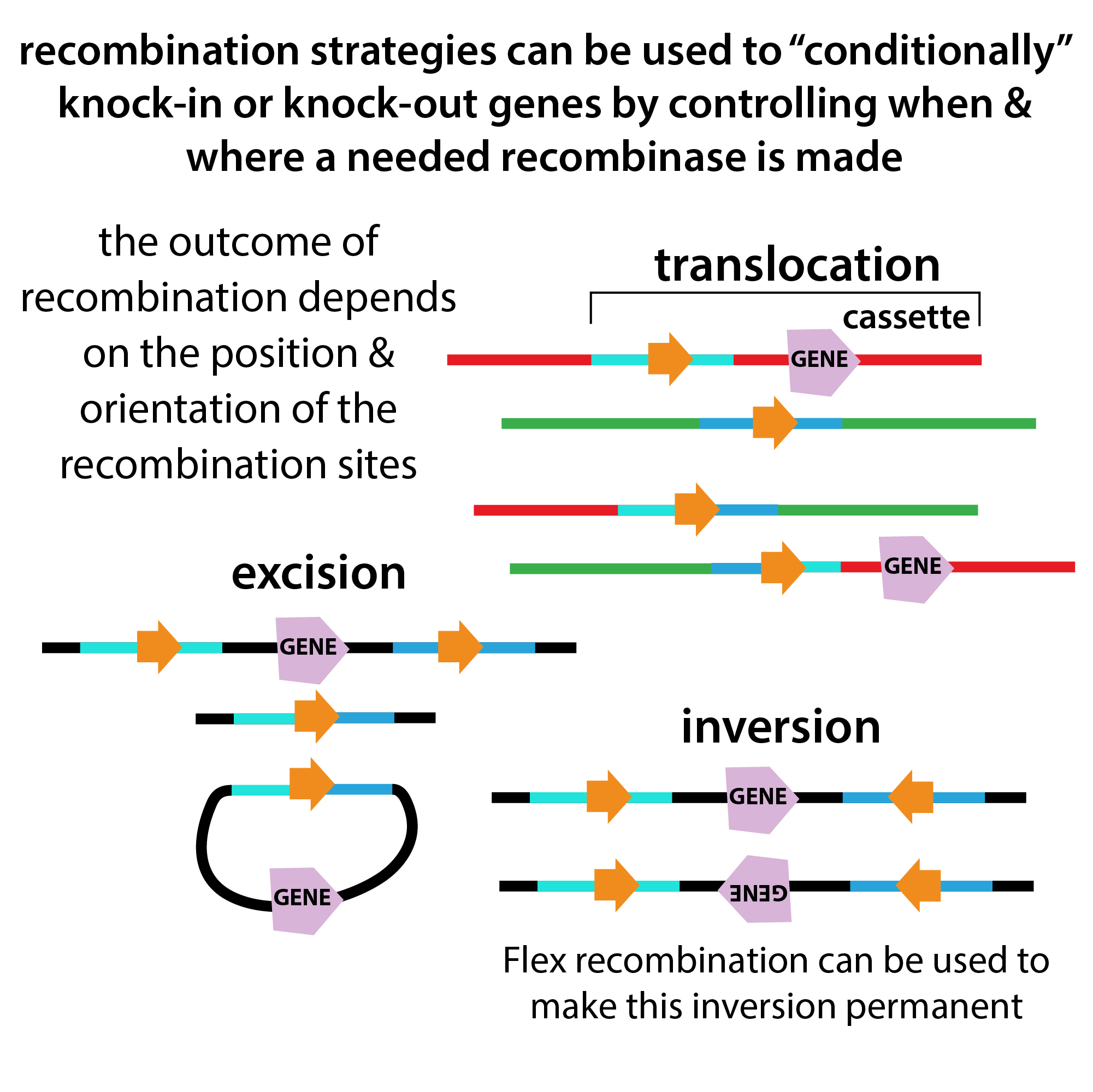
The term homologous often comes up in the context of homologous recombination, where regions of DNA with similar sequences can get swapped. Much more on it here:
Here are a couple helpful resources:
Pearson W. R. (2013). An introduction to sequence similarity (“homology”) searching. Current protocols in bioinformatics, Chapter 3, Unit3.1. https://doi.org/10.1002/0471250953.bi0301s42
7.13C: Homologs, Orthologs, and Paralogs – Biology LibreTexts
More on protein isoforms: https://thebumblingbiochemist.com/365-days-of-science/protein-isoforms/