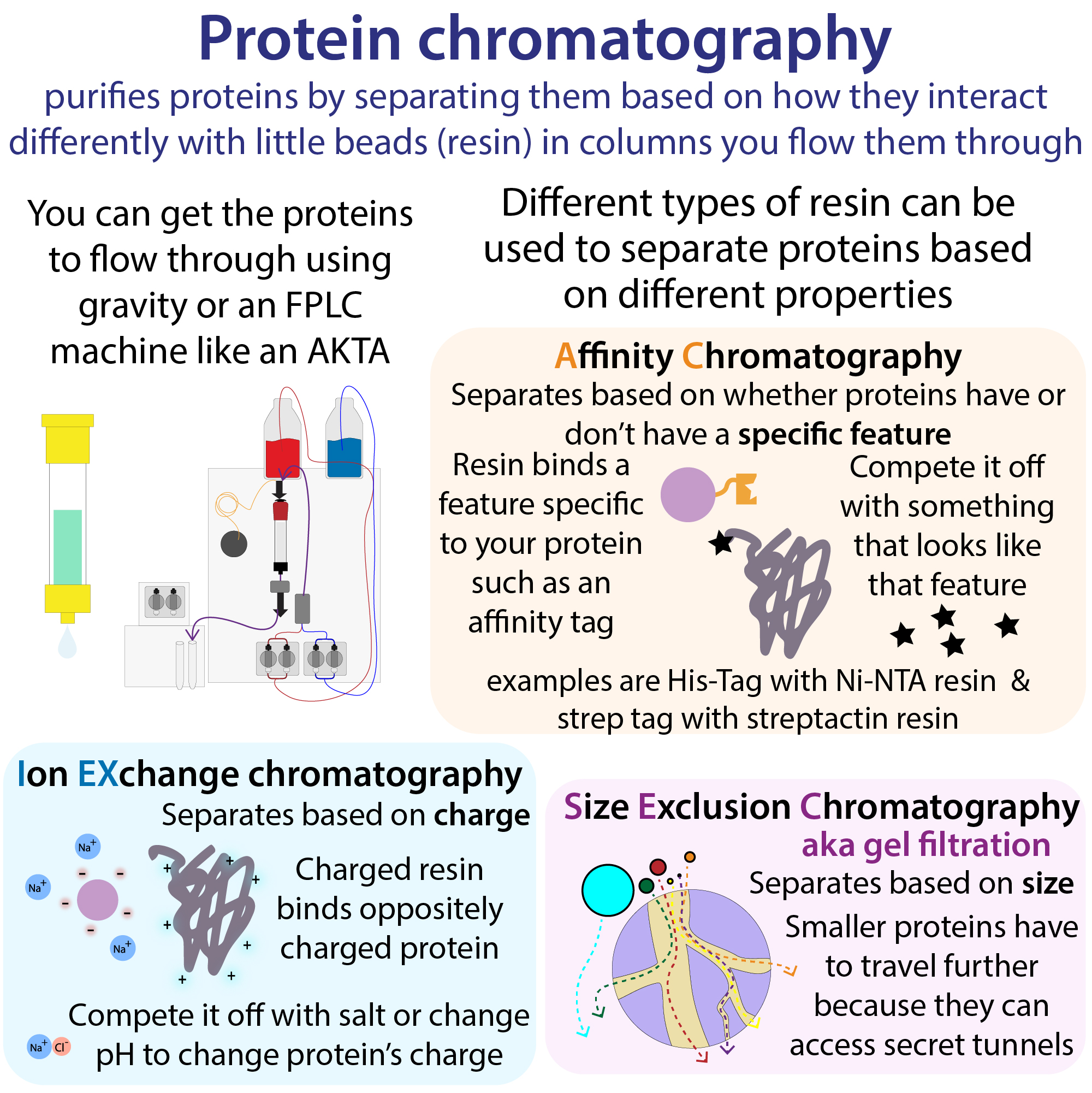
Chromatography literally means “writing in color” because it was originally used to separate colored pigments. Nowadays, chromatography has a number of different forms and often separates compounds that we can’t see. We can use it to purify molecules (for example, I commonly use column-based methods often in a form called FPLC (fast protein liquid chromatography) as a way to separate proteins) or, probably more commonly, to identify components of mixtures (or just look to see whether a solution likely is a mixture (as opposed to a pure solution). Forms of chromatography include liquid column chromatography [basic gravity flow, FPLC (Fast Protein Liquid Chromatography, such as with an AKTA); HPLC (High Pressure Liquid Chromatography); Gas Chromatography (GC); paper chromatography; and Thin Layer Chromatography (TLC)).
What do these things have in common? What makes chromatography “chromatography”?
The basic premise is that you have 2 “phases”
- A mobile phase that molecules are dissolved in and can move via (frequently liquid or gas)
- A stationary phase that molecules can interact with as they move (frequently solid)
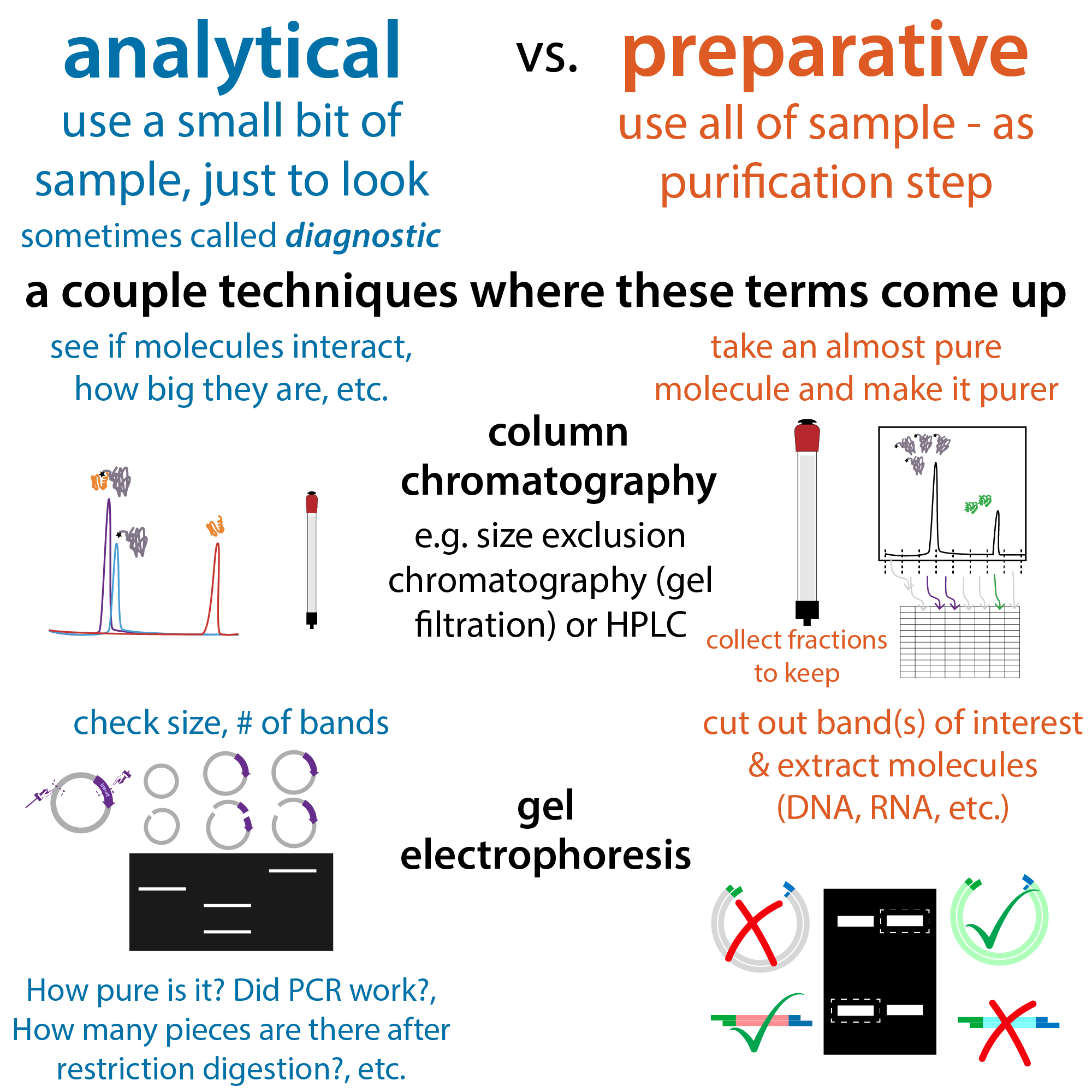
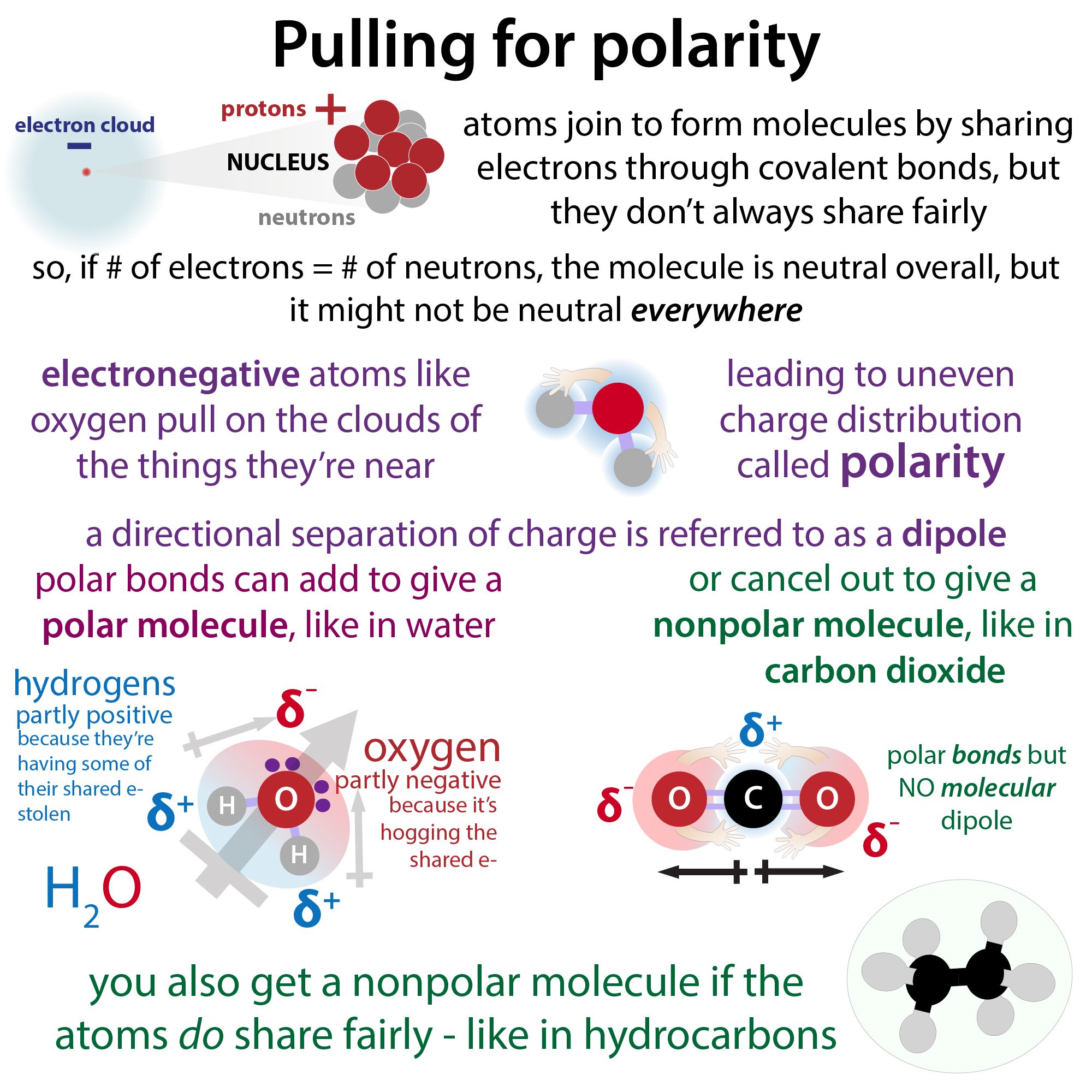
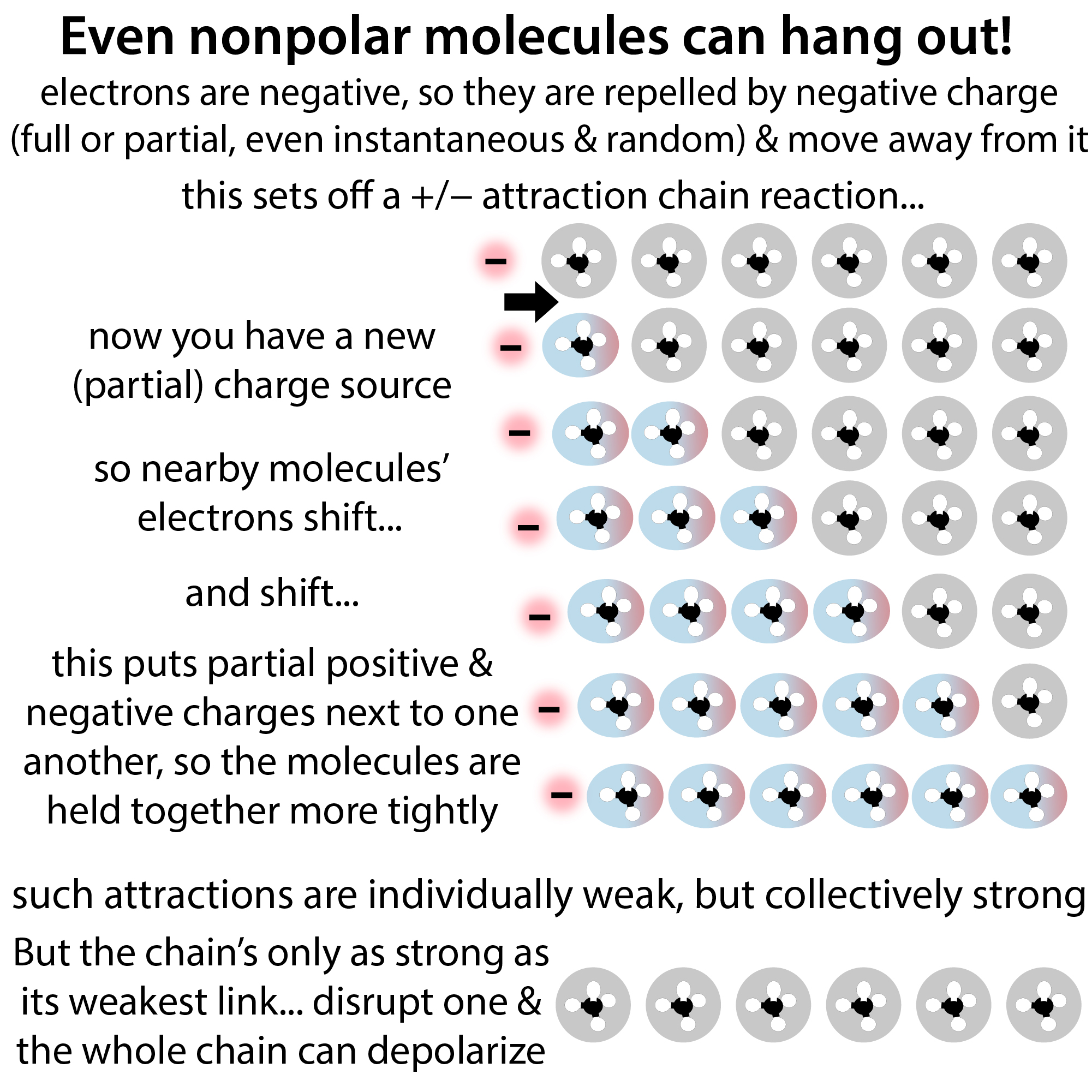
Dissolved molecules get to choose whether they’d rather hang out with the mobile phase or the stationary phase (frequently splitting their time among the two in a “partition ratio” consistent with the principle that “like dissolves like”). As such, depending on the properties of the phases and the properties of the molecules that are moving, different molecules will interact differently with the different phases and therefore travel at different rates and we can take advantage of this to figure out what they are (analytical) and/or isolate them before other molecules come off/out of a column (elute) (preparative).
For example, more nonpolar molecules will interact more with nonpolar stationary phases than polar molecules will. This means that they will travel faster through typical carbon-based HPLC columns. Using standards (pure molecules we are confident in), we can determine what the expected elution time is for different molecules and then try to ID and/or quantify the molecules that are present.
Oftentimes, especially for complex mixtures, chromatography doesn’t give you high enough resolution – overlapping peaks make definitive ID challenging (and technically impossible). Therefore, people commonly hook liquid chromatography or gas chromatography up to a mass spectrometer. In these LC-MS and GC-MS setups, molecules elute out of the chromatography and, now separated, are then ionized and sent traveling through a magnetic field that enables the measurement of the ionized molecules’ mass to charge ratios. These can then be compared to a database and used to ID the components.
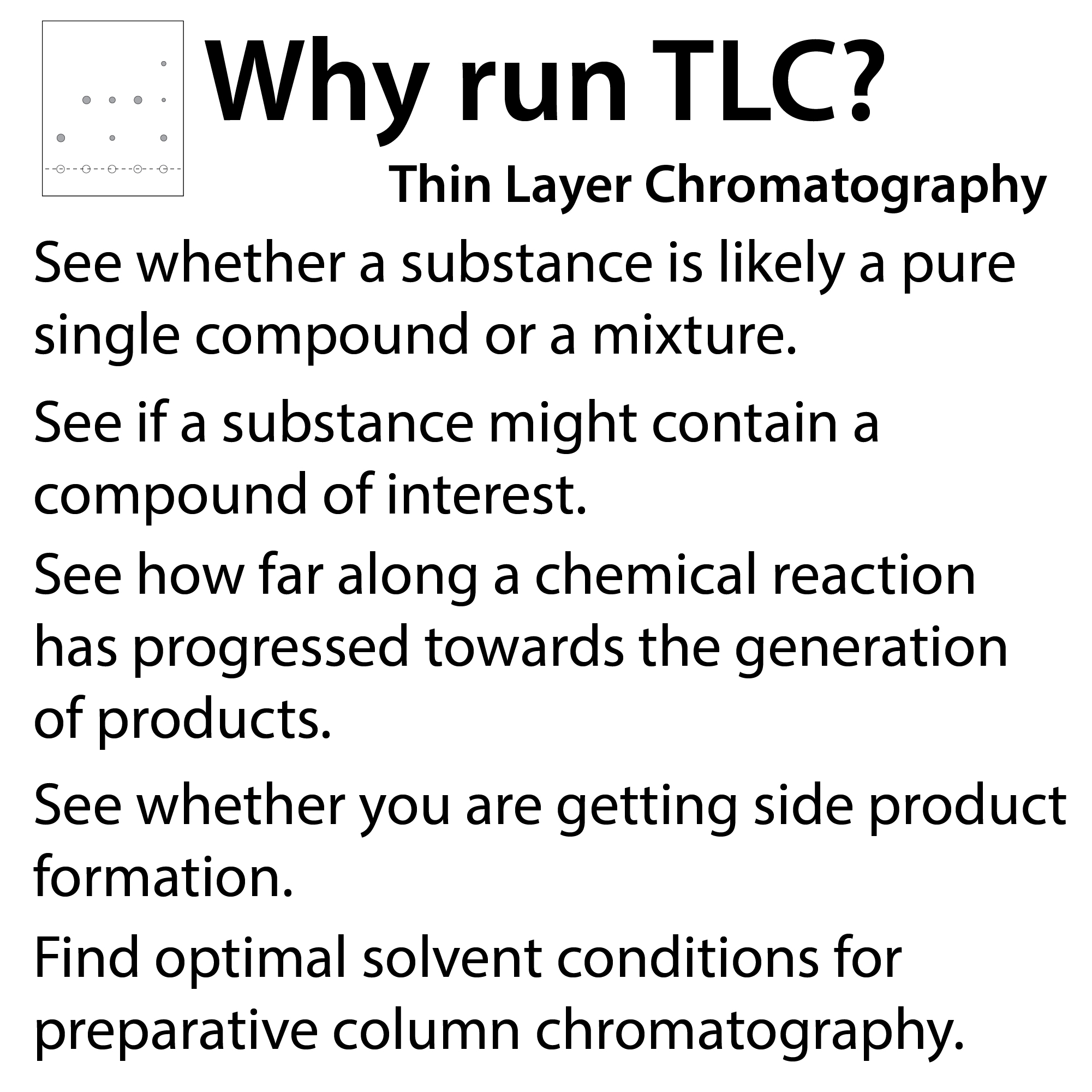
Sometimes, however, all you need is a quick look. Say, for example, you want to see whether a substance is likely a pure single compound or likely a mixture. Maybe you want to see if it might contain a compound of interest. Or, perhaps you want to see how far along a chemical reaction has progressed towards the generation of products (and/or whether you are getting side product formation). For these purposes, a “quick and dirty” approach called thin layer chromatography (TLC) is often used. It’s kinda like if you’ve ever written in marker on a paper towel and then the towel got wet and the pigments in the marker separated–but more intentional and controlled and instead of paper you have a plate.
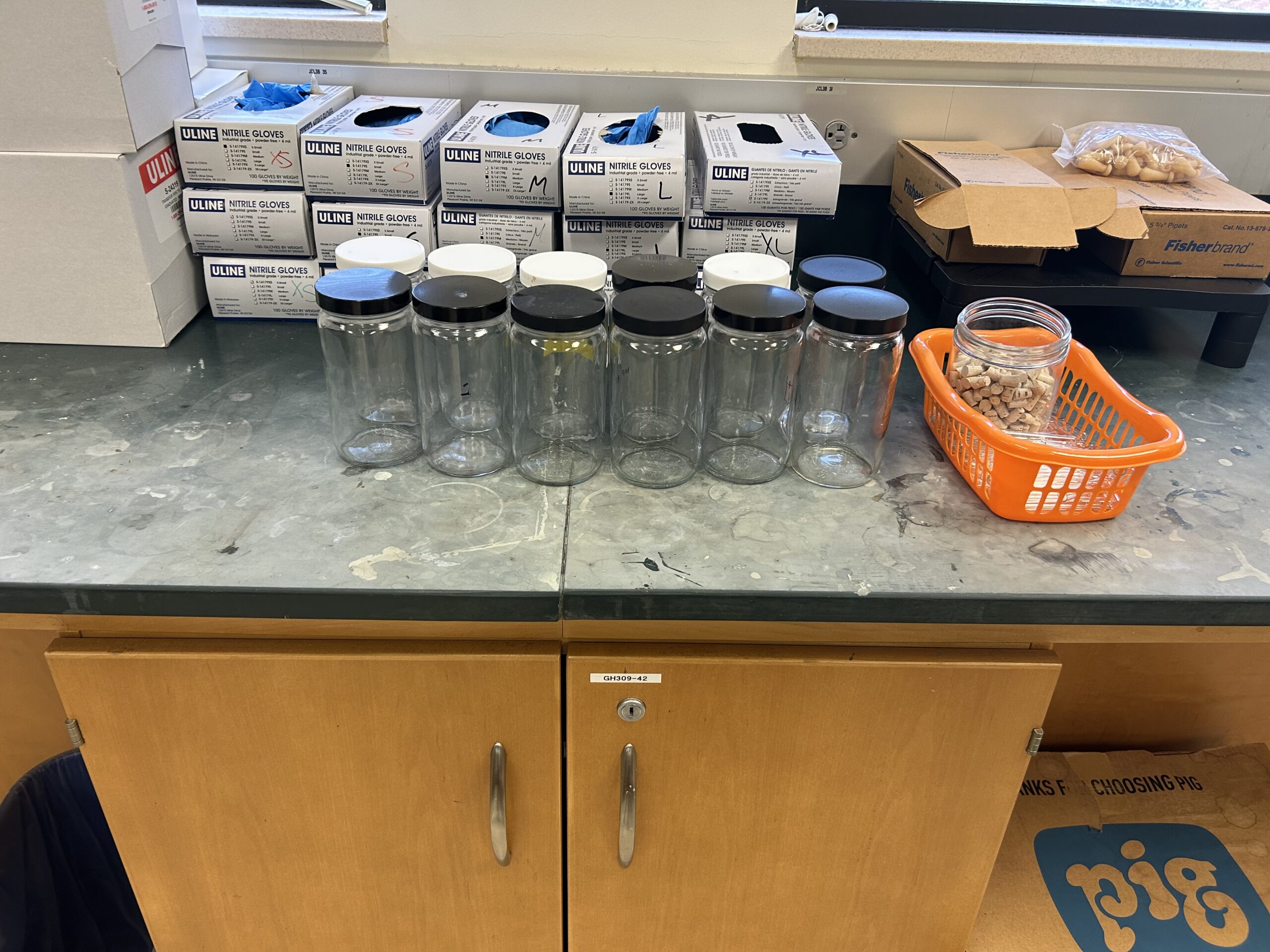
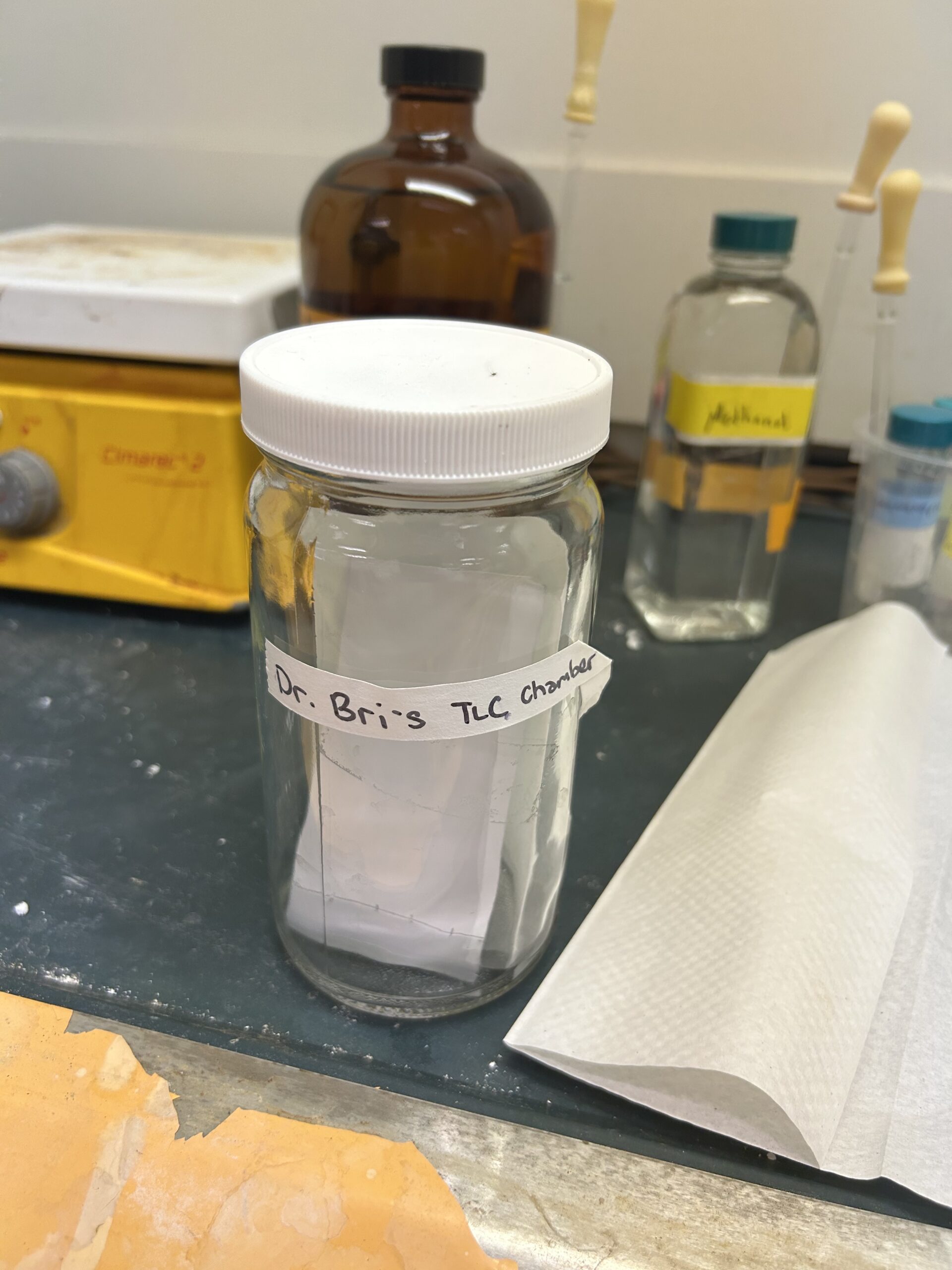
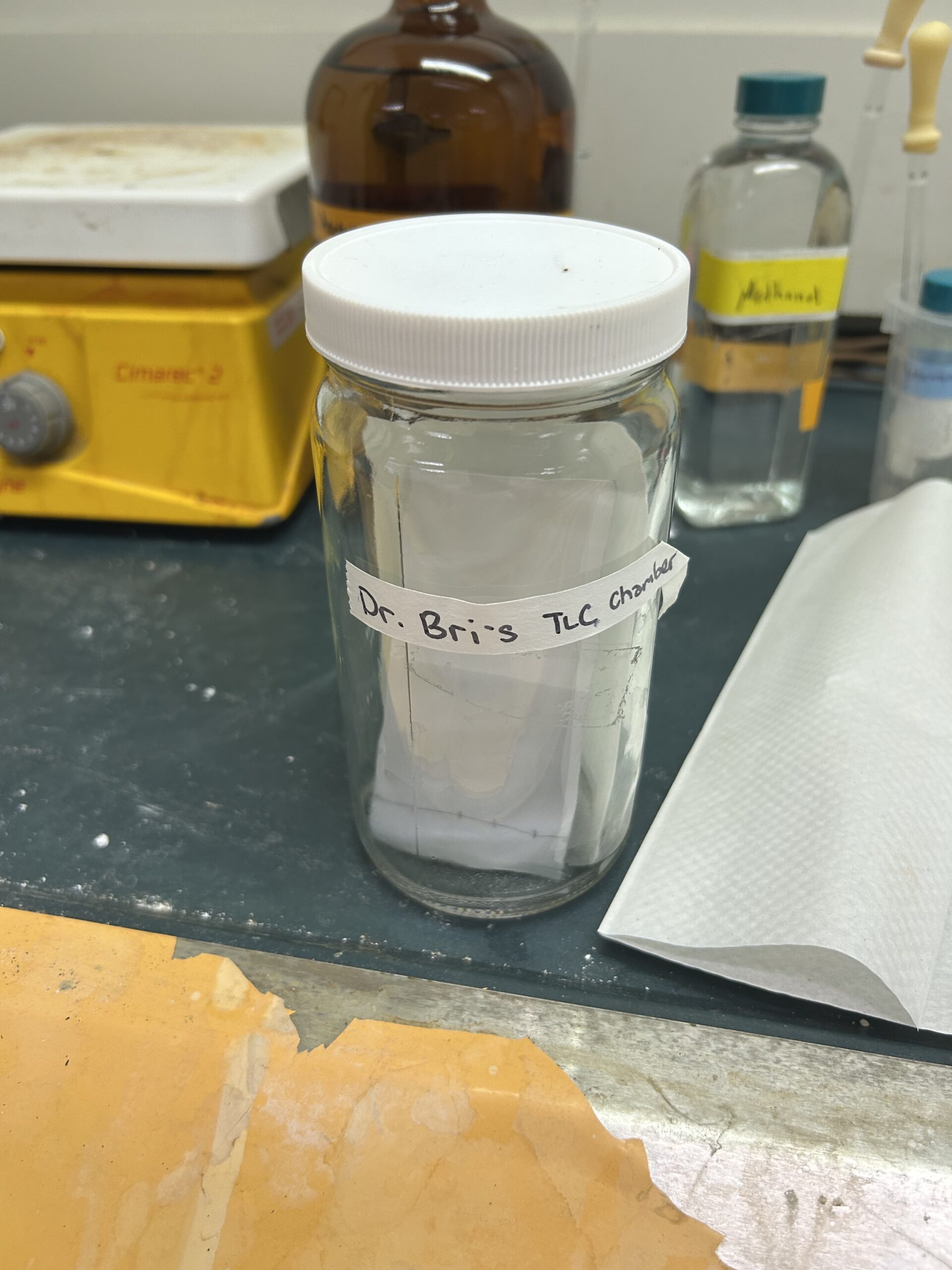
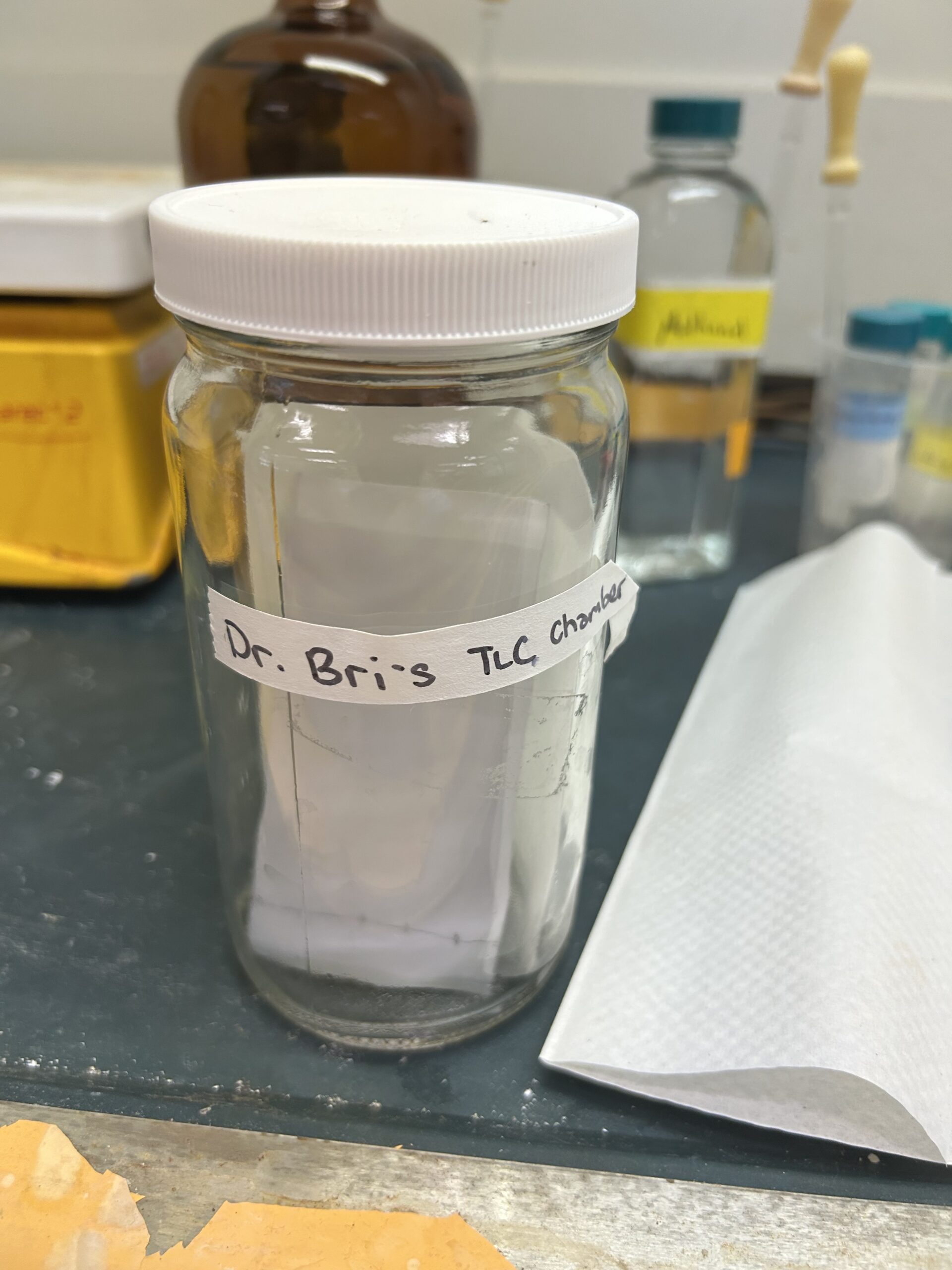
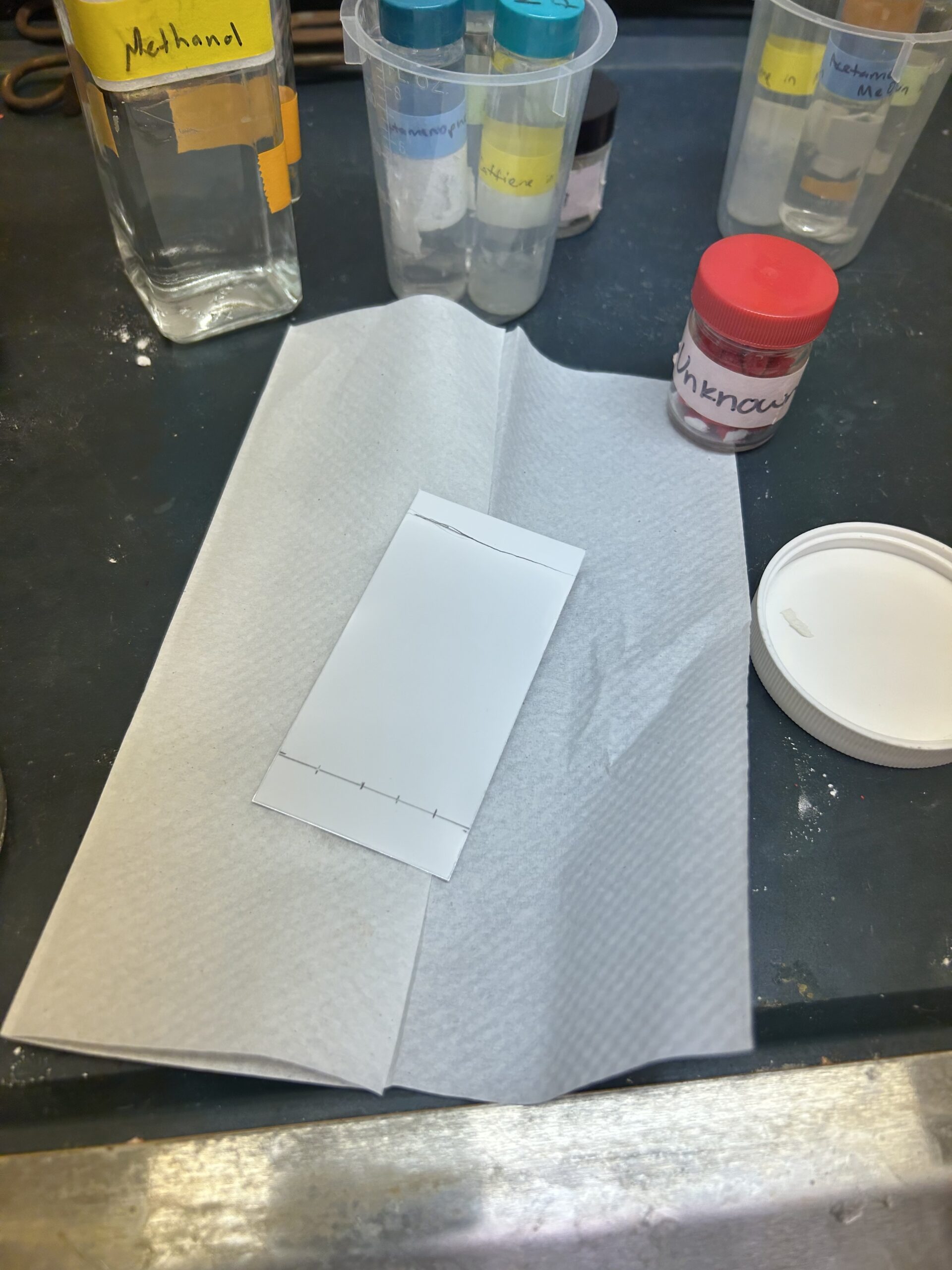
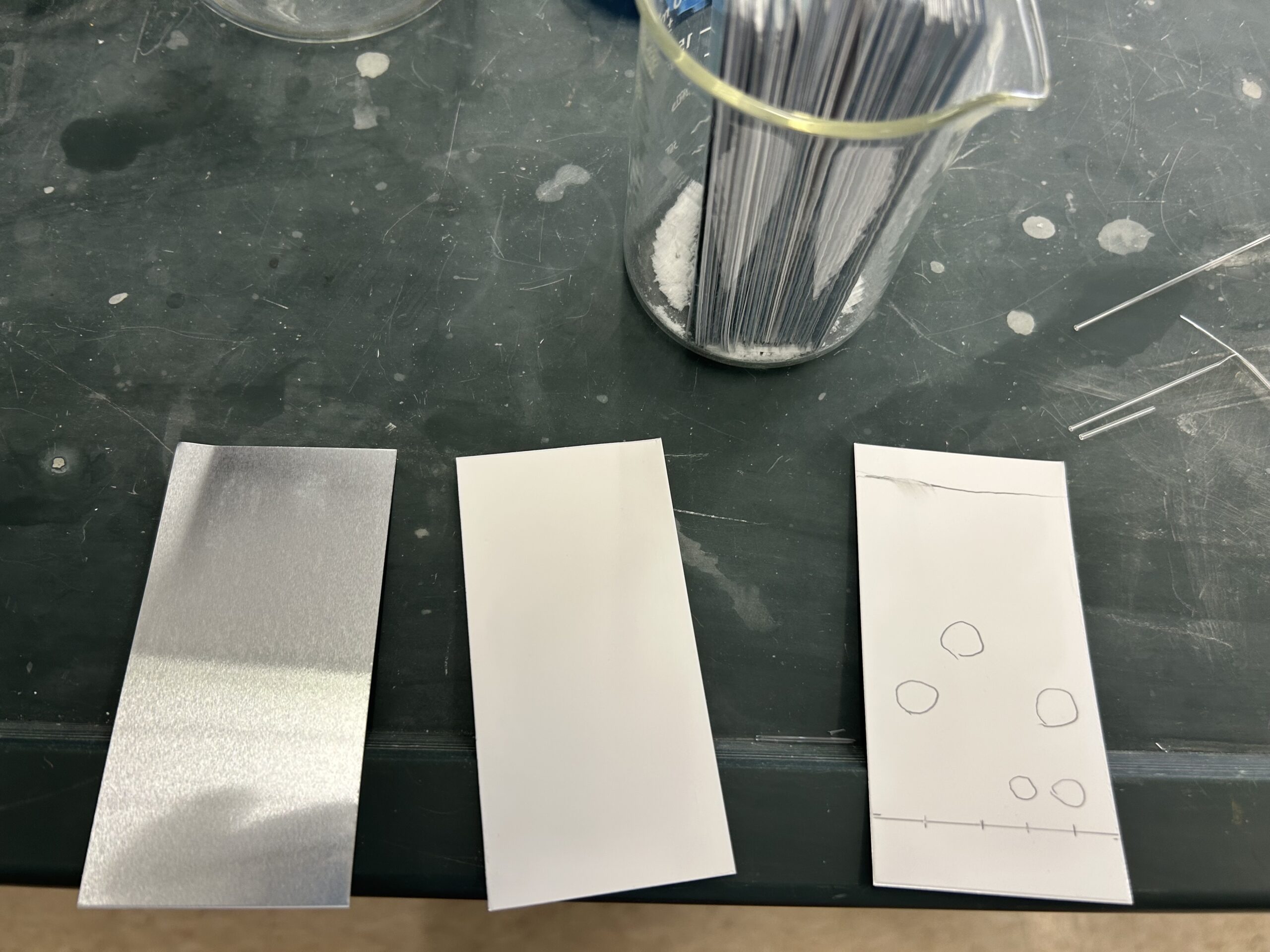
In TLC, you have a solid stationary phase (often a plate with an absorbent layer of silica (SiO2 x H2O) or alumina (Al2O3) on glass or plastic or aluminum) and a liquid mobile phase (often a mix of organic solvents). You place spots of solution(s) near the bottom of the plate (but not low enough to be in directly contact with the mobile phase), then stick the bottom of the plate in a small amount of mobile phase in a developing chamber (which can be as simple as a jam jar) and seal it to prevent evaporation (and you actually need to pre-equilibrate the jar before adding your sample so that the vapor becomes saturated, typically with a filter paper to help, but I’m not going to go into that here…). WARNING: DO NOT LET MOBILE PHASE DIRECTLY CONTACT SPOTS!!!!
You then let capillary action wick the mobile phase up the plate. As it does so, it comes into contact with the test molecules. At this point, the molecules get to choose whom they’d rather hang out with. The more they are attracted to the mobile phase, the faster up the plate they will move. The more they are attracted to the stationary phase, the more slowly they will move. You monitor the solvent front (track the rising wet line) and remove the plate before the solvent front reaches the top (at which point things would bleed together and become useless), then mark the solvent front line with pencil (not pen!).
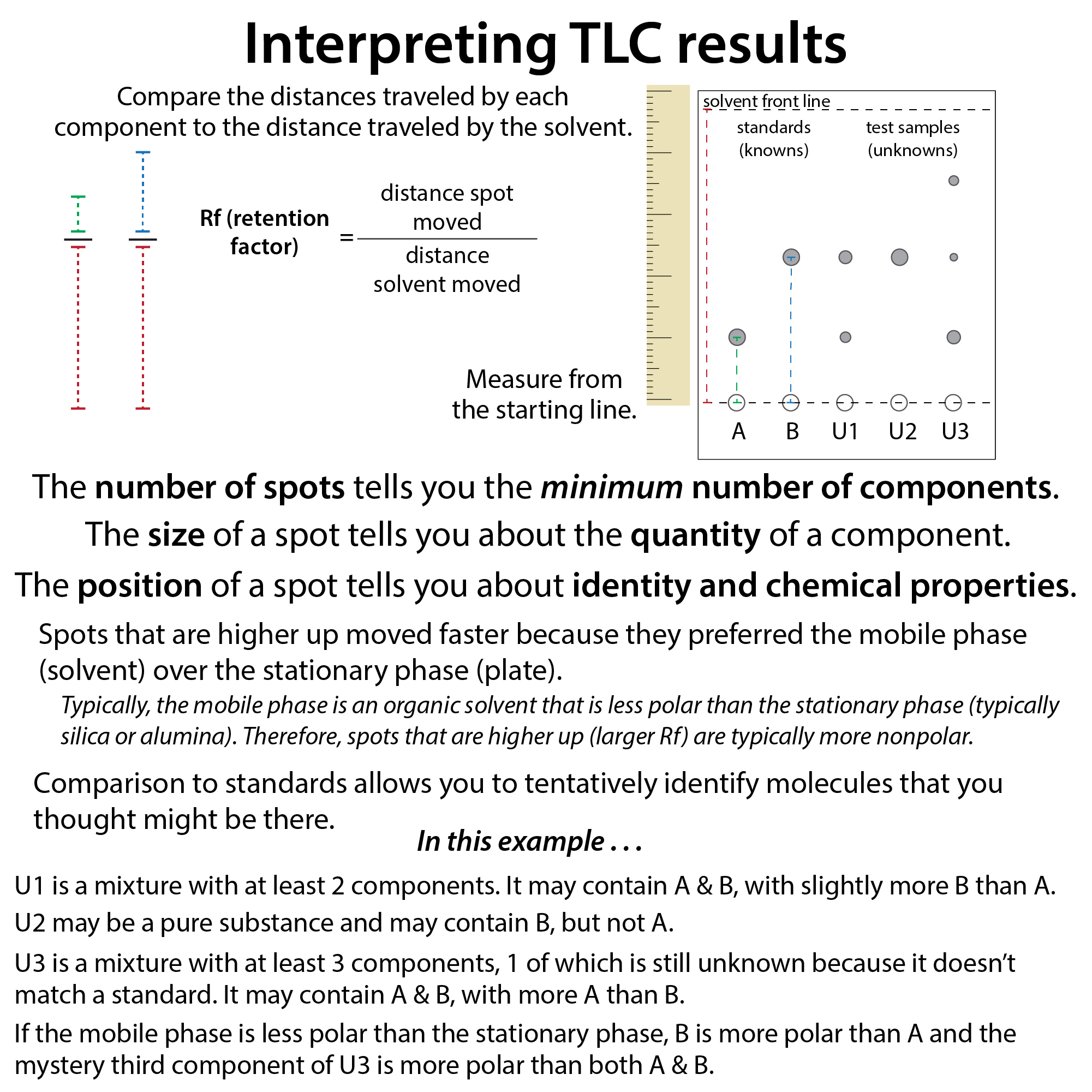
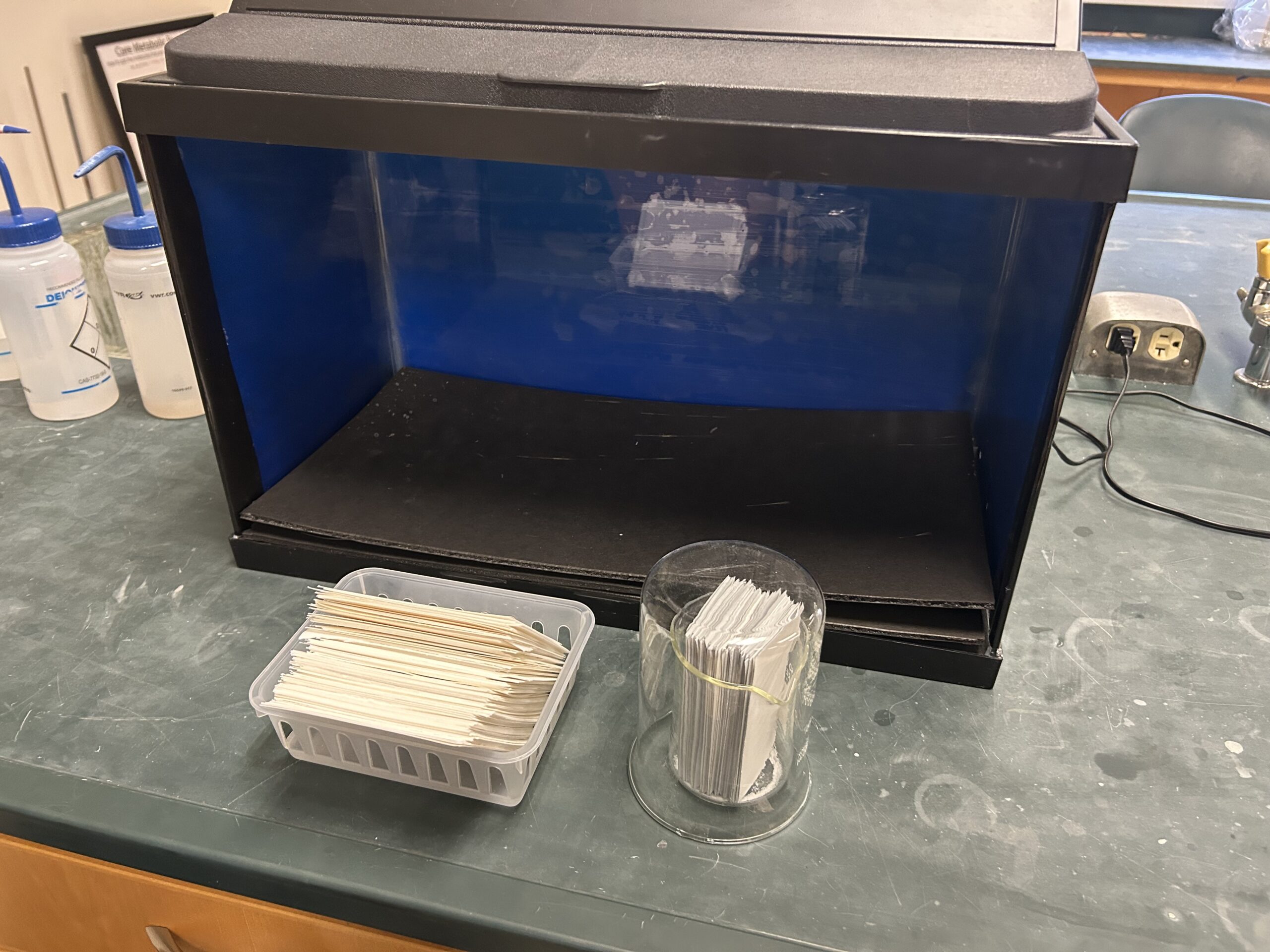
Unlike marker pigments, typically the chemical components you are separating are invisible to the naked eye. In order to see them, you need to therefore place them under a UV lamp in some cases and/or get them to react with a chemical in a developing chamber that will (often temporarily) color them. You frequently circle the spots in pencil (not pen!) so that you can still see them later, and then you can measure how far the different molecules moved in comparison to the solvent front and compare them to the movement of standards.
If you see multiple spots, you know you have multiple things. The number of spots tells you the minimum number of things (e.g. if you see 1 spot you have at least 1 thing; 2 spots indicates at least 2 things). But it’s quite possible that you have more things than spots because things can travel at similar rates and therefore have overlapping spots.
In order to better tease apart components, you can try altering the mobile phase and/or running longer plates to allow for increased separation. A similar principle holds true for other forms of chromatography as well – you can alter the properties of the mobile & stationary phase to allow for more differential interactions between the components of a mixture. Often, it involves an “empirical approach” (i.e. a lot of trial and error), but you can use your knowledge of chemical properties and intermolecular forces (IMFs) to make informed decisions regarding what to test. Silica and alumina are polar, and the organic solvents less so, so molecules that move faster up the plate and therefore have higher spots are probably less polar than molecules that remain lower down (because those lower ones don’t want to let go to their silica friend).
You can calculate the Rf (retention factor): distance spot moved/distance solvent moved. You want the Rfs to be .15-.85 to ensure good travel. Speaking of which, another use for TLC is to determine the solvent conditions for running a preparatory column.
A couple more tips:
- Be sure to write on the plate in pencil not pen (which would dissolve)
- Make sure your spots aren’t too close to one another or the edge
- Don’t make your spots too big or too small
- Don’t forget about it!
Some more, as well as visualization methods: https://www.chem.ucla.edu/~bacher/General/30BL/tips/TLC1.html
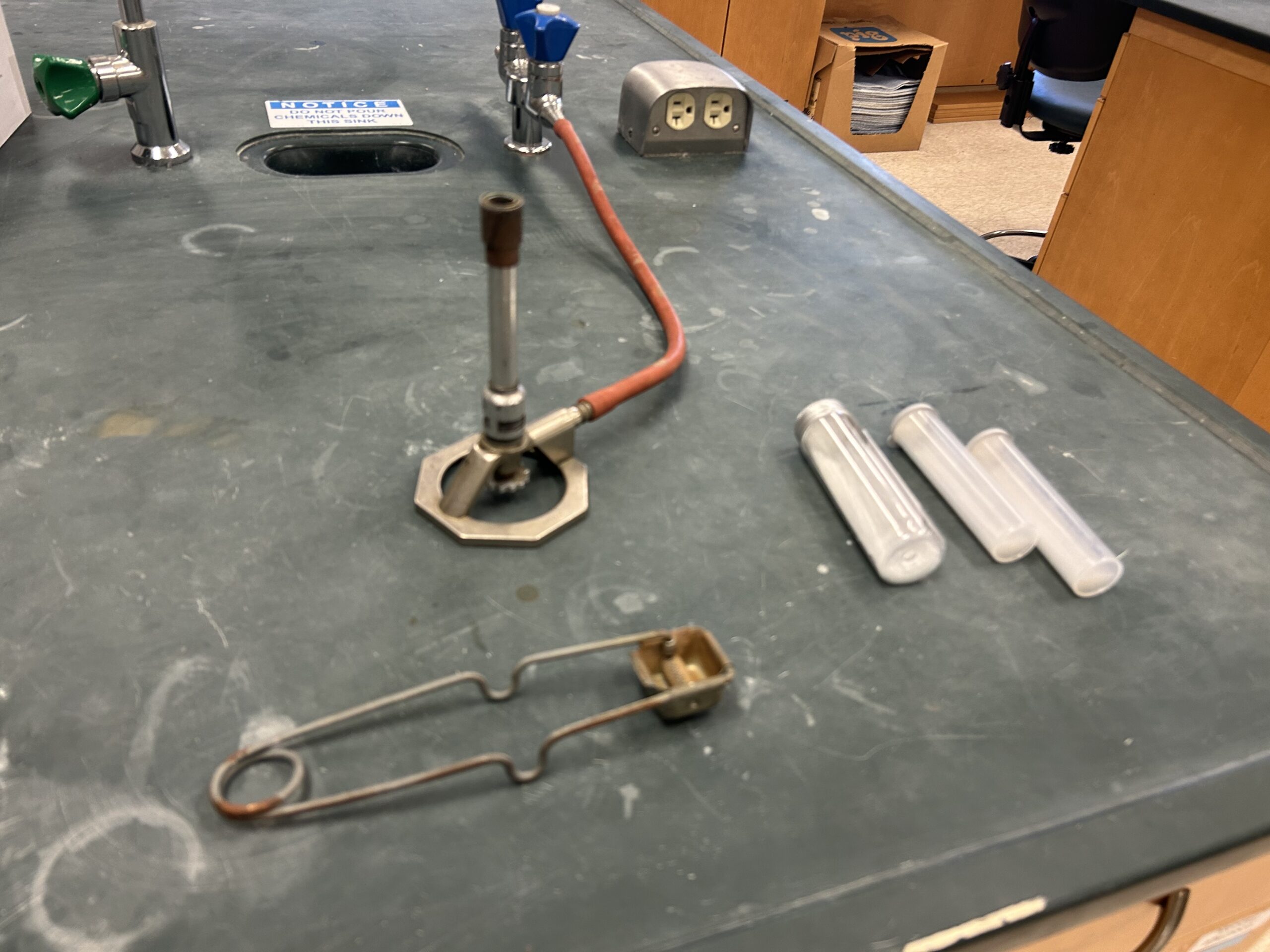
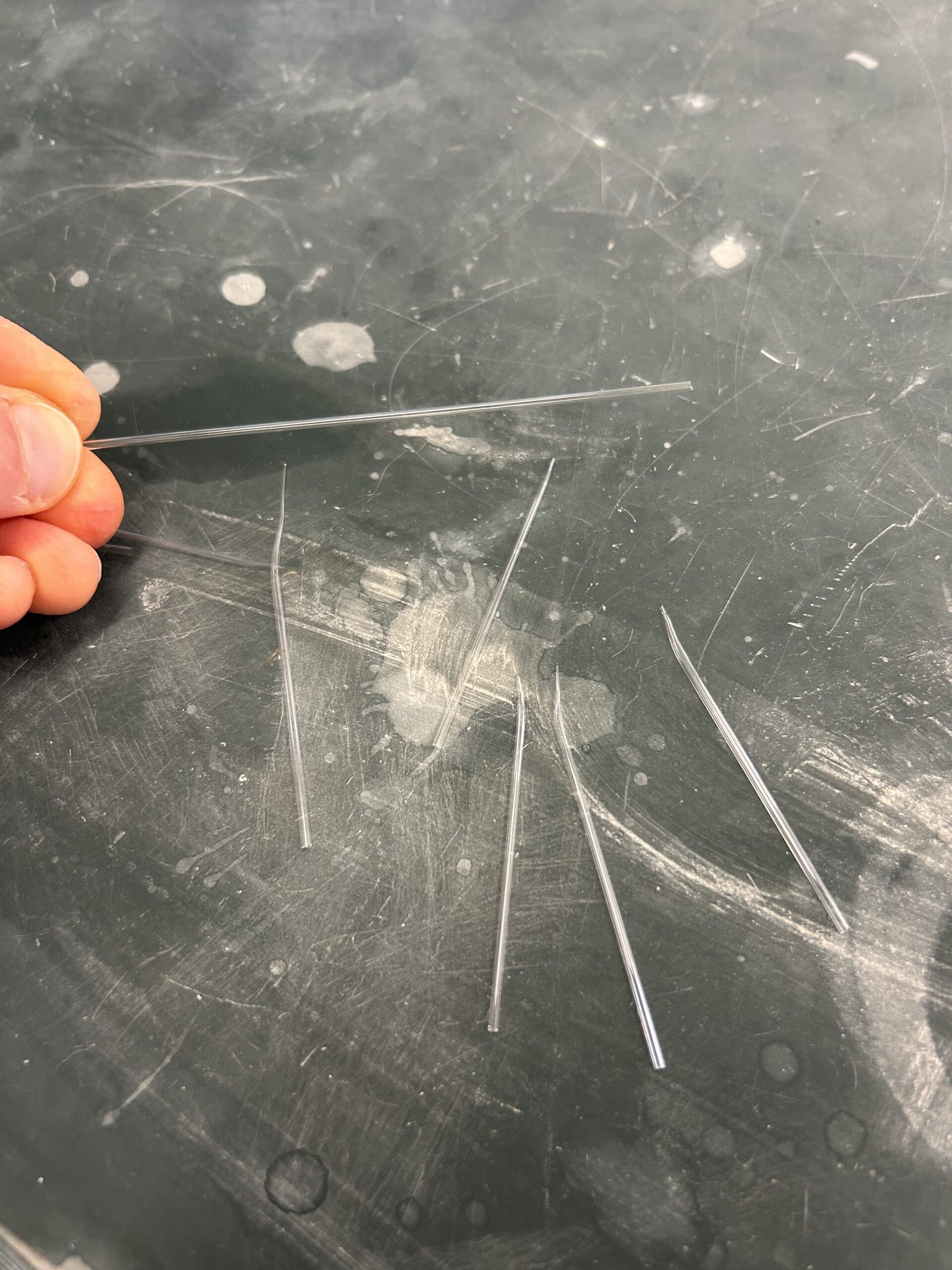
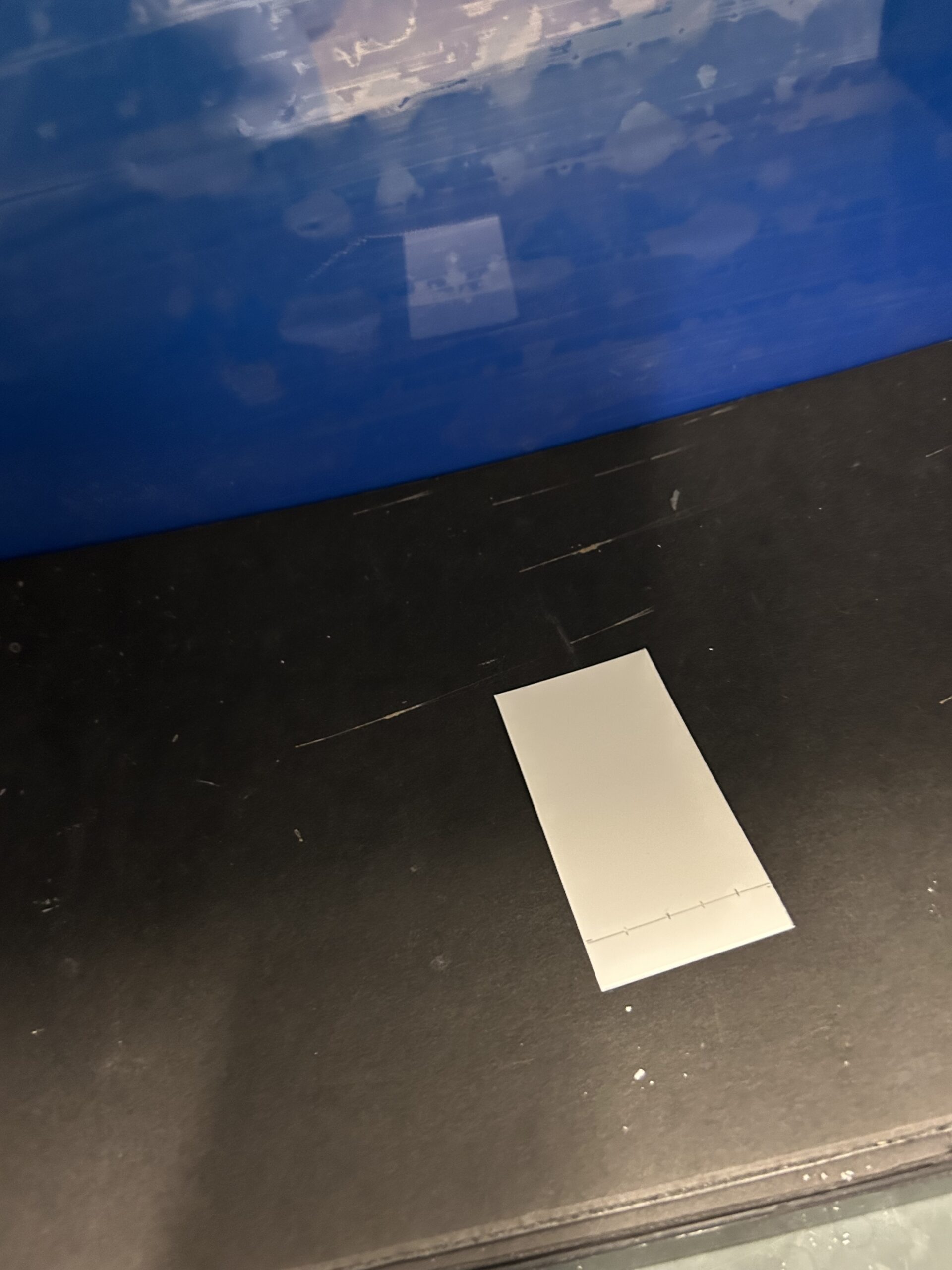
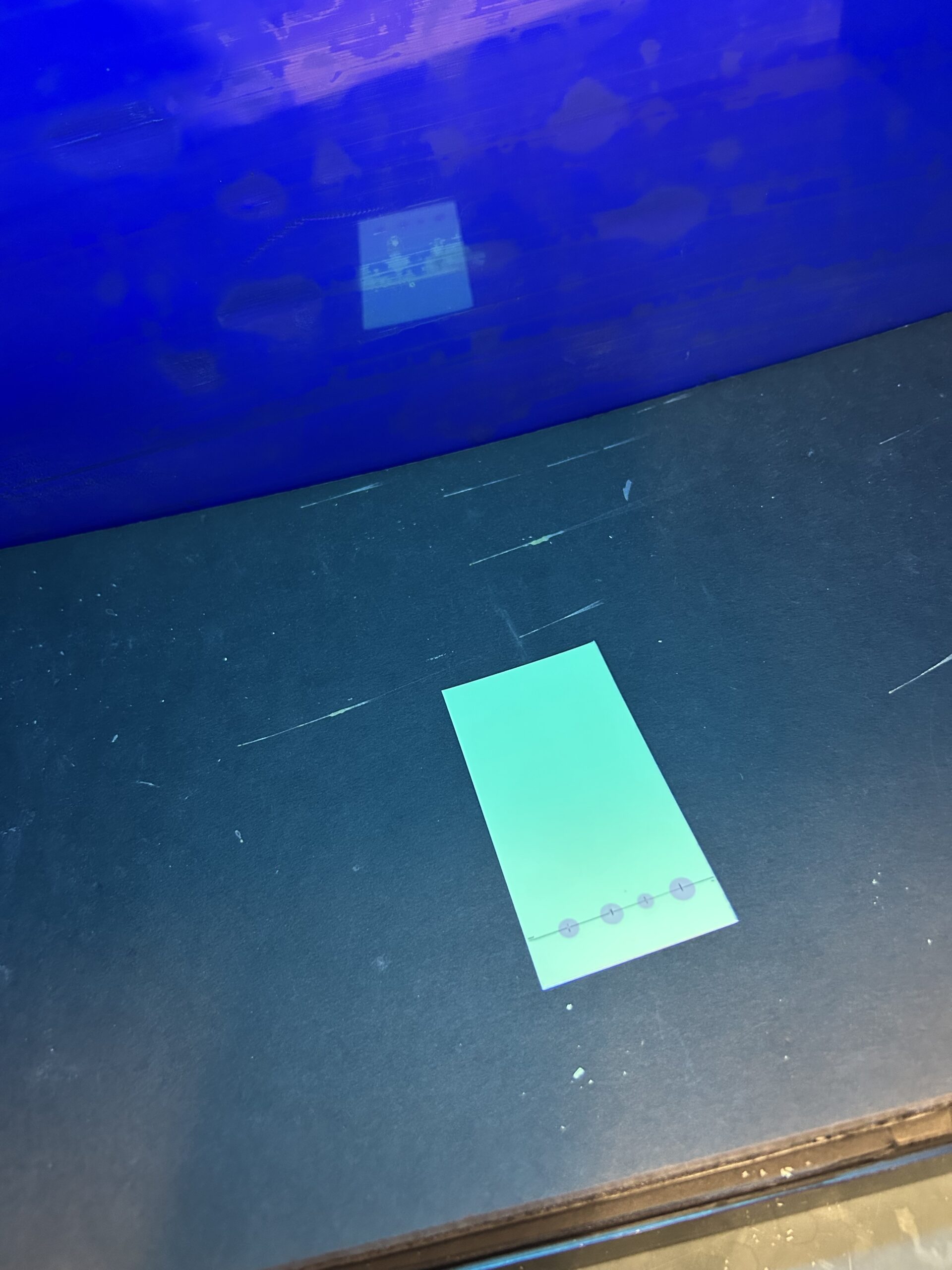
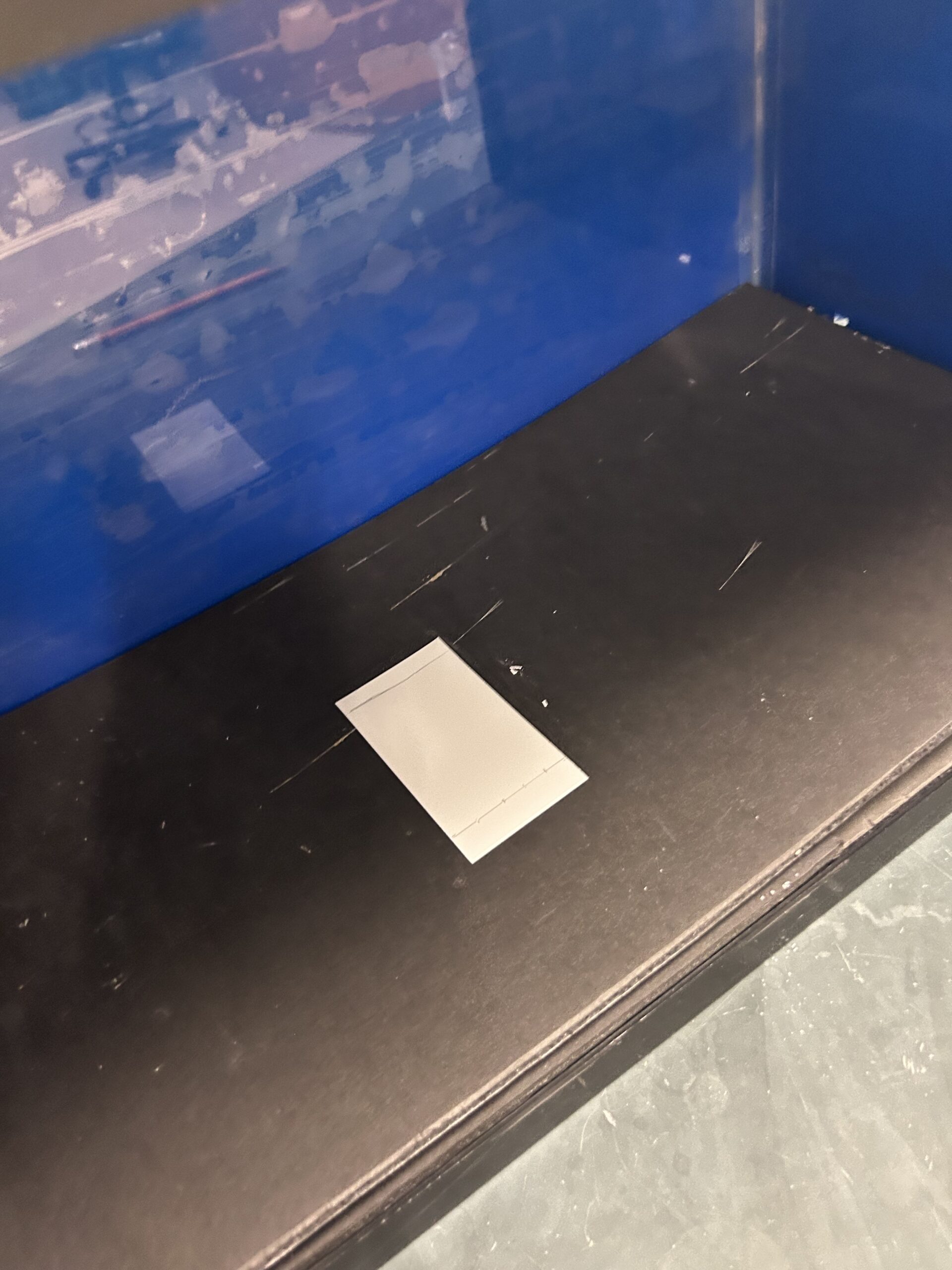
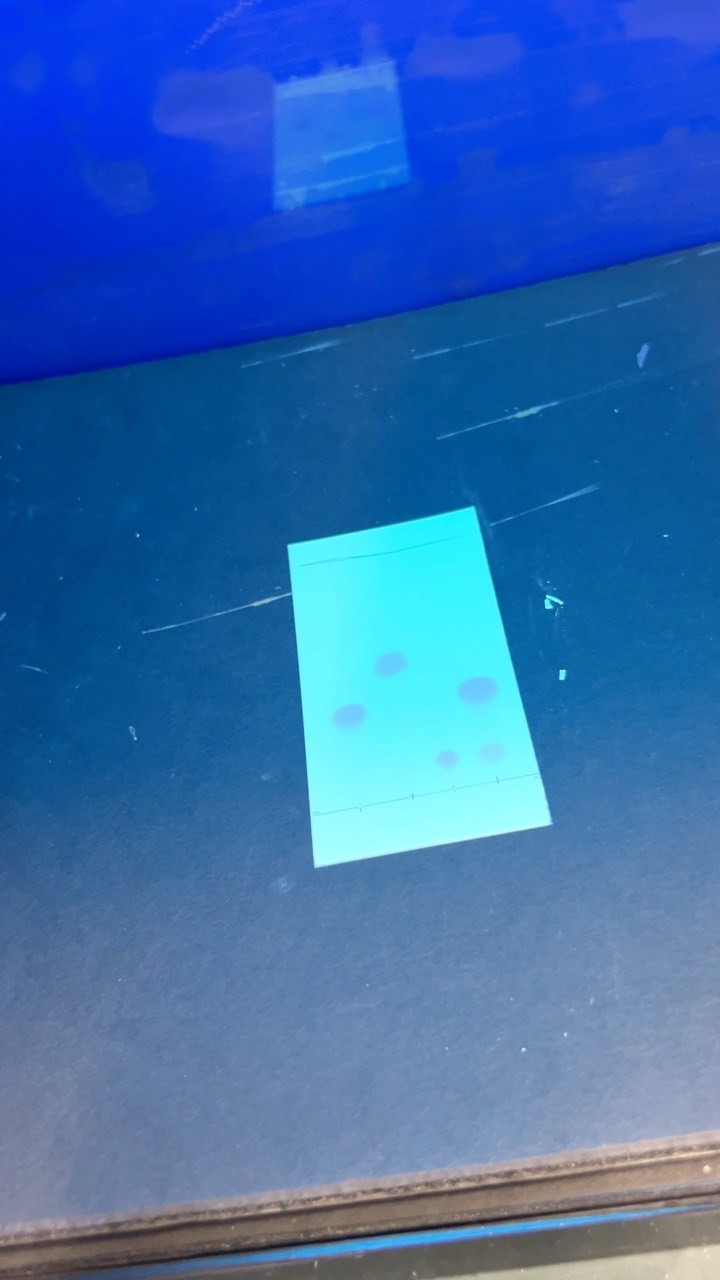
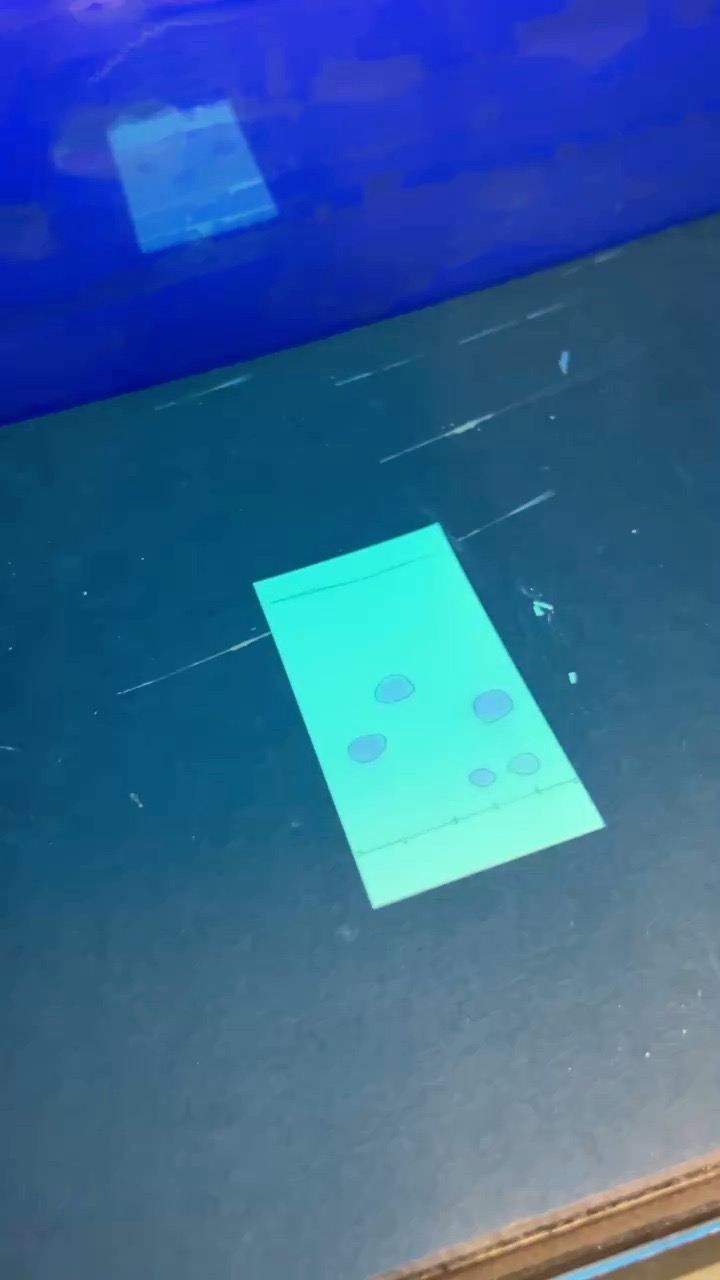
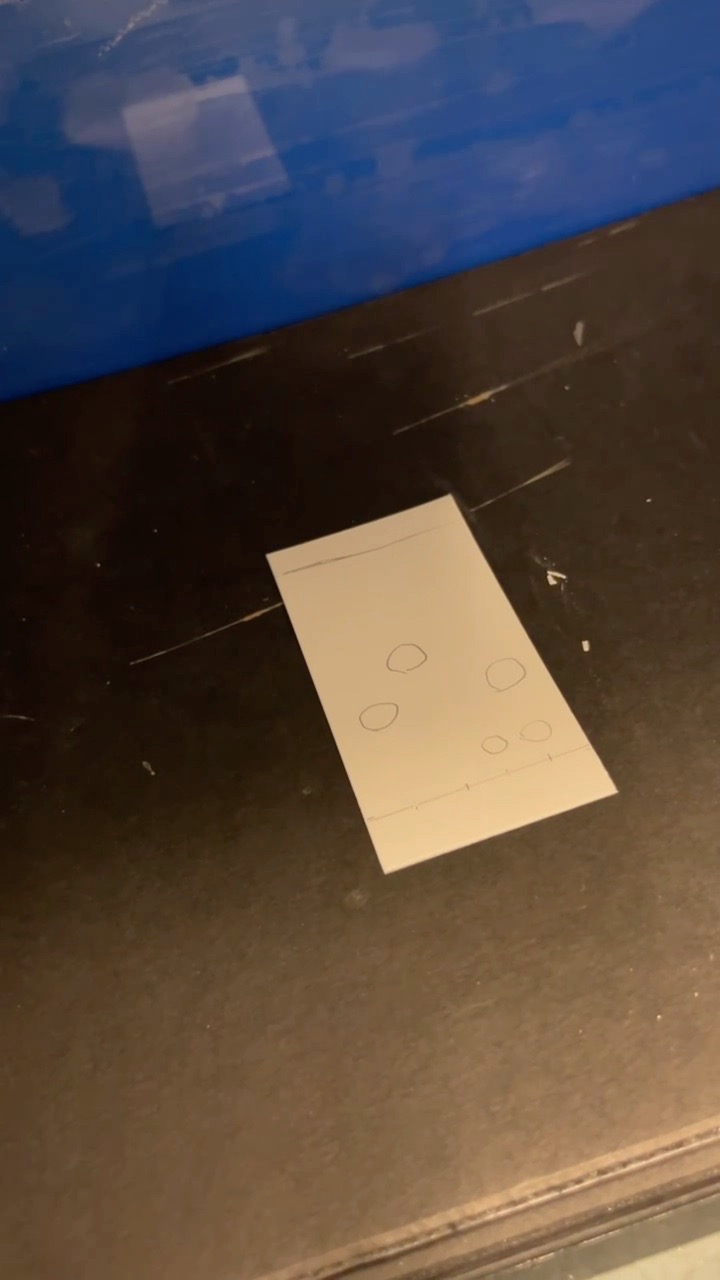
An overview of some common forms of chromatography:
Gas chromatography (GC):
- mobile phase: pressurized carrier gas, often helium
- stationary phase: polymer-coated solid packed in a glass tube
- May be followed by mass spec
Liquid chromatography (LC)/column chromatography:
- Mobile phase: liquid
- Stationary phase: solid resin in column
- Ion exchange, size exclusion, affinity, etc.
- Gravity flow or Machine assisted
- Machine-assisted (pump through columns)
- FPLC (fast protein liquid chromatography)
- HPLC (high pressure liquid chromatography)
- May be followed by mass spec
- This is the kind I do the most, and I have a TON of content on various forms of protein chromatography here: http://bit.ly/bbproteinchromatography & https://thebumblingbiochemist.com/lets-talk-science/protein-purification/ & https://youtube.com/playlist?list=PLUWsCDtjESrEtqQkEXsQpTyRfMhywBVQ7
Thin Layer Chromatography (TLC):
- Mobile phase: liquid
- Stationary phase: solid (adsorbent such as silica or alumina on glass or plastic plate)
Paper chromatography:
- Mobile phase: liquid
- Stationary phase: solid (paper)