AntiMicrobial Resistance (AMR) is the huge (and growing) problem of mainstay and even second- and third-line antibiotics that we rely on to kill microbes including bacteria becoming useless against them. Here’s more about antibiotic resistance – how it arises, to how it spreads, to why antibiotic overuse makes things worse. And lots of mechanisms and examples.
Note that I’m going to focus on bacteria, but “AMR” encompasses resistance in other microbes, such as fungi, which is also a huge problem.
First, a scope of the problem:
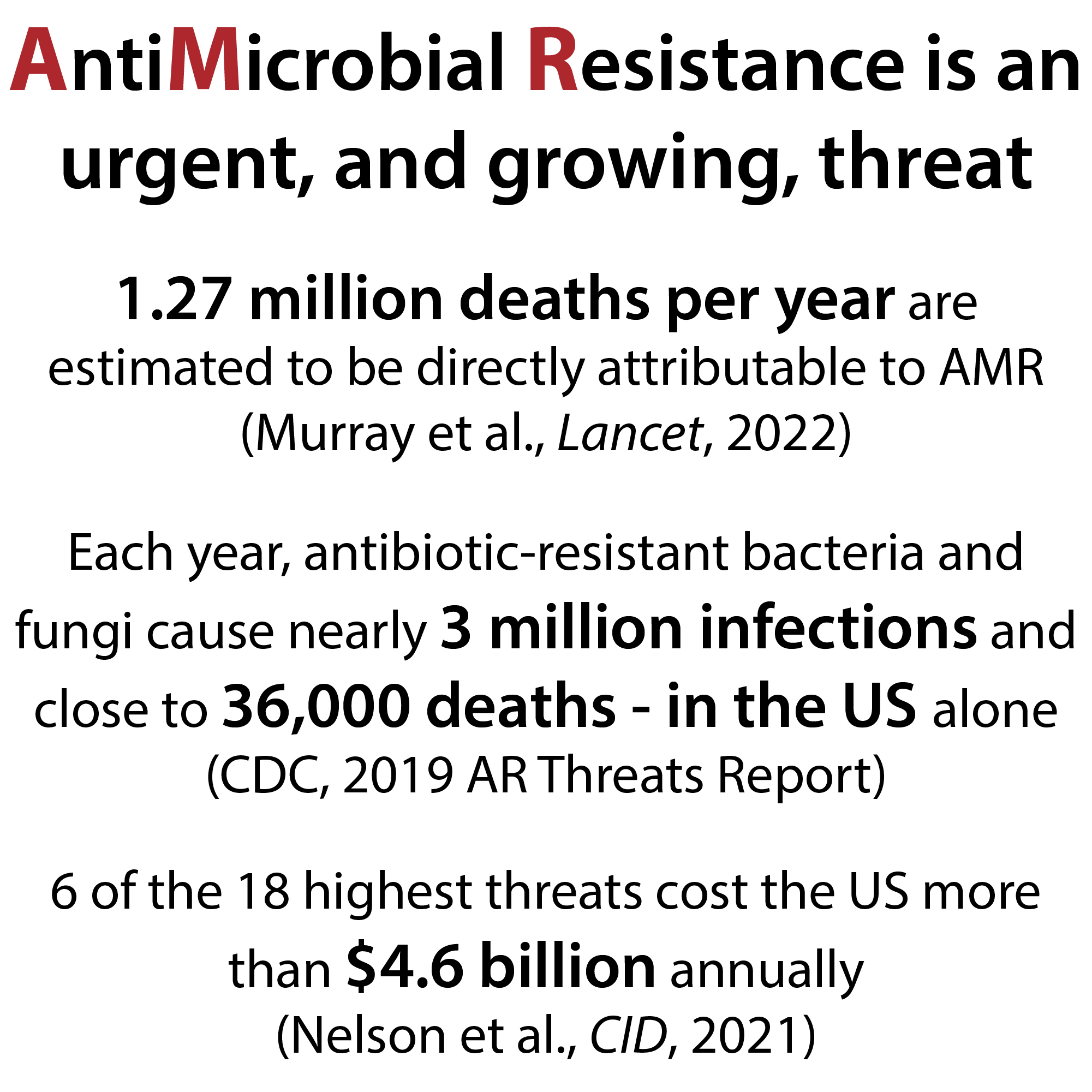
- 1.27 million deaths per year are estimated to be directly attributable to AMR (Murray et al., Lancet, 2022)
- That analysis also found that there are also millions more deaths caused by resistant bacteria, but where the death wasn’t due to it being resistant.
- Each year, antibiotic-resistant bacteria and fungi cause nearly 3 million infections and close to 36,000 deaths – in the US alone (CDC, 2019 AR Threats Report)
- 6 of the 18 highest threats cost the US more than $4.6 billion annually (Nelson et al., CID, 2021)
And there’s not a big financial incentive to develop new, innovative antibiotics, so it’s not like there’s lots coming down the pipeline to rescue us when our mainstay antibiotics fail. Here’s a really cool interactive visualization tool of antibiotic development between 2014 and 2019. https://www.pewtrusts.org/en/research-and-analysis/data-visualizations/2019/five-year[…]lysis-shows-continued-deficiencies-in-antibiotic-development
note: this post is an extension and deeper, geekier, dive of one I did a few days ago overviewing AMR: https://bit.ly/amroverview
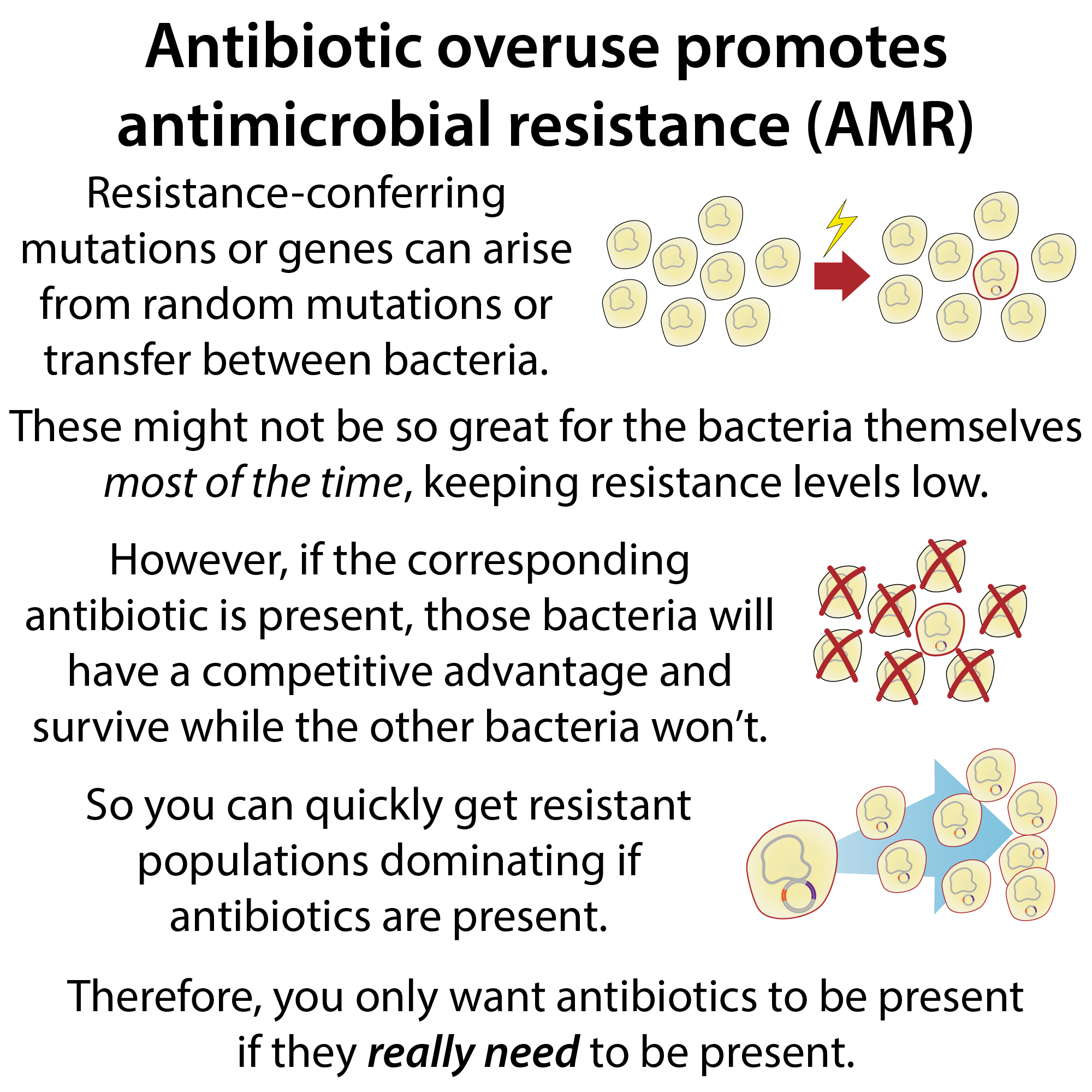
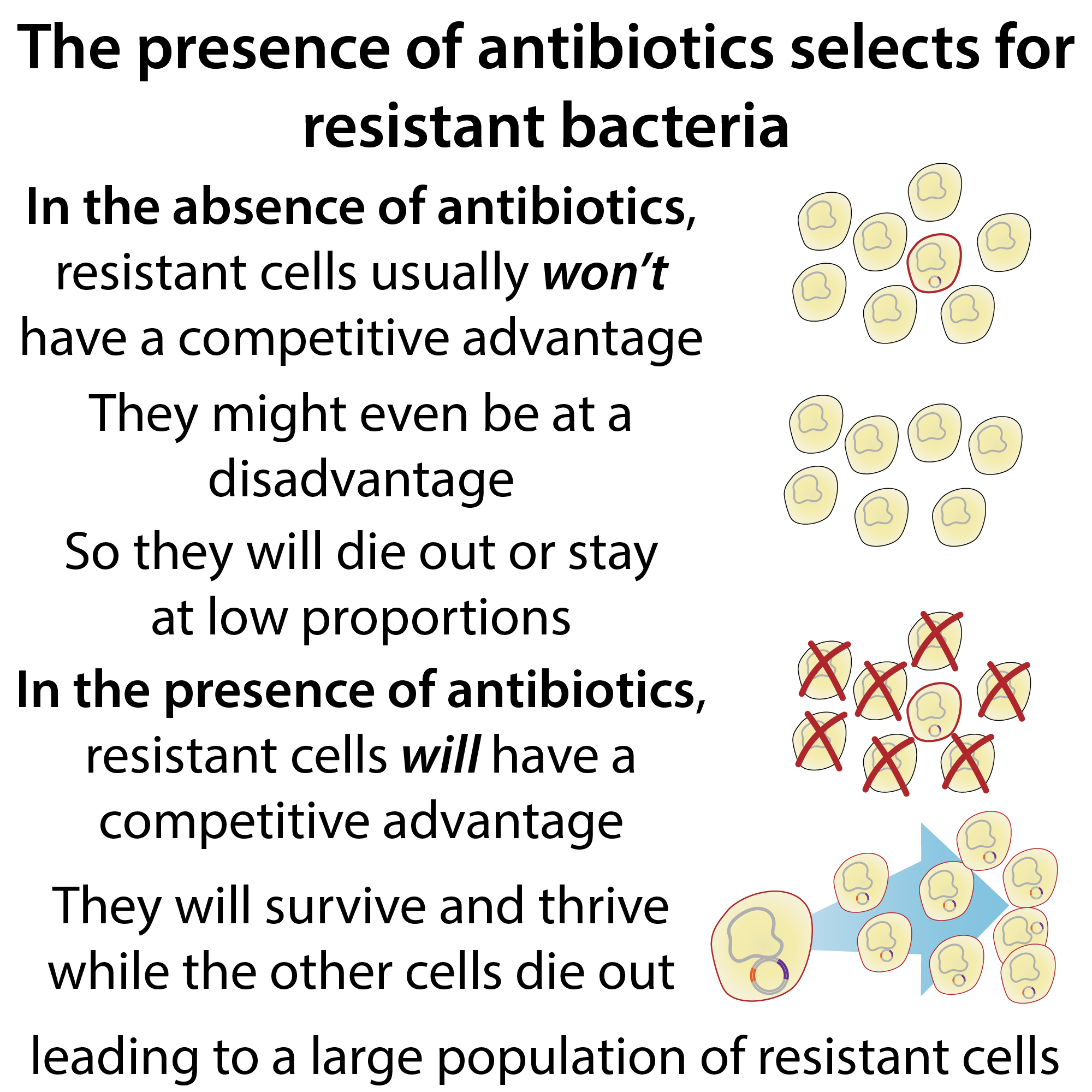
A big part of the problem of resistance to the ones we have increasing is antibiotic overuse. Through mechanisms I will get into, resistance-conferring mutations or genes can arise from random mutations or transfer between bacteria. These might not be so great for the bacteria themselves most of the time, keeping resistance levels low. However, if the corresponding antibiotic is present, those bacteria will have a competitive advantage and survive while the other bacteria won’t. So you can quickly get resistant populations dominating if antibiotics are present. Therefore, you only want antibiotics to be present if they really need to be present.
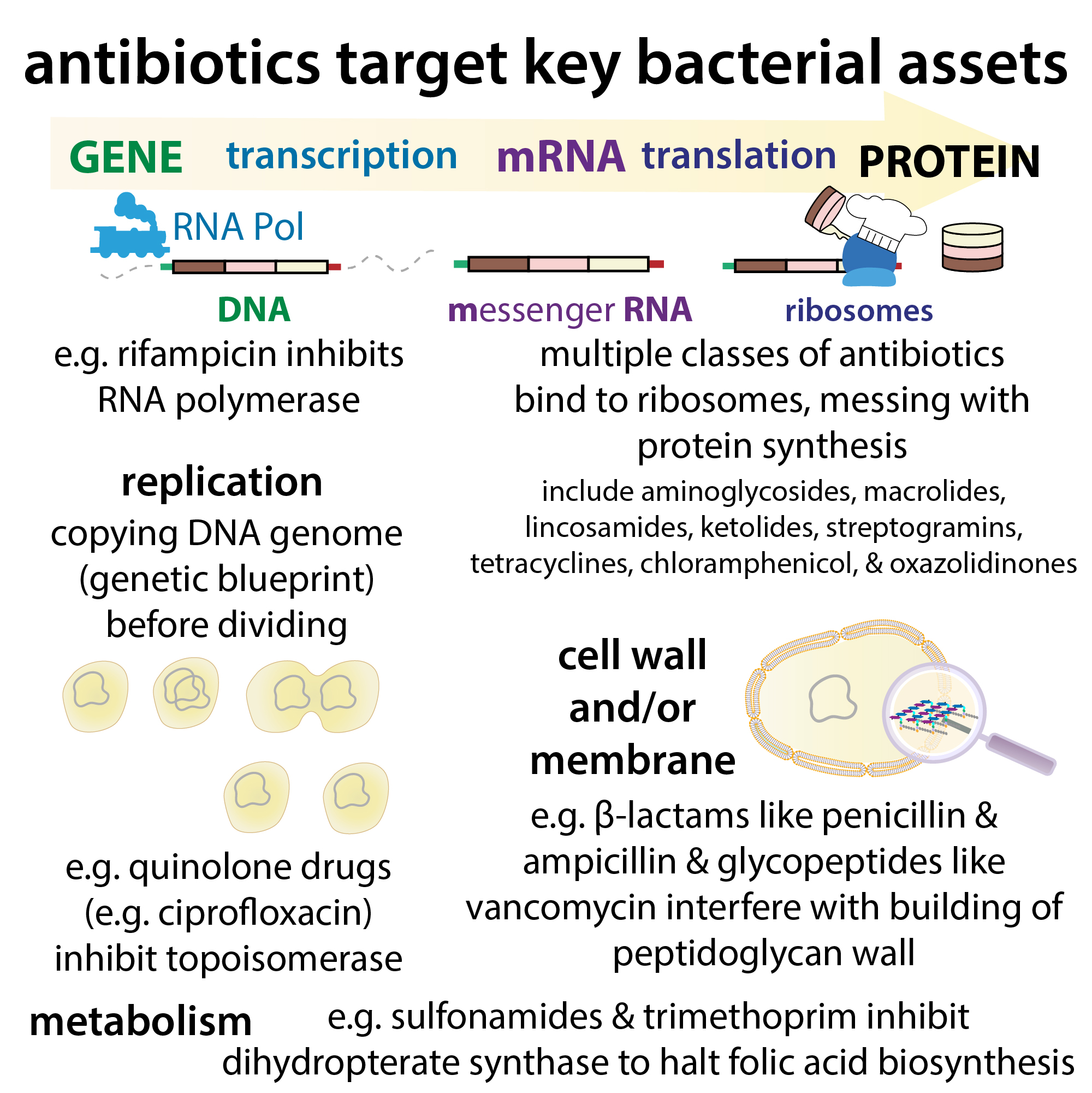
Antibiotics typically target key components of bacterial machinery, such as the proteins they need to build cell walls or copy their DNA. Or the protein/RNA complexes called ribosomes they need to make those proteins that make other things.
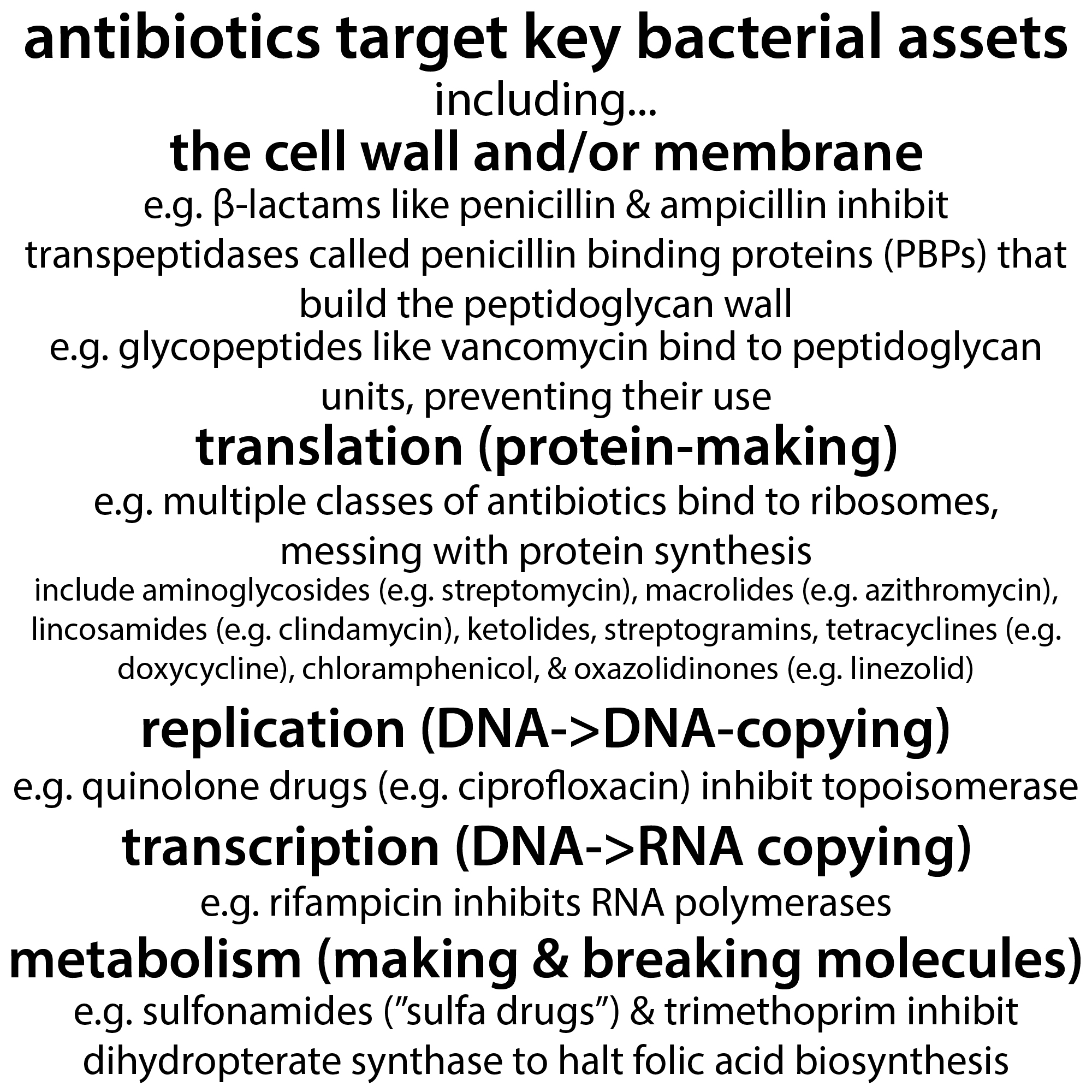
a few main examples of key bacterial assets targeted by antibiotics:
- the cell wall and/or membrane
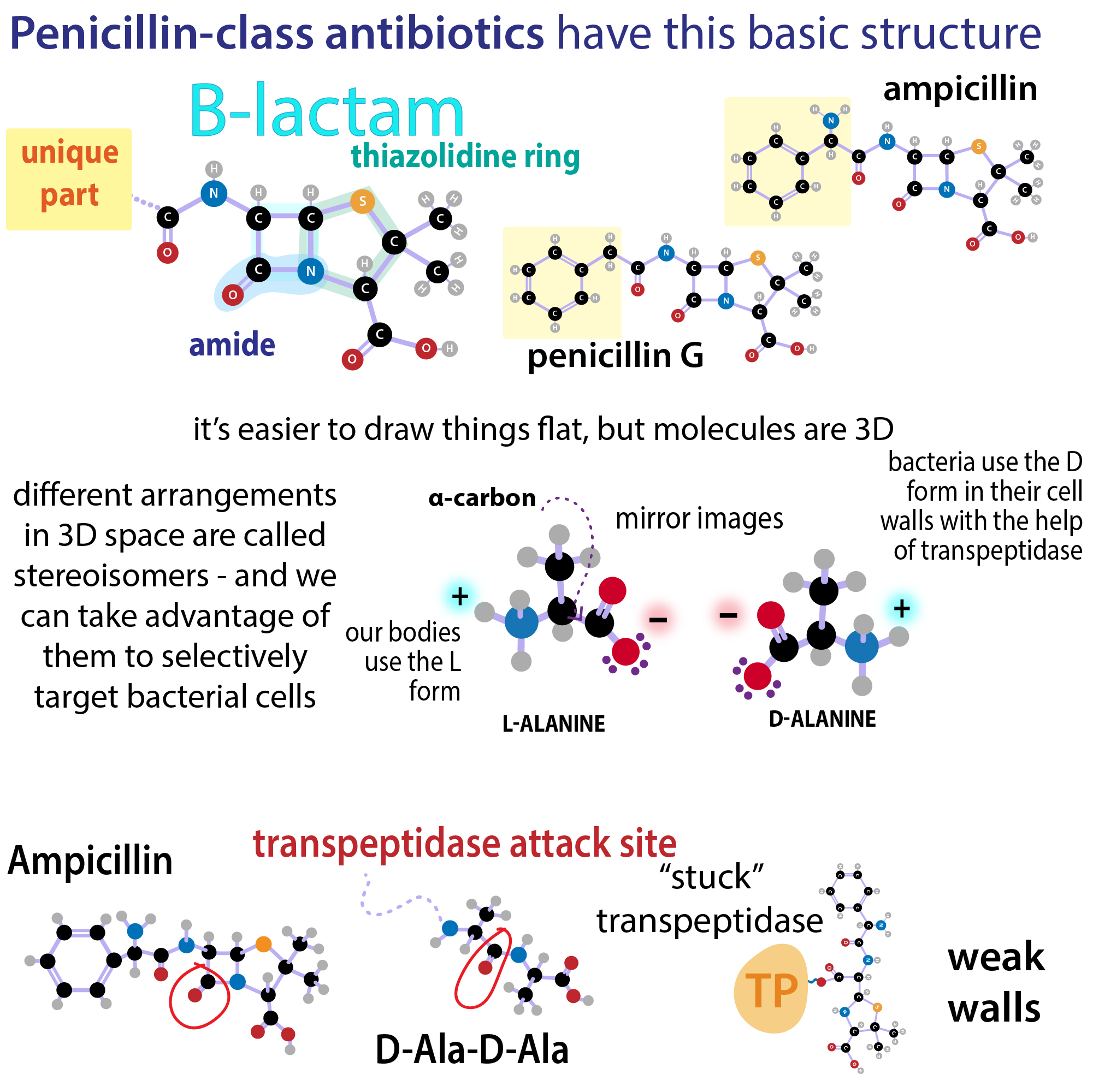
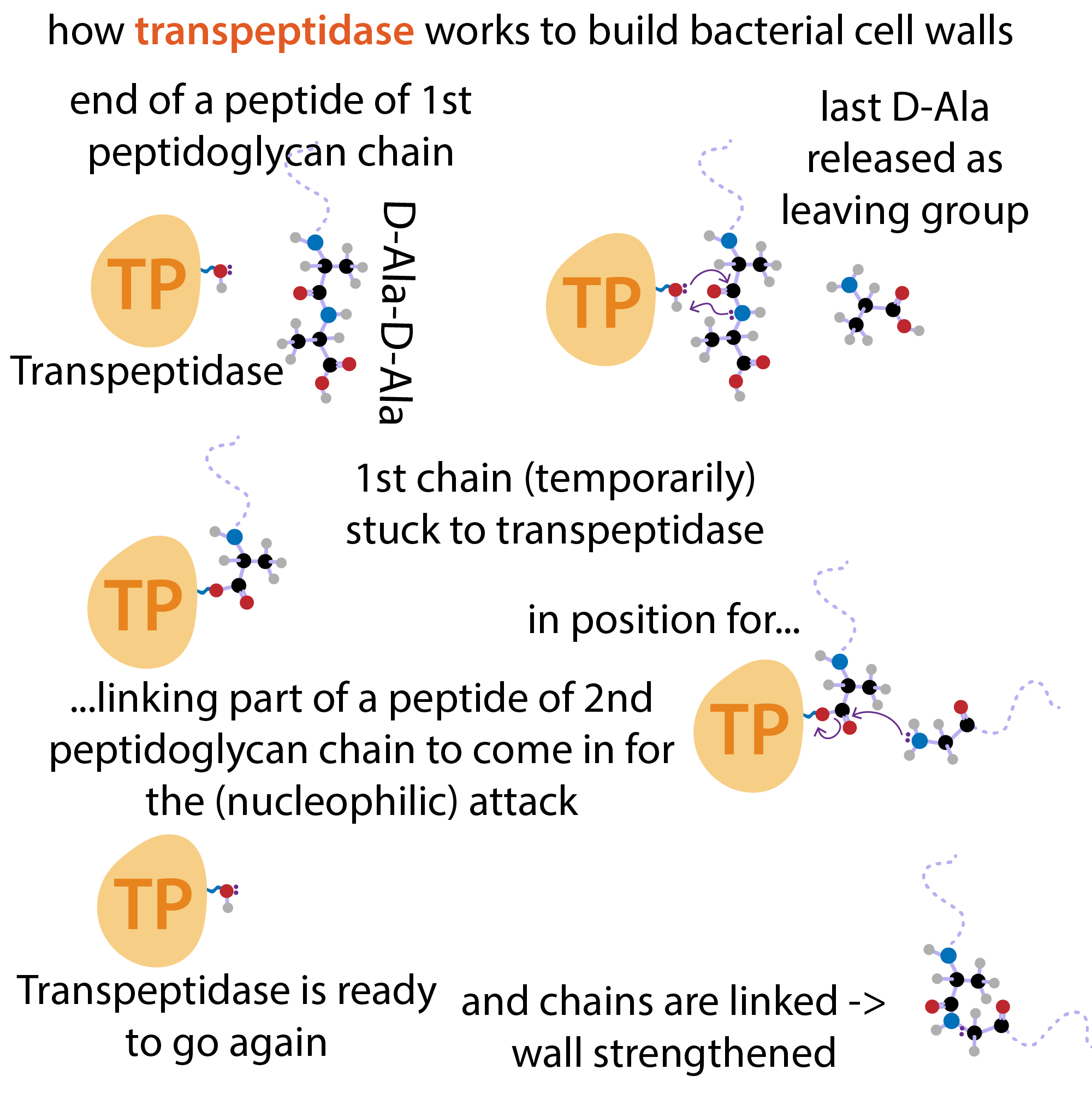
- e.g. ß-lactams like penicillin & ampicillin inhibit transpeptidases called penicillin binding proteins (PBPs) that build the peptidoglycan wall
- e.g. glycopeptides like vancomycin bind to peptidoglycan units, preventing their use
- translation (protein-making)
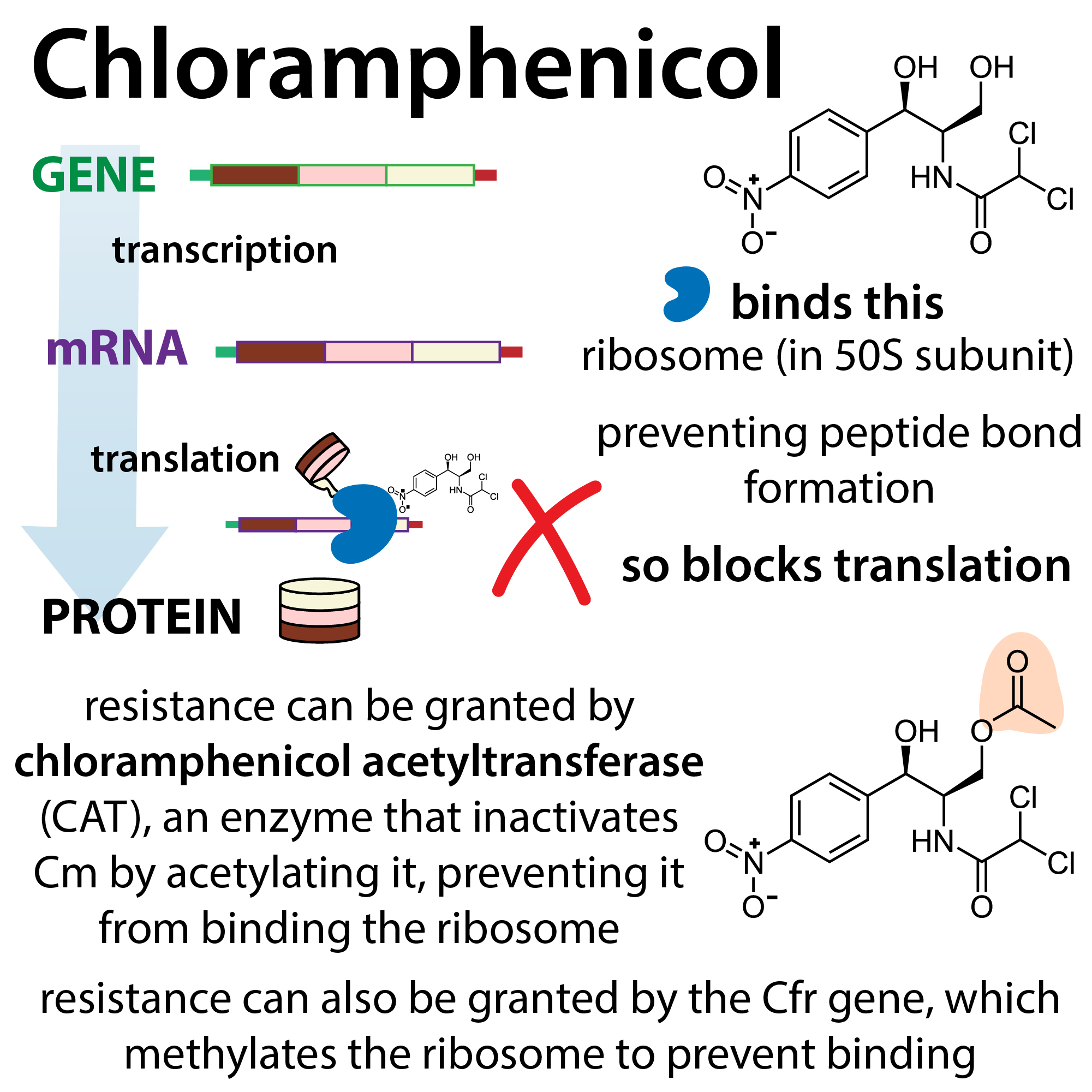
- e.g. multiple classes of antibiotics bind to ribosomes, messing with protein synthesis
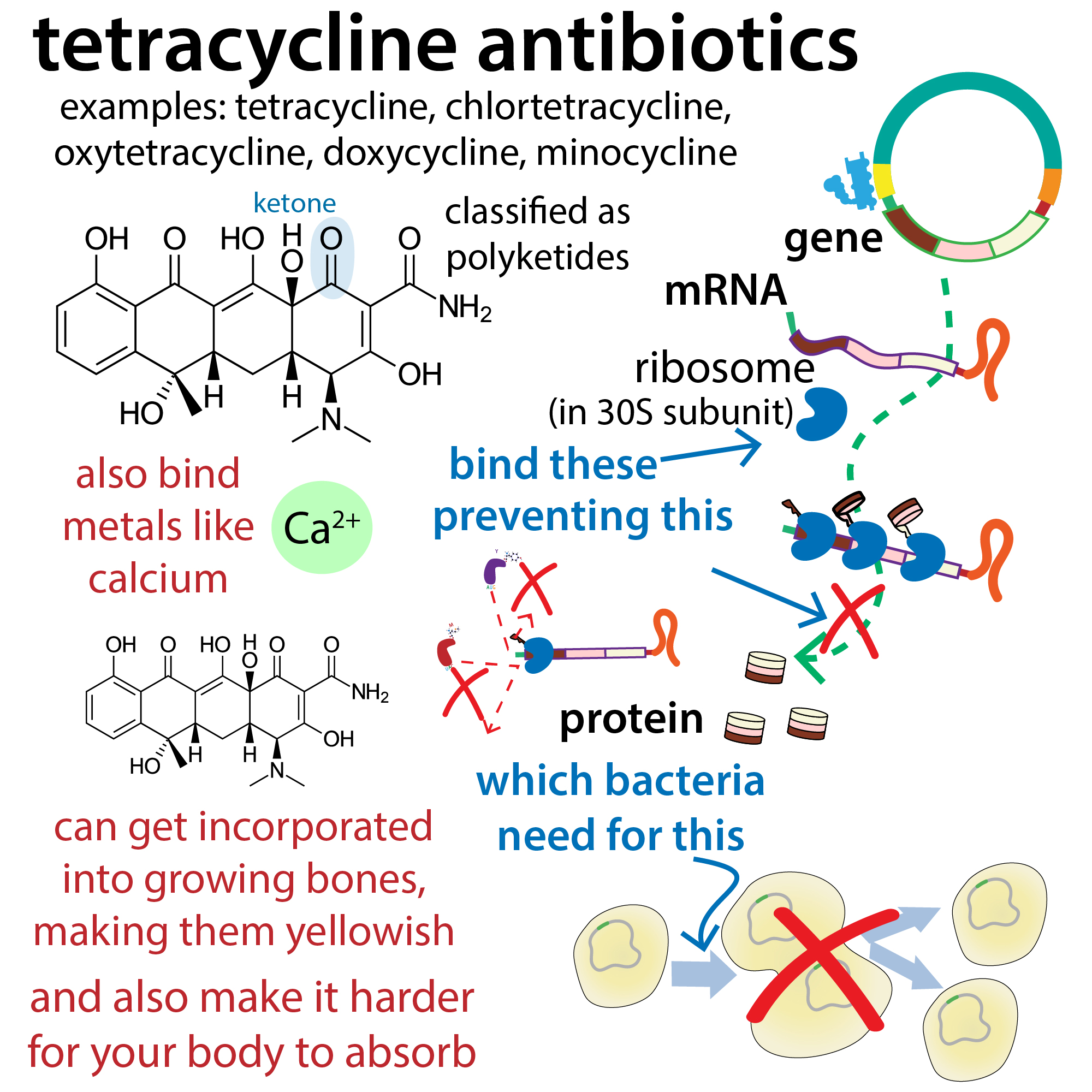
- include aminoglycosides (e.g. streptomycin), macrolides (e.g. azithromycin), lincosamides (e.g. clindamycin), ketolides, streptogramins, tetracyclines (e.g. doxycycline), chloramphenicol, & oxazolidinones (e.g. linezolid)
- e.g. multiple classes of antibiotics bind to ribosomes, messing with protein synthesis
- replication (DNA→DNA-copying)
- e.g. quinolone drugs (e.g. ciprofloxacin) inhibit topoisomerase
- transcription (DNA→RNA copying)
- e.g. rifampicin inhibits RNA polymerases
- metabolism (making & breaking molecules)
- e.g. sulfonamides (“sulfa drugs”) & trimethoprim inhibit dihydropterate synthase to halt folic acid biosynthesis
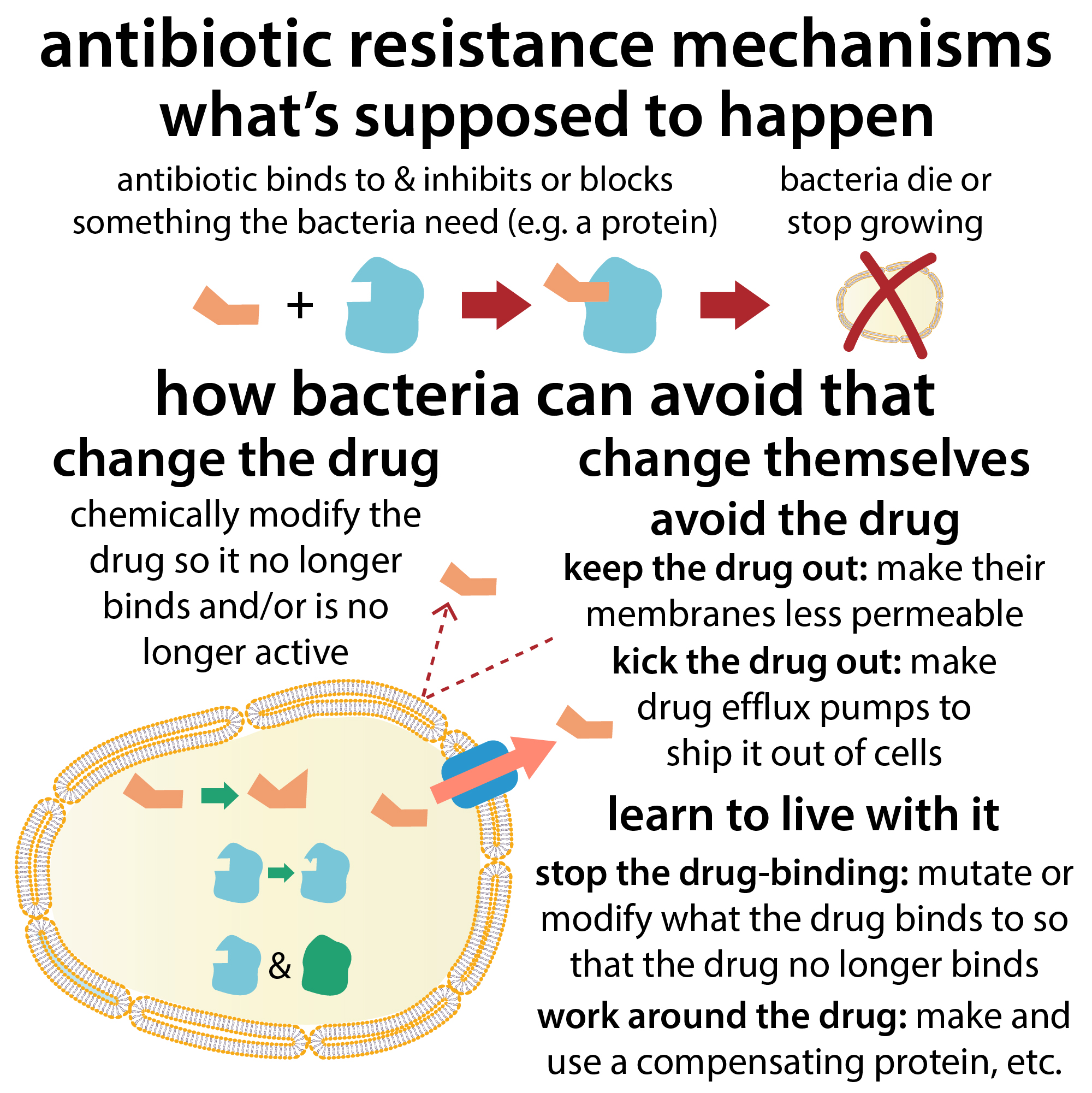
Antibiotics can bind and inhibit these, causing the bacteria to die or at least stop growing. There are lots of different strategies bacteria can take to prevent this from happening. But the basic strategies can be broadly classified as the bacteria…
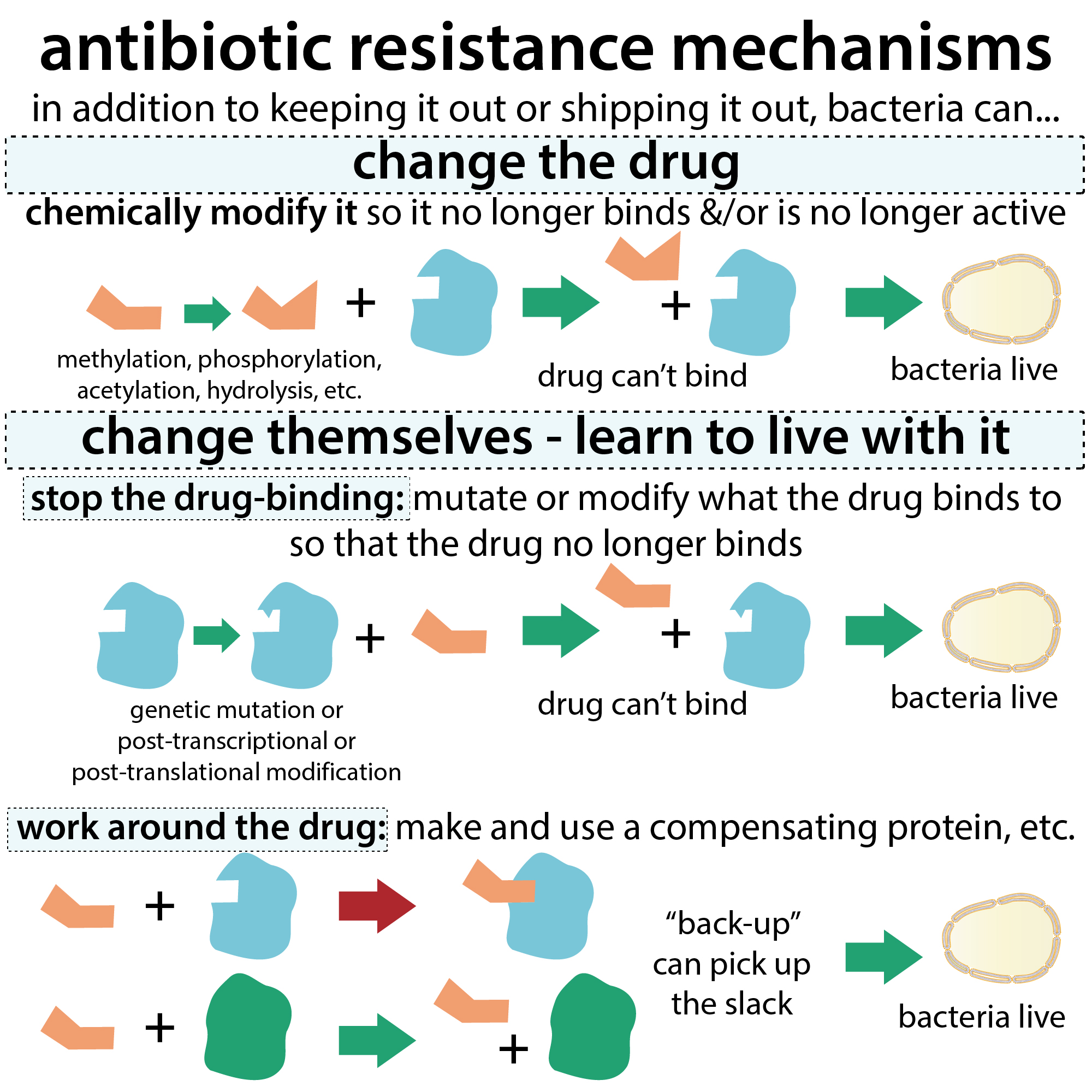
- Change the drug: chemically modify the drug so it is no longer active
- Change themselves:
- Avoid the drug:
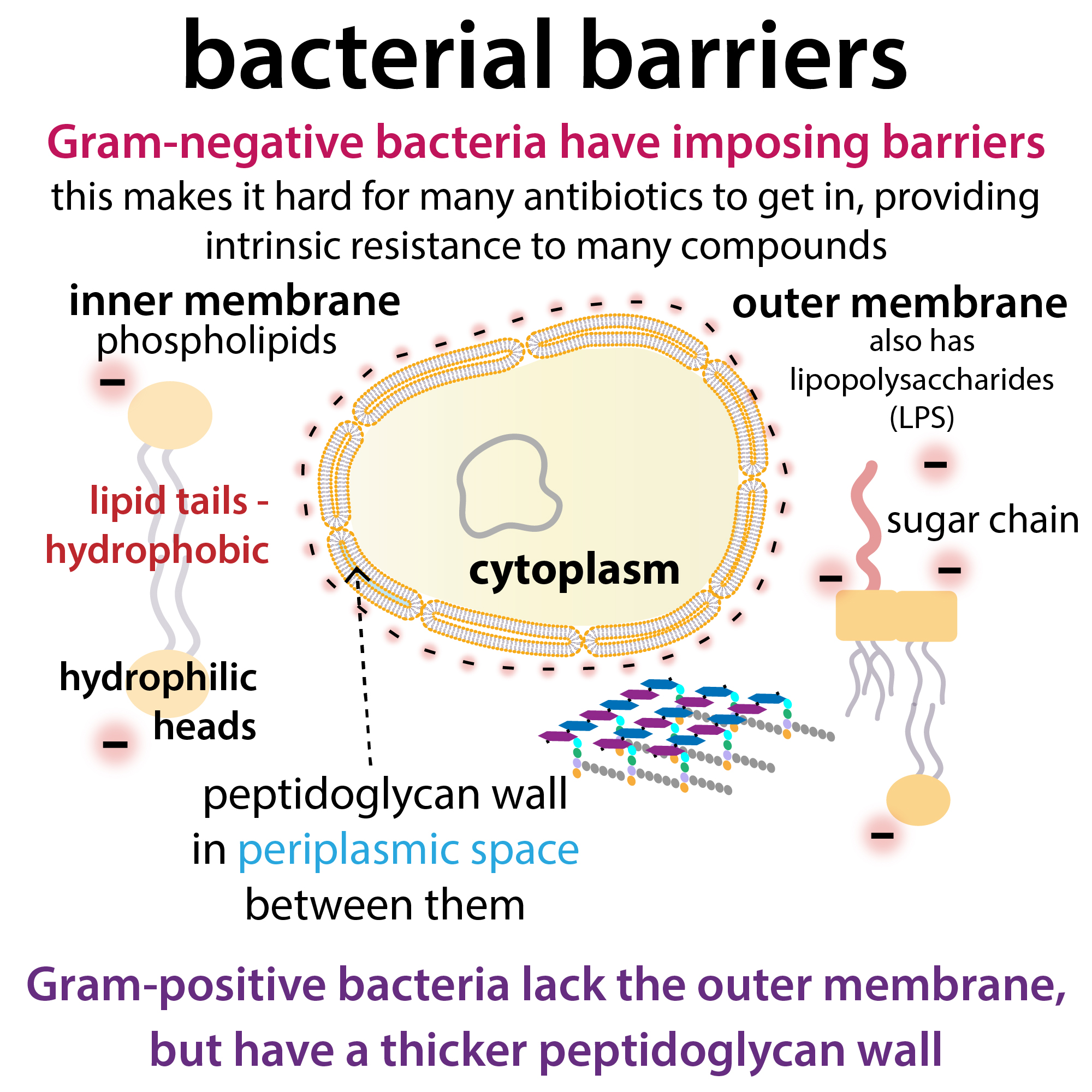
- Keep the drug out: make their membrane less permeable (gram-negative bacteria have intrinsic resistance to many compounds because of their 2 thick membranes)
- Kick the drug out: make drug efflux pumps to actively ship it out of cells
- Learn to live with it:
- stop the drug-binding: mutate or modify what the drug binds to so that the drug no longer binds
- work around the drug: make and use a compensating protein, etc.
- Avoid the drug:
a few examples:
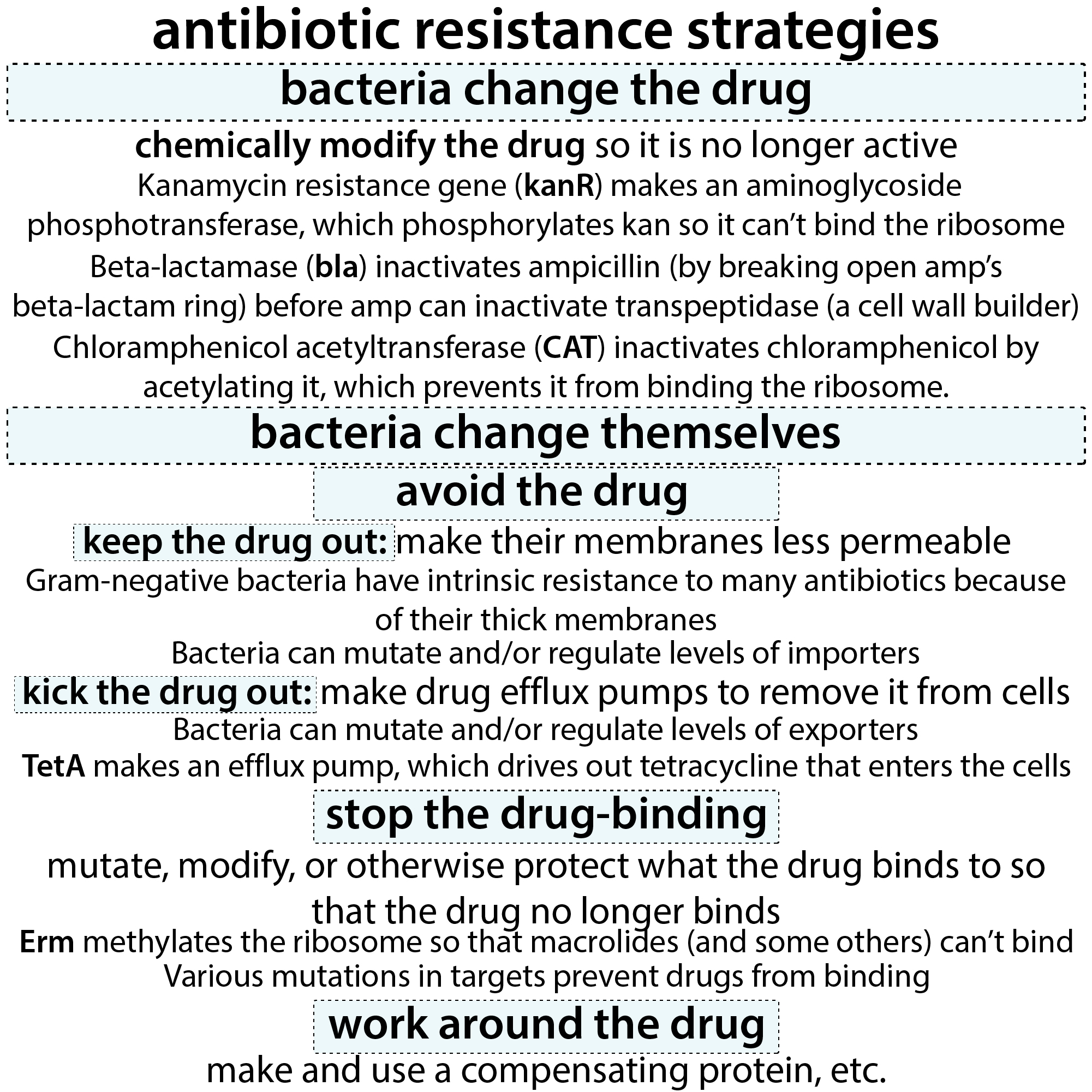
- bacteria change the drug – chemically modify the drug so it is no longer active
- e.g. Kanamycin resistance gene (kan) makes an aminoglycoside phosphotransferase, which phosphorylates kan so it can’t bind the ribosome
- e.g. Beta-lactamase (bla) inactivates ampicillin (by breaking open amp’s beta-lactam ring) before amp can inactivate transpeptidase (a cell wall builder)
- e.g. Chloramphenicol acetyltransferase (CAT) inactivates chloramphenicol by acetylating it, which prevents it from binding the ribosome
- bacteria change themselves
- avoid the drug
- keep the drug out: make their membranes less permeable
- Gram-negative bacteria have intrinsic resistance to many antibiotics because of their thick membranes
- Bacteria can mutate and/or regulate levels of importers
- Gram-negative bacteria are particularly hard to get into because they have 2 membrane layers. But proteins called porins serve as portals to the inside. These protein channels include fairly generic ones like OmpF and OmpC which let most little hydrophilic things through as well as some pickier ones. Many antibiotics can go through porins, but bacteria can wise up to this and start decreasing the amount of porins. That doesn’t require modifying the porins themselves, just their number and location. But some bacterial resistance mechanisms actually involve mutating the porins so the channels are less welcoming to certain antibiotics.
- keep the drug out: make their membranes less permeable
- kick the drug out: make drug efflux pumps to remove it from cells
- Bacteria can mutate and/or regulate levels of exporters
- e.g. TetA makes an efflux pump, which drives out tetracycline that enters the cells
- stop the drug-binding: mutate, modify, or otherwise protect what the drug binds to so
- e.g. Erm methylates the ribosome so that macrolides (and some others) can’t bind
- various mutations in targets prevent drugs from binding
- work around the drug
- make and use a compensating protein, etc.
- avoid the drug
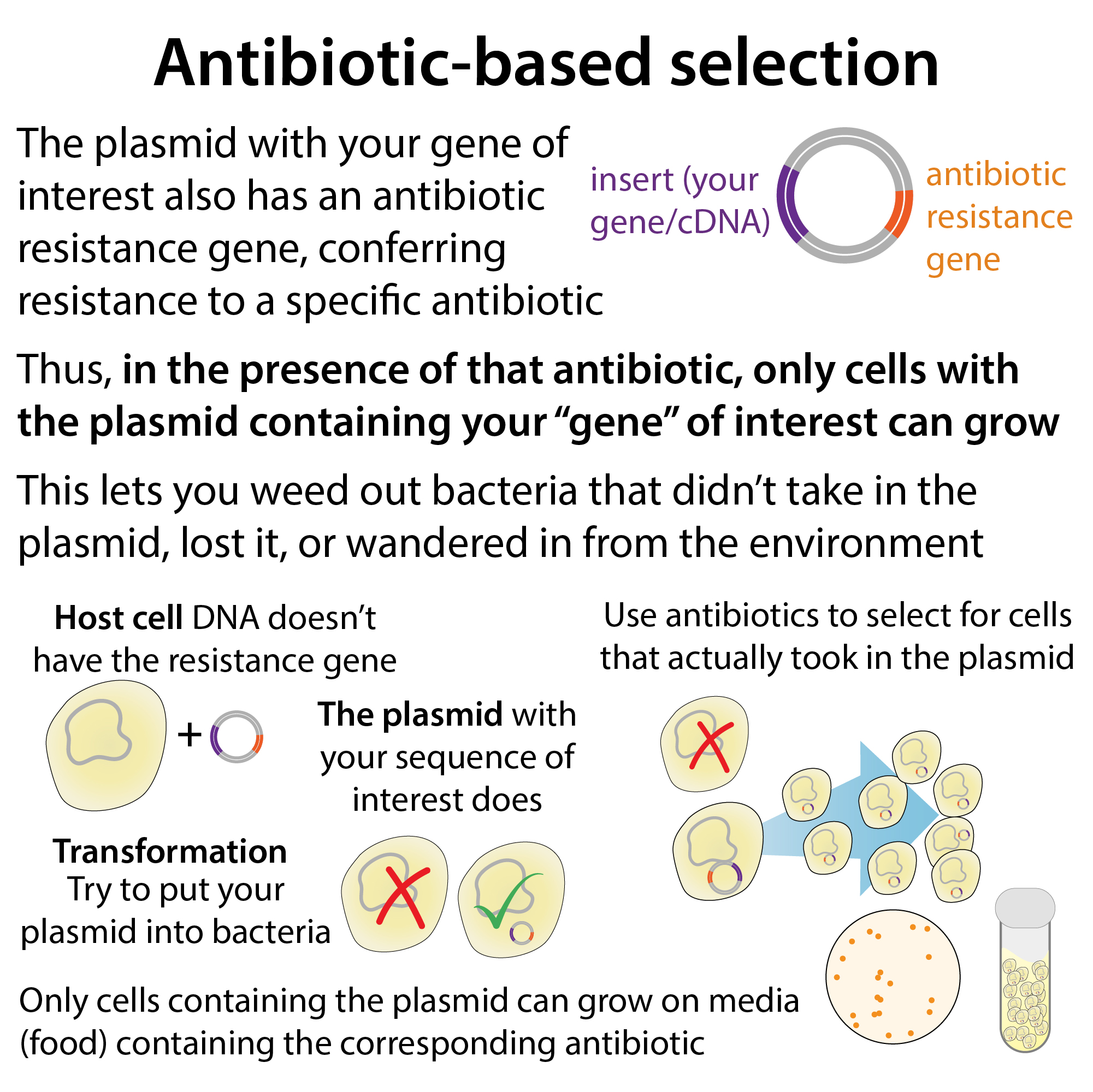
for more details on antibiotic resistance mechanisms and how we take advantage of them in the lab to select for bacteria containing plasmids of interest: https://bit.ly/antibioticselections & https://youtu.be/YXg56OH3N3A
As you can see, there are lots of paths to resistance. And there are lots of paths to those paths. AMR can arise thanks to random mutations that happen to protect bacteria from a certain antibiotic and these mutations (and thus resistance) can then be passed on to the daughter cells made from those cells (this is an example of vertical gene transfer, when a parent passes genes to their progeny. Random mutations happen lots and lots as bacteria rapidly multiply. So there’s plenty of opportunity for resistance-conferring mutations to occur this way.
But there are also other ways to acquire resistance “pre-made.” For example, through horizontal gene transfer (aka lateral gene transfer), bacteria can transfer DNA between one another (through a process called conjugation) and some can even take in “loose” DNA from the environment (often from dead bacteria) in a process called transformation (this isn’t just something that happens in the lab – some bacteria are naturally competent for transformation!). And if that DNA contained a resistance-conferring gene…
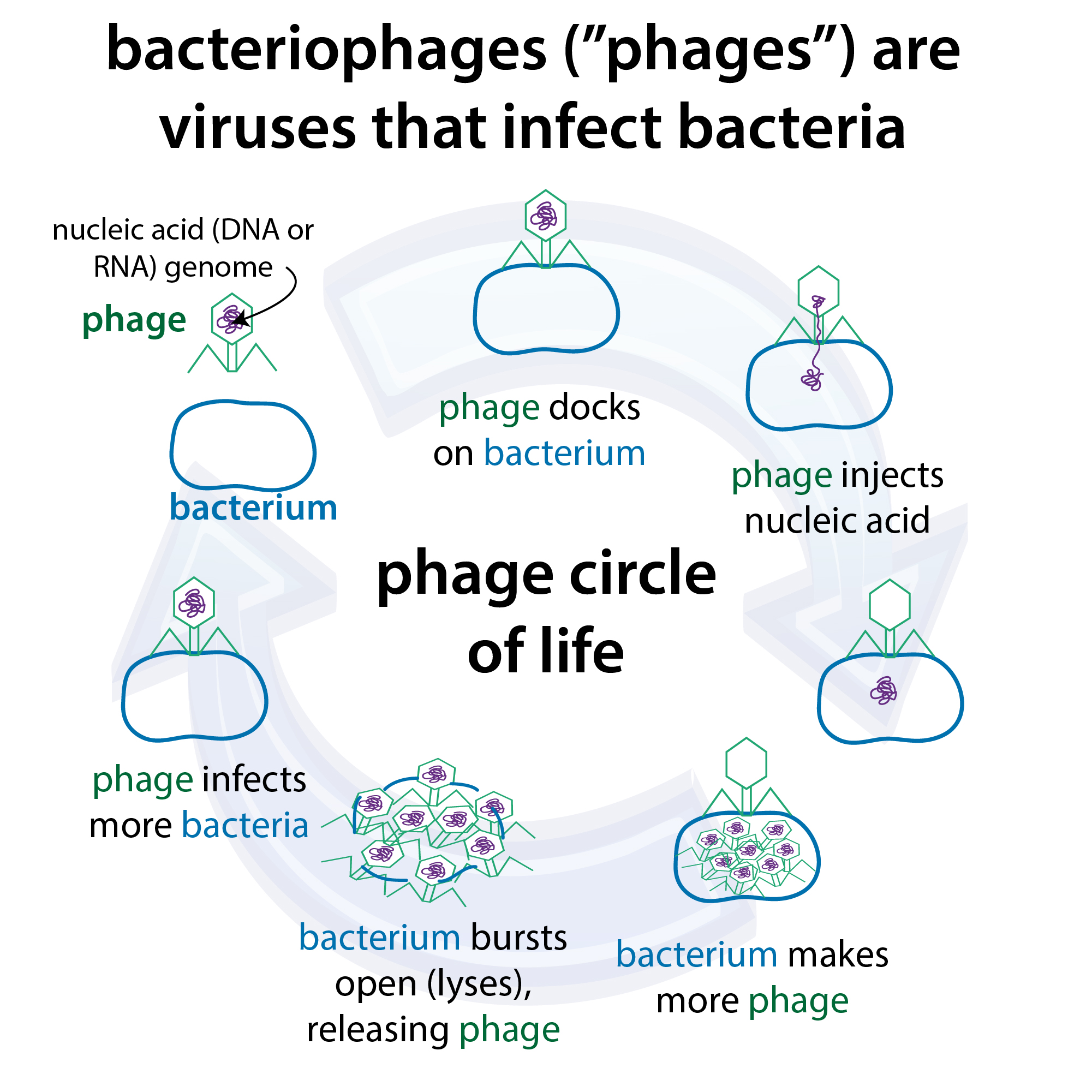
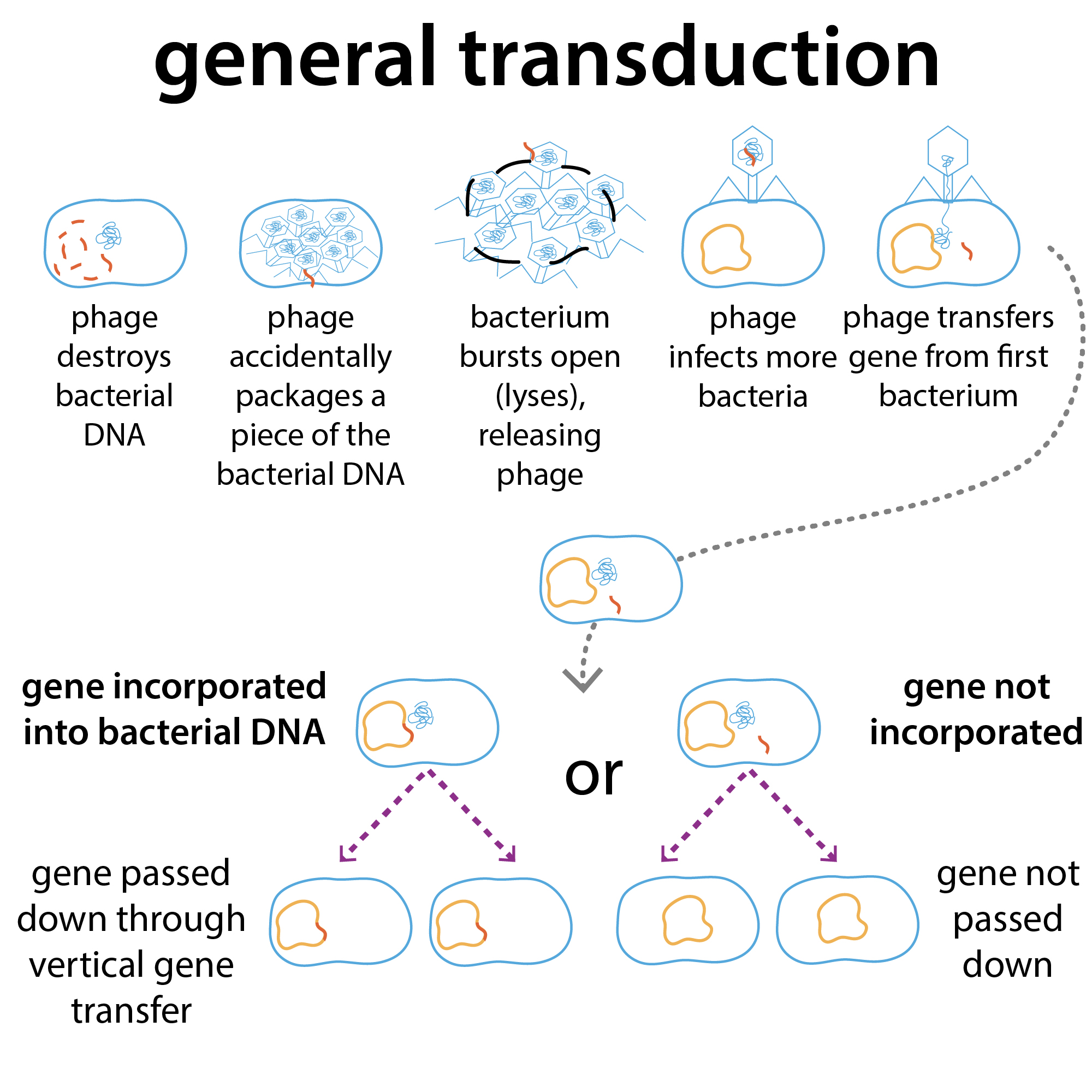
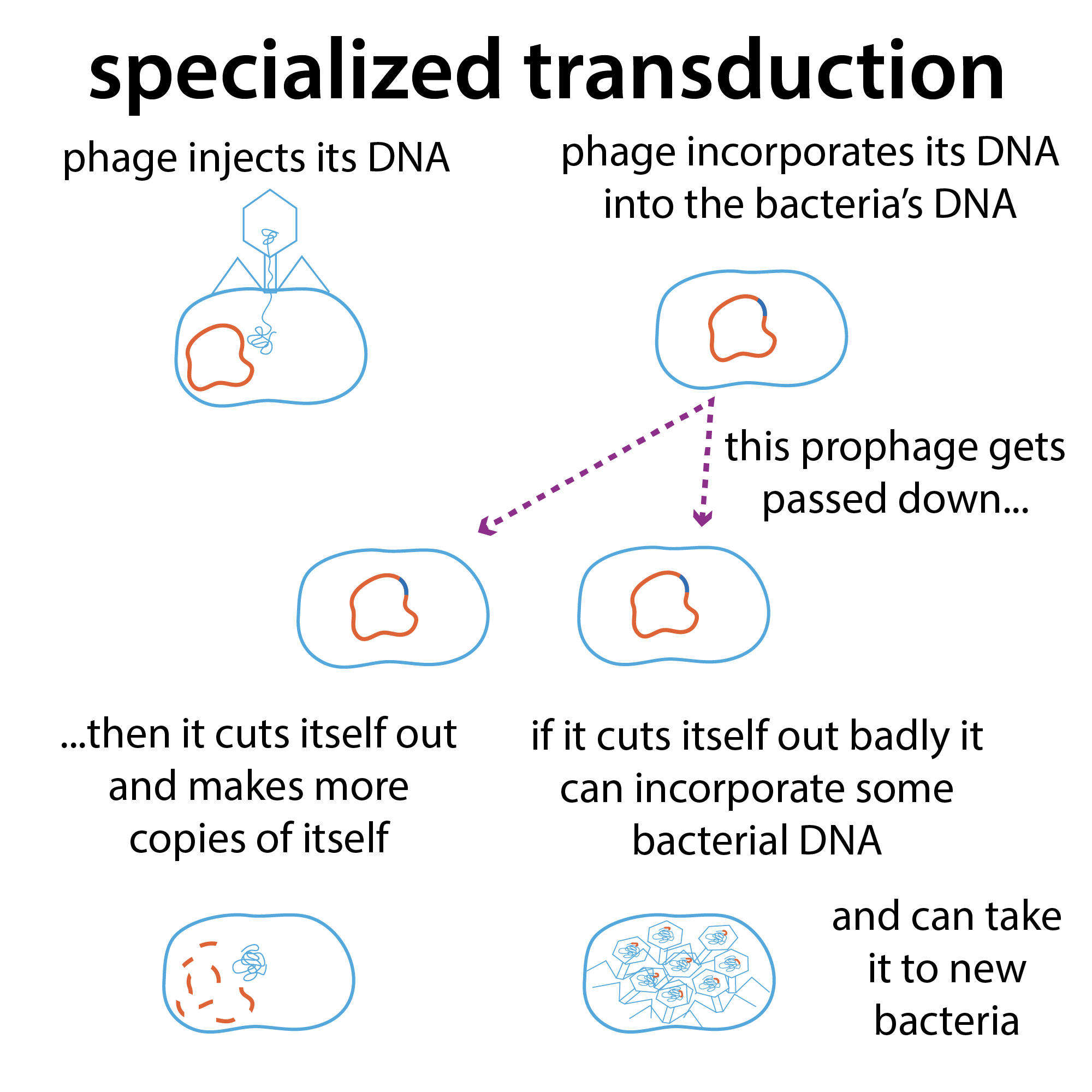
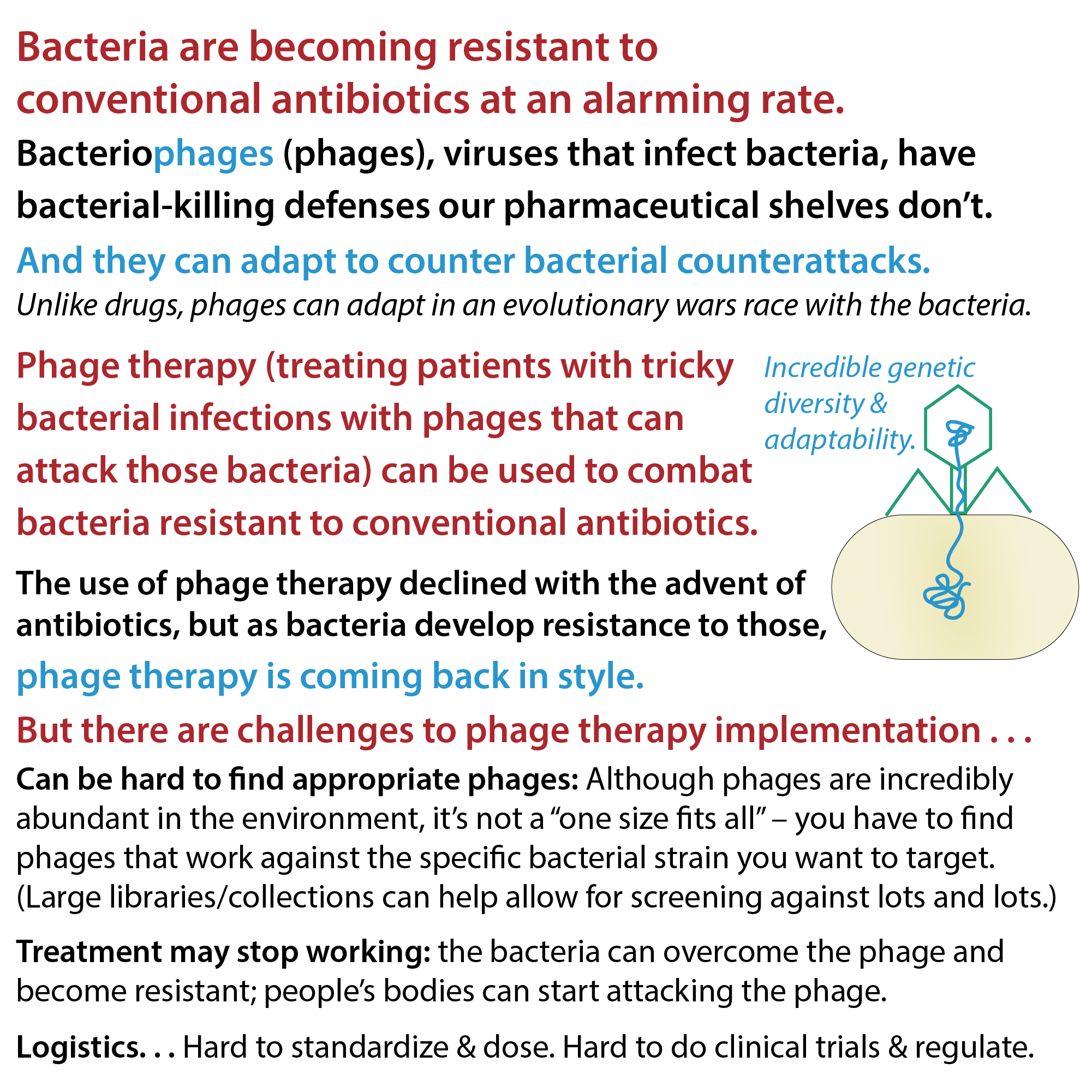
Bacteria can also pick up resistance genes with the help of bacteria-infecting viruses called bacteriophages or “phages” for short. Phages inject their genomes into bacteria and use that bacteria’s machinery to make more of their genome, as well as “packaging” to carry their genome to other cells. Sometimes they mess up and package some bacterial DNA with them and then go off to infect other bacteria. And if that DNA they accidentally packaged contained a resistance-conferring gene…
Sometimes bacteria can acquire resistance to multiple drugs and even multiple drug classes at the same time. For example, R-plasmids (R for Resistance) are circular pieces of DNA often transferred during conjugation that provide multiple resistance genes. And even a single resistance gene can cause cross-class resistance if the drug classes are binding the same location or if the gene is giving a sort of “generic” advantage such as producing a multi-drug exporter.
Resistance-conferring mutations or genes might not be great for the bacteria themselves most of the time, especially if they make changes in key bacterial machinery that has been finely honed over millennia. This is one reason why some bacteria only make antibiotic resistance products in response to the presence of an antibiotic (induced expression). However, if the corresponding antibiotic is present (I.e. there is selective pressure), those bacteria will have a competitive advantage and survive while the other bacteria won’t. So you can quickly get resistant populations dominating if there are antibiotics present. And therefore, you only want antibiotics to be present if they really need to be present.
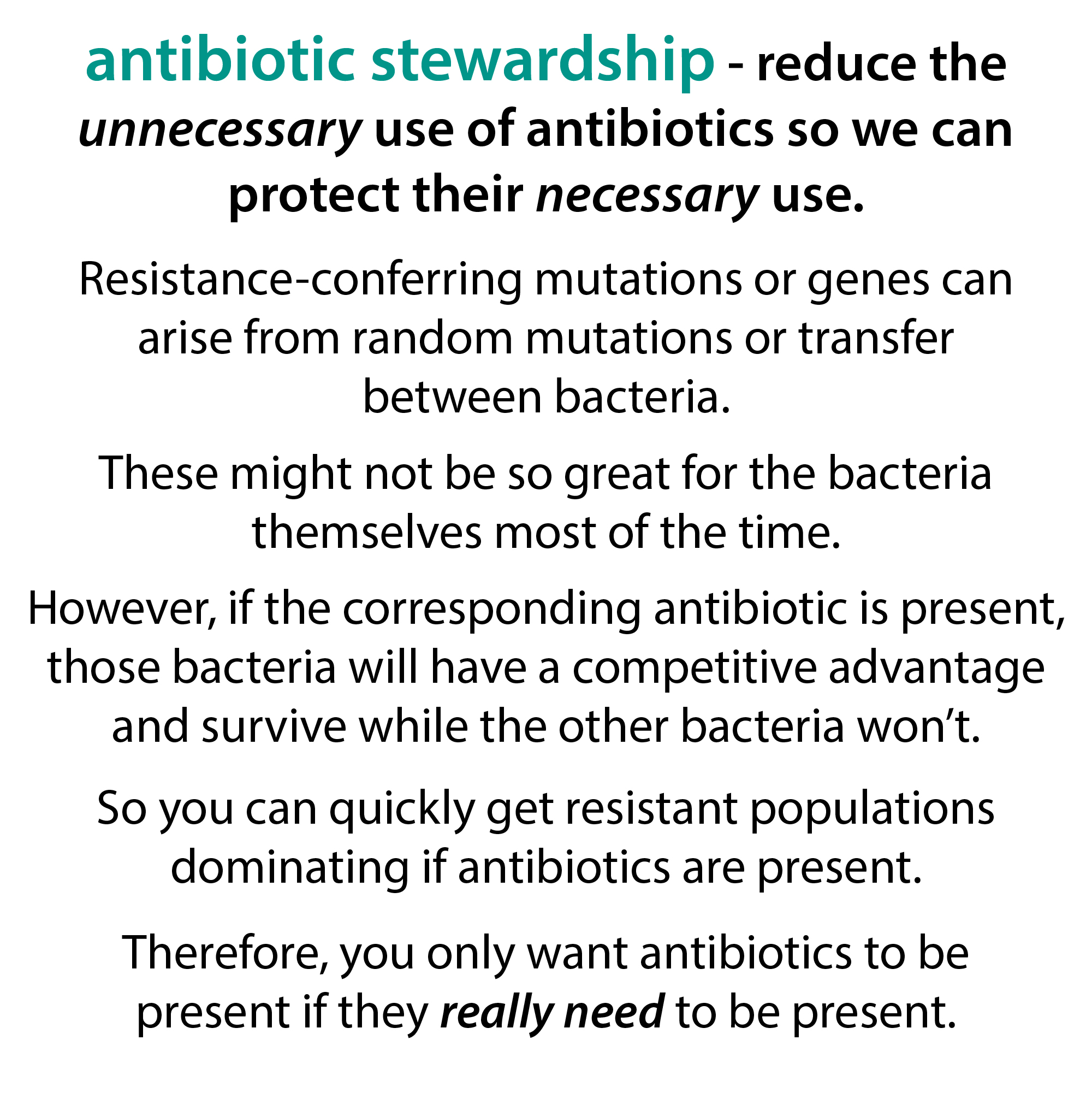
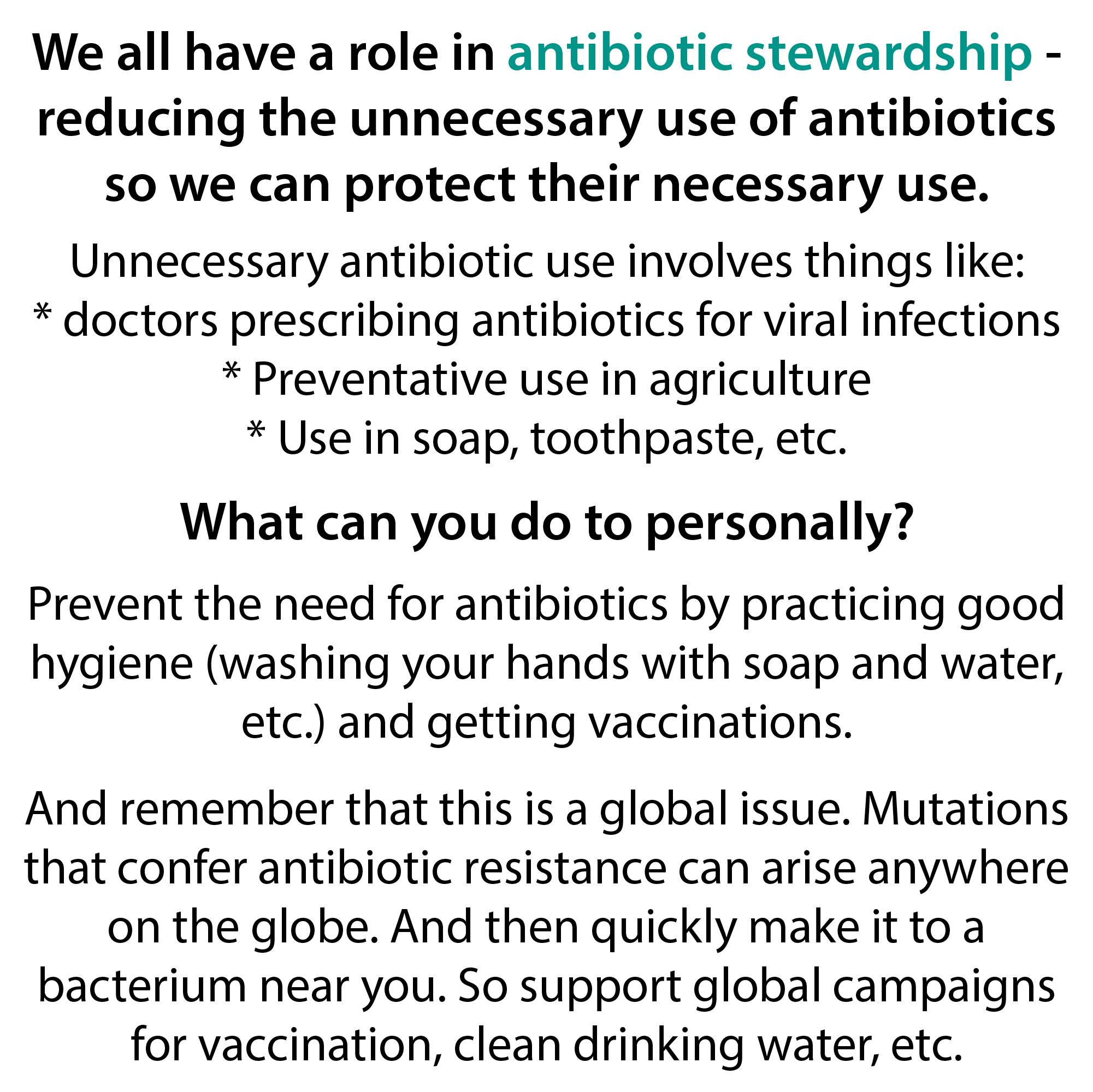
This is why it’s so important to practice good antibiotic “stewardship” – reduce the unnecessary use of antibiotics so we can protect their necessary use.
Unnecessary use involves things like:
- doctors prescribing antibiotics for viral infections
- Preventative use in agriculture
- Use in soap, toothpaste, etc.
In addition to reducing unnecessary use, we can reduce how much use is necessary. How? Prevention! And this is something everyone can do on a personal basis (as well as supporting larger sanitation efforts). Prevent the need for antibiotics by practicing good hygiene (washing your hands with soap and water, etc.) and getting vaccinations.
And remember that this is a global issue. Mutations that confer antibiotic resistance can arise anywhere on the globe. And then quickly make it to a bacterium near you. So support to lab global campaigns for vaccination, clean drinking water, etc.
Don’t know where to start? Who to turn to? You can turn to WHO!
Here’s the World Health Organization page on their world antimicrobial awareness week campaign https://www.who.int/campaigns/world-antimicrobial-awareness-week/2022
And here’s a link to their Antimicrobial Resistance Course Series: https://openwho.org/channels/amr
As for more details, of the journal articles & official reports ilk, here are a few great ones, including the ones I cited for the stats:
- Antimicrobial Resistance Collaborators (Murray et al.) (2022). Global burden of bacterial antimicrobial resistance in 2019: a systematic analysis. Lancet (London, England), 399(10325), 629–655. https://doi.org/10.1016/S0140-6736(21)02724-0
- CDC’s Antibiotic Resistance Threats Report, 2019 – HHS.gov https://www.hhs.gov/sites/default/files/michael-craig-cdc-talk-thursday-am-508.pdf
- COVID-19: U.S. Impact on Antimicrobial Resistance, Special Report 2022 https://www.cdc.gov/drugresistance/pdf/covid19-impact-report-508.pdf
- National Estimates of Healthcare Costs Associated With Multidrug-Resistant Bacterial Infections Among Hospitalized Patients in the United States. Nelson, R. E., Hatfield, K. M., Wolford, H., Samore, M. H., Scott, R. D., Reddy, S. C., Olubajo, B., Paul, P., Jernigan, J. A., & Baggs, J. (2021). Clinical infectious diseases : an official publication of the Infectious Diseases Society of America, 72(Suppl 1), S17–S26. https://doi.org/10.1093/cid/ciaa1581
- The overlooked pandemic of antimicrobial resistance. Laxminarayan R. (2022). Lancet (London, England), 399(10325), 606–607. https://doi.org/10.1016/S0140-6736(22)00087-3
- Bacterial Resistance to Antimicrobial Agents. Varela, M. F., Stephen, J., Lekshmi, M., Ojha, M., Wenzel, N., Sanford, L. M., Hernandez, A. J., Parvathi, A., & Kumar, S. H. (2021). Antibiotics (Basel, Switzerland), 10(5), 593. https://doi.org/10.3390/antibiotics10050593
- Development of Resistance to Antibiotics. In: Chemistry of Antibiotics and Related Drugs. Bhattacharjee, M.K. (2022). Springer, Cham. https://doi.org/10.1007/978-3-031-07582-7_2
If you want more on mechanisms, this is a really comprehensive review paper: Darby, E. M., Trampari, E., Siasat, P., Gaya, M. S., Alav, I., Webber, M. A., & Blair, J. M. A. (2022). Molecular mechanisms of antibiotic resistance revisited. Nature reviews. Microbiology, 10.1038/s41579-022-00820-y. Advance online publication. https://doi.org/10.1038/s41579-022-00820-y if that link doesn’t work, try: https://rdcu.be/c0htu
I also have really been enjoying this YouTube channel: The Global Antibiotic Research and Development Partnership (GARDP) – they do monthly webinars on various aspects of antibiotic development & they have some interesting ones. https://www.youtube.com/@GARDP
I also have been enjoying the “Editors in Conversation” podcast from ASM (the American Society for Microbiology). This episode in particular, “Phages as Therapeutic Tools Against Multidrug Resistant Bacteria“ was fascinating: https://podcasts.apple.com/us/podcast/editors-in-conversation/id1037423108?i=1000552980684
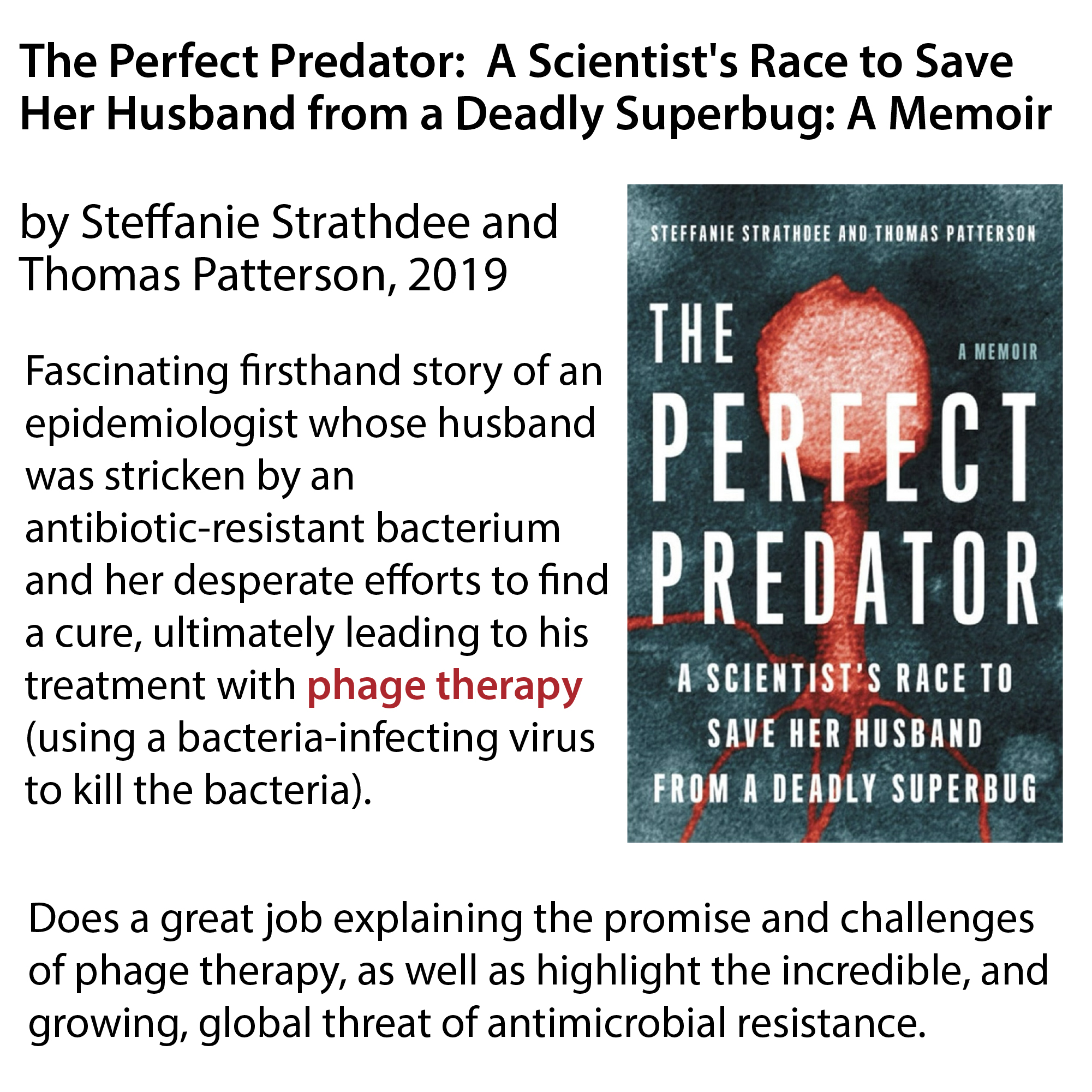
I highly recommend the book “The Perfect Predator: A Scientist’s Race to Save Her Husband from a Deadly Superbug: A Memoir” by Steffanie Strathdee and Thomas Patterson (2019). It’s a fascinating firsthand story of an epidemiologist whose husband was stricken by an antibiotic-resistant bacterium and her desperate efforts to find a cure, ultimately leading to his treatment with phage therapy. It does a great job explaining the promise and challenges of phage therapy, as well as highlight the incredible, and growing, global threat of AMR.
Related posts: