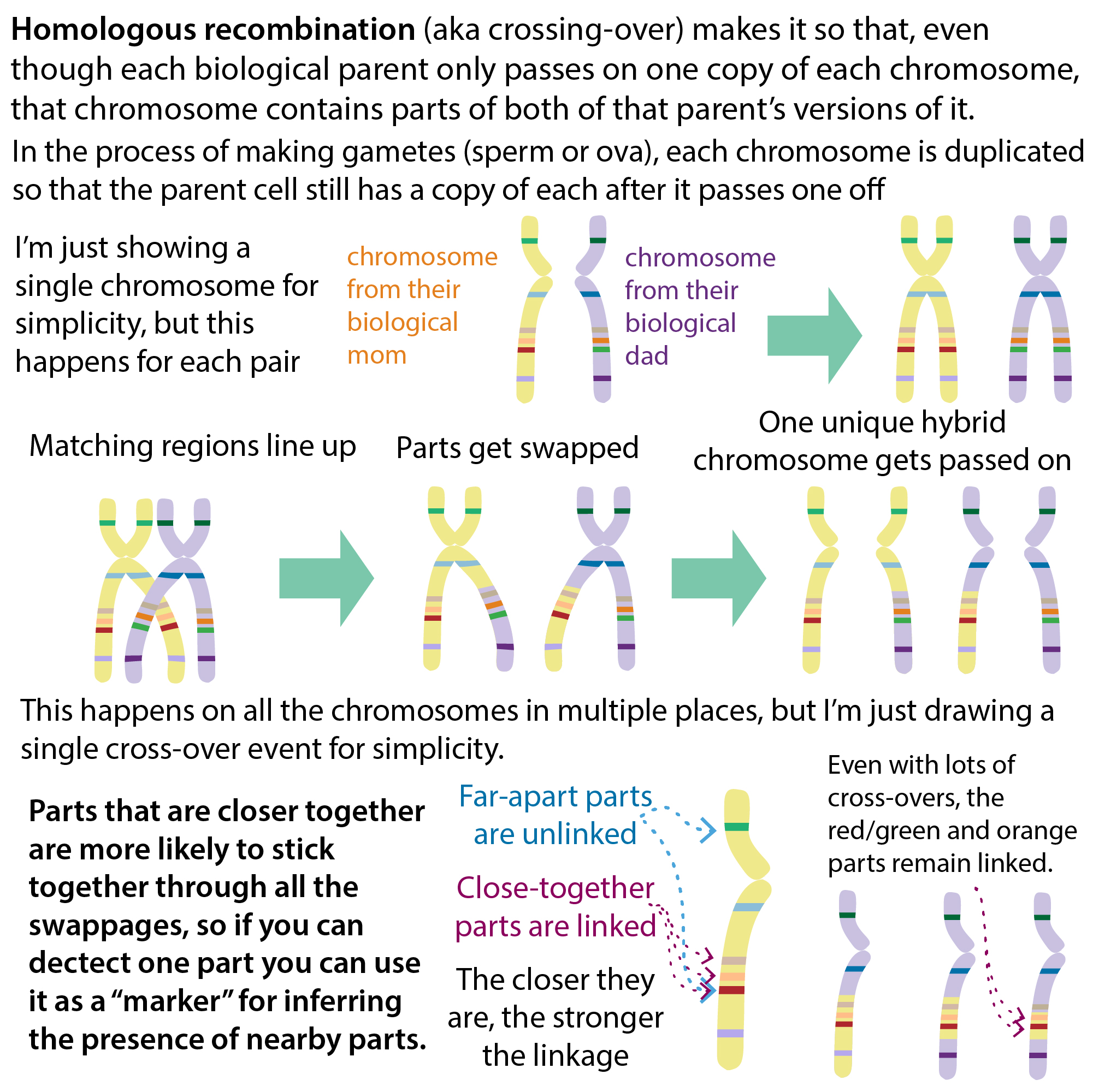
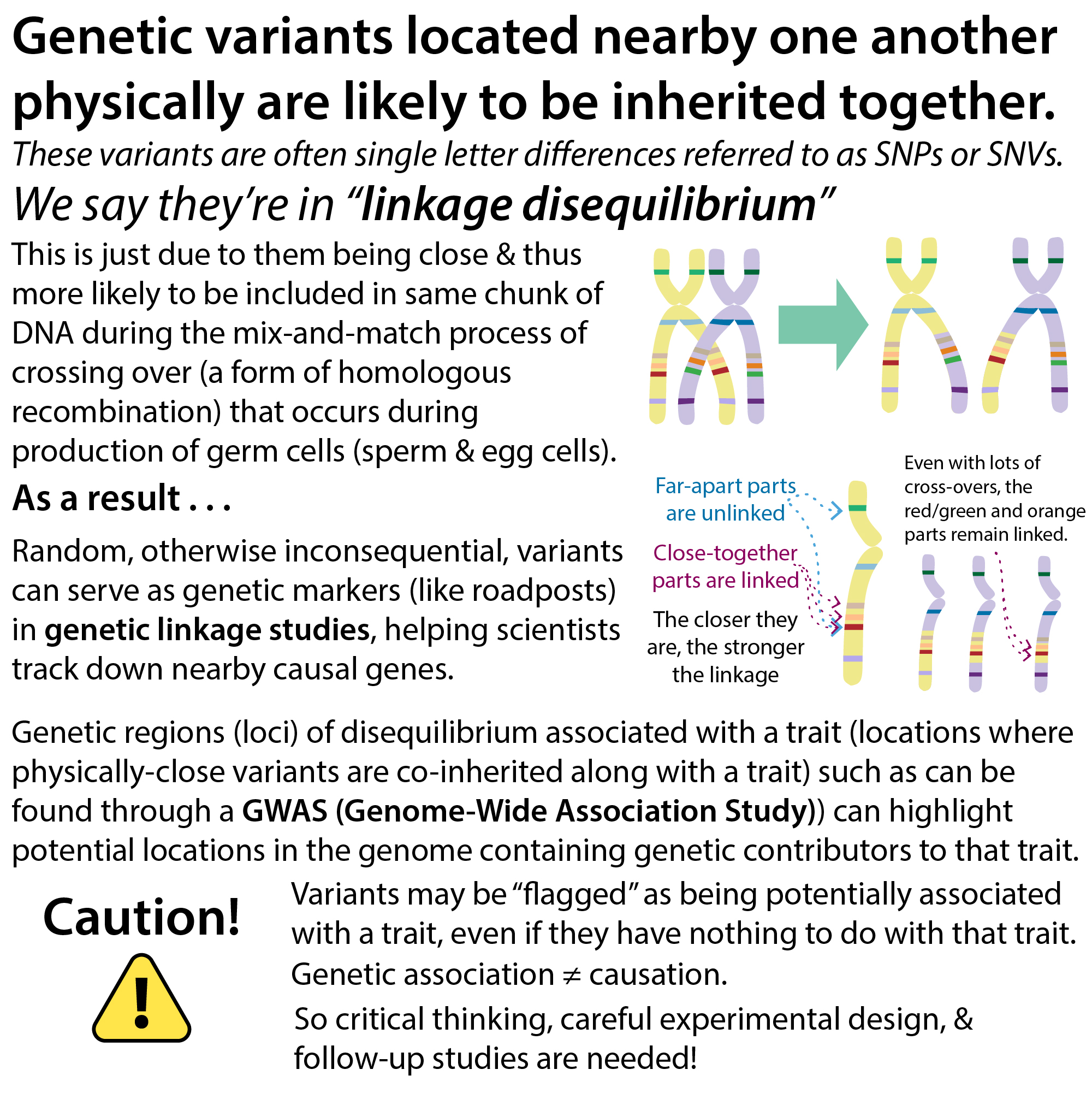
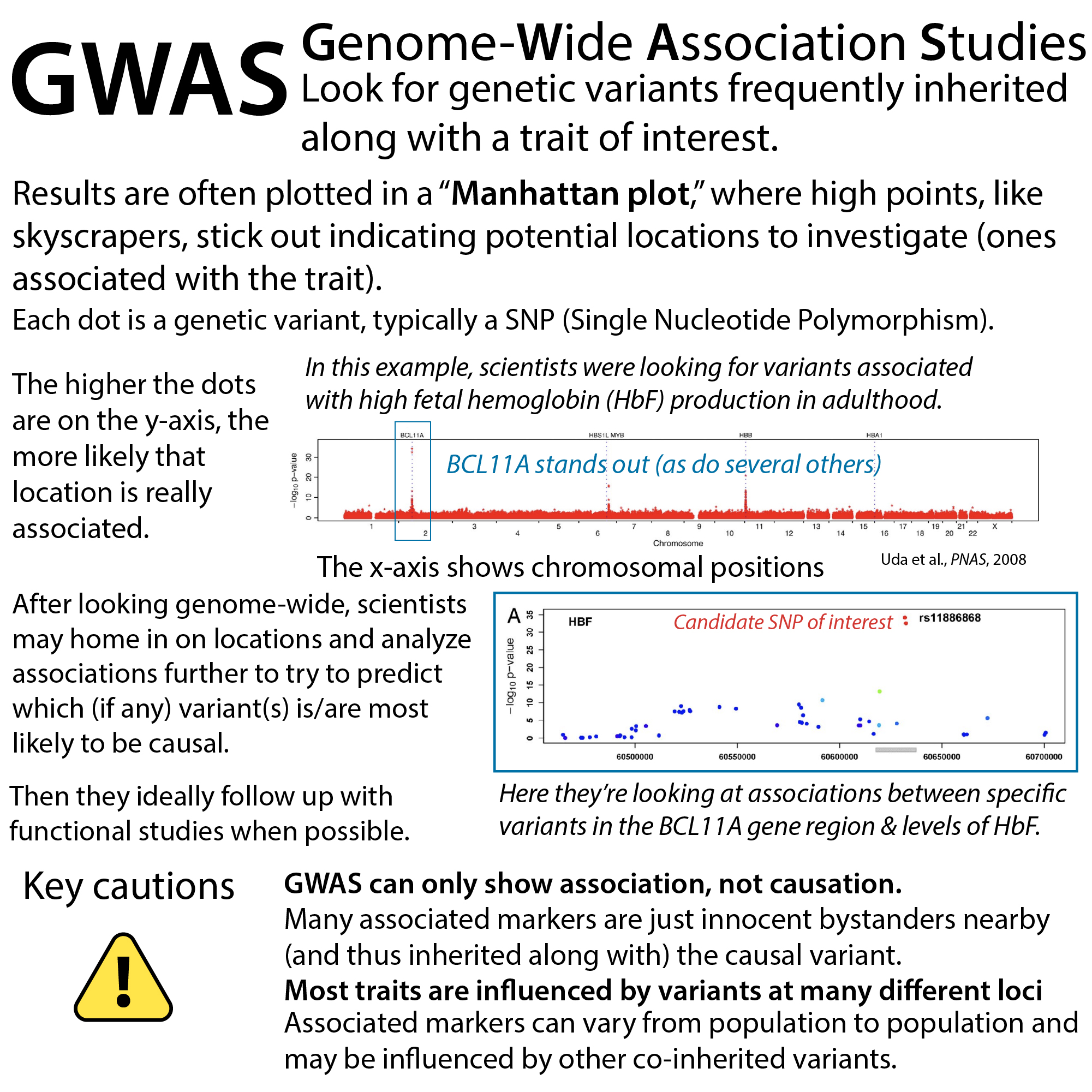
A genetic sleuthing method that looks at genetic markers (specific DNA sequences that tend to have variation) spanning the “entire” genome for a lot of people and looks to see if people with that condition/trait have markers in common. These markers typically don’t tell them what gene might be involved, but, since near-together genes are more likely to be inherited together, the markers serve as a “proxy” for nearby genes. So, if scientists find a “hit,” a shared marker, they can then look to the actual sequences to see if there are genes in the region which might help explain things, then investigate those genes more closely and look for mutations in those genes in affected people.
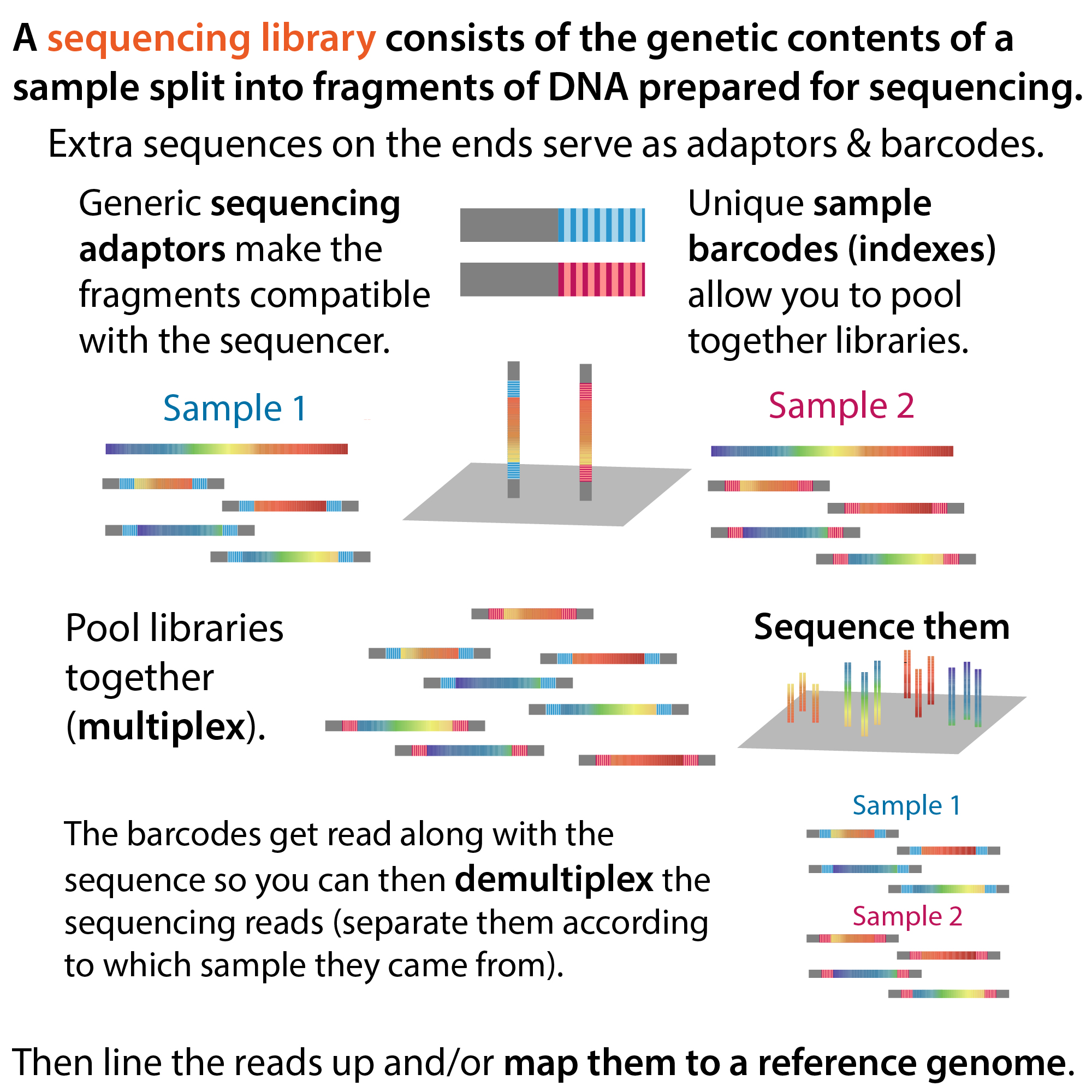
Typically, scientists used genetic markers in the form of RFLPs (restriction fragment length polymorphism) and/or PCR-based methods taking advantage of copy number variation. Today, they often use SNPs (Single Nucleotide Polymorphisms), such as through the use of “SNP chips” which are DNA sequencing tools that use special sequencing adapters bound to a chip to determine, at the same time (in parallel), the variant in a person’s DNA at each of LOTS of sites that tend to vary amongst people. Alternatively, whole genome sequencing (WGS) or whole exome sequencing (WES) can be used.
Associated posts:
- Book recommendations related to genetic/genomic mapping and/or testing
- Cystic fibrosis science: history, present, & future
- Forward vs reverse genetics, phenotype & genotype
- Biopharmaceutical sciences
- GWAS (Genome-Wide Association Study)