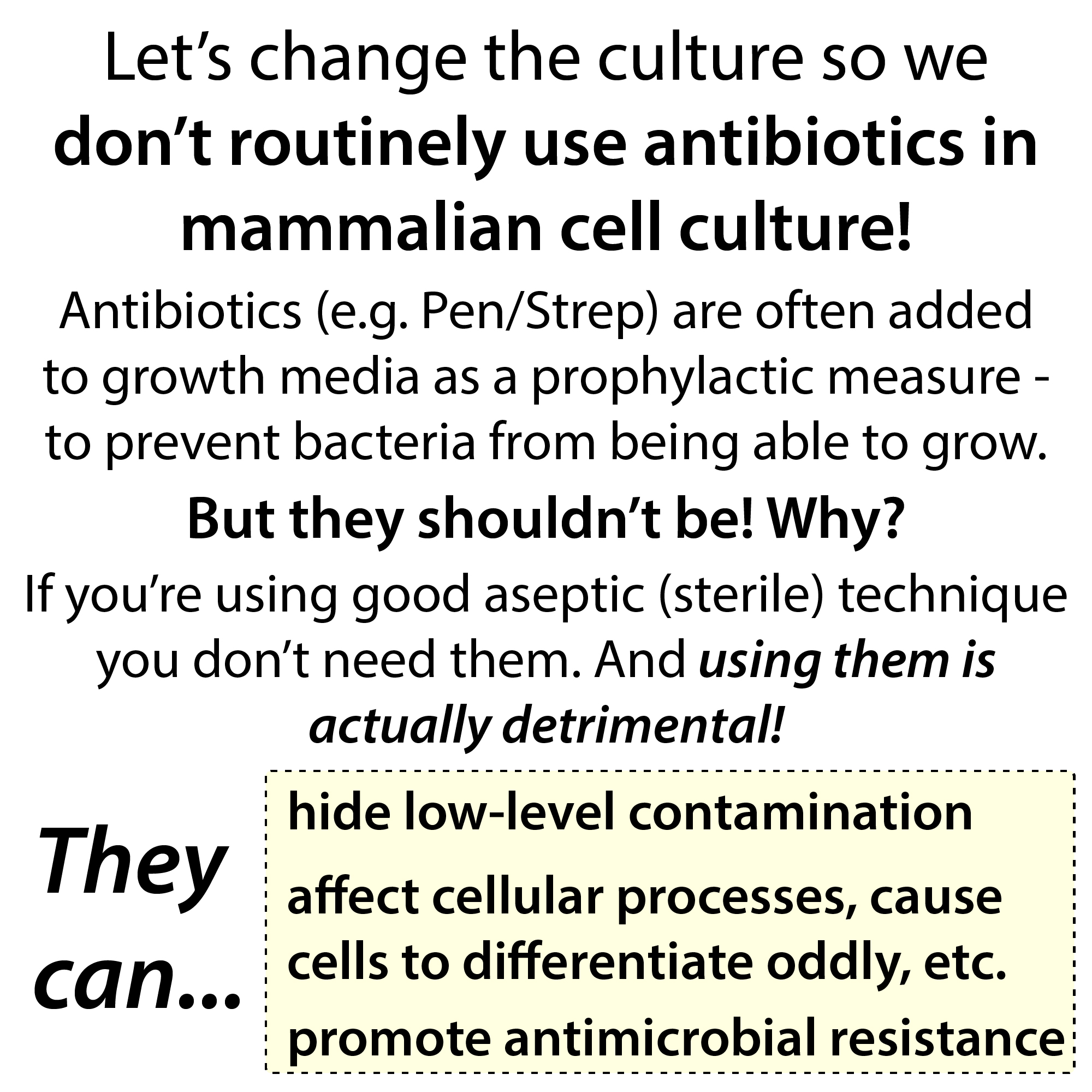
A lot of people routinely add antibiotics to their mammalian cell culture media. But you really shouldn’t. Not only is it unnecessary (if you’re practicing good sterile techniques) but it’s actually harmful! It can mess up your experiments and promote the rise of antibiotic resistance. Let me explain…
link to video in case embed isn’t working: https://youtu.be/Y3hb64vFvxk
When we grow bacteria on purpose we pretty much always add antibiotics – because we’re trying to select for specific bacteria (only allow to grow bacteria that contain an antibiotic resistance gene we’ve stuck in the along with whatever else we want them to make).
But when we do mammalian cell culture on cells we haven’t stuck anything into, antibiotics won’t select for anything. They’ll just kill (most) bacteria. So they’re often added “prophylactically” (to prevent bacteria from growing).
People typically do this under the assumption that it won’t have any effect if there’s no bacteria present so “better safe than sorry” – but you’re not safe with them either! The threats are just different (for the most part – there are also threats from resistant bacteria you have to worry about in either case).
What are these threats?
- You may get sloppy with your technique because you have a false sense of security thinking if you slip up a little no biggie since the antibiotics can take care of it
- Low-level contamination may be masked so you keep growing contaminated media which is bad for your cells and for others in the lab you’re putting at risk if you and they aren’t careful
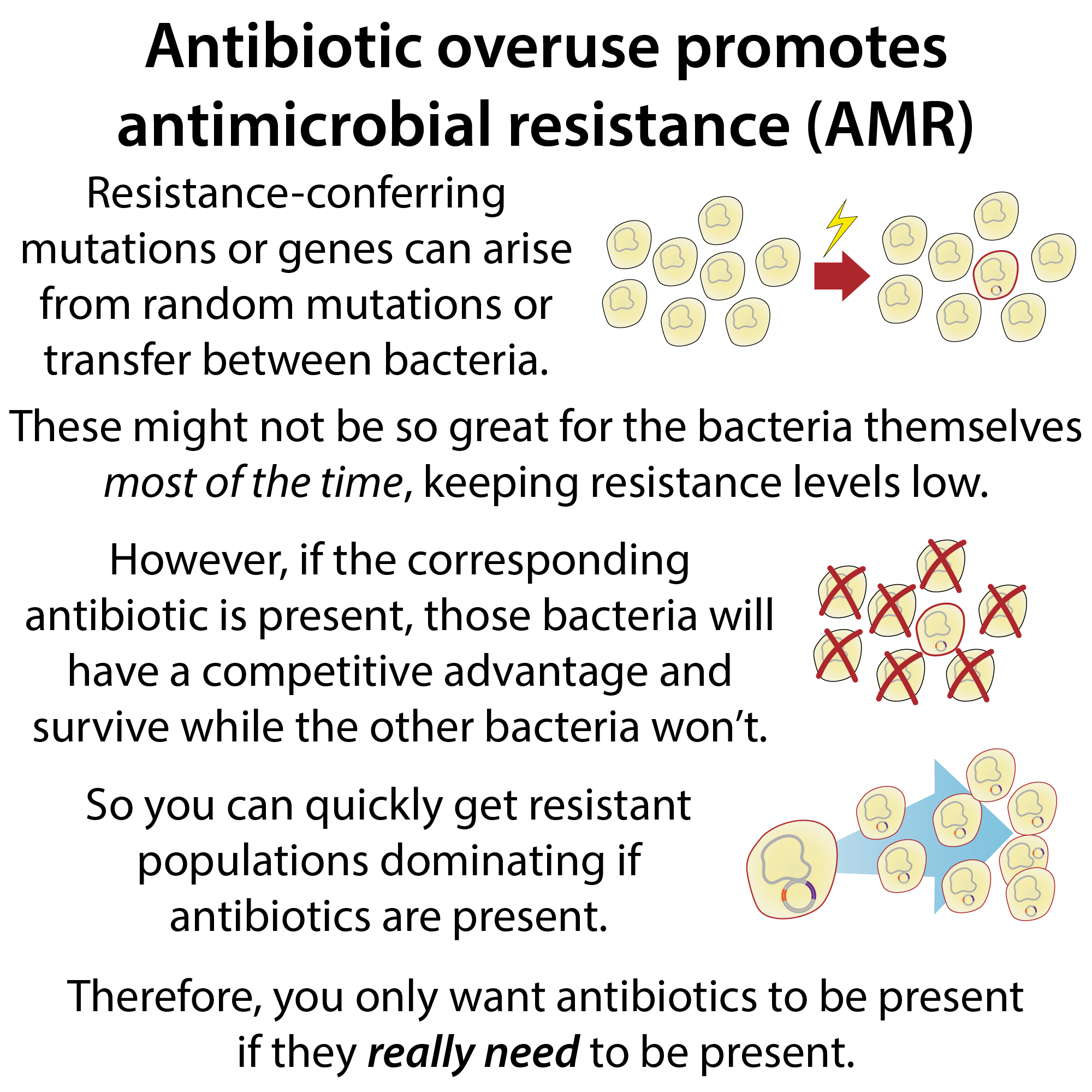
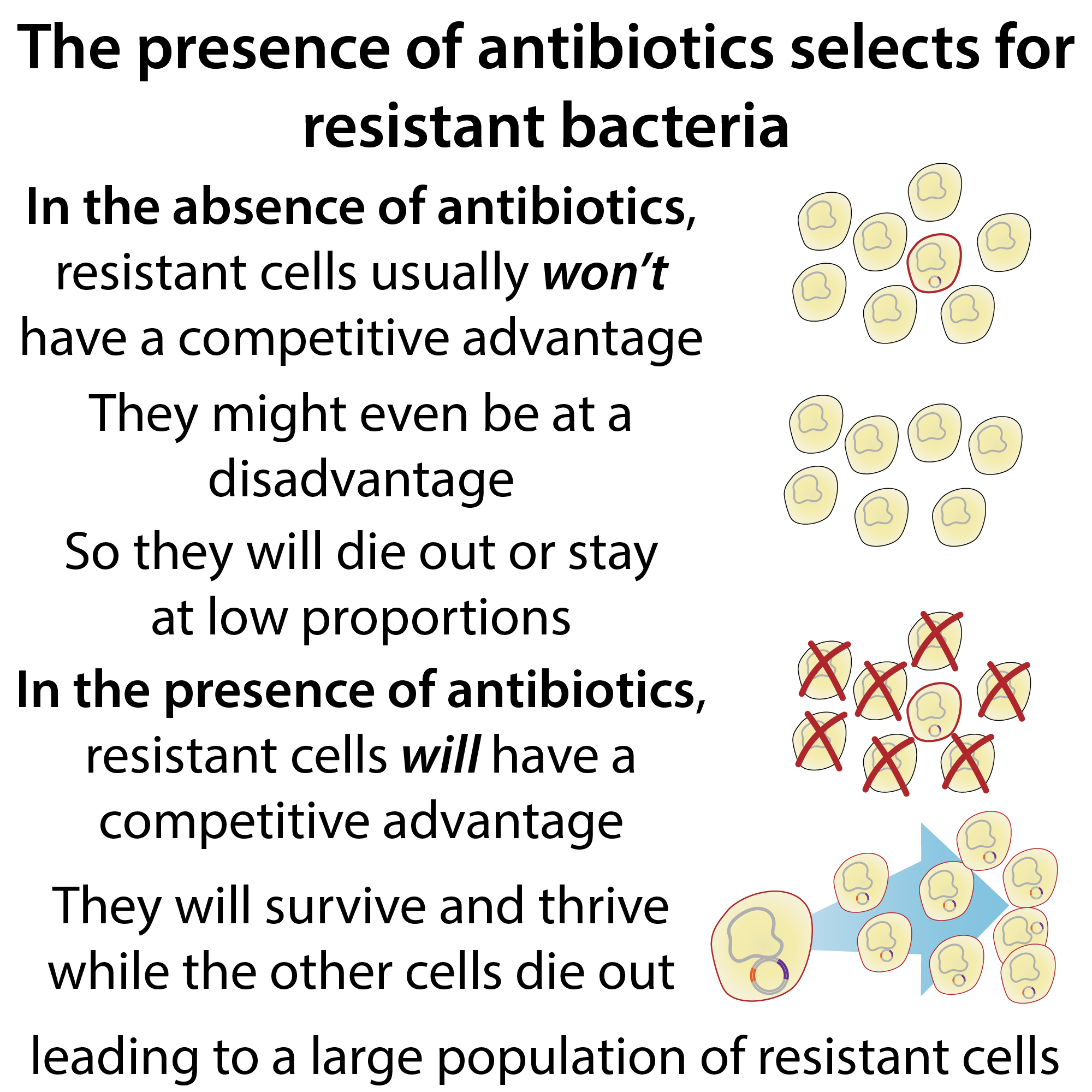
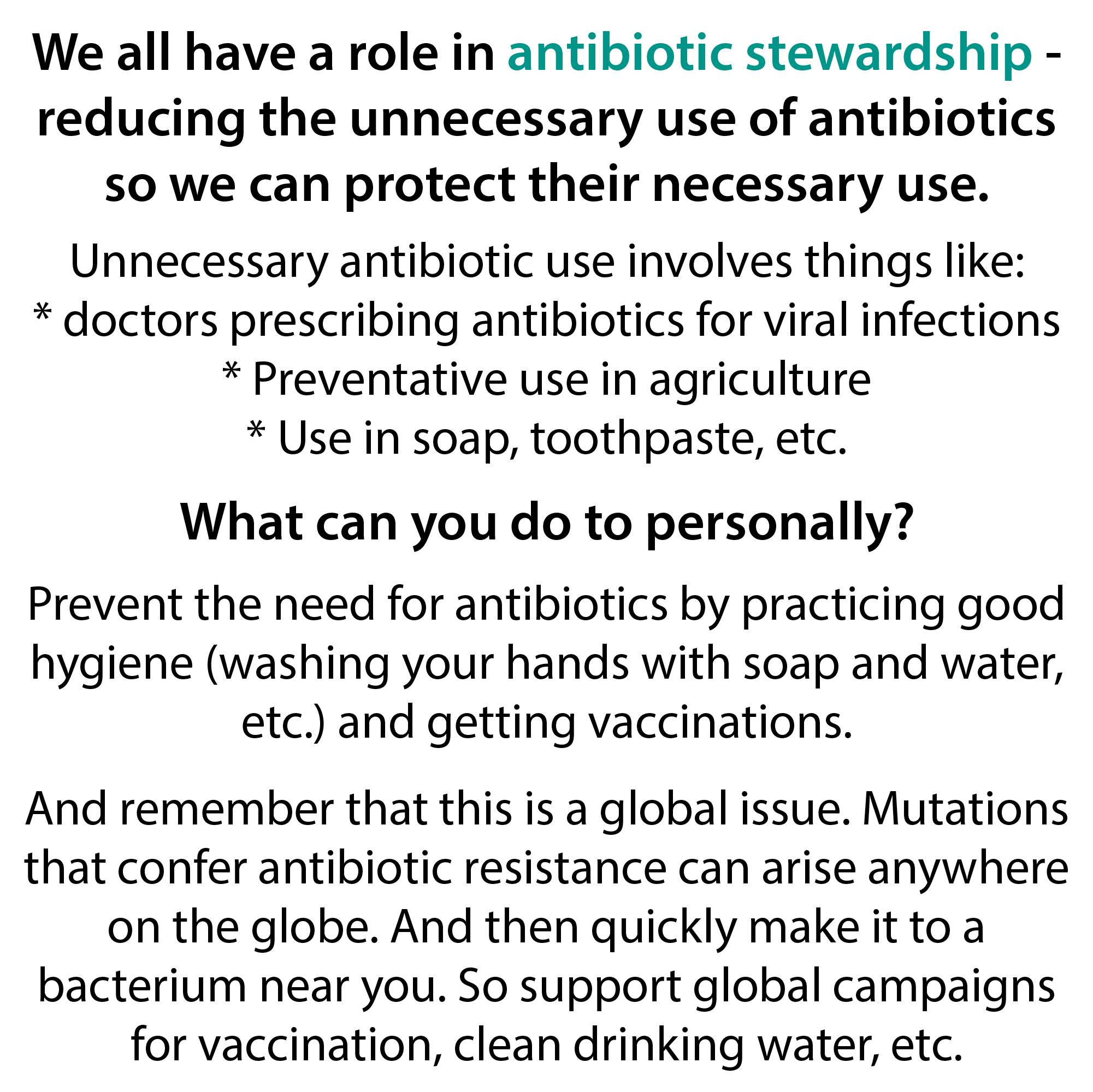
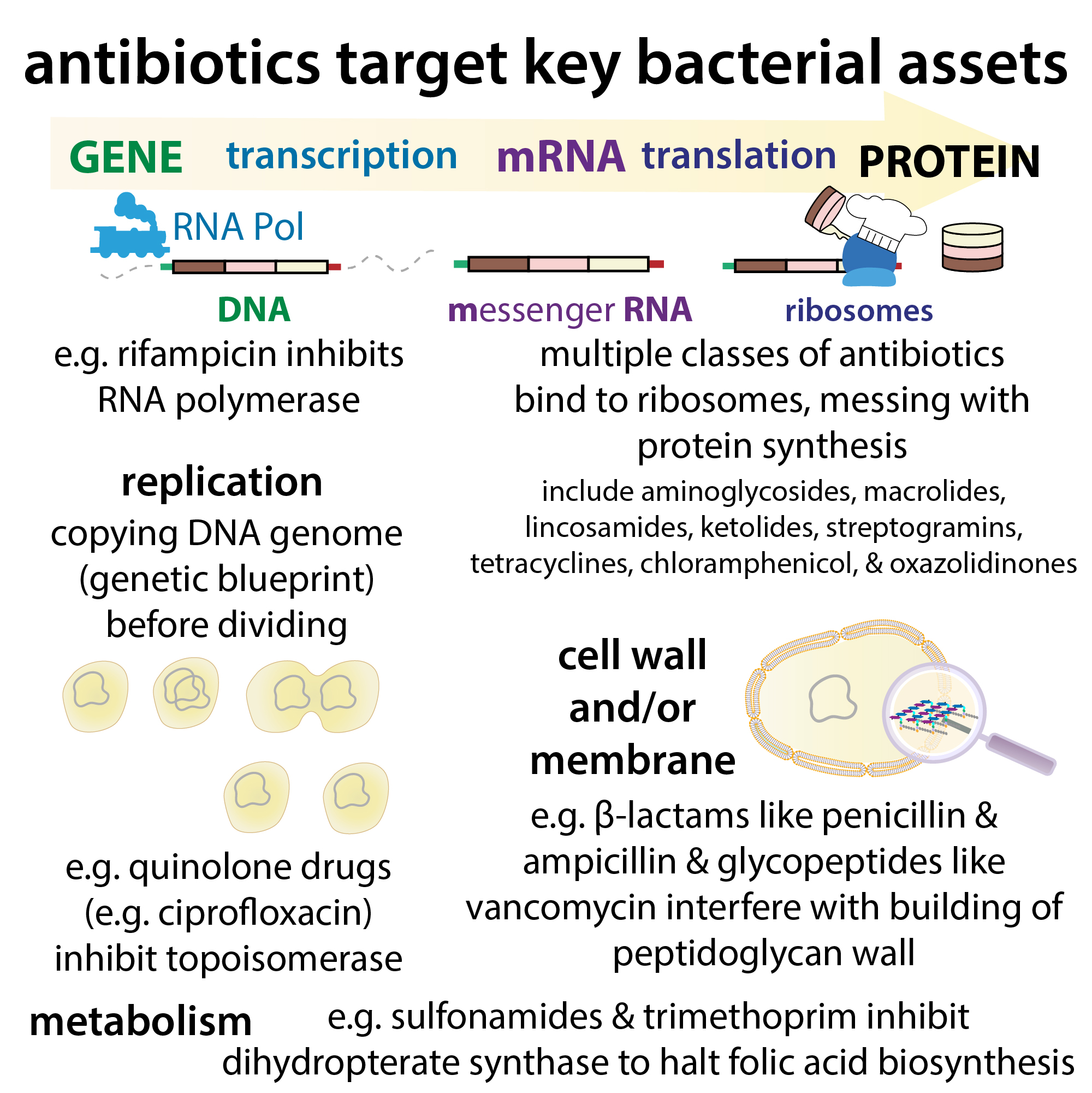
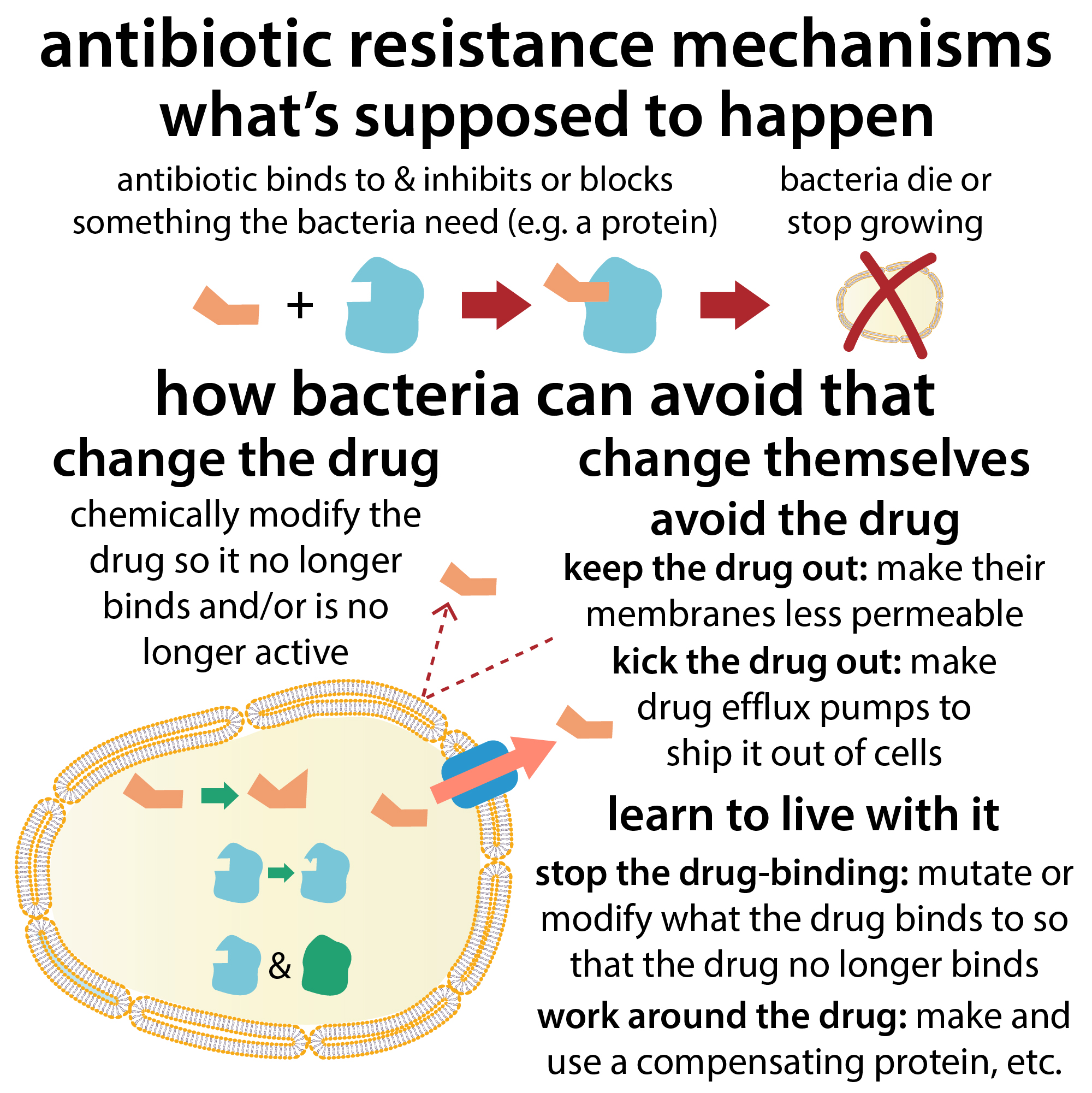
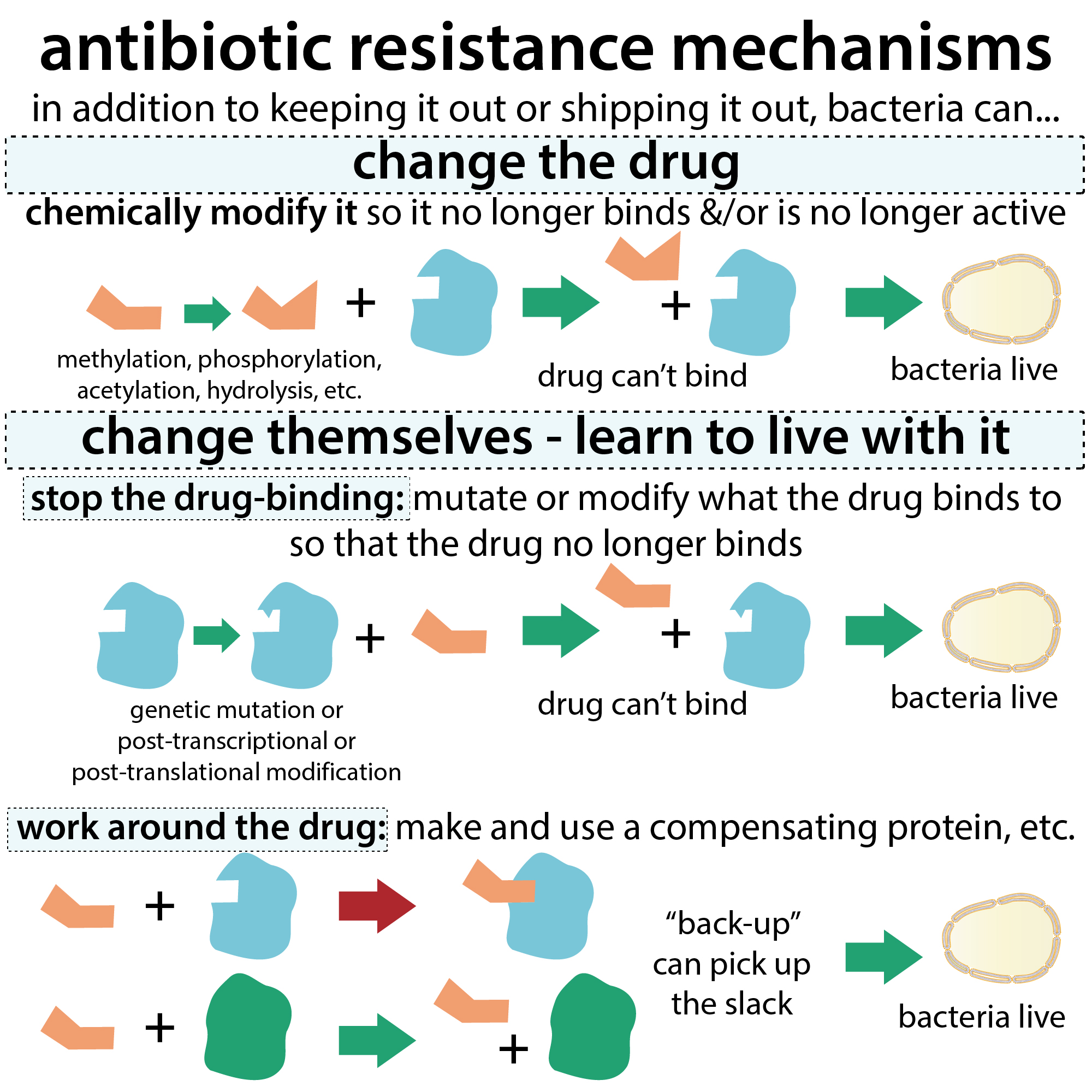
- The presence of antibiotics gives a growth advantage to bacteria that have some resistance. And when you treat with antibiotics for an extended period of time you’re giving those bacteria lots and lots of opportunities to evolve (through random mutation followed by natural selection) to be even more resistant. Antimicrobial resistance (AMR) is already a huge global problem – so let’s not make it worse!!!
- The commonly-used antibiotics aren’t even effective against some of the microbes that commonly infect cells (e.g. mycoplasma which are super hard to detect)
- Antibiotics can affect gene expression (what proteins are getting made when), proliferation (how fast cells grow), and differentiation (how cells “grow up” to become more specialized). Remember, antibiotics have side effects in people, so why wouldn’t they also have side effects in people’s cells?!
- Those changes to the cell can mask or muddle true experimental results and make it difficult to compare between studies.
Antibiotics aren’t always bad though…
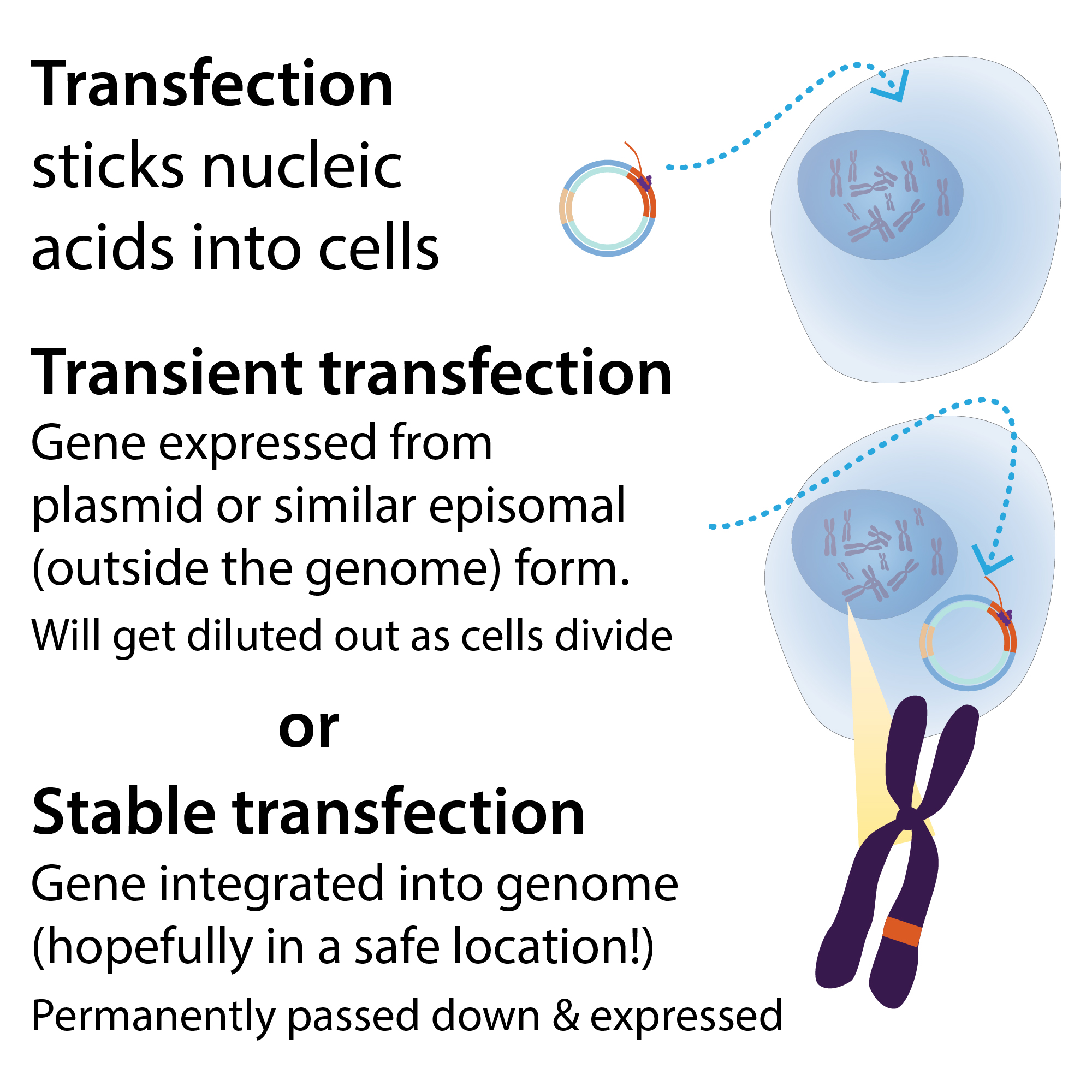
Sometimes we actually need to use them – for selection of cells, not bacteria. In principle it’s just like with in bacteria but in this case we’ve stuck the resistance gene into cells. This can be used to select for cells that have stably integrated DNA you put in them (transfected).
Other times we may want to use them to induce expression “on demand” such as with Tet-inducible systems. A common example of this is the Tet-ON system where you place a binding site for a text repressive protein in front of a gene of interest. In the absence of a tetracycline antibiotic such as doxycycline, the tet repressor will bind there and prevent transcription. But when one of those antibiotics is present it will bind the repressor & cause it to fall off, allowing for transcription and subsequent translation.
Other times we need to use them to try to treat contaminated cells & rescue them.
Sometimes antibiotics are used briefly when starting a new cell line (for example, you might put them in the PBS you use to wash a tissue) to nip any problems in the bud.
And other times the risks of losing a precious cell line are so high that the risks of prophylactic use are worth it.
If at all possible, if you need to use antibiotics prophylactically, split the plates, keep a culture with antibiotics just in case and grow the rest without it for a couple passages or at least media changes before using for an experiment.
For more information:
- Hassan, S. N., & Ahmad, F. (2020). The relevance of antibiotic supplements in mammalian cell cultures: Towards a paradigm shift. Gülhane Tip Dergisi, 62(4), 224-230. doi:https://doi.org/10.4274/gulhane.galenos.2020.871
- Ryu, A.H., Eckalbar, W.L., Kreimer, A. et al. Use antibiotics in cell culture with caution: genome-wide identification of antibiotic-induced changes in gene expression and regulation. Sci Rep 7, 7533 (2017). https://doi.org/10.1038/s41598-017-07757-w
- Eppendorf, Contamination in Cell Culture, https://handling-solutions.eppendorf.com/cell-handling/contamination/introduction/
- addgene, Tetracycline (Tet) Inducible Expression https://www.addgene.org/collections/tetracycline/
More on antibiotics as selectable markers: blog form: https://bit.ly/antibioticselections ; YouTube: https://youtu.be/dEWwqoEQjkY
More on antimicrobial resistance: blog form: https://bit.ly/antibiotic_resistance_mech ; YouTube: https://youtu.be/ueP_9Vj-Q0k
more on mammalian cell culture media: https://bit.ly/cell_culture_media & https://youtu.be/8GKN60J9mC4
More posts on mammalian cell culture: https://bit.ly/cell_culture
More videos on mammalian cell culture: https://www.youtube.com/playlist?list=PLUWsCDtjESrH_qWp2oWcVMH9DLlZreX92