Metabolism is like a complex subway system – Pathways for making (and breaking) diverse molecules are richly interconnected, with shared intermediates allowing for “transfers.” Just like you want your subway system to be highly regulated so that you meet demand, make efficient use of your tracks, and avoid crashes, you need your metabolic “pathways” to be highly regulated. And there’s lots of logic to their regulation…
YouTube: https://youtu.be/PfQe39C4HPo & https://youtu.be/3rS5cp1d-aQ
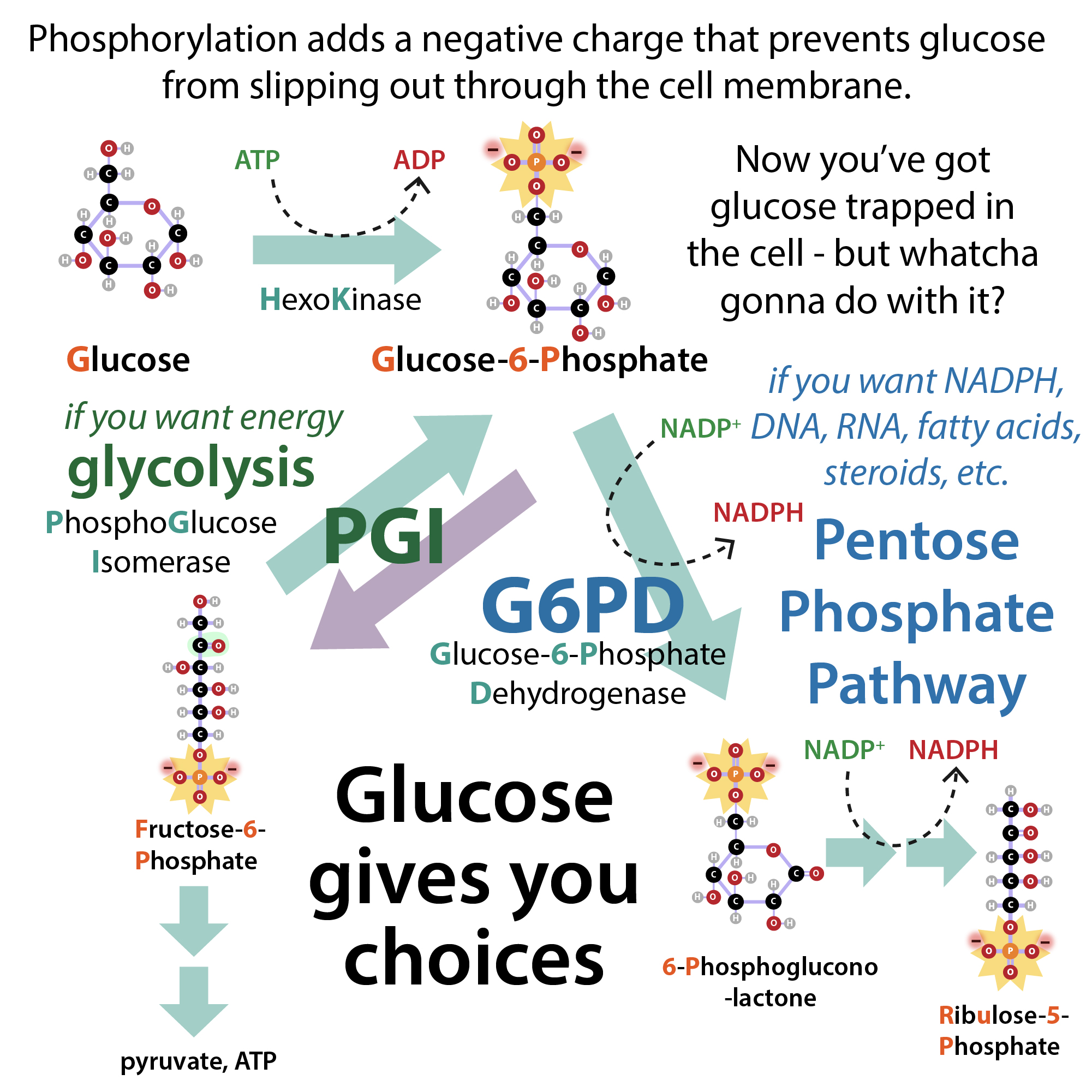
You can technically pretty much get anywhere from anywhere, but it might not be efficient, and it could be expensive. – Because biochemical compounds are mostly made
up of the same elements, there usually exists some path (or paths) to build any one molecule from the parts of any other molecule.
And not all routes are accessible from every station. – Some metabolic machinery is only made in certain locations and/or at specific times.
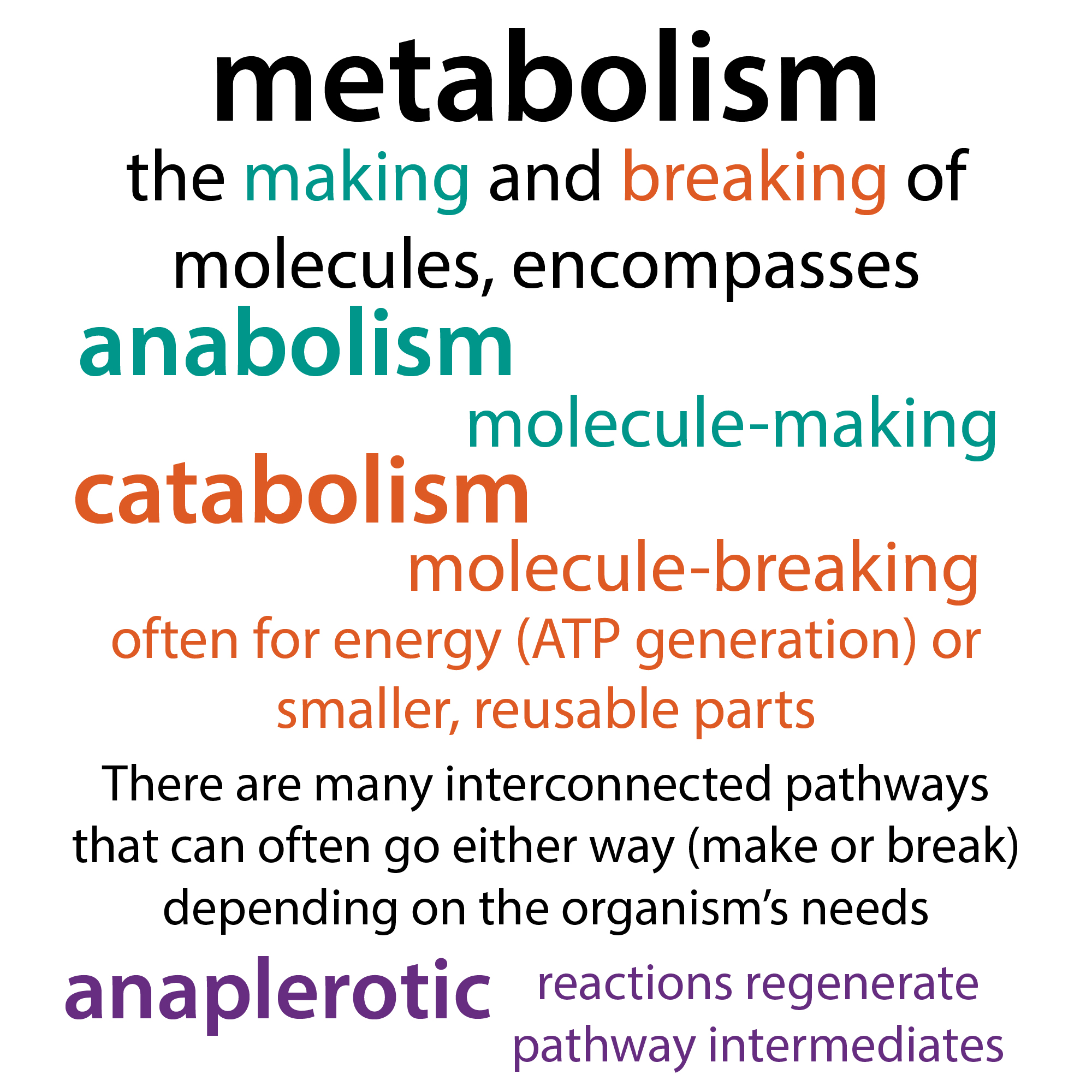
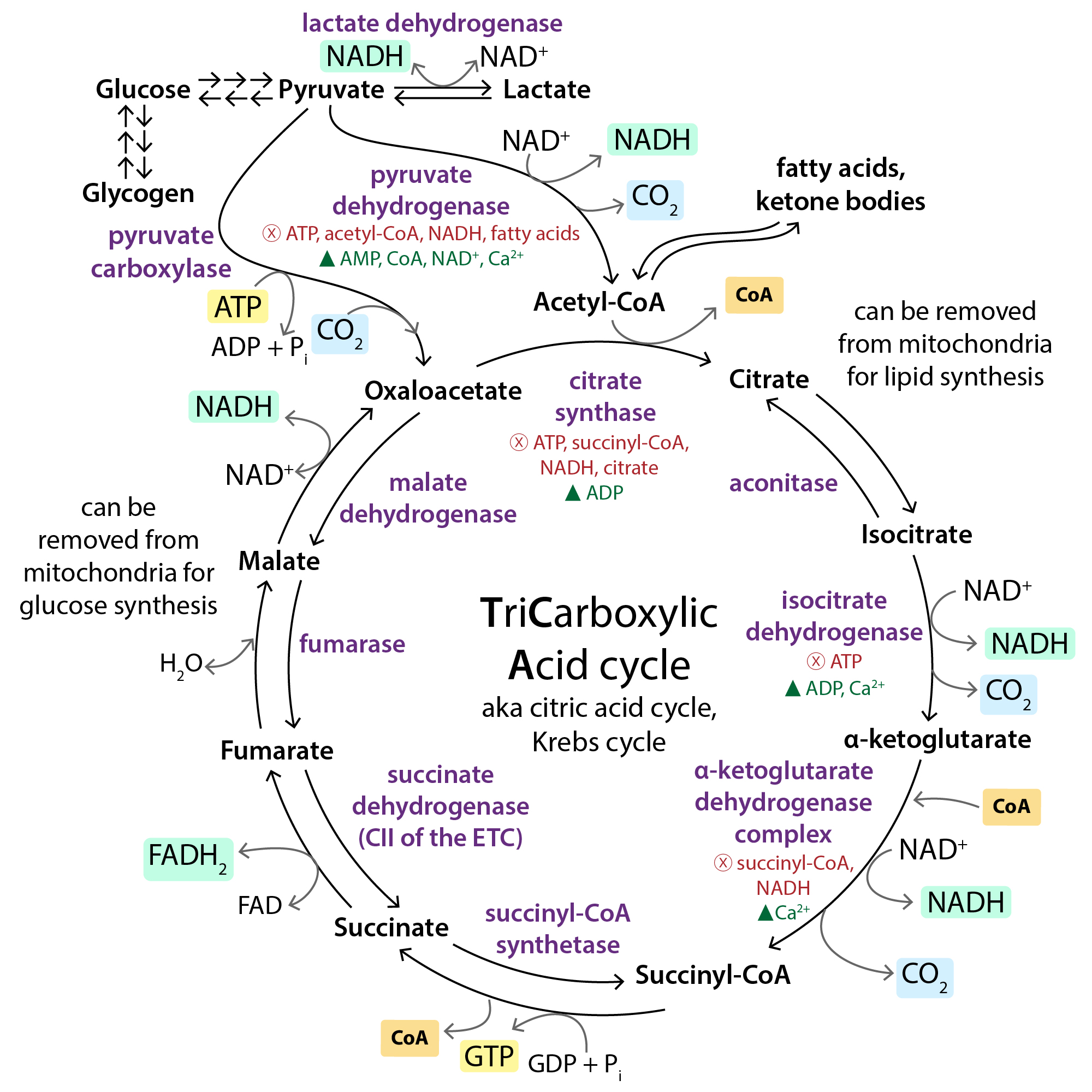
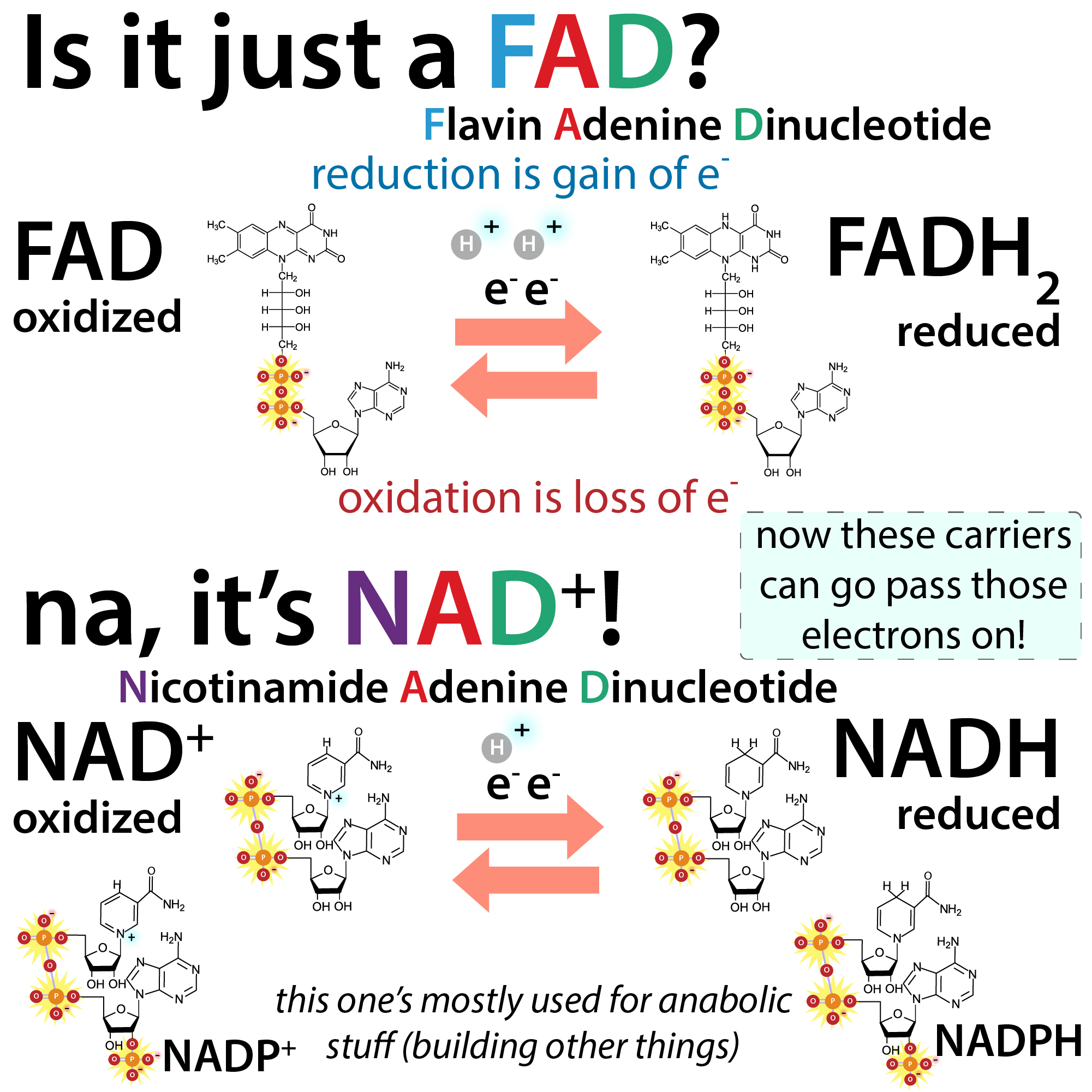
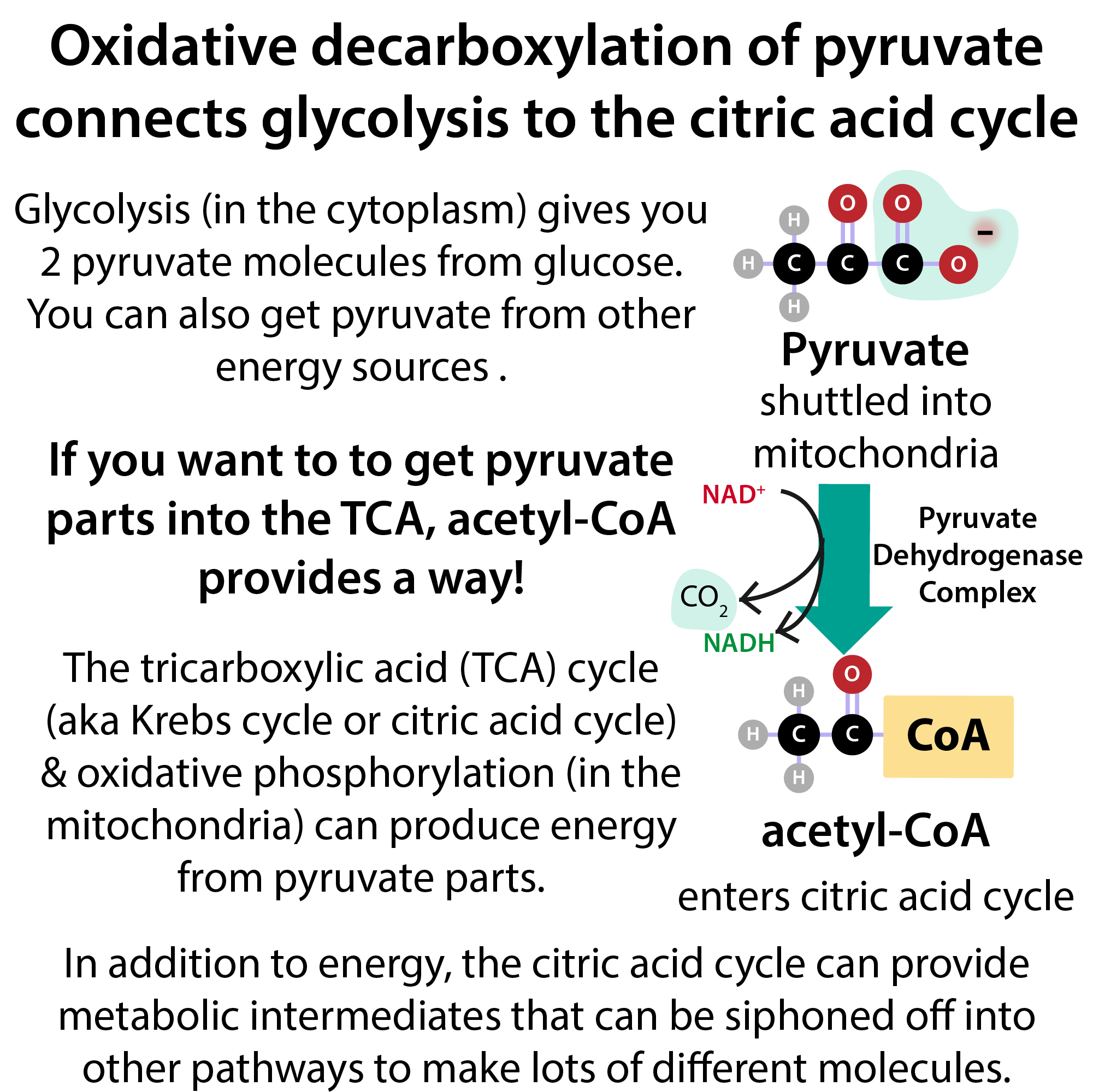
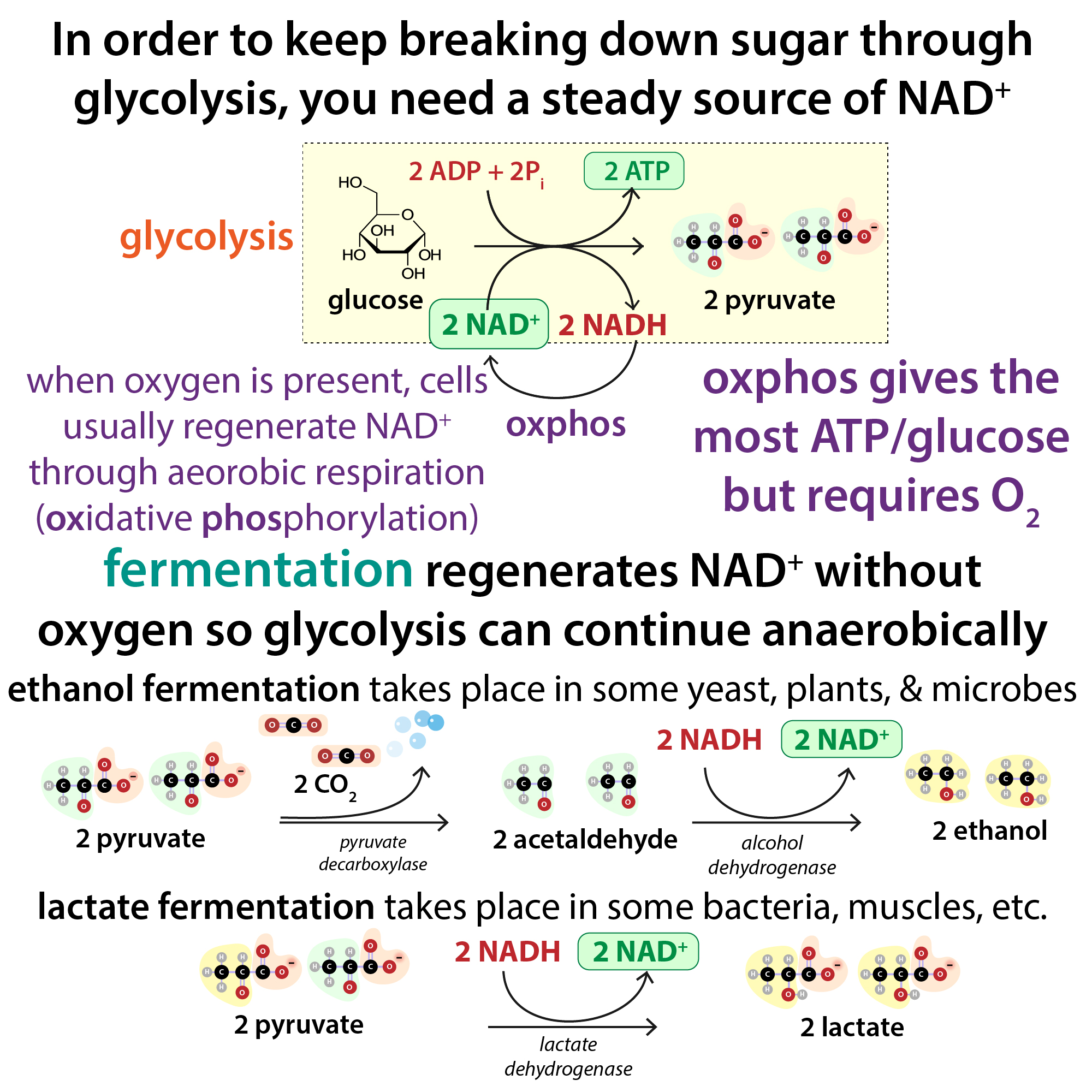
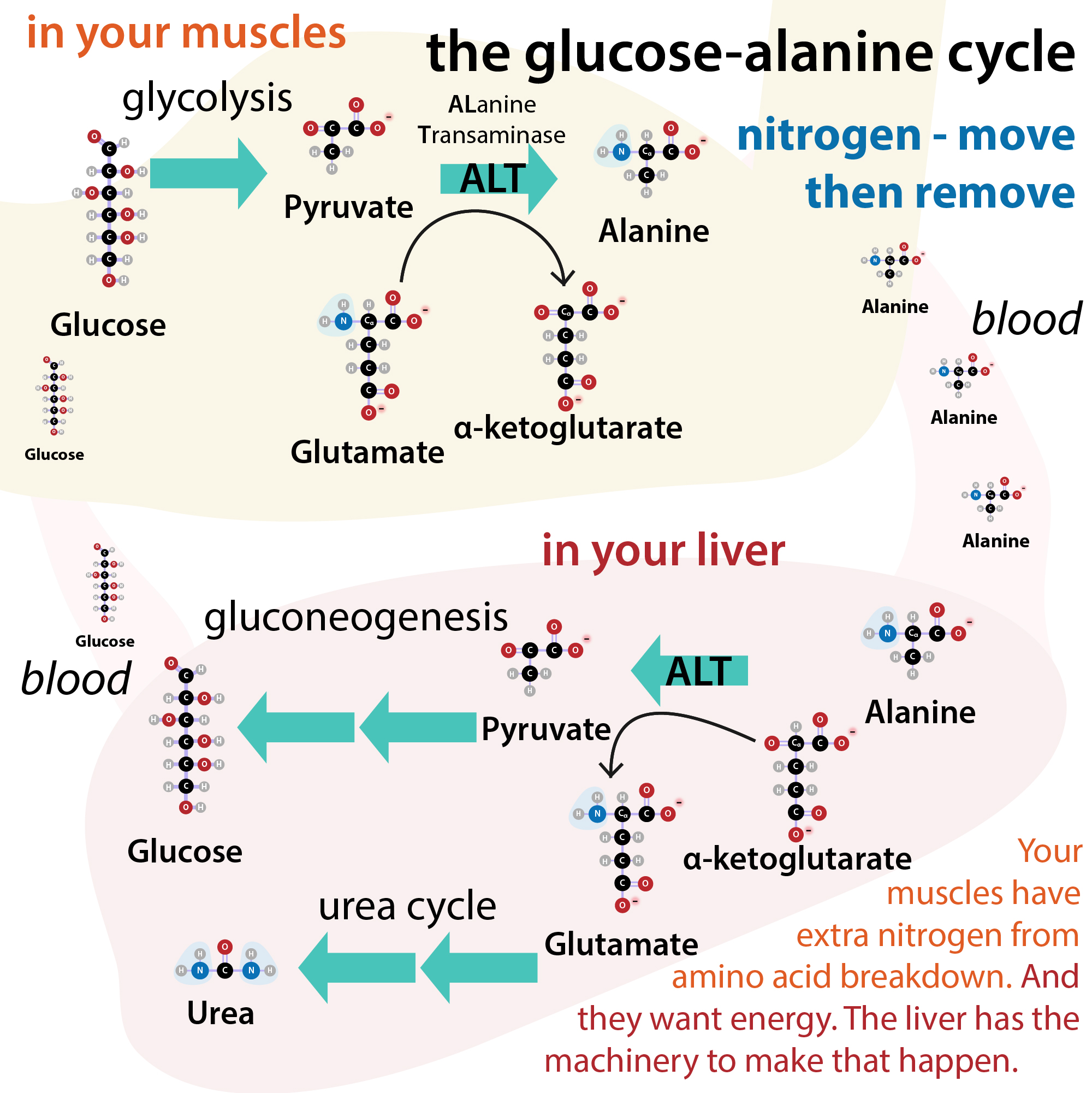
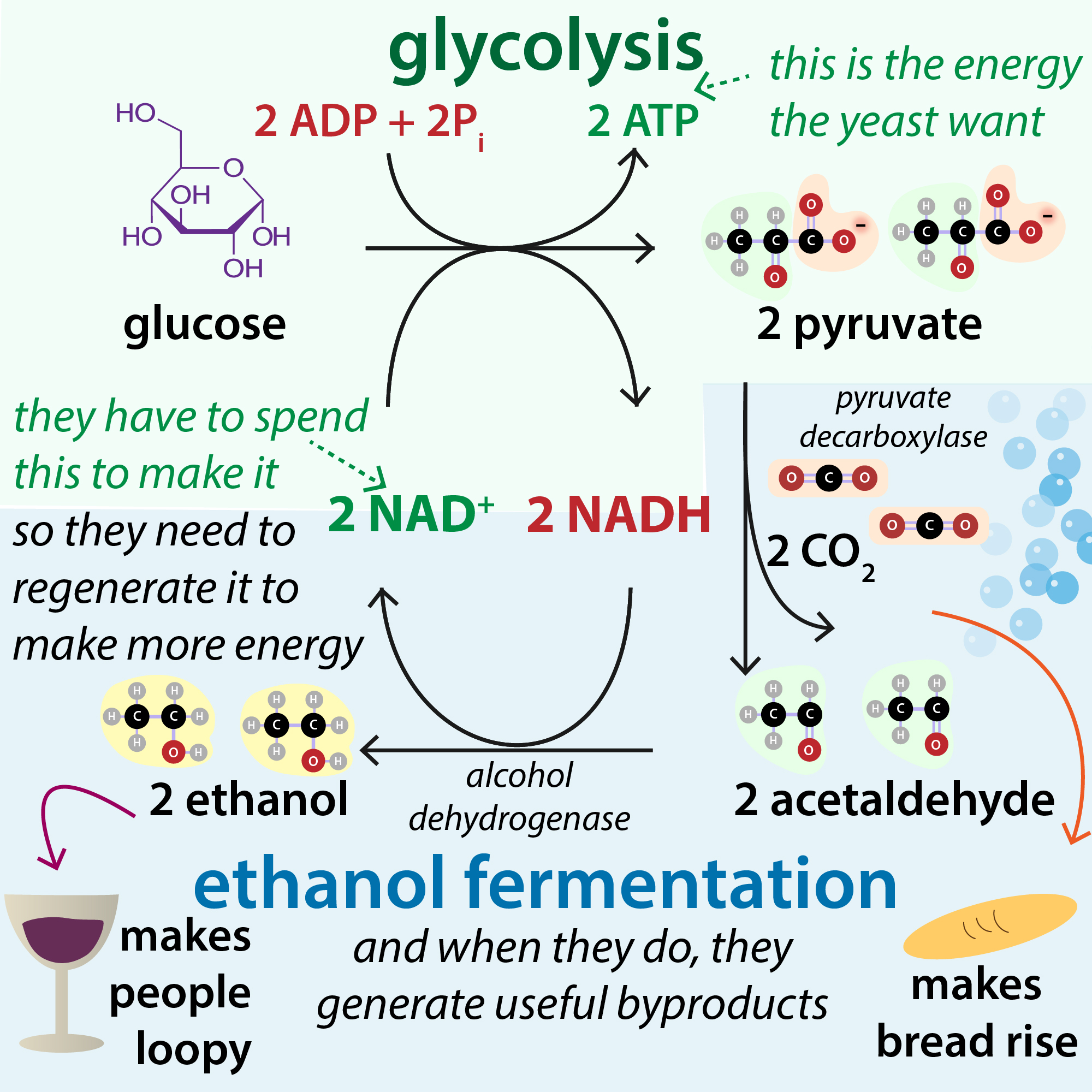
Metabolism encompasses the making and breaking of molecules (anabolism and catabolism, respectively). There are many interconnected “pathways” that can often go either way (make or break down for energy and/or parts) depending on the organism’s needs. And to keep these pathways going, anaplerotic reactions are used to regenerate pathway intermediates that get taken out. The regulation can get really complex, there are common regulatory logic strategies at play in the regulation of all sorts of different paths.
Just like there are a few central hubs of subway systems where the most control occurs, there are key places in metabolic pathways where the most regulation occurs and ways in which the regulation occurs on short timescales (via enzymatic covalent modification (e.g. phosphorylation) or allosteric regulation) and long timescales (via changes in transcription). This regulation can be conveyed in response to local needs via allosteric regulation by pathway intermediates or by global needs via hormones. The basic principles are:
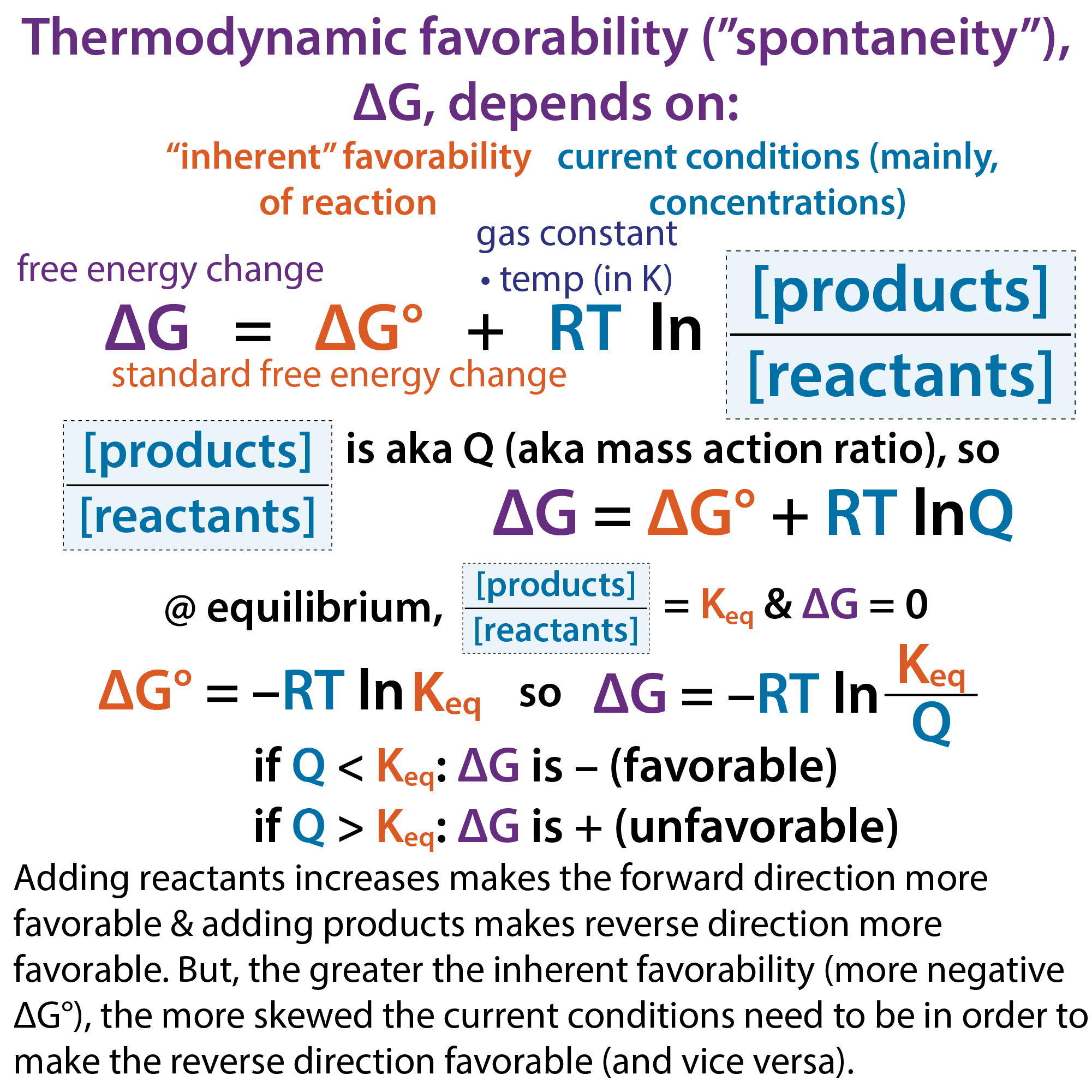
Regulate far-from-equilibrium steps (hard to go back from!)
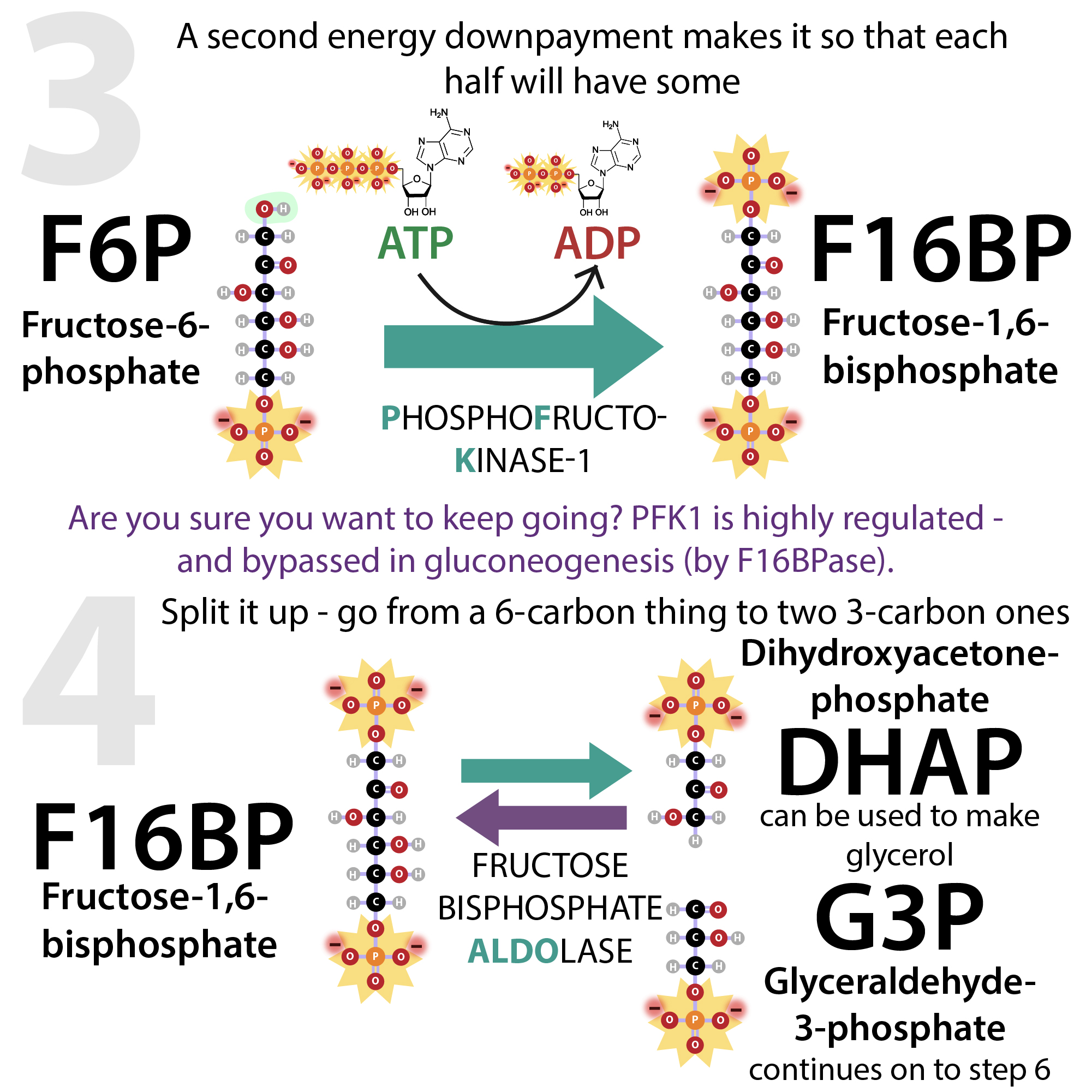
Regulate “committed” steps – entry into specific pathways
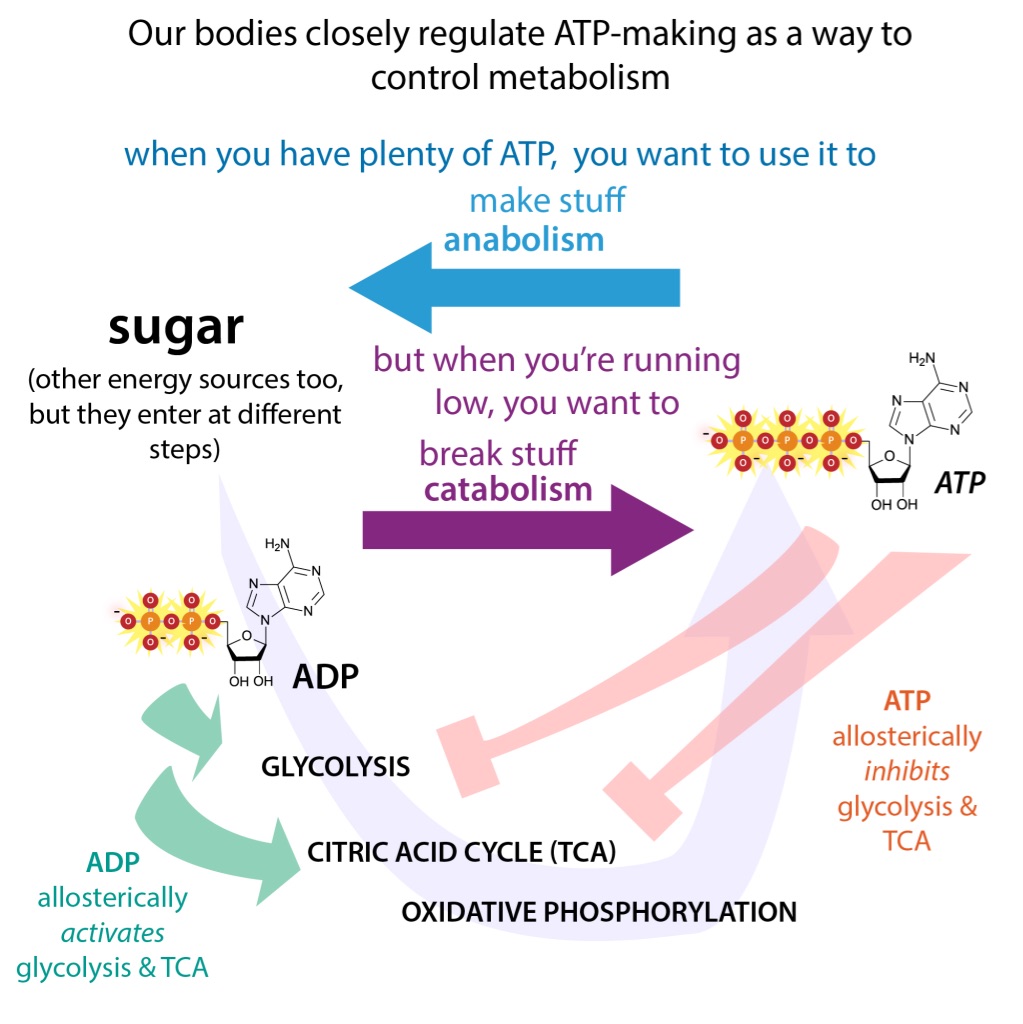
Allosterically regulate enzymes based on supply & demand
Negative allosteric modulation from products and downstream intermediates (negative feedback decreases supply to balance demand)
Positive allosteric modulation from upstream intermediates (positive feed-forward increases supply to meet demand)
Integrate signals from alternative pathways
Reciprocally regulate opposing pathways
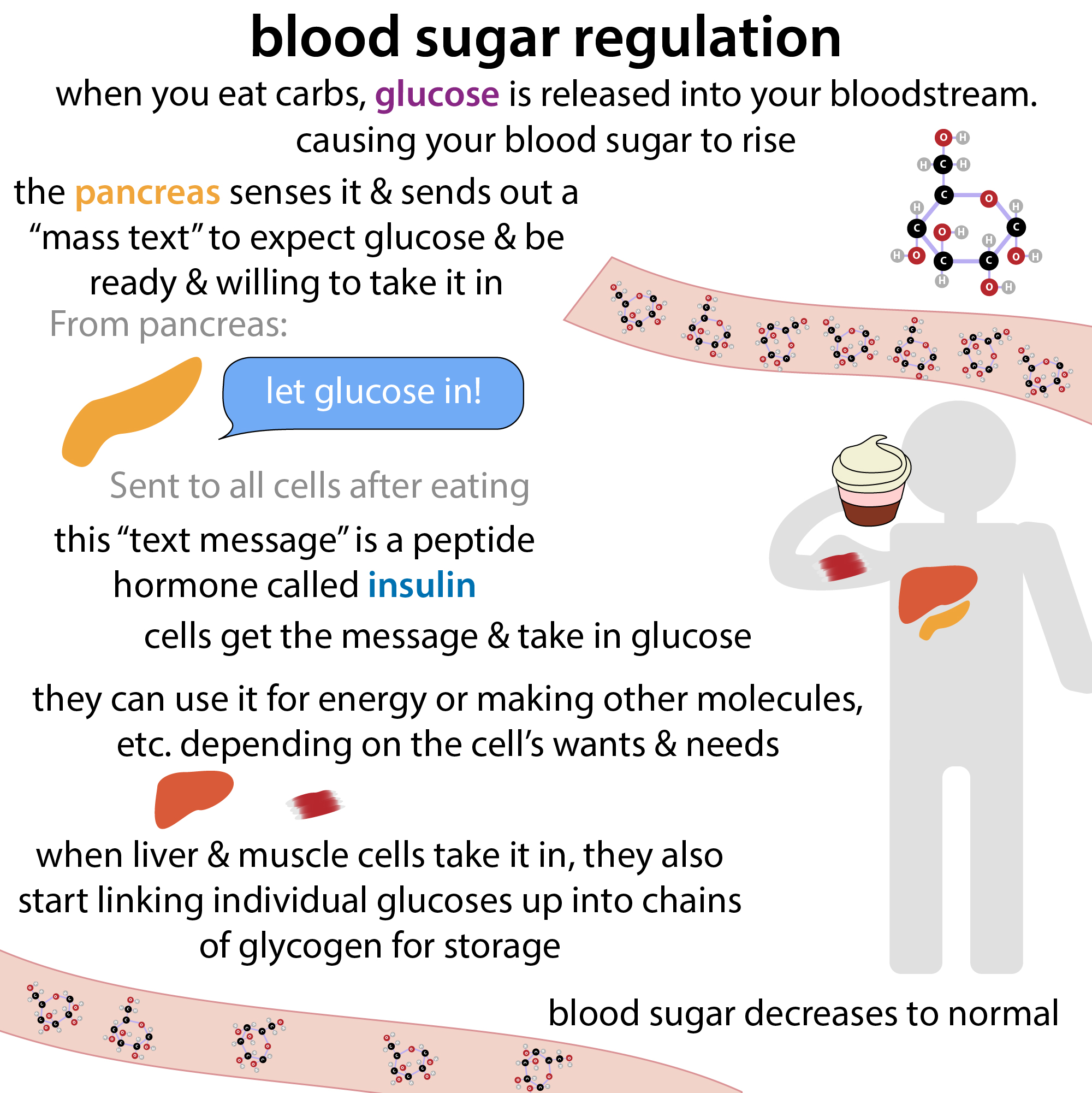
Use hormones to relay signals of changes in demand & external needs – often through phosphorylation
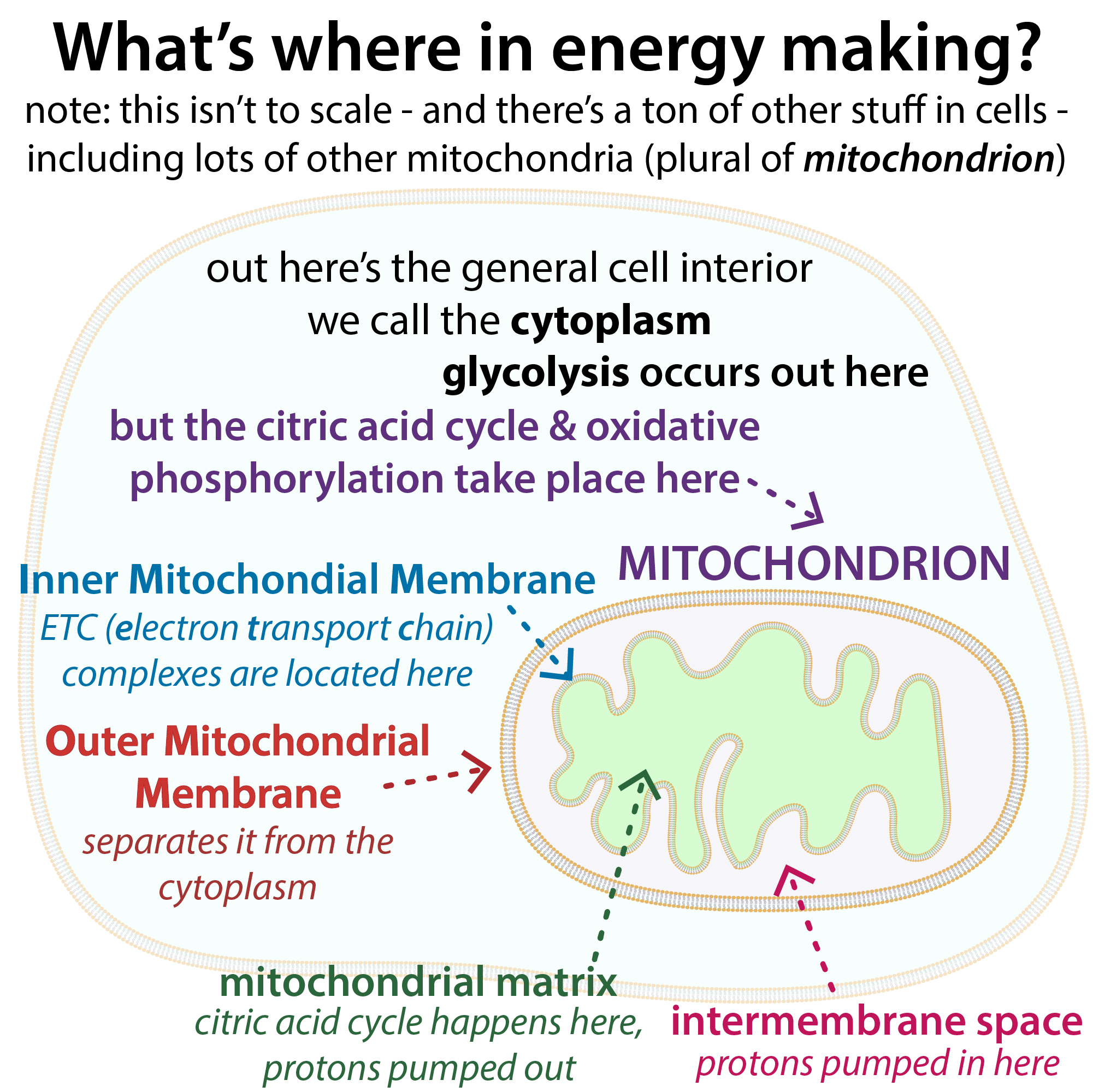
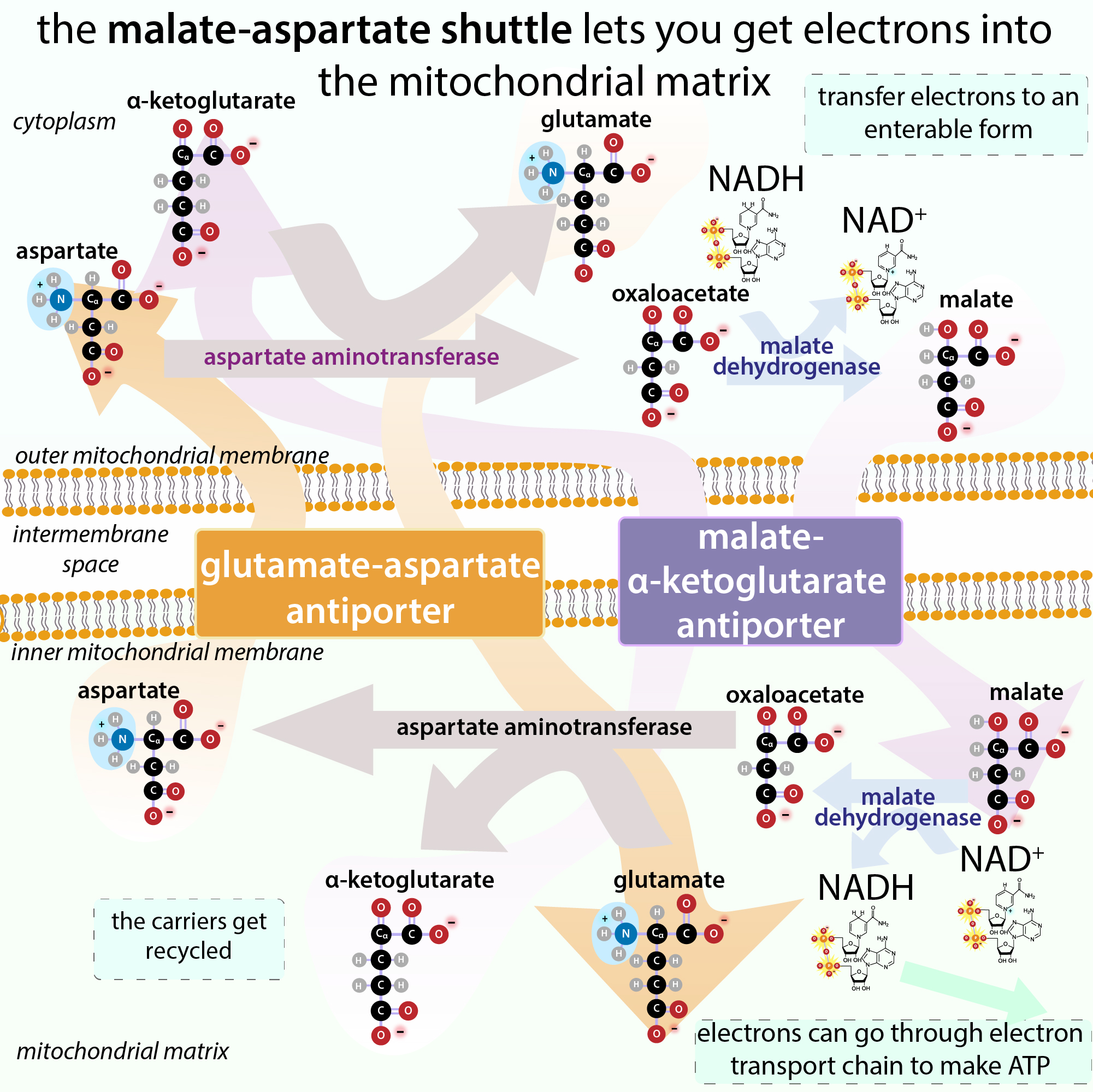
Compartmentalize & specialize (e.g. with different isozymes expressed in different tissues, different metabolic processes occurring in cytoplasm & mitochondria)
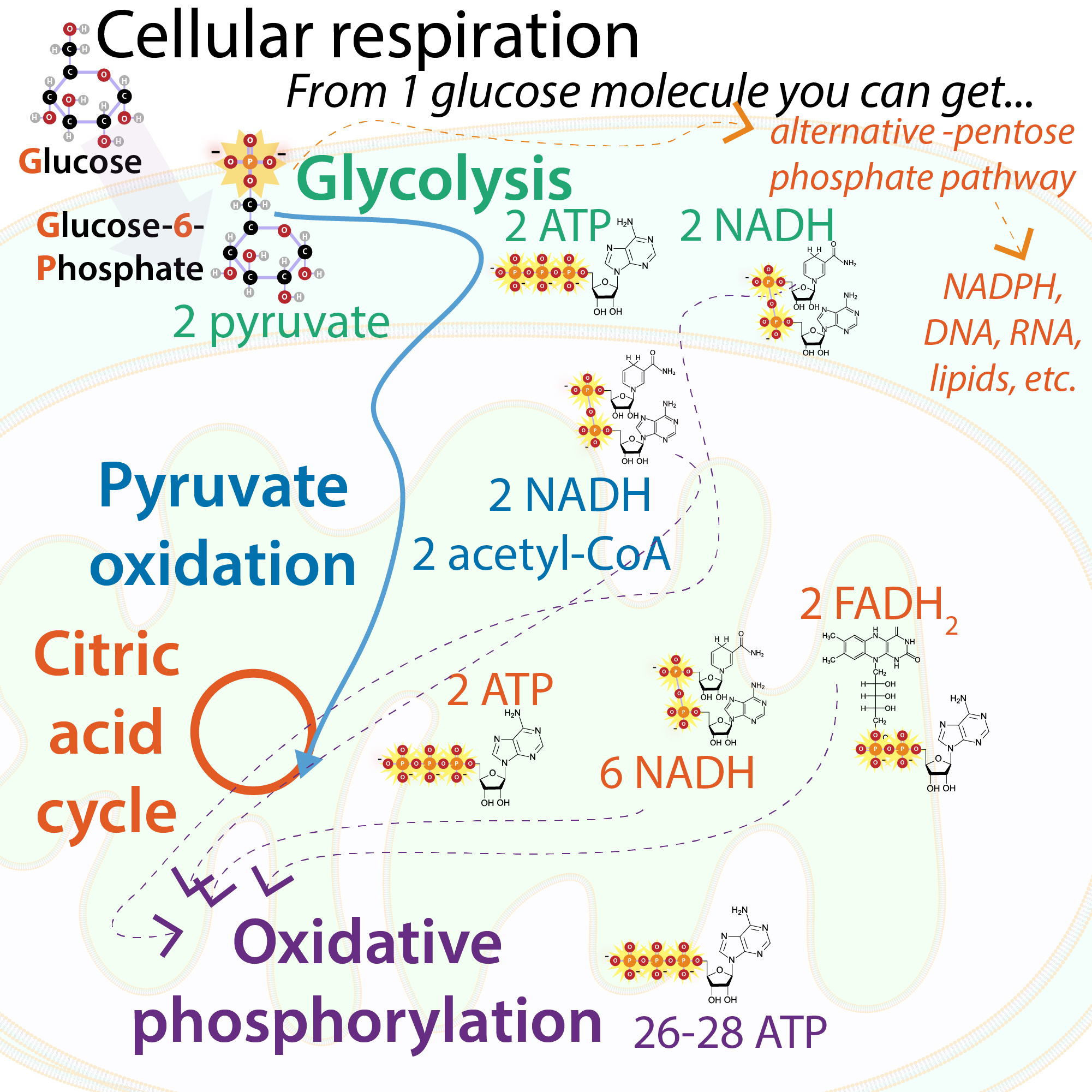
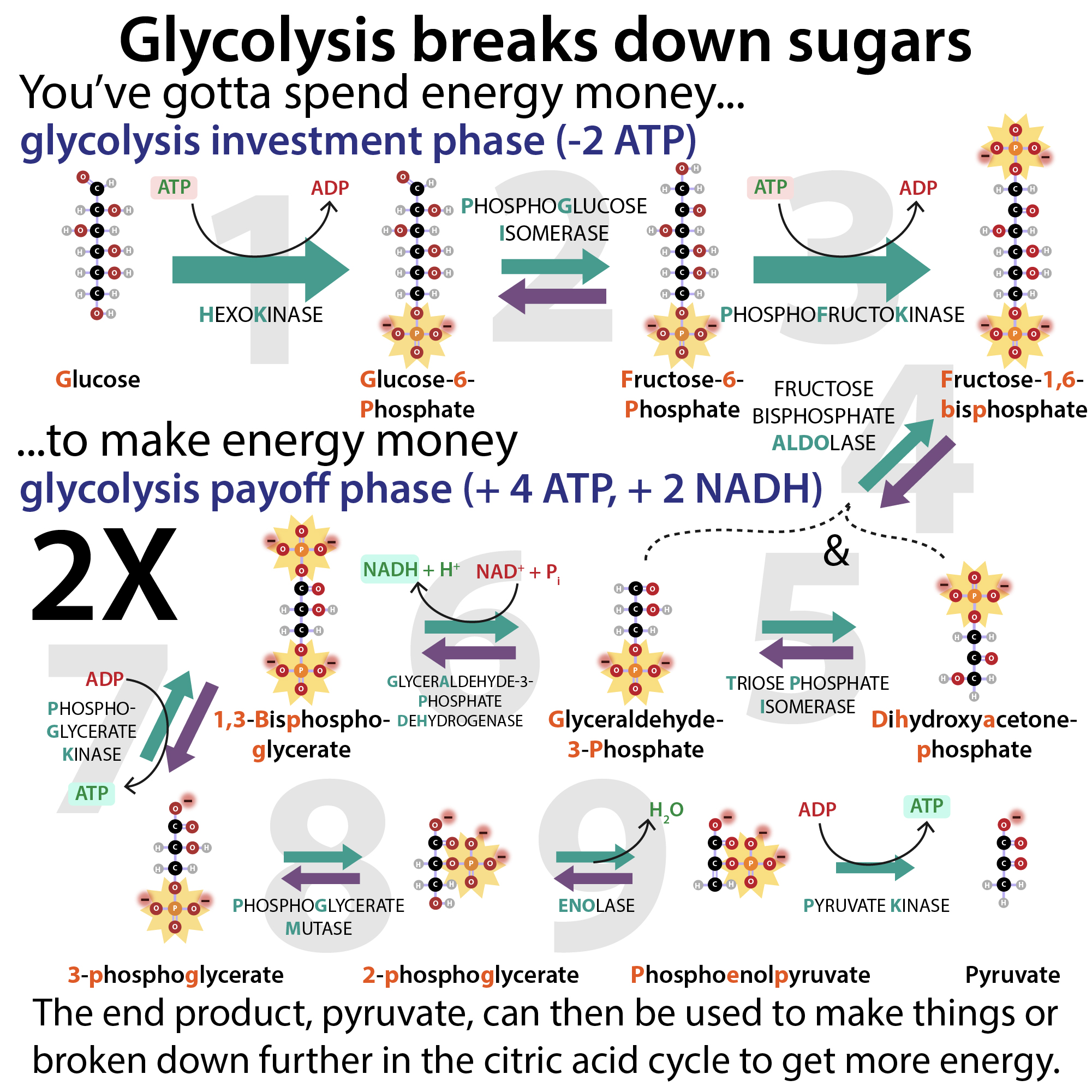
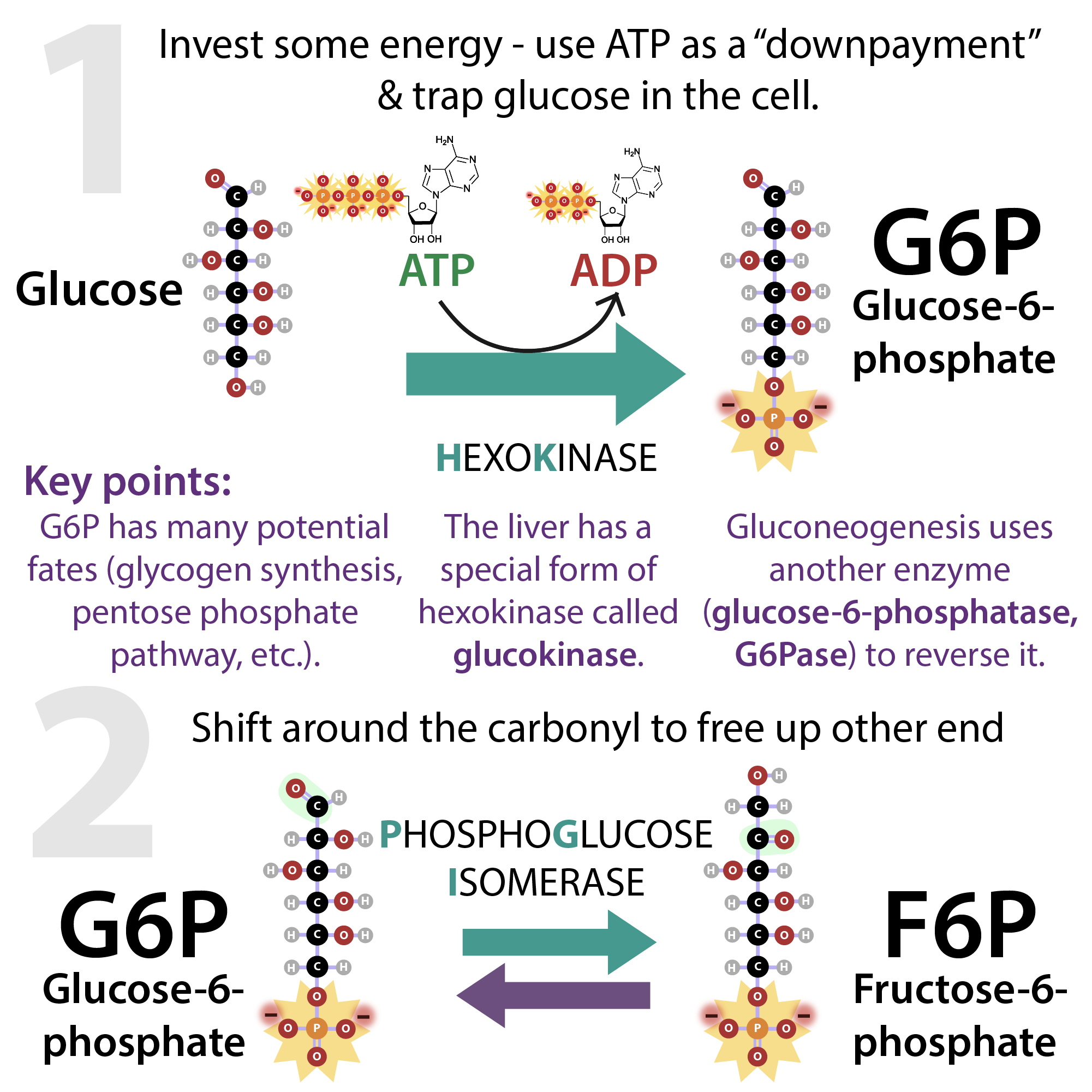
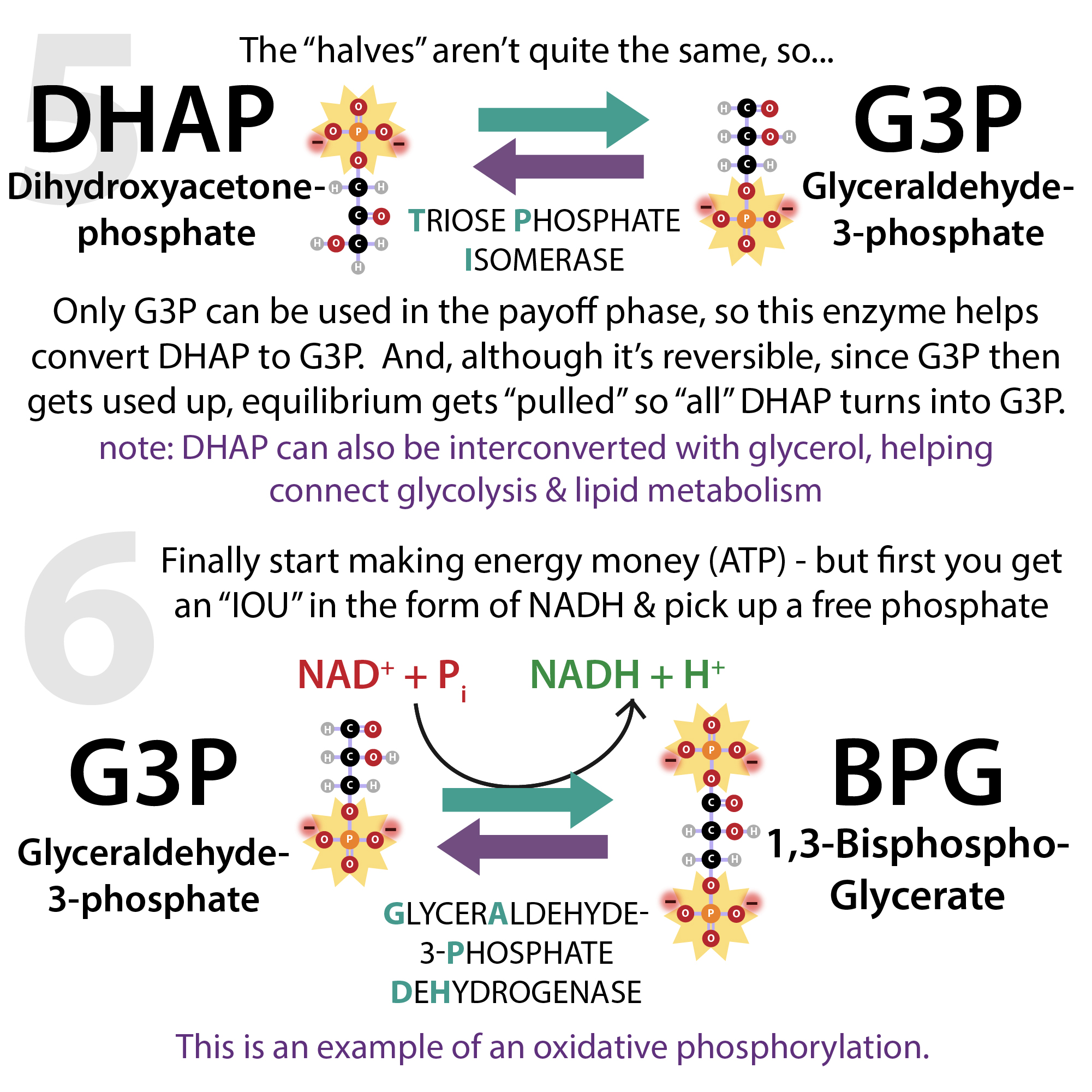
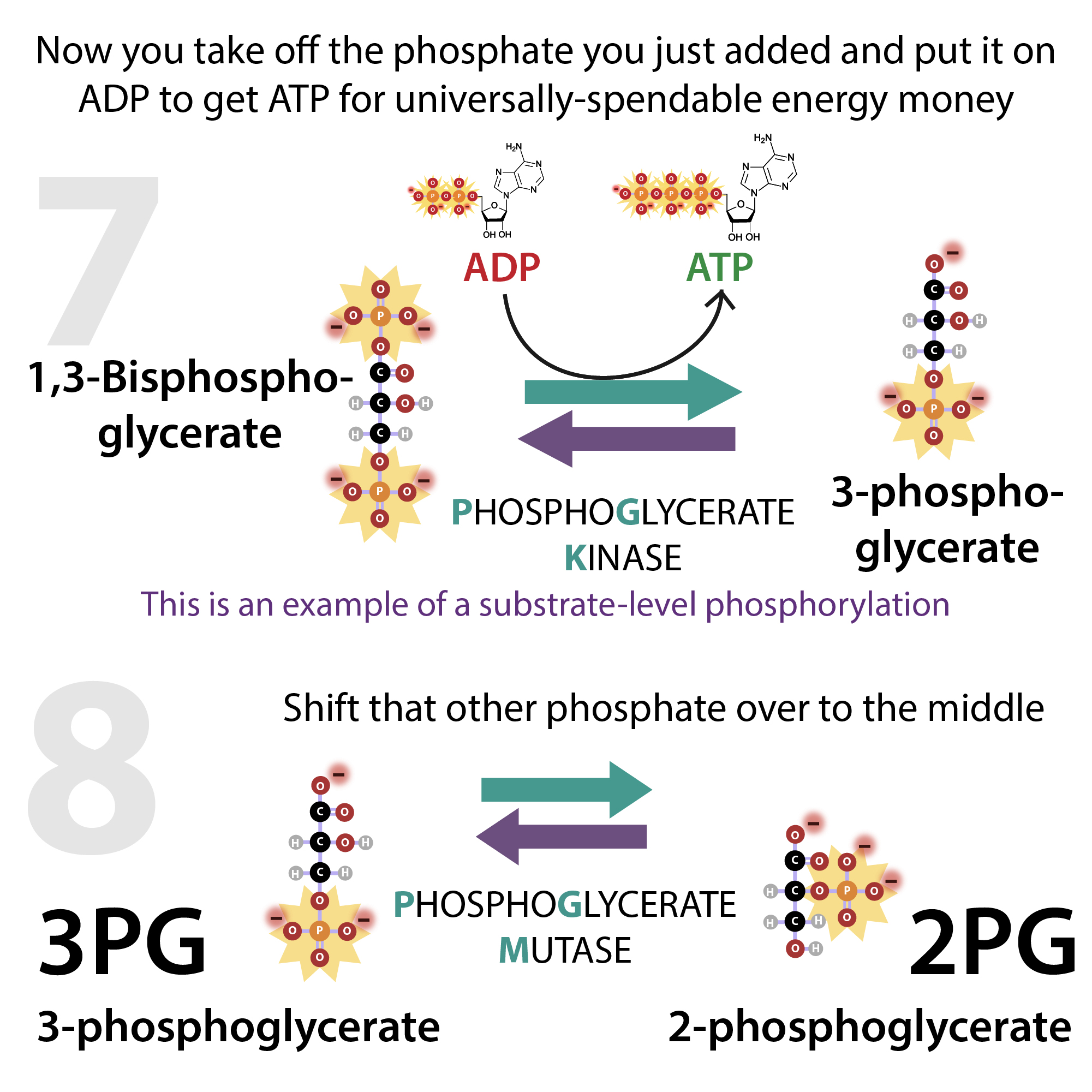
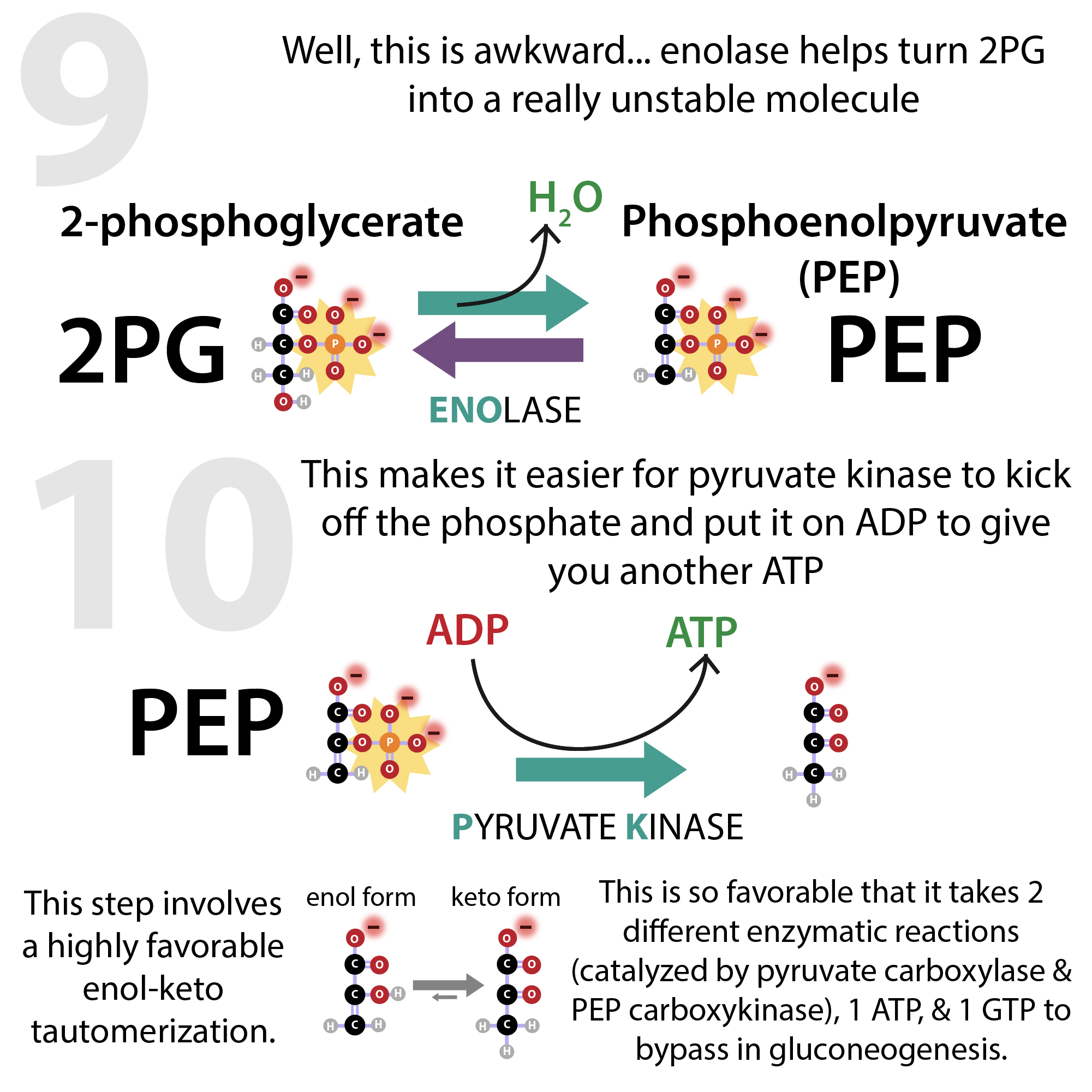
In the video, I discuss where we can see examples of all of these strategies in play when it comes to regulating glycolysis and gluconeogenesis in a way that meets (but doesn’t exceed) demand for sugar and energy and doesn’t undergo futile cycles of making and breaking at the same time, with only heat to show for it.
much more on glycolysis & gluconeogenesis: http://bit.ly/metabolismglycolysis