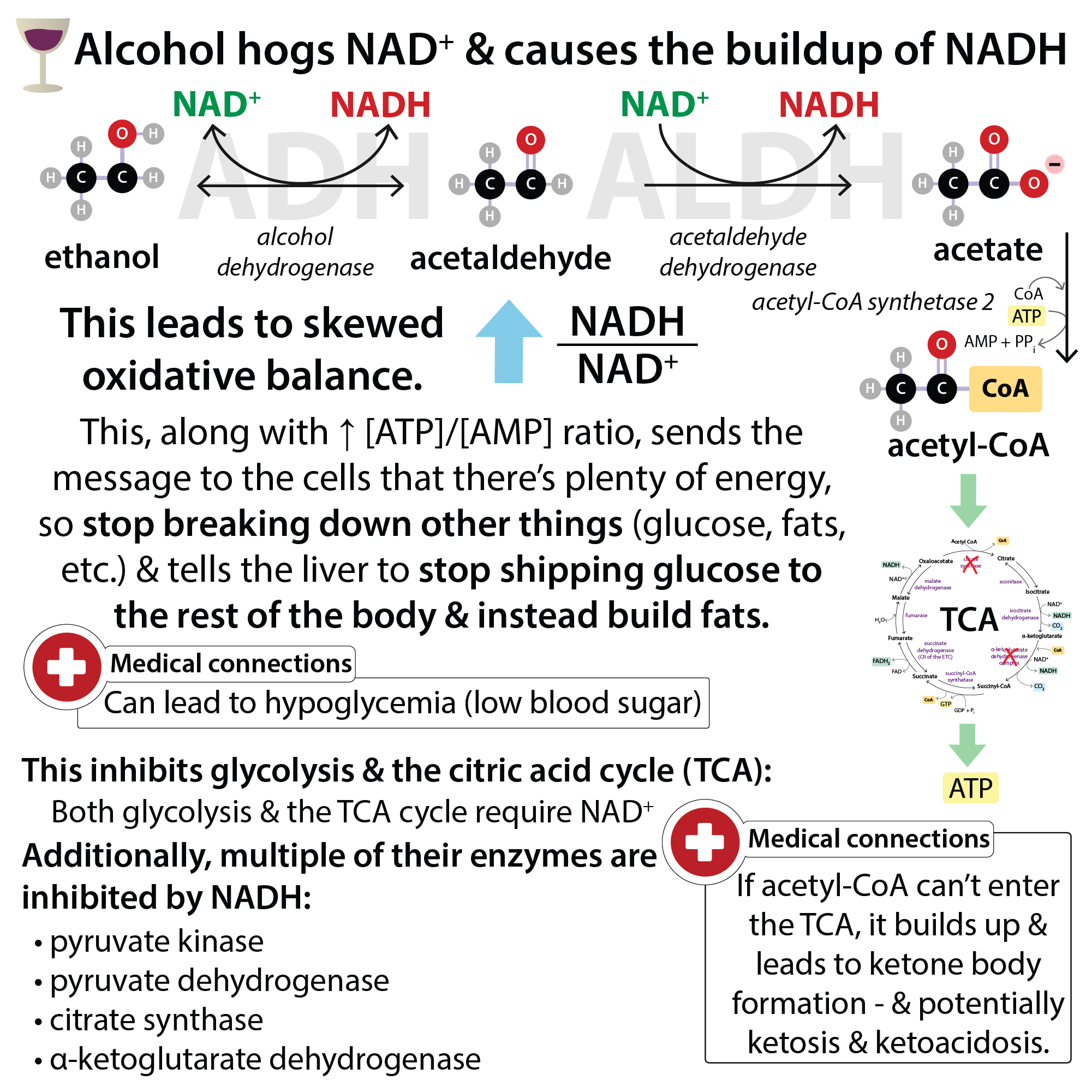
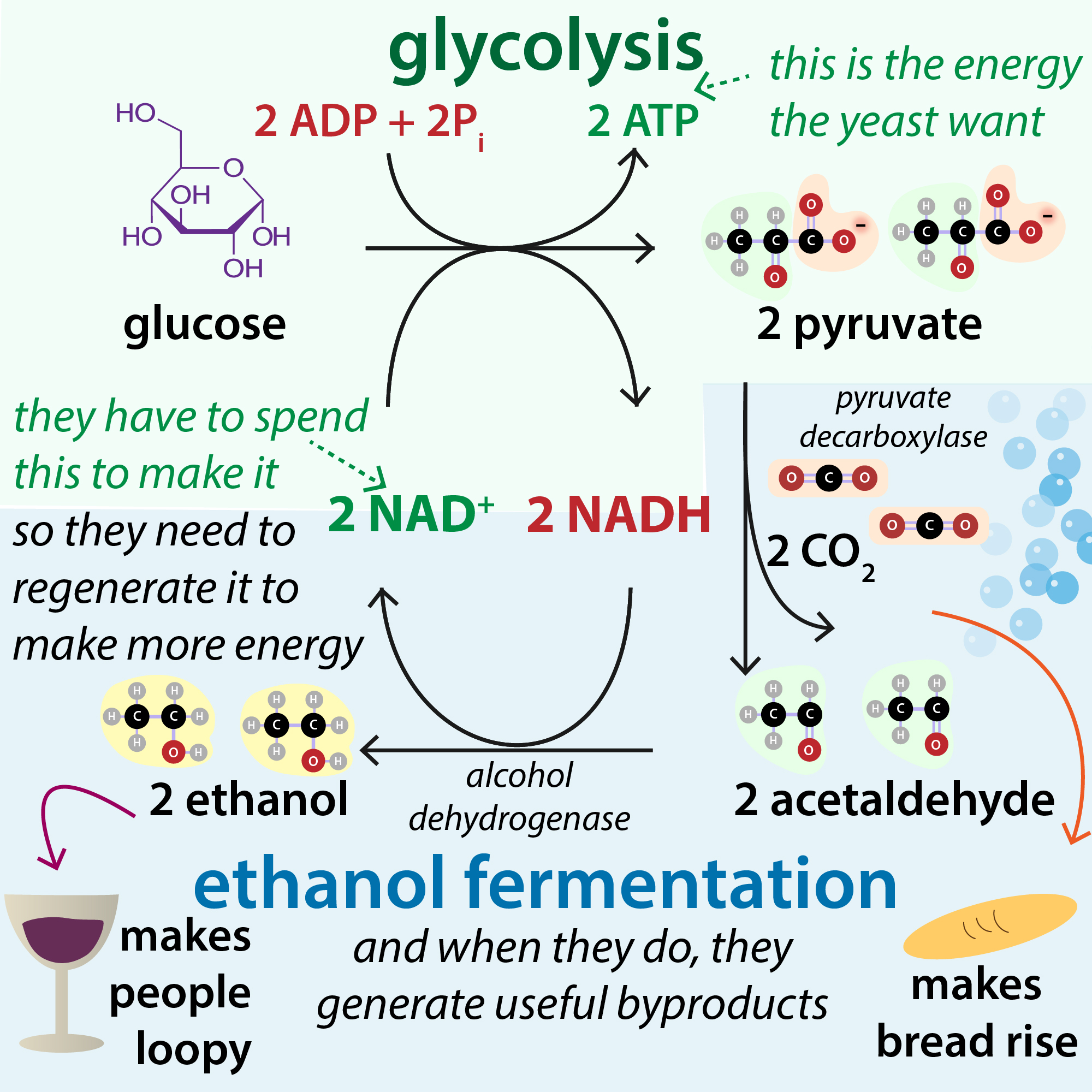
At least some of the many ways… Ethanol metabolism is practically unregulated, but it produces metabolites (e.g. NADH & ATP) that mess up the regulation of metabolism of other compounds. Ethanol metabolism sends the message to the body that there’s plenty of energy, so stop breaking things down (sugar, fats) & instead store energy as fats. Ethanol metabolism also produces the toxic intermediate acetaldehyde. I don’t have much text for this post but walk through things in detail in the video (link in case the embed isn’t working: https://youtu.be/Imd5SaPbgjM)
Some effects of alcohol on metabolism:
- Produces a buildup of acetaldehyde, which is toxic
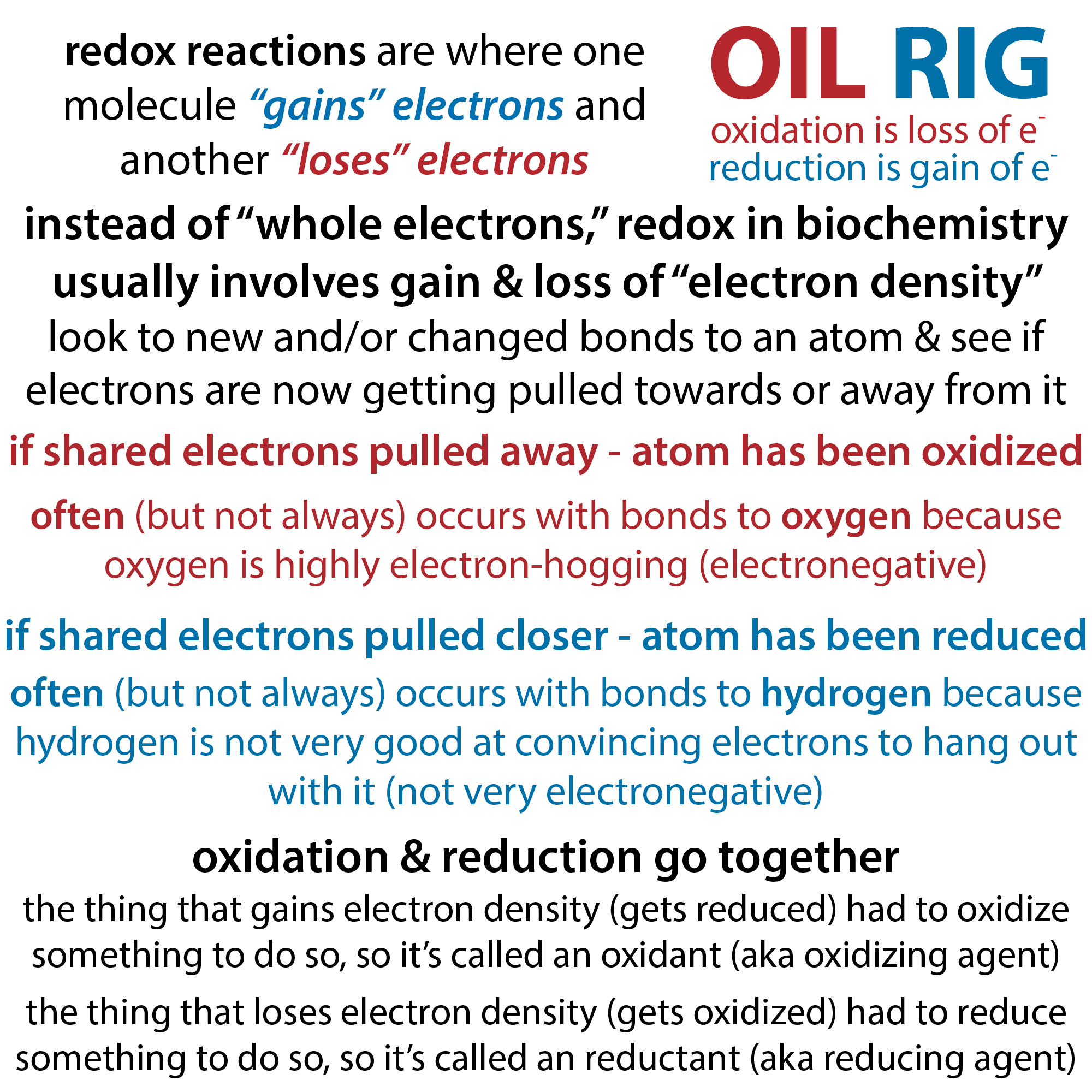
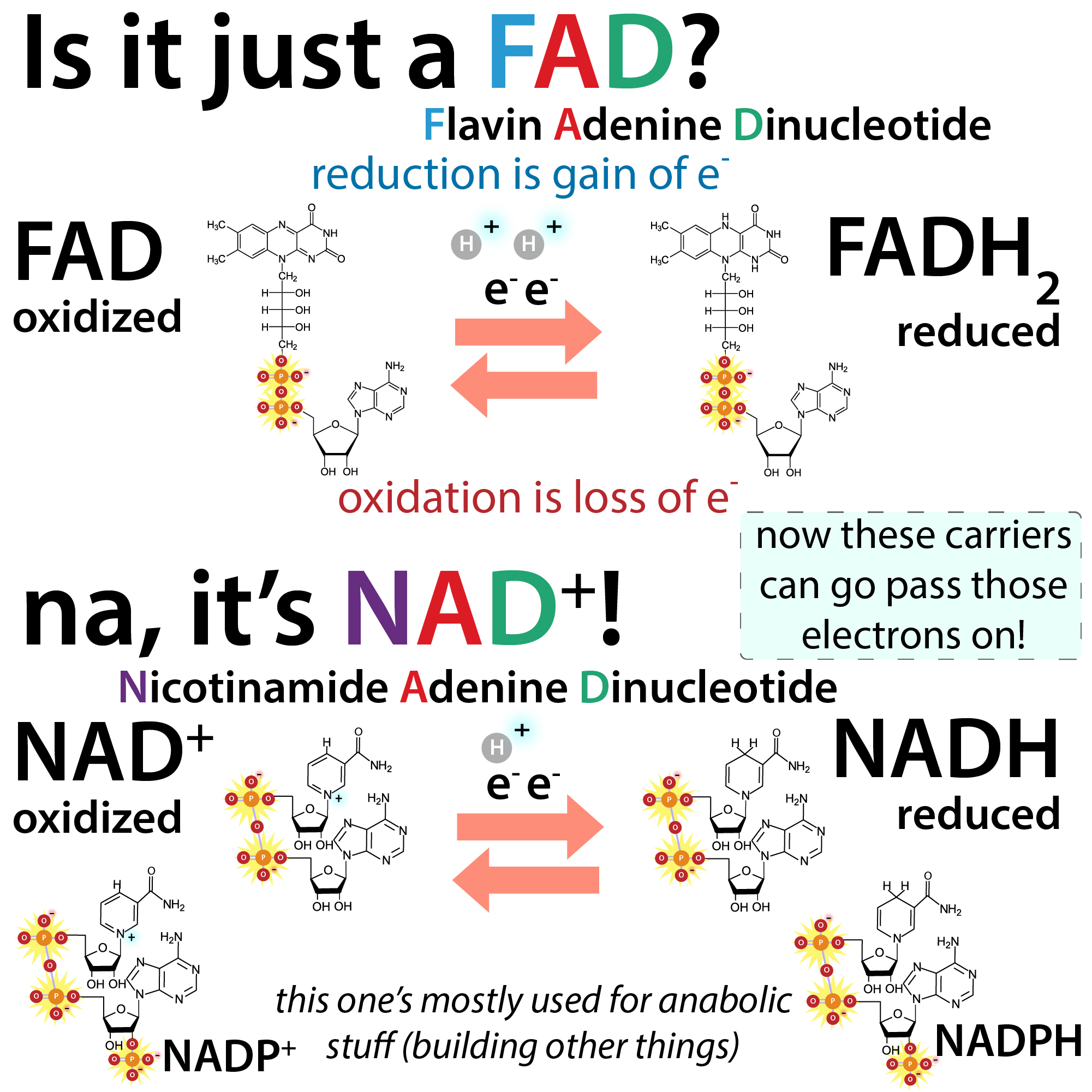
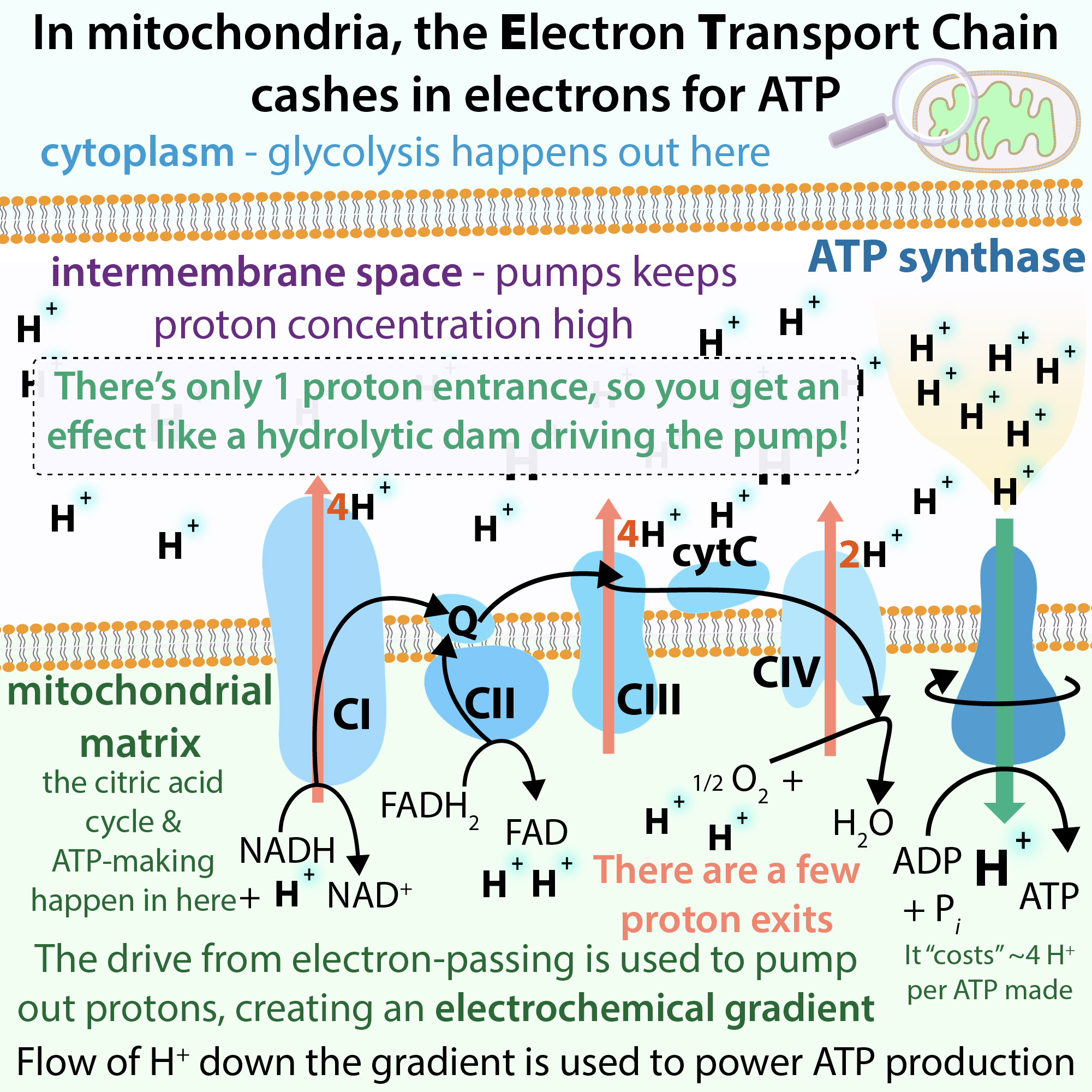
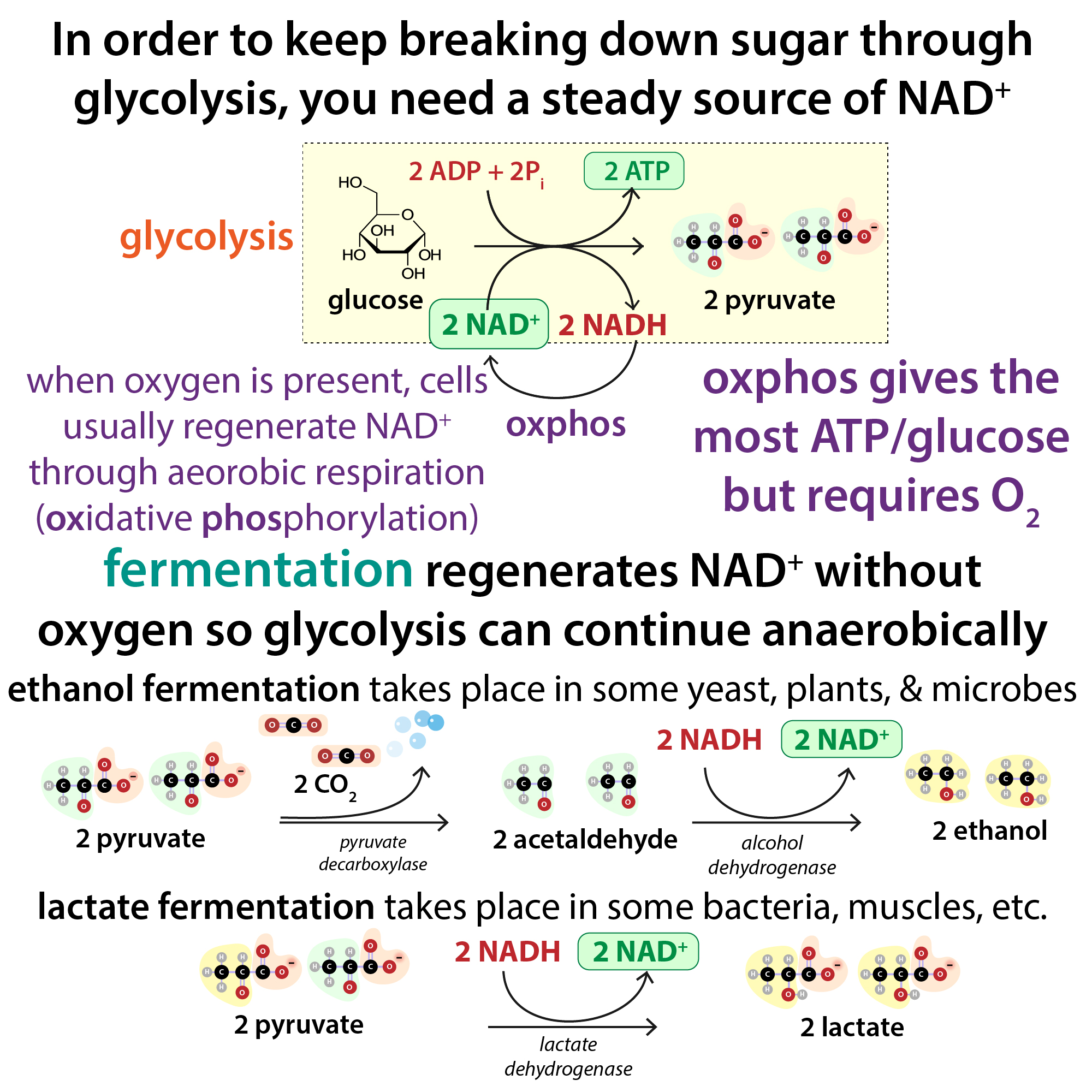
- Increases [NADH]/[NAD+] ratio
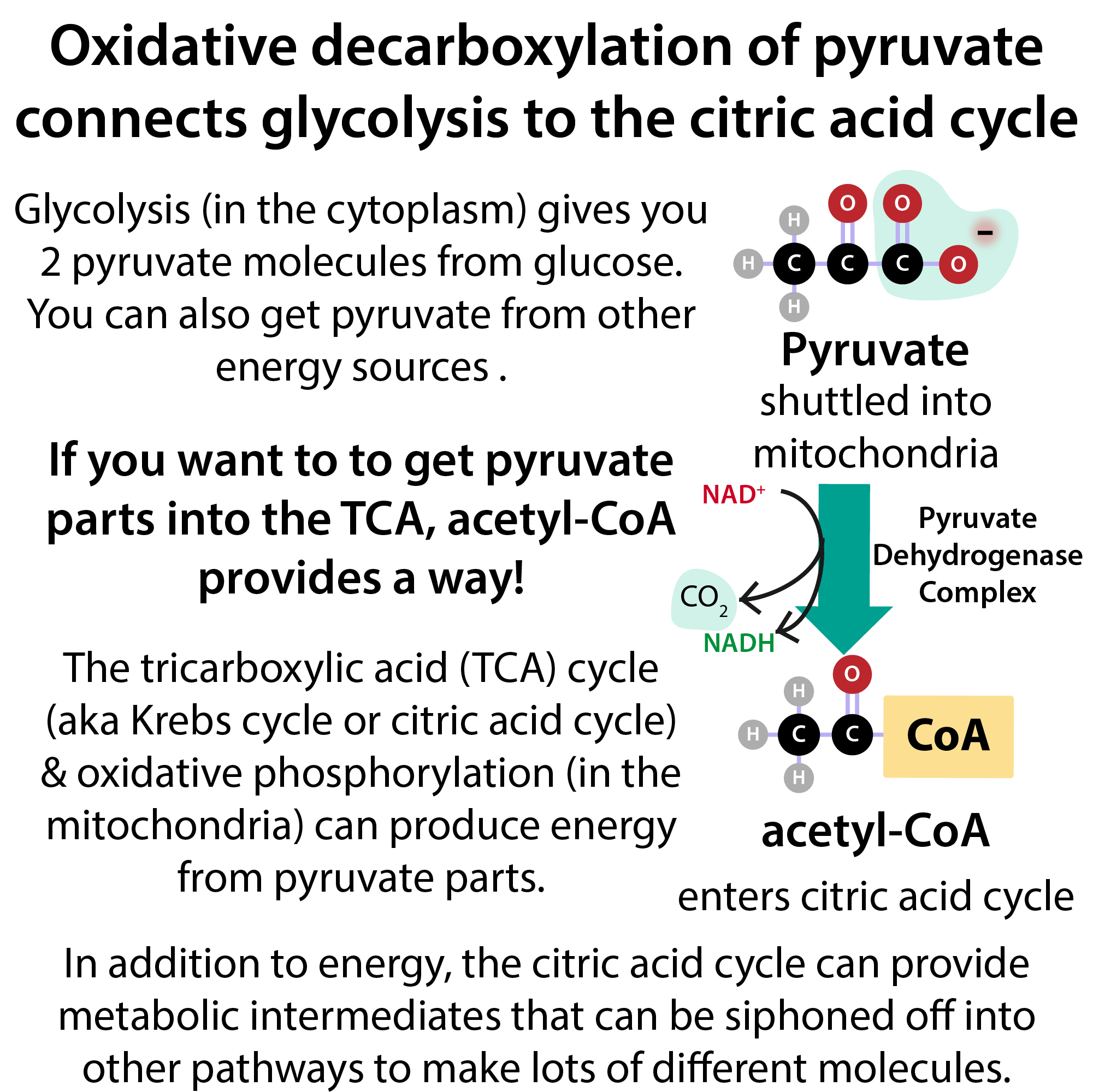
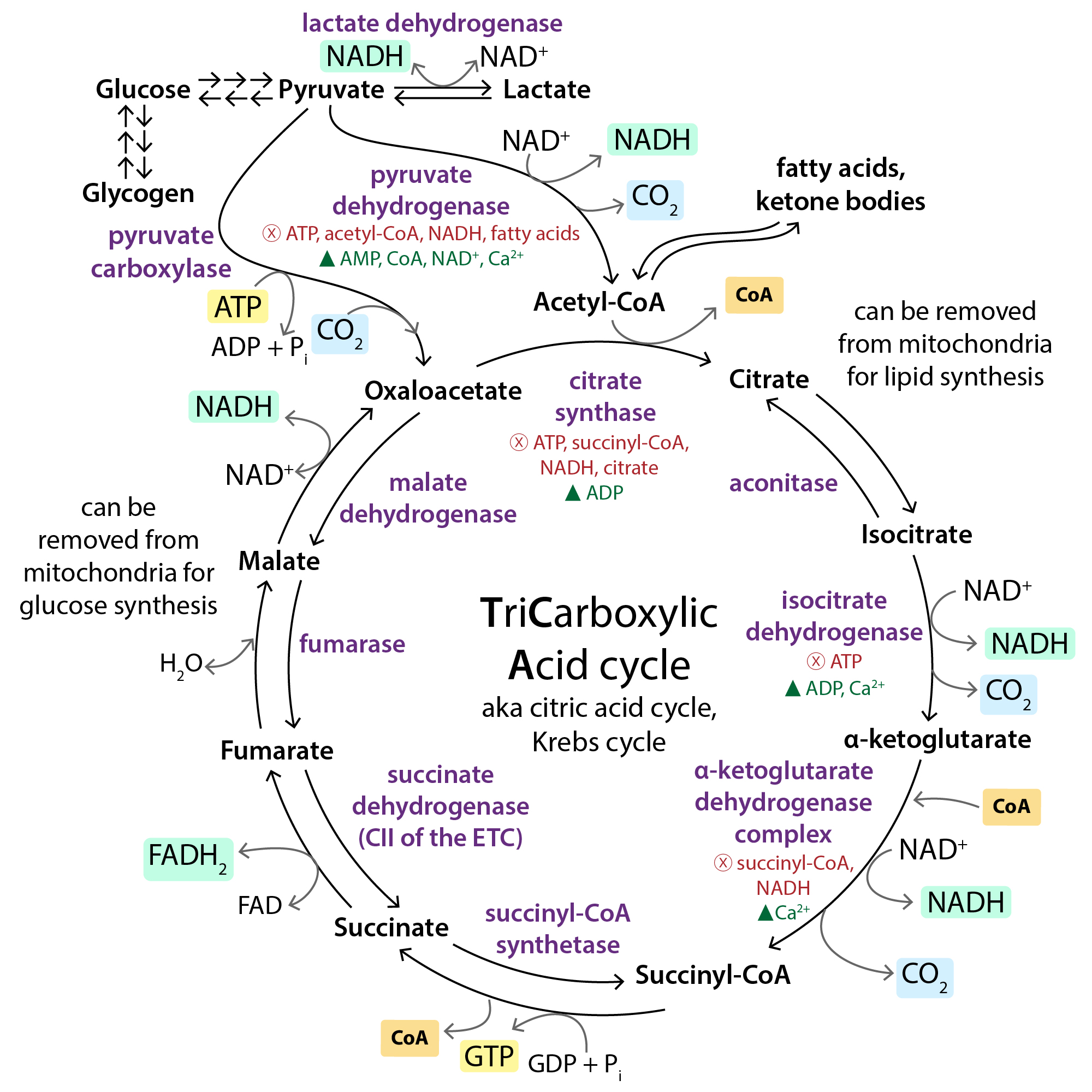
- inhibits pyruvate dehydrogenase & TCA cycle
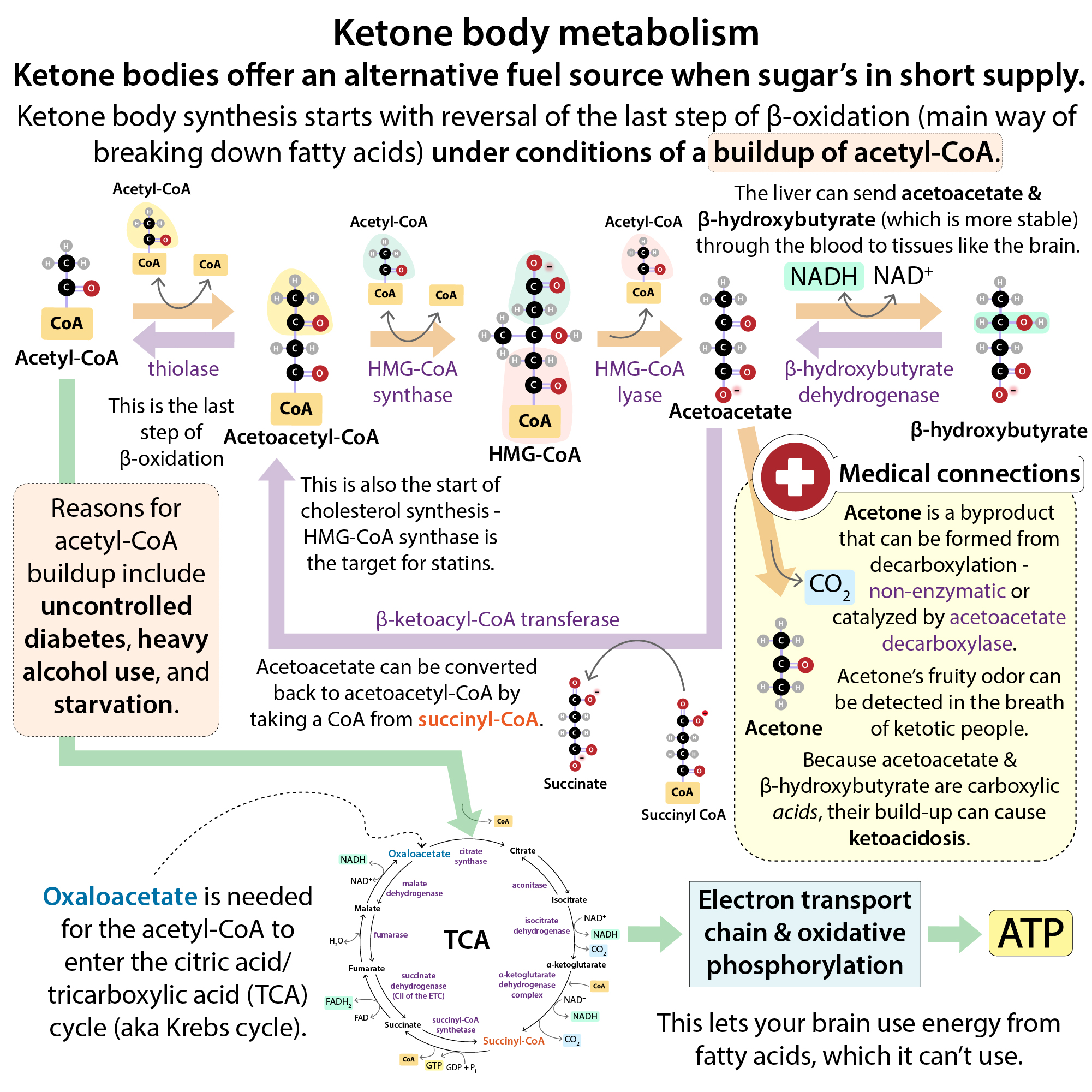
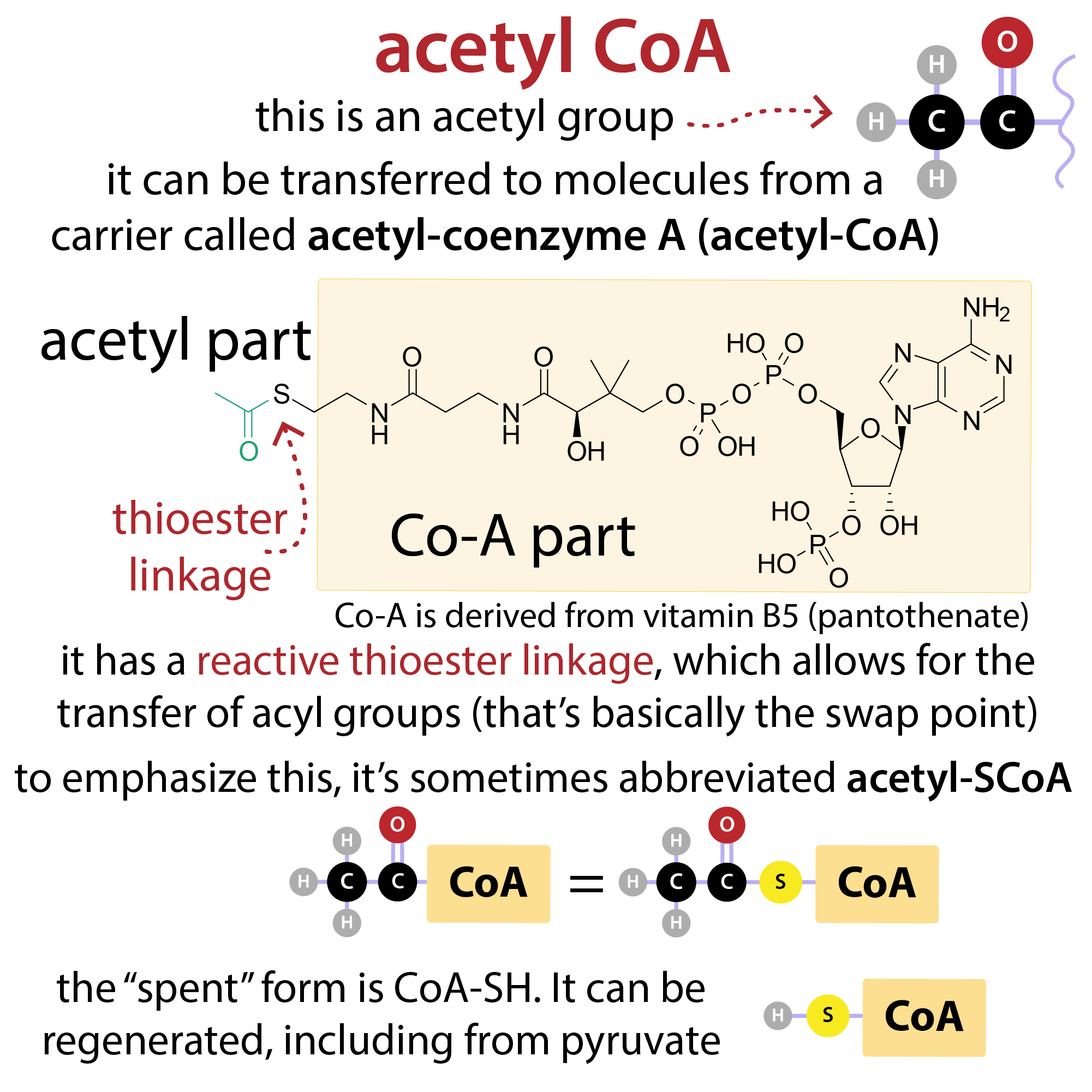
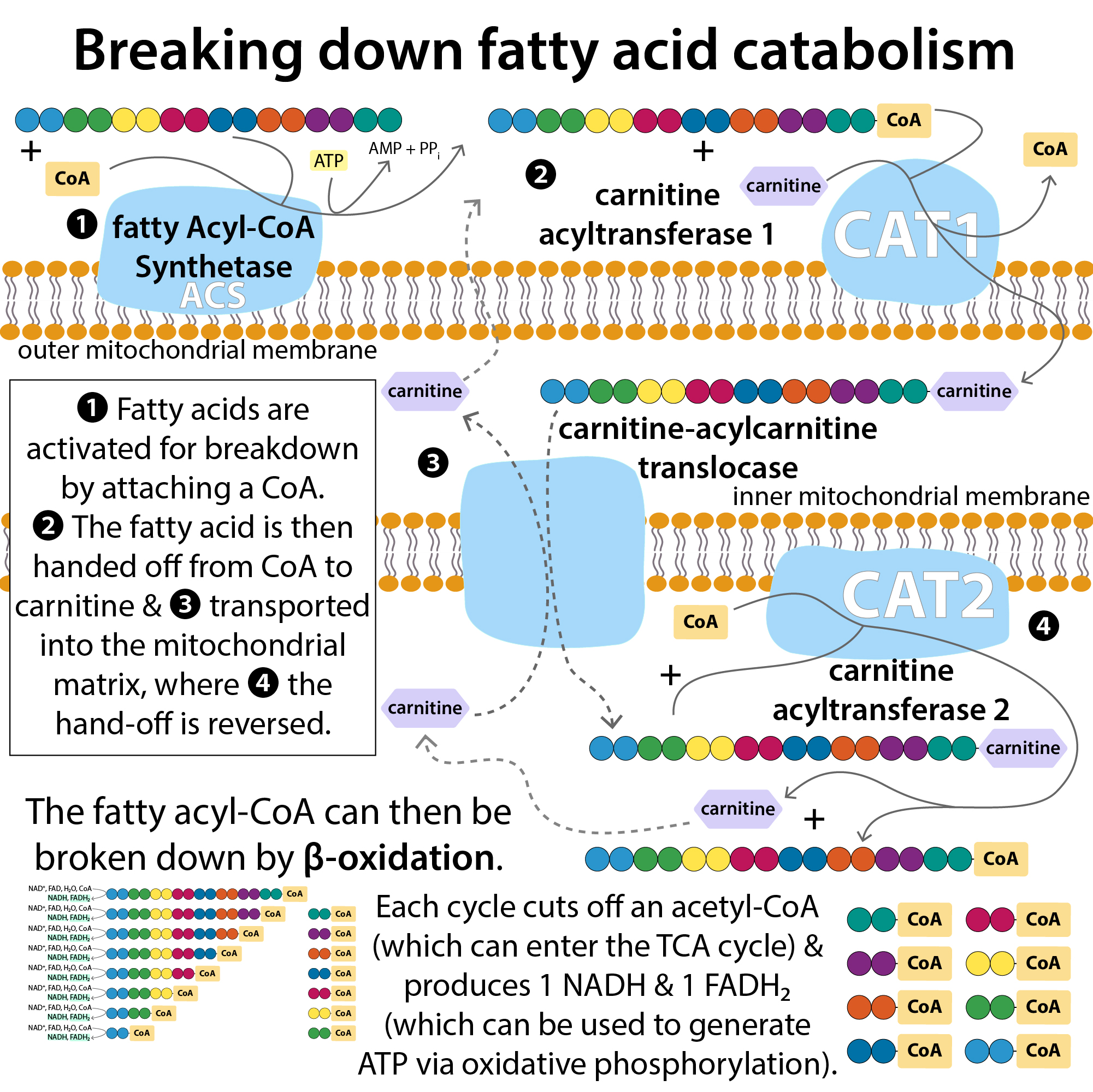
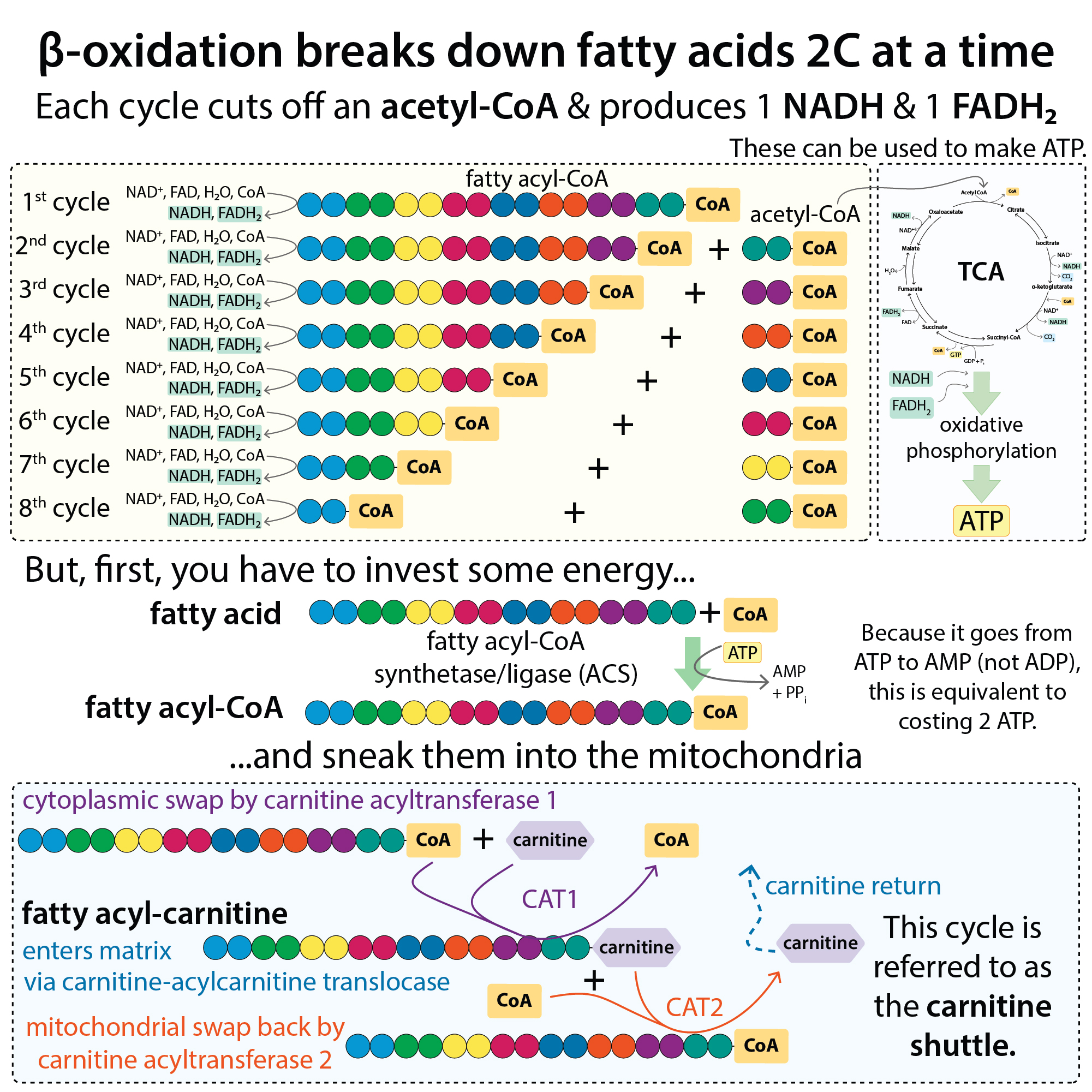
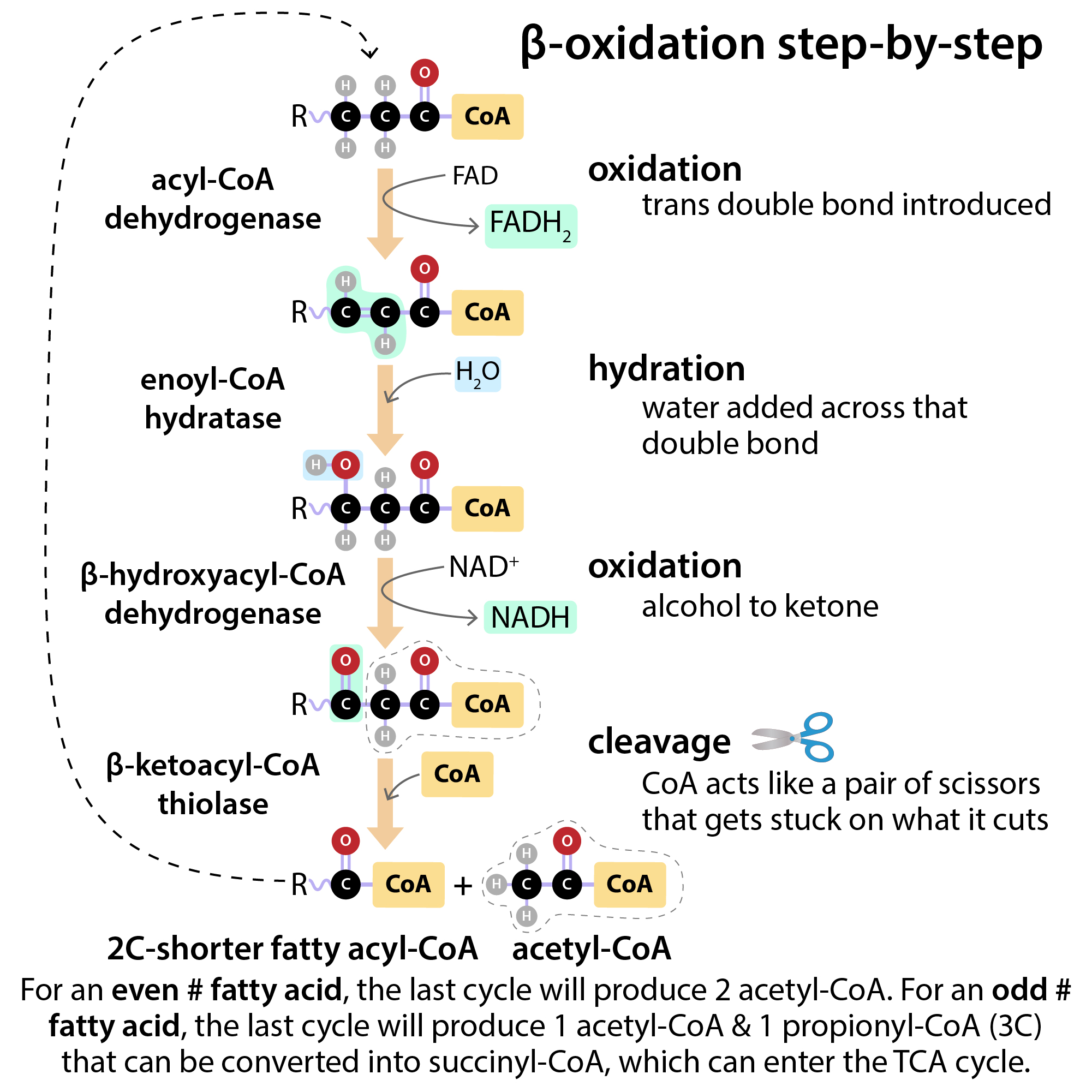
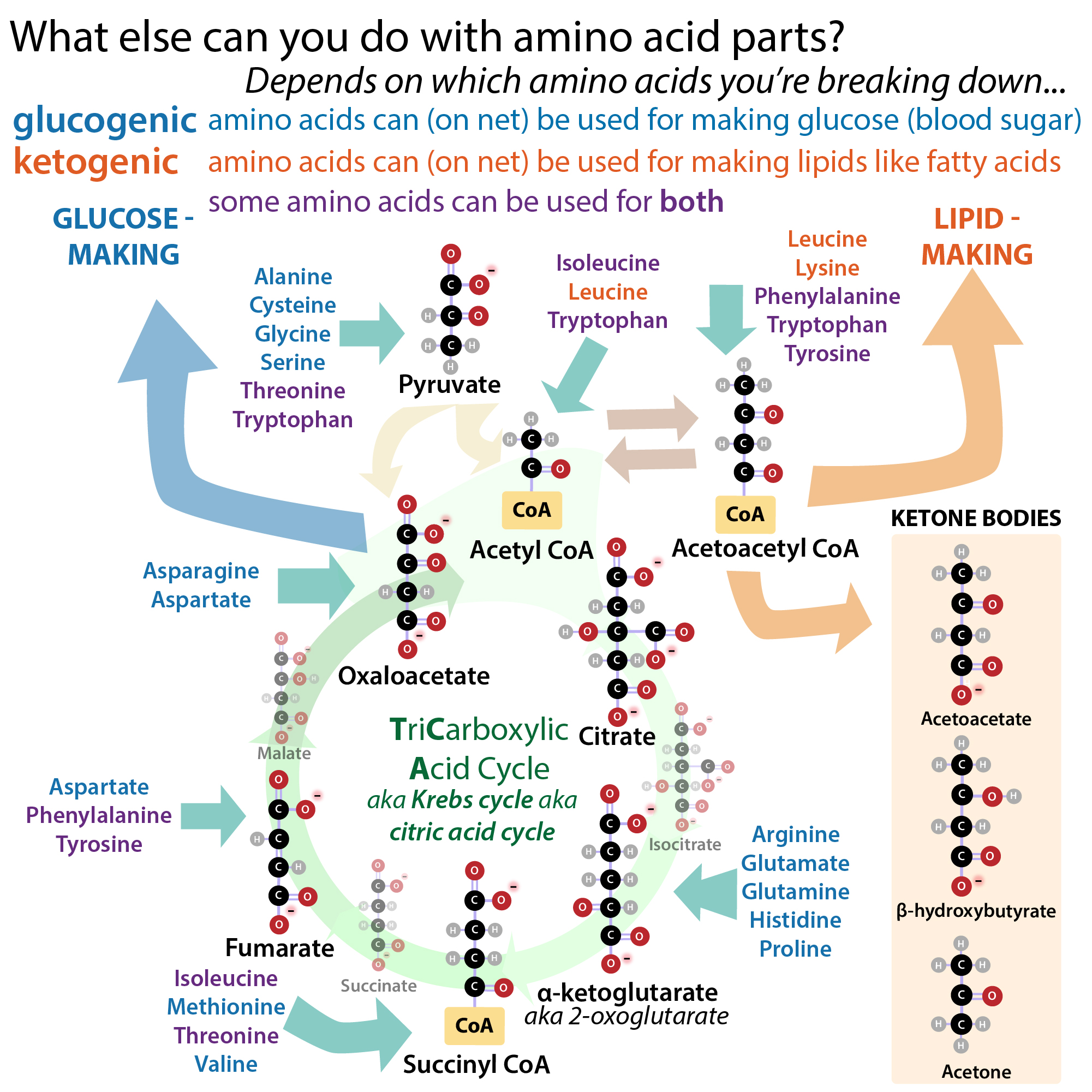
- but produces acetyl-CoA, so acetyl-CoA builds up
- gets converted to ketone bodies – can cause ketoacidosis
- can affect epigenetic acetylation – alter gene regulation
- can get converted to fatty acids and triglycerides – can cause fatty liver
- but produces acetyl-CoA, so acetyl-CoA builds up
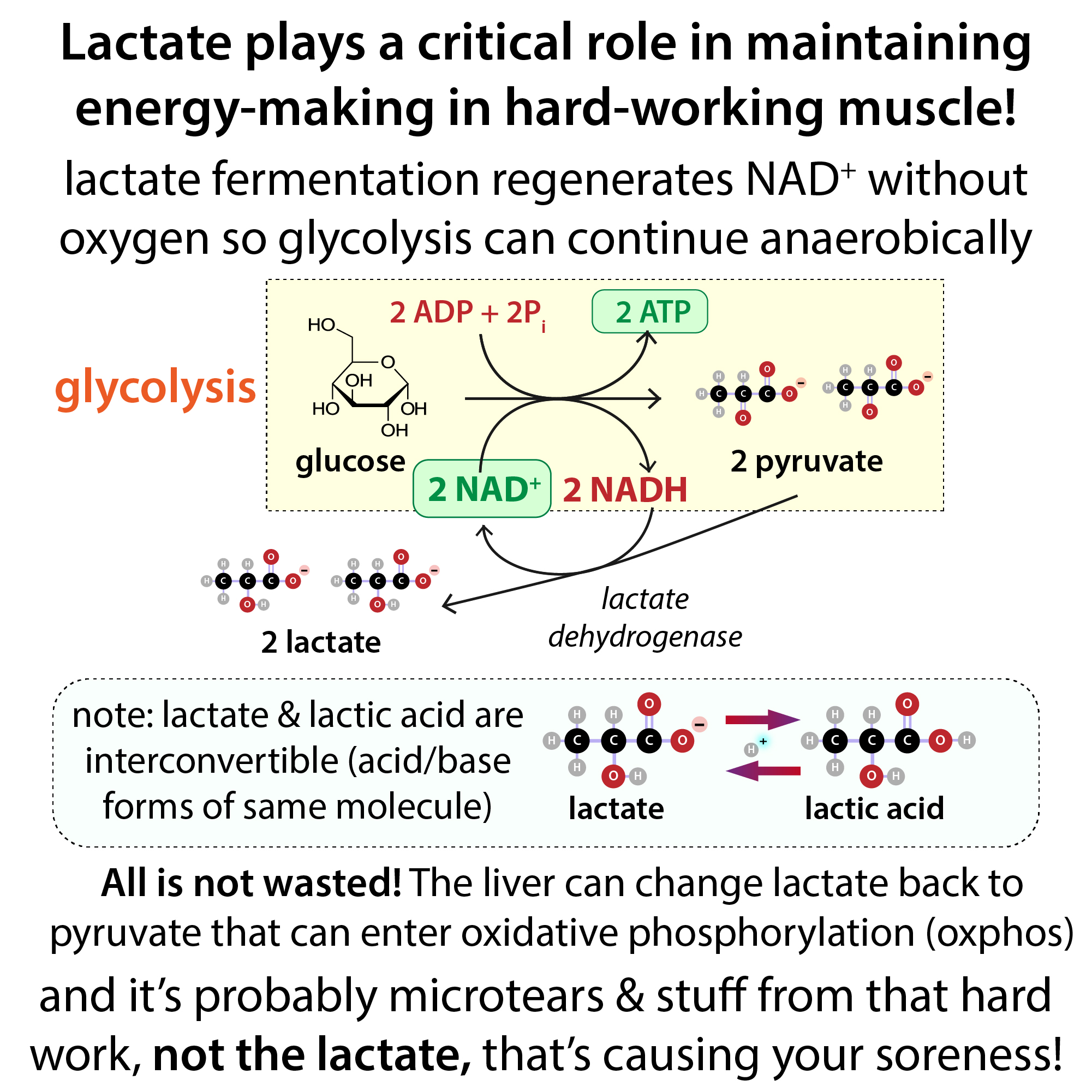
- causes conversion of pyruvate to lactate – can cause lactic acidosis
- inhibits pyruvate dehydrogenase & TCA cycle
- decreases [AMP] – down regulates AMPK – lots of effects
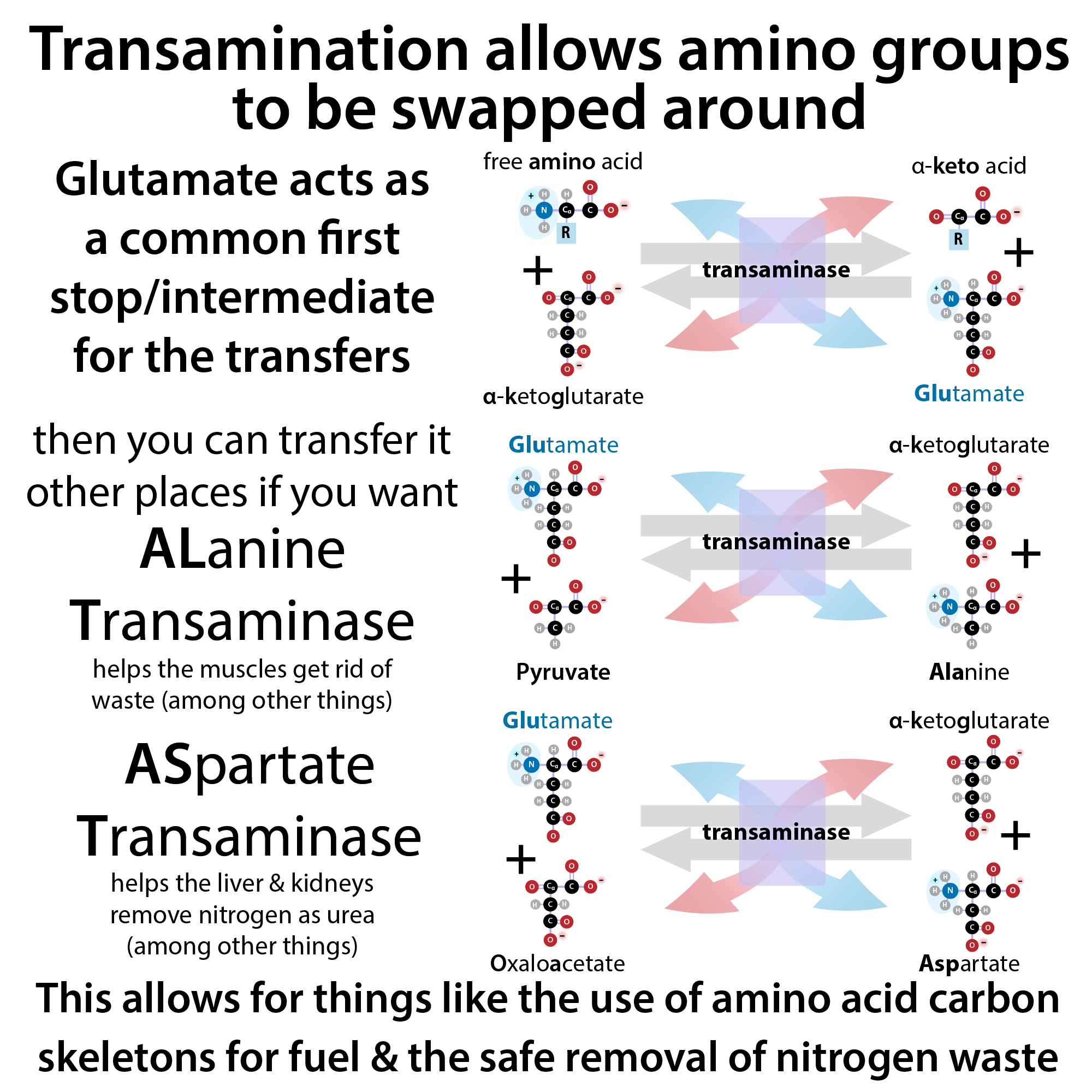
- alters glutamate production, dysregulating neurosignalling
Great review article: Wilson, D. F., & Matschinsky, F. M. (2020). Ethanol metabolism: The good, the bad, and the ugly. Medical hypotheses, 140, 109638. Advance online publication. https://doi.org/10.1016/j.mehy.2020.109638
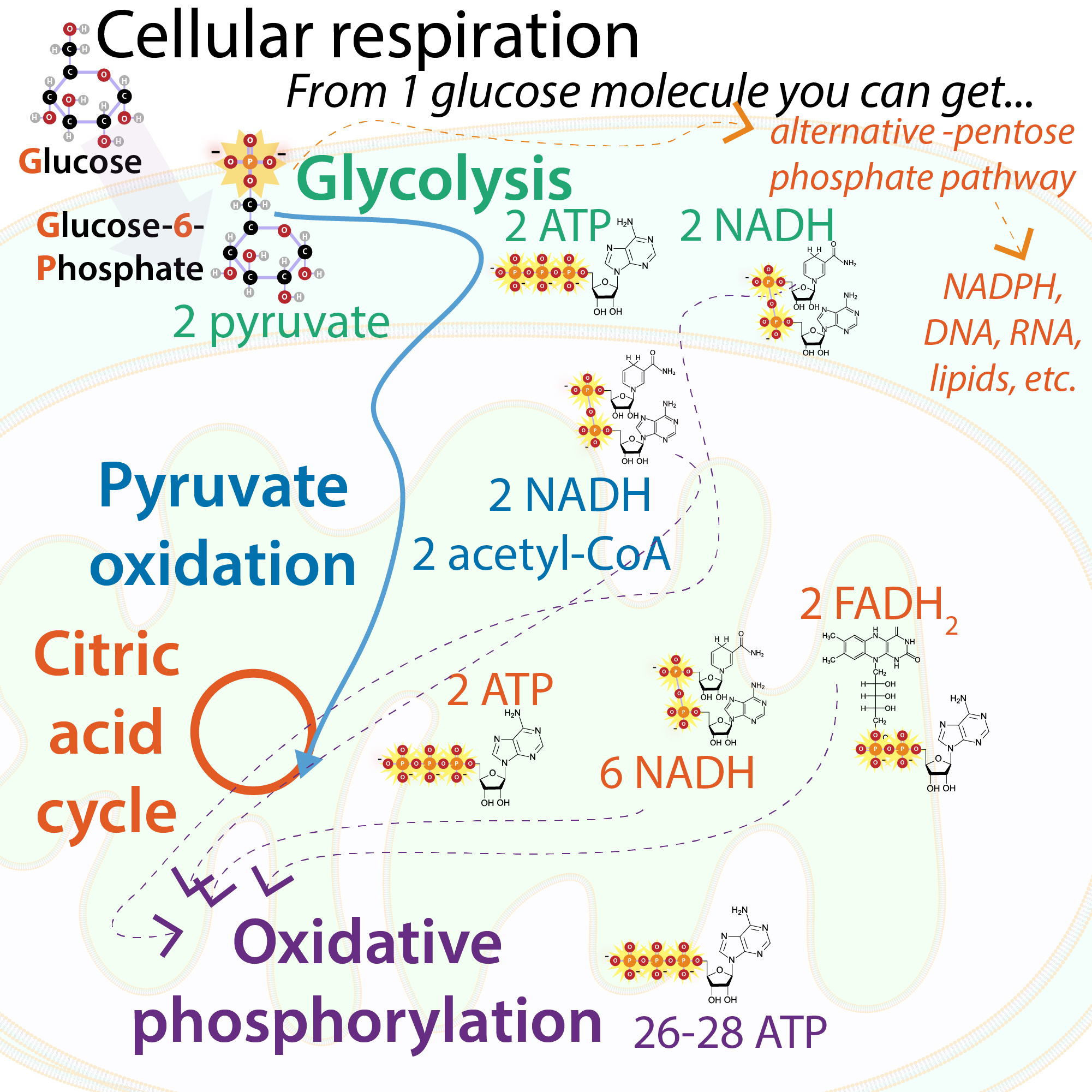
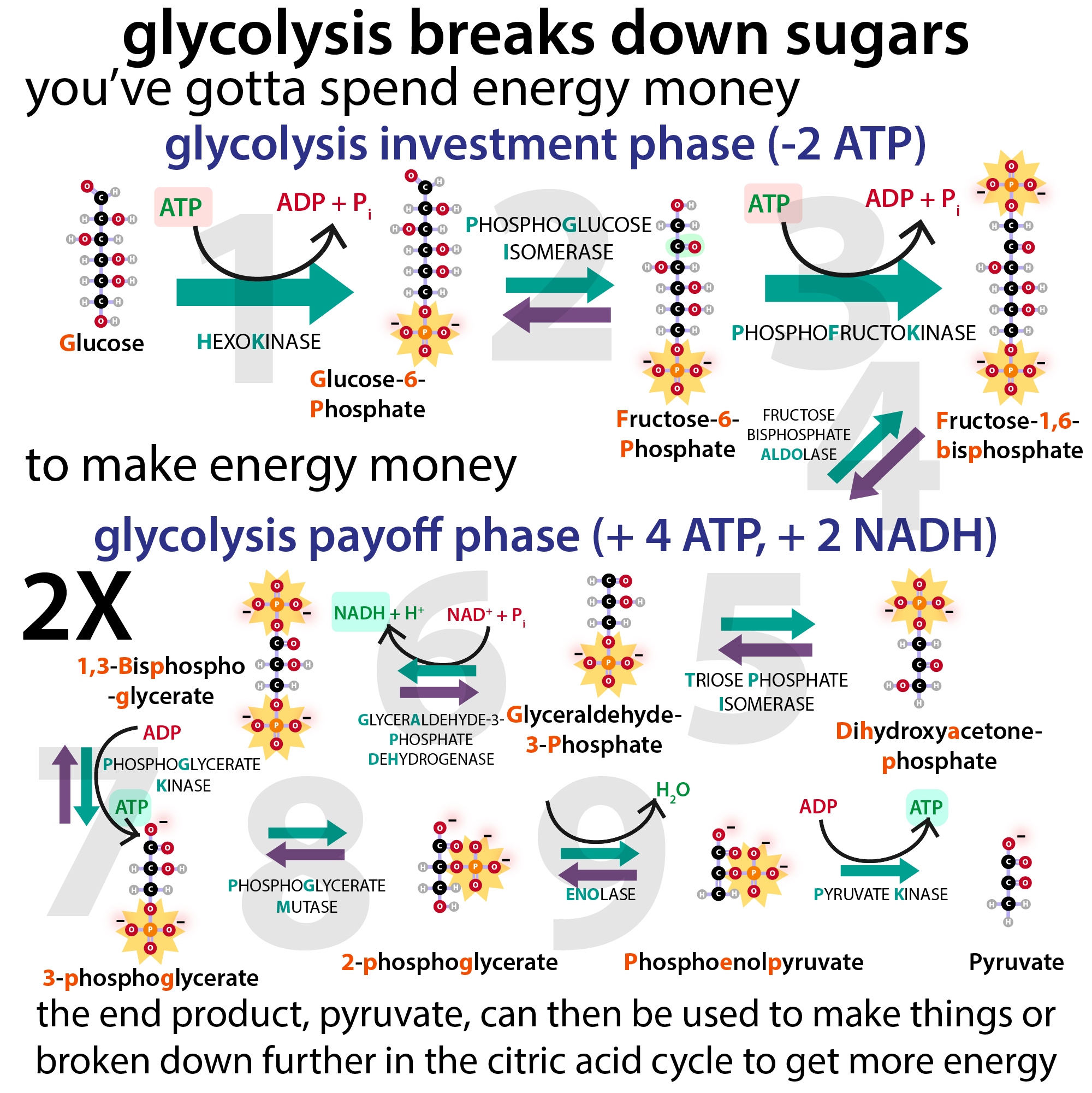
more on all sorts of metabolic stuff: http://bit.ly/metabolismglycolysis & https://youtu.be/FjMYYcoeP5s