Do you need to get your translational reading frames checked? Before you groan, keep an open reading frame of mind!
note: text a mishmash or past posts, so apologies for formatting & repetition
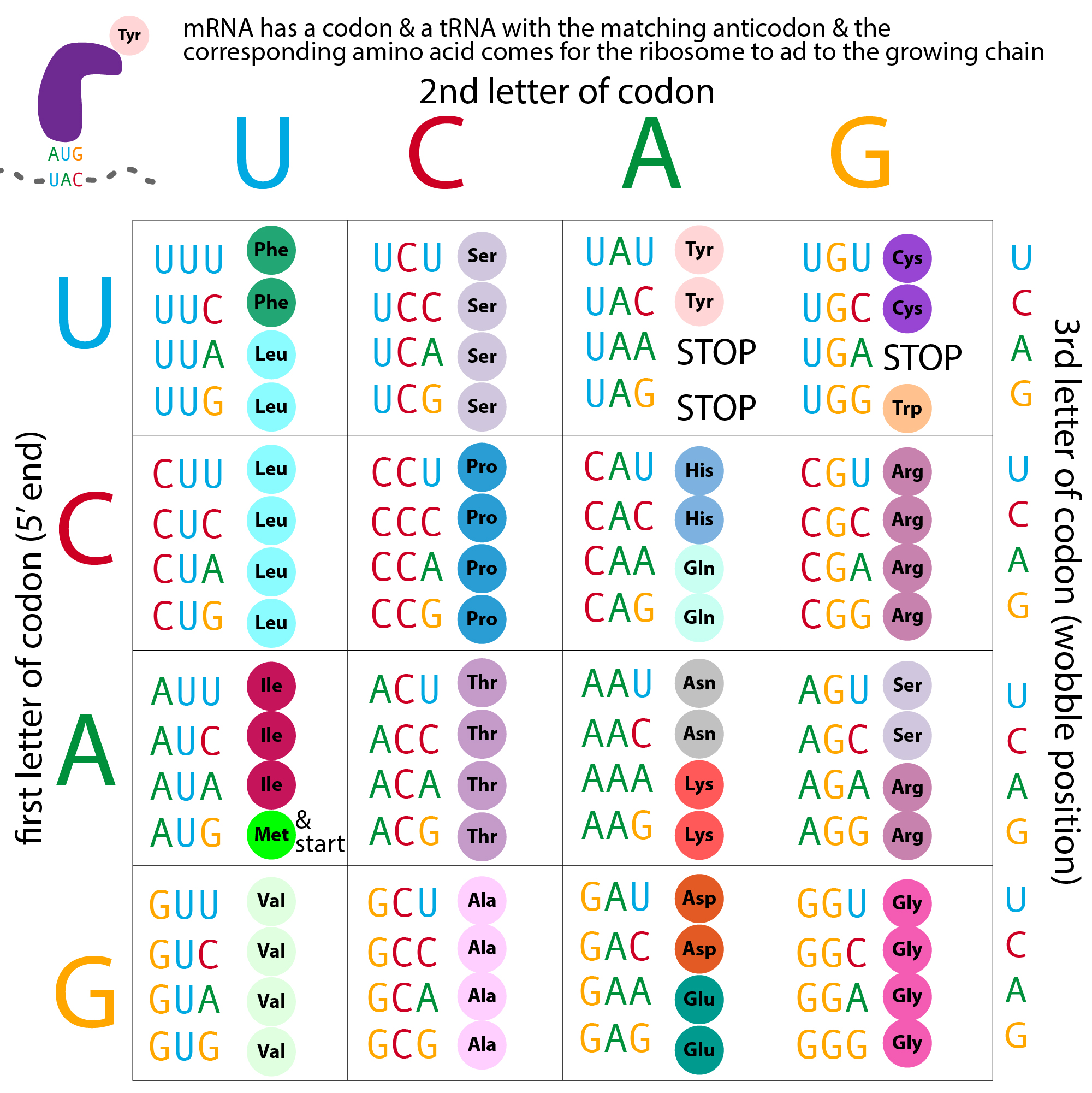
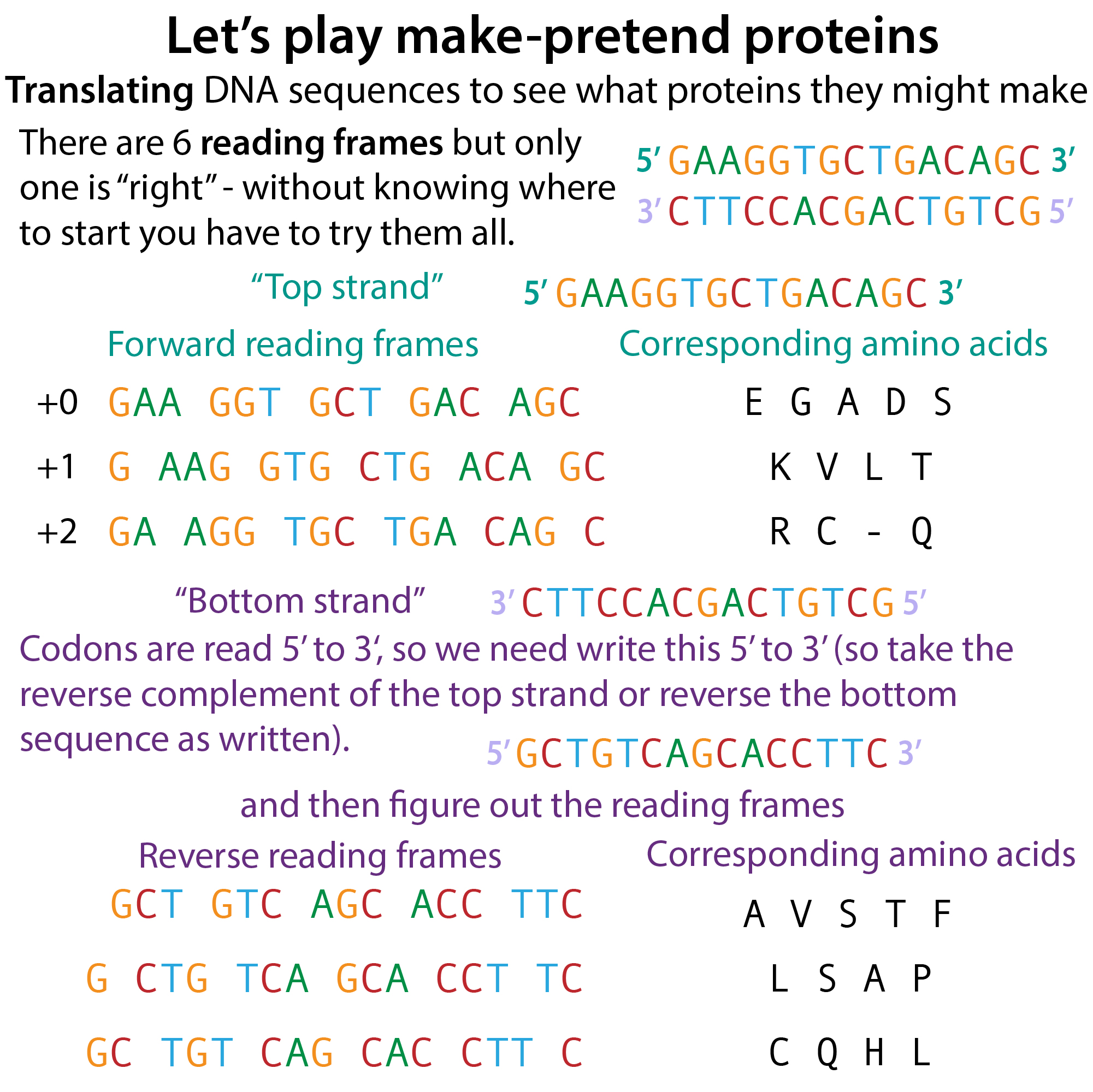
When a cell wants to make a protein, it first makes a messenger RNA (mRNA) copy of the DNA recipe (and edits it to remove regulatory regions, etc.) in a process called transcription. Then, in a process called translation, a protein-making complex called the ribosome travels along the mRNA (or the mRNA travels through it) and joins together amino acids based on the sequence of RNA letters it encounters. The ribosome reads mRNAs in 3 RNA-letter “words” called codons. For example, GAA spells Glutamate (Glu, E), GGU spells Glycine (Gly, G), GCU spells Alanine (Ala, A), GAC spells Aspartate (Asp, D), and AGC spells Serine (Ser, S). It knows what to add because, when the ribosome sits on a codon, a molecule called a transfer RNA (tRNA) with the complementary 3-letters (the anticodon) and the corresponding amino acid on the the other end brings that amino acid to the ribosome and the ribosome adds it to the growing chain of amino acids and then scoots over to the next codon to do it again.
Each protein has at least 1 codon that spells it (there’s some redundancy) but a single codon will only spell one thing (there’s no degeneracy). For example, AAA & AAG both spell lysine. But AAA and AAG will always only ever spell lysine. note: DNA has the letter T instead of U (so, for example, you would get the mRNA sequence GAAGGUGCUGACAGC by copying the DNA sequence GAAGGTGCTGACAGC).
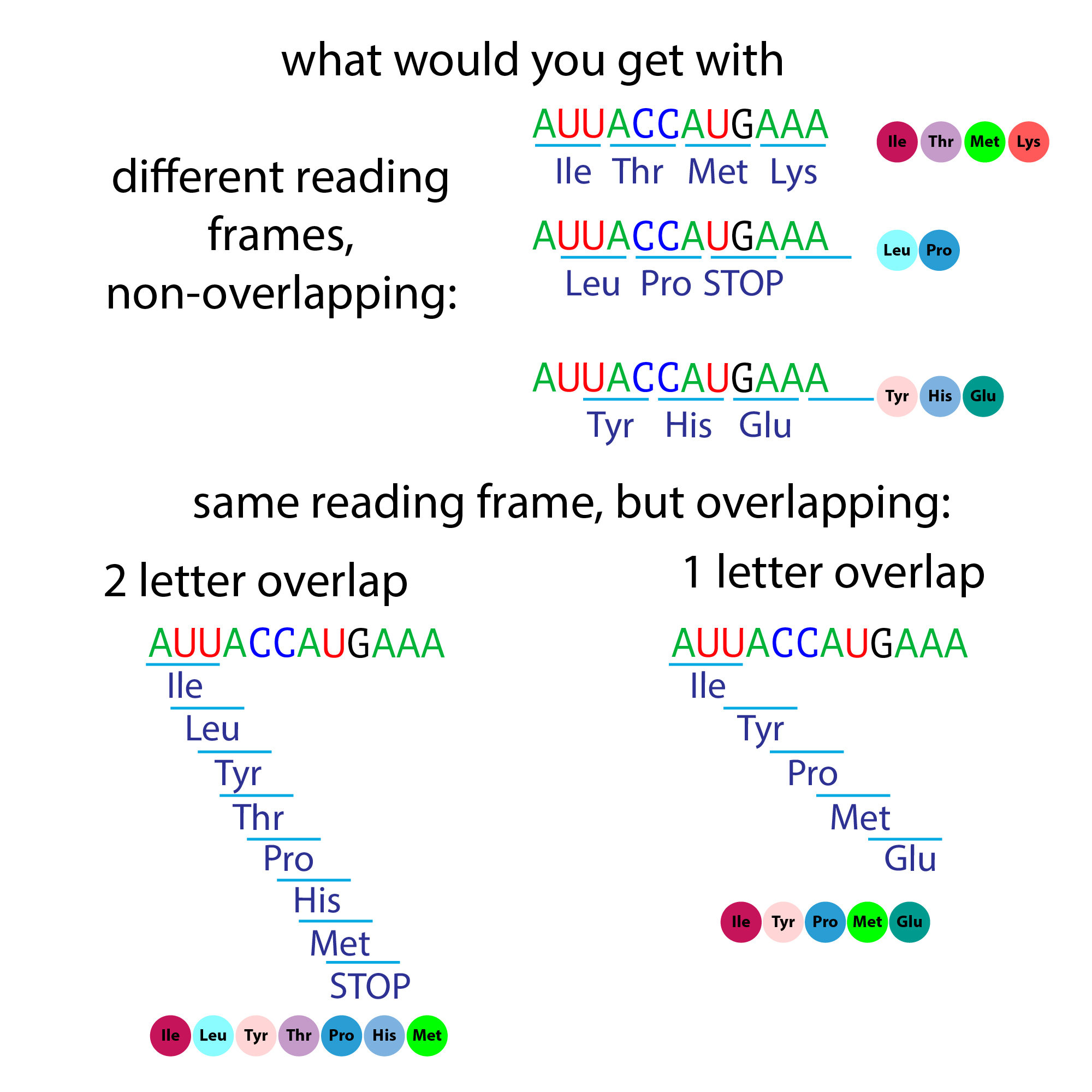
As a consequence, codons are read as non-overlapping words. So, for example, …GAAGGUGCUGACAGC… (…GAAGGTGCTGACAGC.. in DNA letters) spells …EGADS…. This means that where you start reading (your reading frame) matters. (… GAA GGU … is different from … ..G AAG GU. … which is different from … .GA AGG U.. …).
thismakessense but th ismakessense doesn’t. Because the words are 3-letters-long, there are 3 different “reading frames: I can start reading at the T, or the K & be in the same reading frame: THIsmaKESsenSE is in the same frame as thismaKESsenSE. But, if I start from the H or the I, I’ll have shifted frames: tHISmakESSensE or thISMakeSSEnse. You still read all the letters but you read them a sdi ffe ren two rds.
THISISNOTTHESAMEASTHAT
THI SIS NOT THE SAM EAS THA T
T HIS ISN OTT HES AME AST HAT
TH ISI SNO TTH ESA MEA STH AT
Thankfully the ribosome knows where to start reading because it looks for the word for start, AUG (the start codon). Then it stays in the frame it starts at and goes until it reads stop. Then, instead of adding an amino acid, it releases the chain.
The codon AUG signals “start” but it also stands for the amino acid Methionine (Met, M) and when it’s not at the start it will just mean Met. So the ribosome needs other clues to know which AUG is the start.
note: Met only has a single codon – AUG – and that codon will only ever spell methionine, but it can also “moonlight” as a START CODON. – So Met can serve as an INITIATOR tRNA. Note: when bacteria use it in this initiator role, they first add a formyl group to it to make formylthionine (fMet). Once the ribosome gets going, if it encounters an AUG, it treats it like any other codon – adding a methionine and going on its way. So you can find Met throughout protein sequences – but you’l *always* find it as the very first letter unless it gets removed after the fact which sometimes happens.
What if mutations occur?
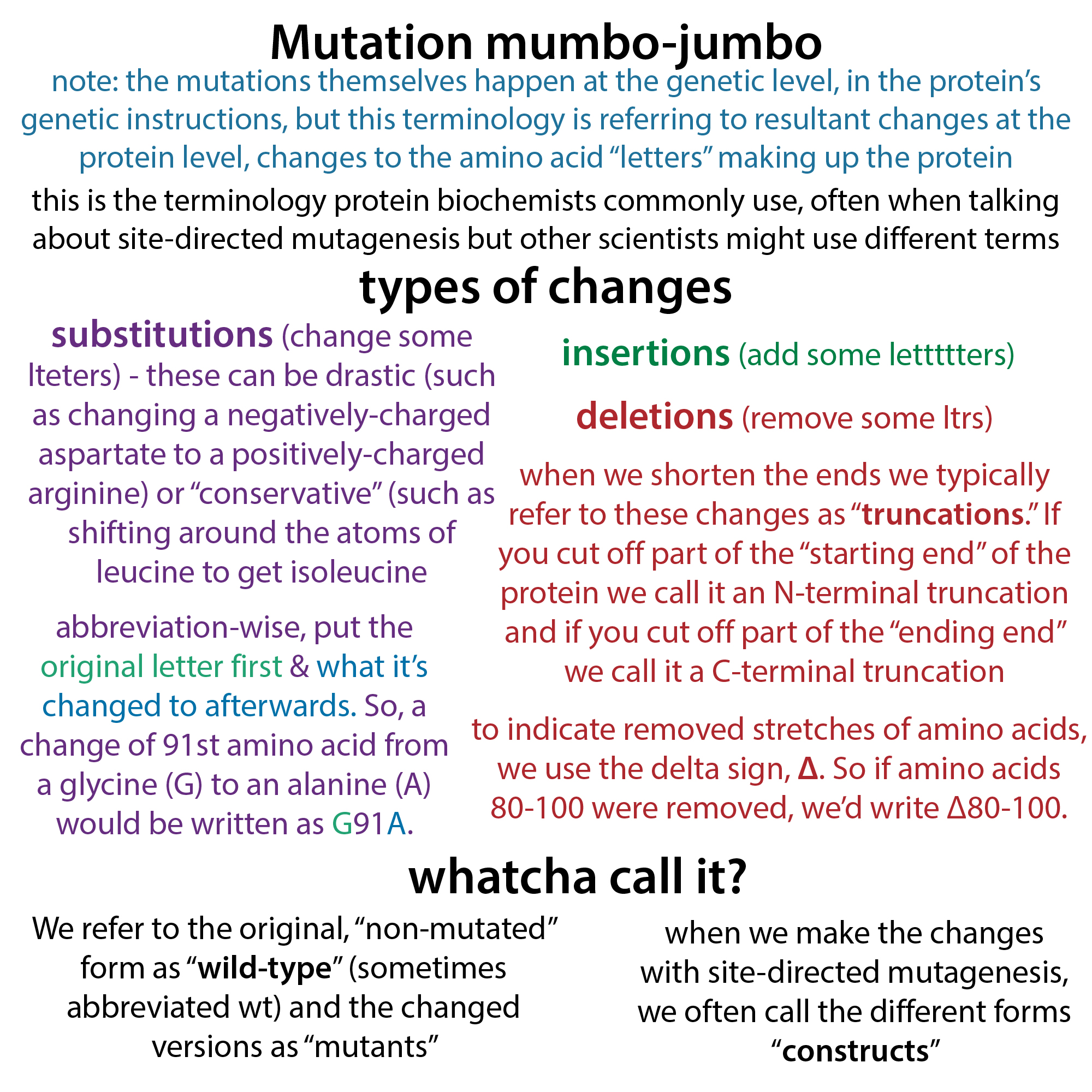
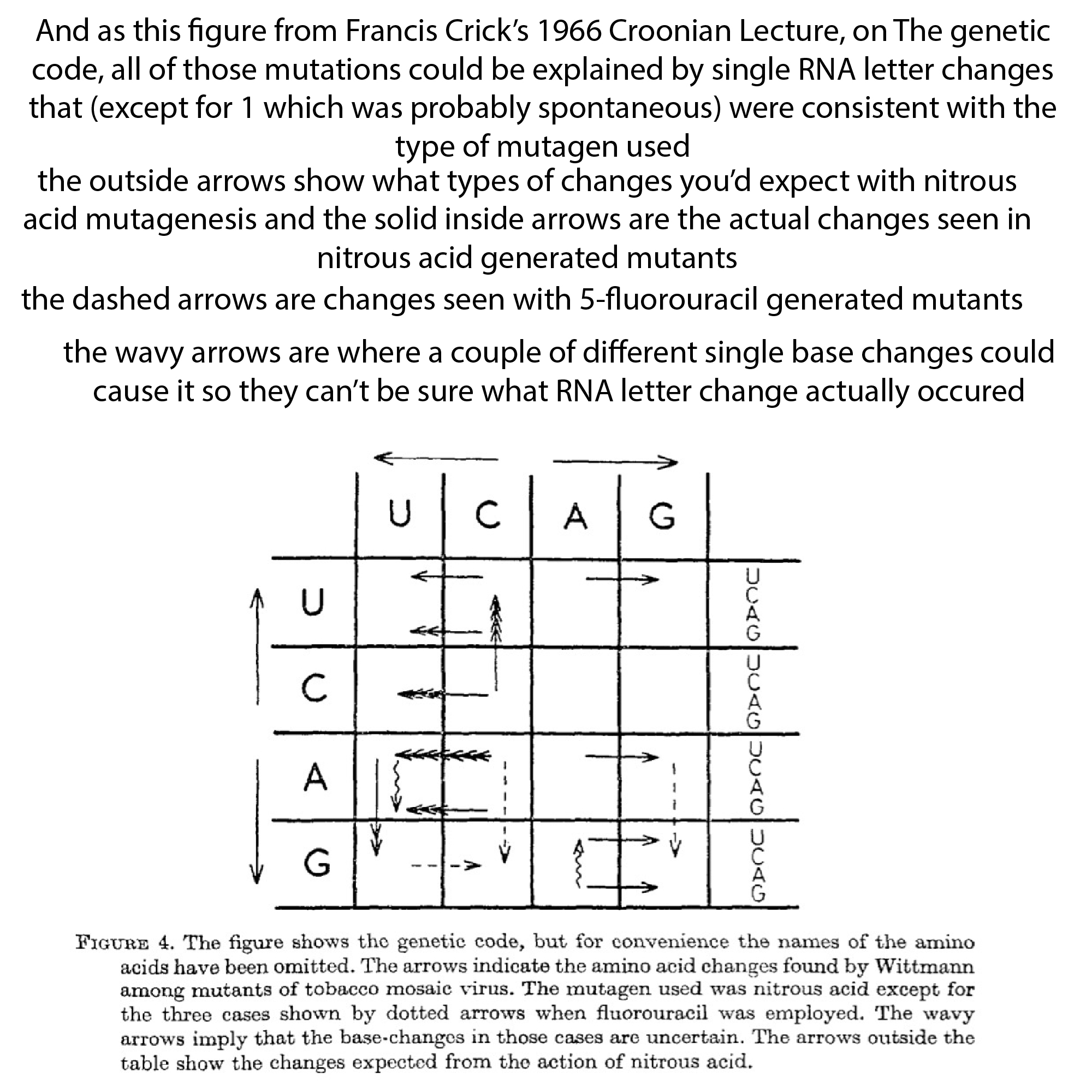
Some mutations involve a single letter change – we call these point mutations. Some are “sense mutations” meaning they don’t change the amino acid that’s spelled (like if the G in AAG got swapped to an A, you’d get AAA which still spells lysine). Other times, however, a mutation changes the amino acid letter, not just the DNA/RNA letter (e.g. if the first A in AAG got swapped to a C – you’d get CAG, which spells glutamine). We call such amino-acid-swapping mutations “missense mutations.” A third option for a point mutation is a “nonsense” mutation – in this case, a mutation turns an amino-acid-spelling codon into a stop codon (UAG, UAA, or UGA), which causes the ribosome to stop making the protein before it reaches the true end of the recipe, leading to truncated partial proteins that might not work well.
Those cases involved single letter swaps – they might cause problems, but they don’t change the “reading frame” – remember, codon words are non-overlapping, so where you start determines your “reading frame” (with 3 options: (e.g. REA DME LIK ETH ISO RTH AT? or R EAD MEL IKE THI SOR THA T? or RE ADM ELI KET HIS ORT HAT ?) and, even if you start in the right frame, if you stick in or remove 1 or 2 letters you can get out of frame.
We call such mutations where you insert or delete DNA letters “indels” and they can cause
REA DME LIK ETH ISO RTH AT?
to become
REA D@M ELI KET HIS ORT HAT ?
REA D@! MEL IKE THI SOR THA T?
REA MEL IKE THI SOR THA T?
REA ELI KET HIS ORT HAT ?
Sometimes indels cause premature stop codons. There are 4 letters in the RNA alphabet (A, U, G & C), so 64 possible codons. 3 of these spell “stop”: UAG, UAA, & UGA
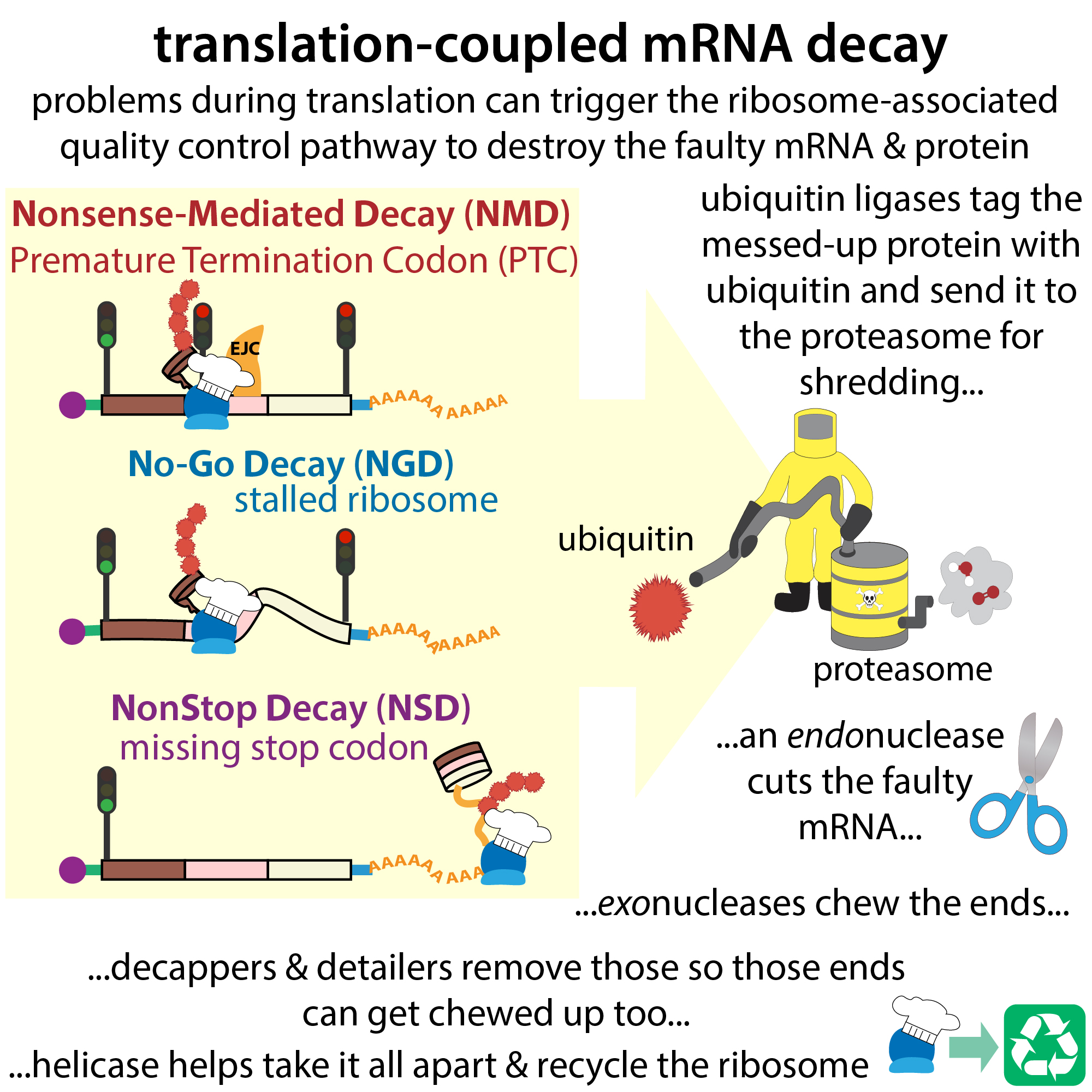
A stop codon can be “hidden” – yoUGAin a stop codon if you read it a certain way. So if there’s a mistake with the transcription (DNA->RNA copying) or splicing (removing the introns) you can gainn or lse letters which can make a stop sign appear where there shouldn’t be one. Or yoUGAn have an incorrect letzer put it which can create a PTC. We call these stop-codon-generating mutations NONSENSE MUTATIONS. So, a process call Nonsense-Mediated-Decay (NMD) provides a way for your cells to detect “bad” mRNA that sneaks past the spliceosomal editors!
In addition to its quality control role, there’s growing evidence that NMD can play a role in getting rid of unwanted but not prematurely-terminated mRNA and it’s an exciting field to watch!
note: If you want to translate a nucleic acid sequence to amino acids in the various reading frames, this website is great for that: https://web.expasy.org/translate/
more on mutations: https://bit.ly/mutation_terms & https://youtu.be/kM8-xn_kC84
more on manipulating & translating nucleic acid sequences on the computer: http://bit.ly/sequencetermstools
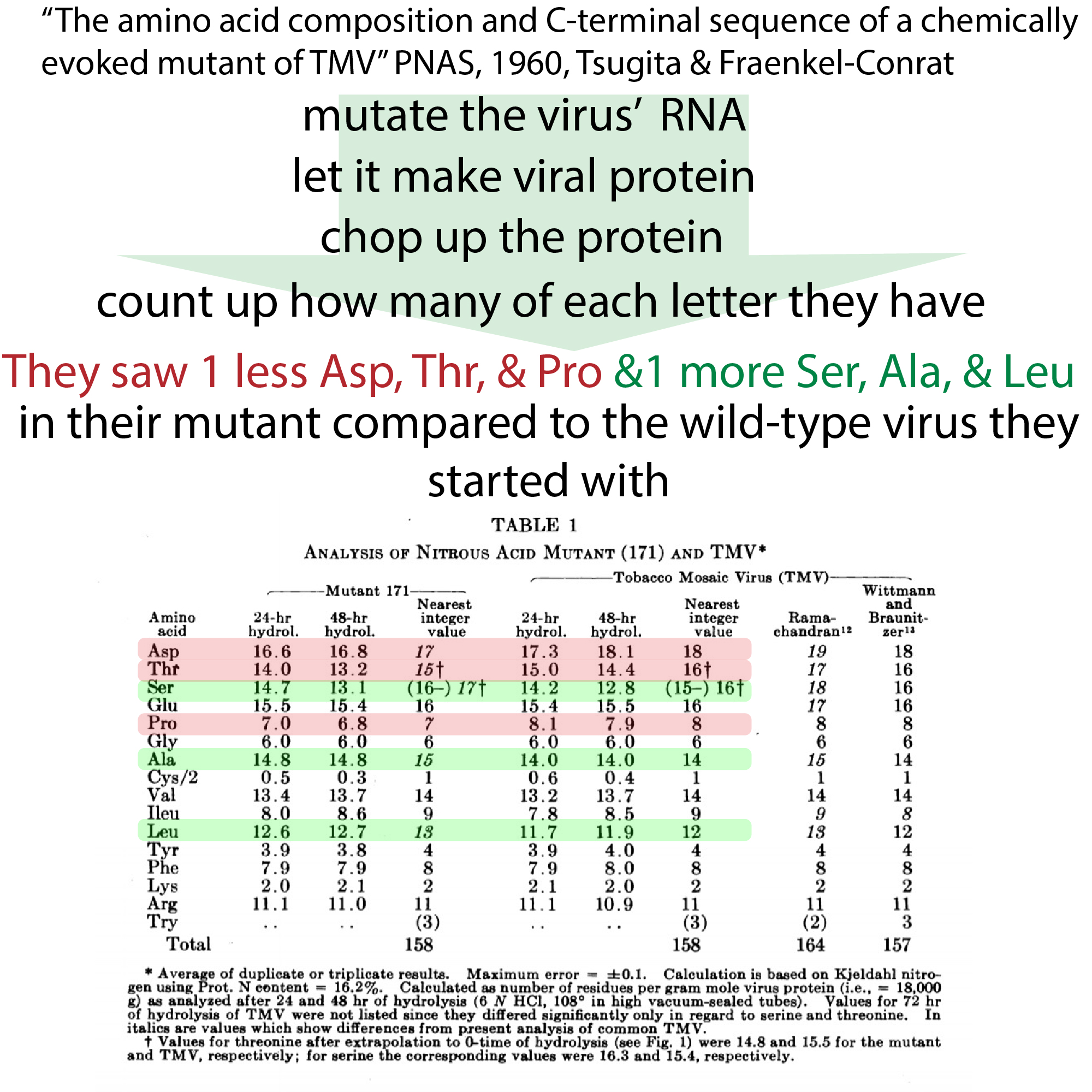
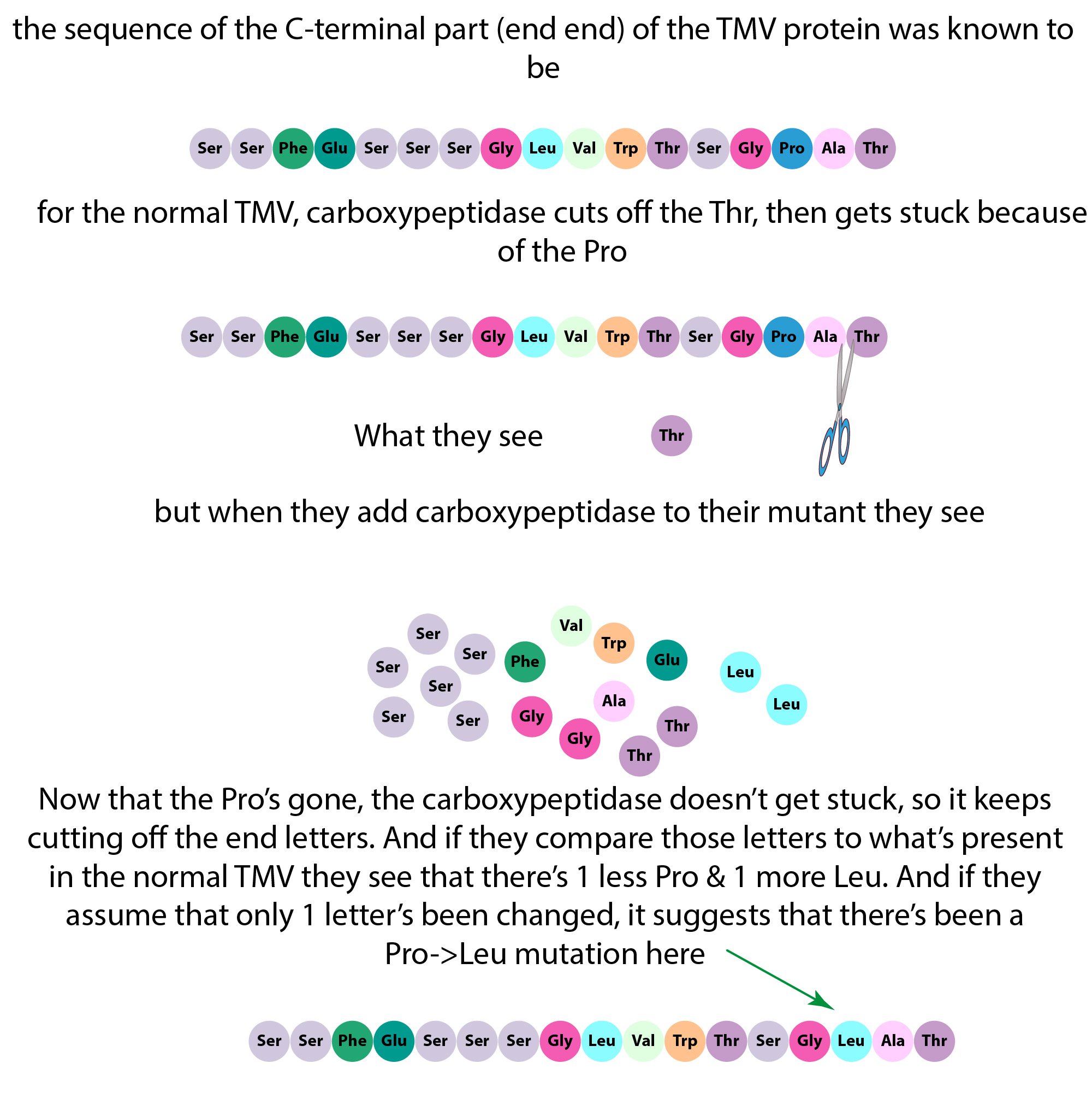
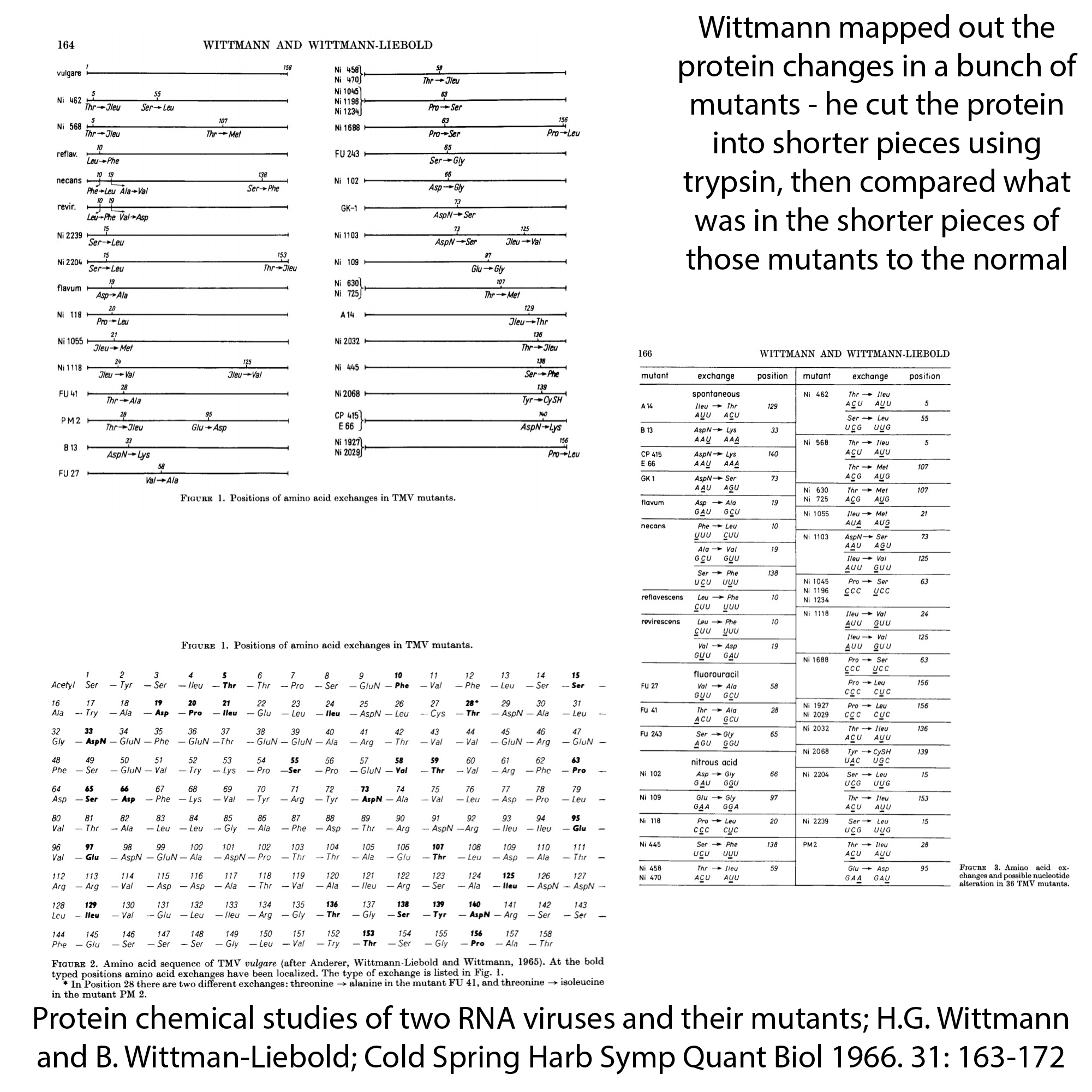
more on how scientists discovered the code was non-overlapping: http://bit.ly/learngeneticcode
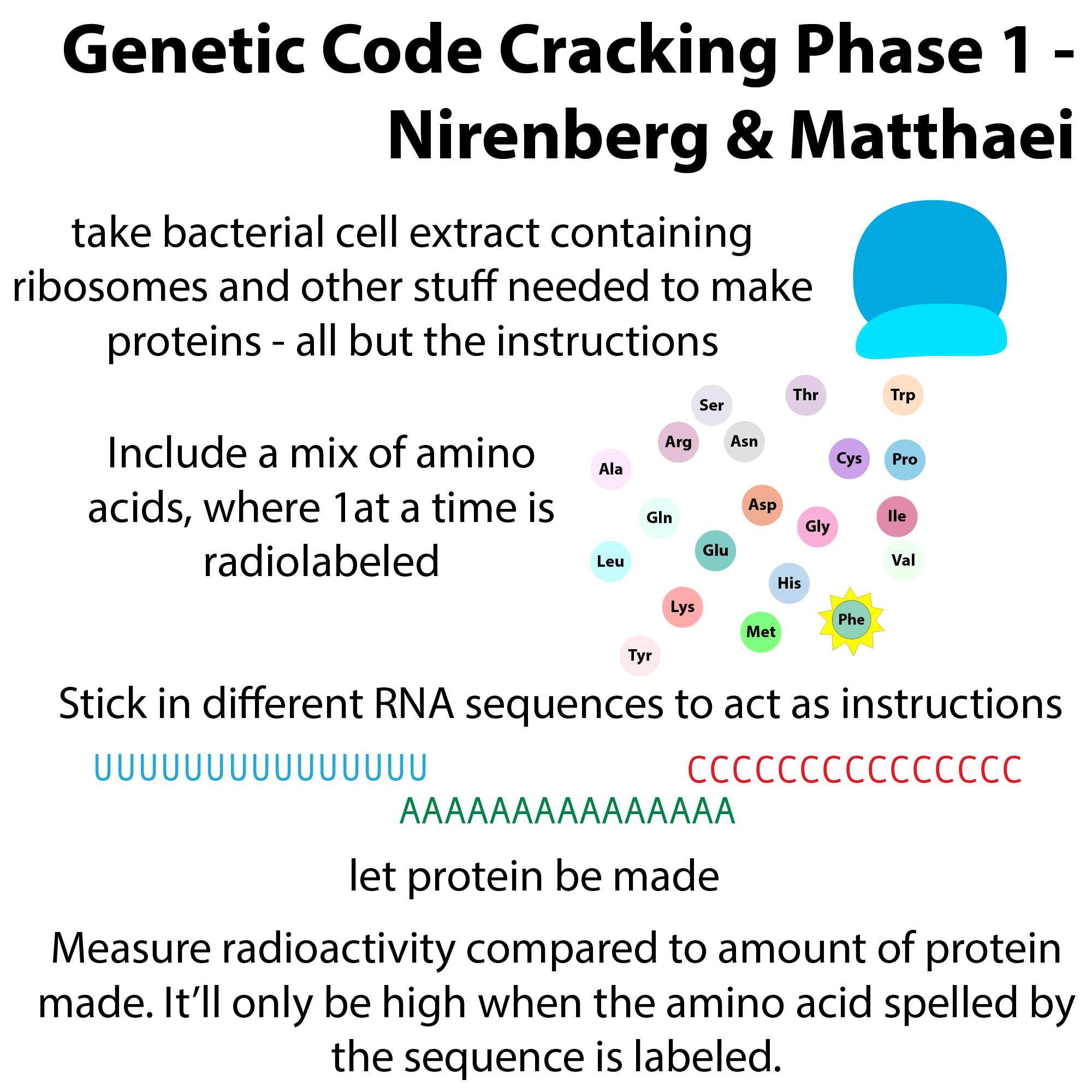
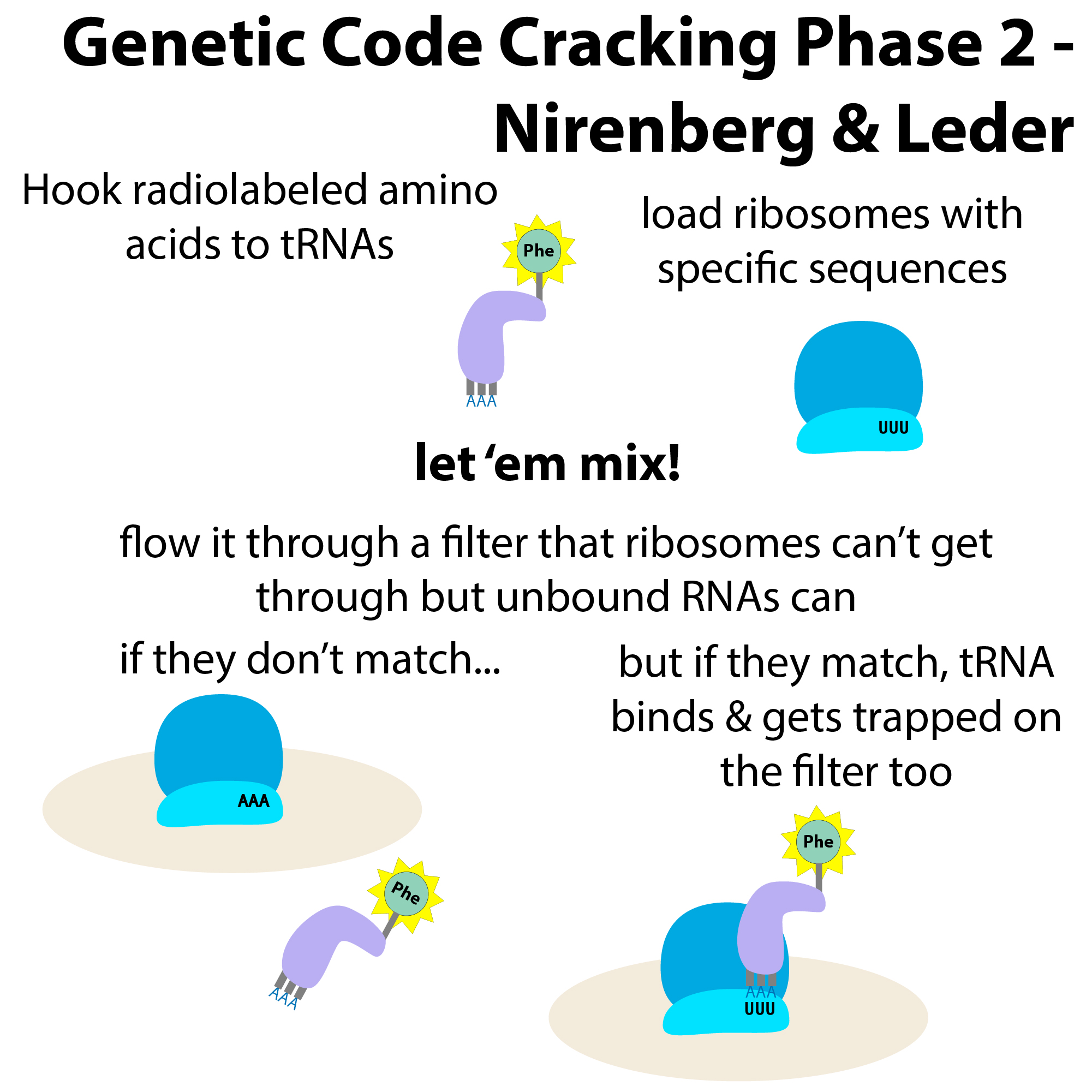
more on how scientists “cracked” the genetic code: http://bit.ly/nirenbergcodecracking & https://youtu.be/eqOh8_3xde8
more on translation-coupled quality control mechanisms: https://bit.ly/rqcontrol
more about all sorts of things: #365DaysOfScience All (with topics listed) 👉 http://bit.ly/2OllAB0 or search blog: https://thebumblingbiochemist.com