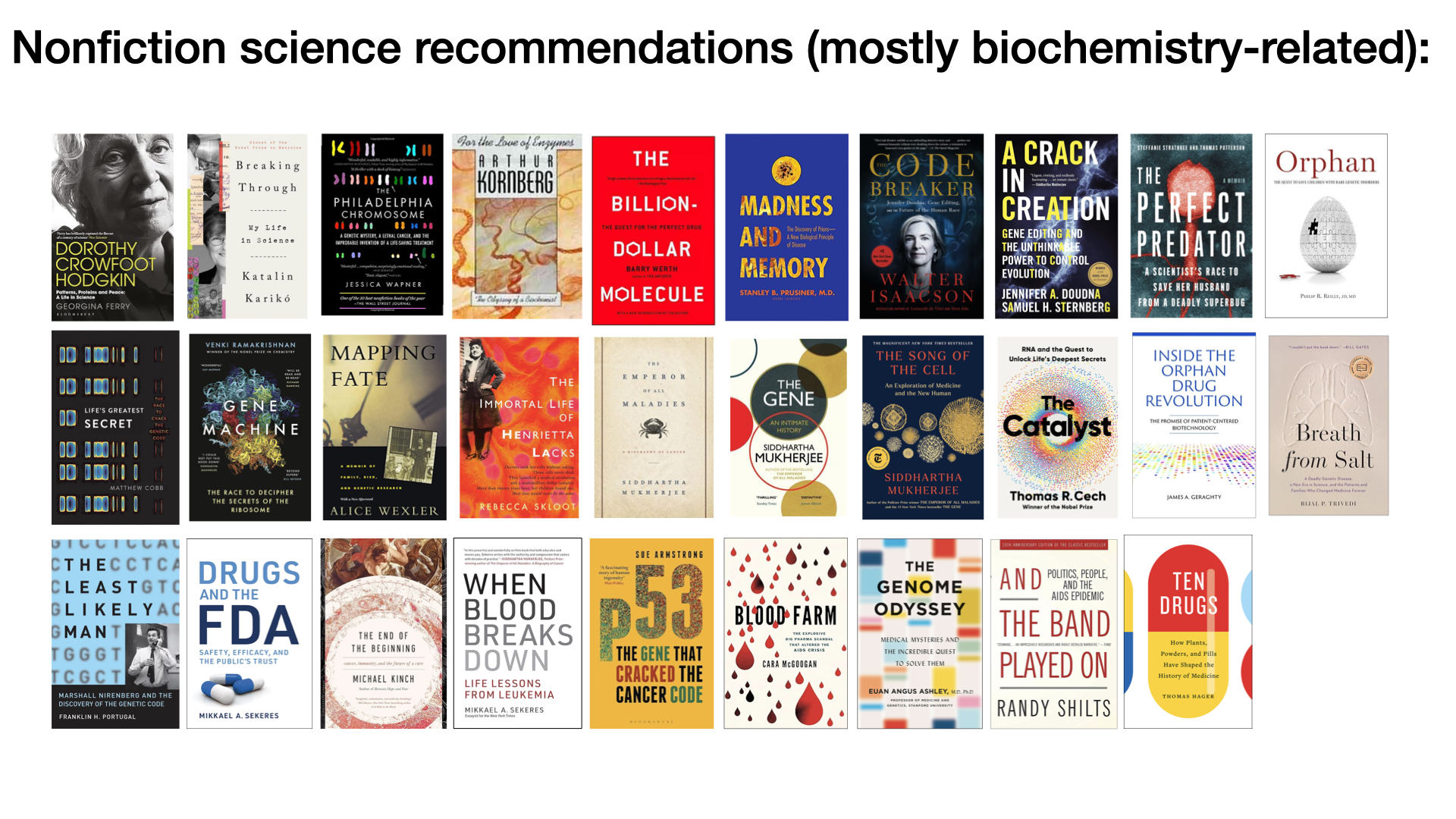
Looking for a summer reading list? I haven’t read anything other than papers and textbooks in a while, so these aren’t new books, but they are some that have stuck with me. Last updated 8/16/26
- The Philadelphia Chromosome: A Mutant Gene and the Quest to Cure Cancer at the Genetic Level, by Jessica Wapner, 2013
- Tells the story of the development of Gleevec, a kinase inhibitor used to treat cancers including chronic myeloid leukemia, or CML. The inhibitor targets a rogue chimeric kinase formed when chromosomes join weirdly, in a form initially found in Philadelphia, hence the book’s name.
- For the Love of Enzymes, by Arthur Kornberg, 1989
- A firsthand account of pioneering enzymology from the Nobel Prize winner who discovered DNA polymerase. Really great look at how science slowly progresses over decades (with lots of hurdles) leading to that big break. Also details some really cool classic enzymology experiments.
- The Billion Dollar Molecule: One Company’s Quest for the Perfect Drug, by Barry Werth, 1995
- Chronicles early research by the pharmaceutical company Vertex to develop a drug to treat cystic fibrosis. It gives an interesting look behind the scenes of pharma (at least how it was back then) and – more of interest to me – it shows how they used “rational design” with structural biology techniques to help them with their drug development. My grad school advisor, Dr. Leemor Joshua-Tor, lent me her copy early in grad school and I really loved it.
- Madness and Memory: The Discovery of Prions–A New Biological Principle of Disease, by Stanley Prusiner, 2014
- Tells the story of how he discovered prions, misfolded proteins that can cause other proteins to misfold and thereby allow a protein to be infectious, such as in the case of “mad cow disease.” Goes into the science as well as the skepticism he was met with continuously until (and even some after) he was awarded the Nobel Prize for his discovery
- Mapping Fate: a memoir of family, risk, and genetic research, by Alice Wexler, 1995
- Tells the story of a family deeply and personally affected by Huntingtons disease. Written by a historian whose mother died from HD and whose sister, Nancy, and father, Milton, helped fuel the research into finding the genetic cause of the disease and pursuing treatments. It is a fascinating look at how scientists mapped genes but also a deeply affecting story of grappling with the implications of having a 50/50 risk of developing a fatal disease.
- Emperor of all Maladies: a biography of cancer, by Siddhartha Mukherjee, 2010
- A historical-present look at cancer biology and treatment – there’s also an accompanying PBS documentary that’s really good
- The Gene: an intimate history, by Siddhartha Mukherjee, 2016
- A historical-present look at molecular biology with another accompanying Ken Burns documentary (2020)
- The Immortal Life of Henrietta Lacks by Rebecca Skloot, 2010
- Tells the ethically infuriating story of the woman HeLa cells come from
- more on this here: http://bit.ly/henriettalacksstory
- Tells the ethically infuriating story of the woman HeLa cells come from
- The Wikipedia Revolution: How a Bunch of Nobodies Created the World’s Greatest Encyclopedia by Andrew Lih, 2009
- Tells the backstory of Wikipedia. I found it really helpful to get a sense of the Wikipedia ethos when starting out. It’s a bit outdated, but still really great. And a lot of it is historical anyways, so it doesn’t matter it was written a while back.
- Breaking through: my life in science by Katalin Karikó, 2023
- Tells the story (in her own words) of mRNA biotechnology pioneer Katalin Karikó’s incredible life journey – from a childhood in Hungary to an undervalued and underfunded scientist at Penn to a hero of the COVID-19 pandemic (her work directly paved the way to mRNA-based vaccines) to a Nobel laureate. Goes into the science, the personal, and the interpersonal and gave me an even greater respect for this amazing woman.
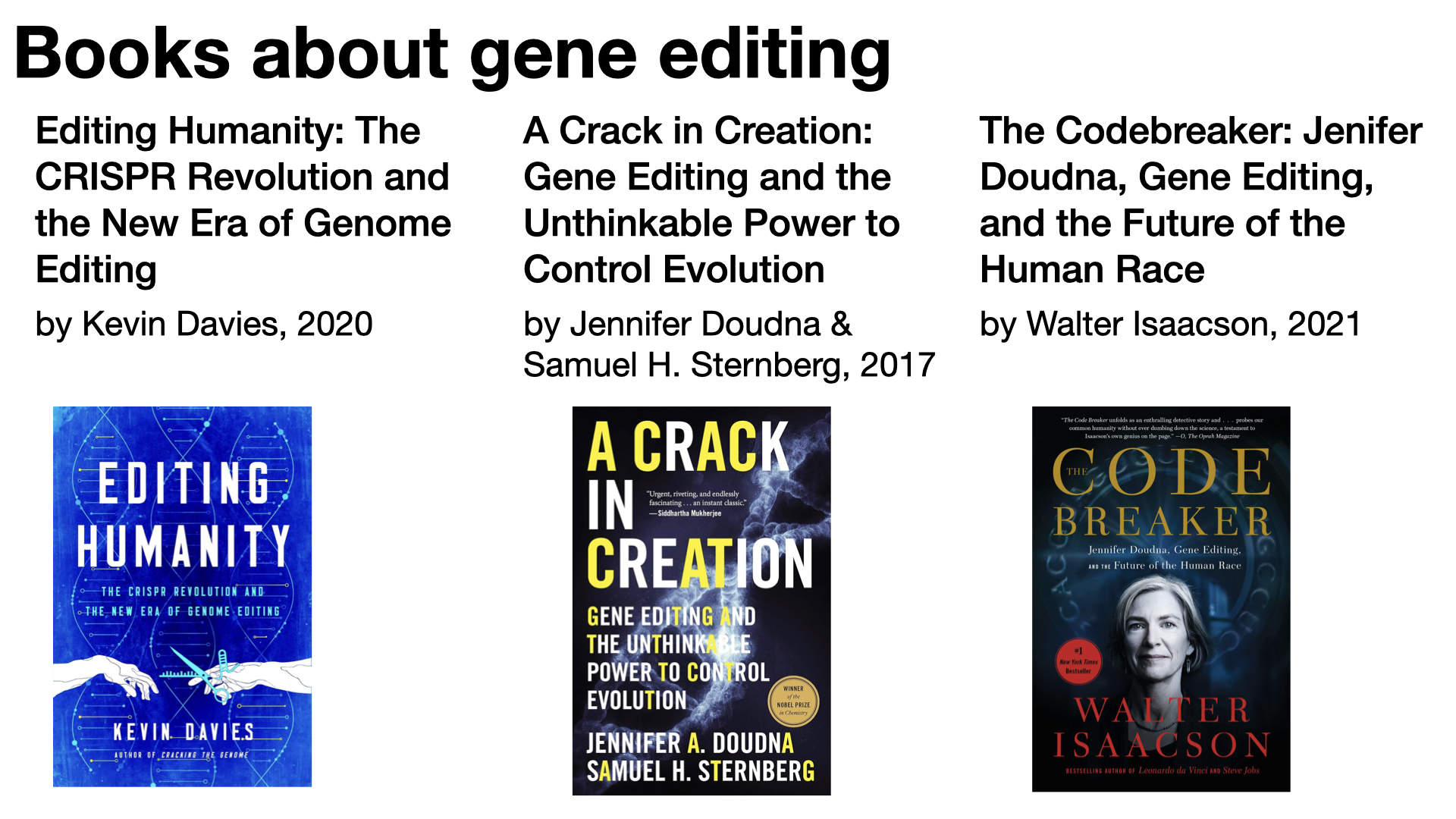
- A Crack in Creation: Gene Editing and the Unthinkable Power to Control Evolution by Jennifer Doudna and Samuel H. Sternberg, 2017
- Tells the story of the development of CRISPR gene editing from inside the laboratory of one of the inventors, 2020 Nobel Prize winner Jennifer Doudna. Also goes into some of the societal implications and ethical dilemmas.
- The Codebreaker: Jenifer Doudna, Gene Editing, and the Future of the Human Race by Walter Isaacson, 2021
- Tells the story of the development of CRISPR gene editing from the outside. Takes a broader lens than Doudna’s “A Crack in Creation,” discovering other contributors, earlier findings, etc. but still features Doudna and her lab predominantly.
- The Catalyst: RNA and the Quest to Unlock Life’s Deepest Secrets by Thomas R. Cech, 2024
- Written by the RNA biochemist and 1989 Nobel Prize winner Thomas Cech, it tells the story of the past (the RNA world hypothesis (that early life was RNA-based), discovery of different types of RNA, etc.), present (CRISPR, RNA therapeutics, etc.), and potential future of RNA.
- Although most enzymes are proteins, Cech found dogma-breaking evidence that RNA could act as an enzyme. Such “ribozymes” are fundamental to life, but before Cech and colleagues, we didn’t know they existed. In addition to going behind the scene of his own discoveries (and the resistance to them he had to overcome), he takes readers on a wide-encompassing journey through RNA science and research.
- Gene Machine: The race to decipher the secrets of the ribosome by Venki Ramakrishnan, 2018
- Written by 2009 Nobel Prize winner Venki Ramakrishnan, it provides an inside view of the race to determine the 3D structure of the ribosome.
- Gives a great look into the goings-on in structural biology (especially crystallography) labs (which I know firsthand so felt nostalgic). Also, working in a highly-competitive, and at times cut-throat, endeavor (which I hope to never know firsthand . . .) Interesting discussion of the role of prizes in science as well.
- I will never forget seeing him present at Cold Spring Harbor Laboratory when I was a grad student. The recording of that talk is on YouTube: https://youtu.be/OSYkco58ArQ
- Breath from Salt: A Deadly Genetic Disease, a New Era in Science, and the Patients and Families Who Changed Medicine Forever by Bijal P. Trivedi, 2020
- Chronicles research on Cystic Fibrosis, centering the tale on parents whose son died of the disease. Does a great job going into the history of research on the disease including the discovery of its genetic cause; the role of patient advocacy groups; and the development of truly life-saving pharmaceuticals.
- The Perfect Predator: A Scientist’s Race to Save Her Husband from a Deadly Superbug: A Memoir by Steffanie Strathdee and Thomas Patterson, 2019
- Fascinating firsthand story of an epidemiologist whose husband was stricken by an antibiotic-resistant bacterium and her desperate efforts to find a cure, ultimately leading to his treatment with phage therapy (using a bacteria-infecting virus to kill the bacteria).
- Does a great job explaining the promise and challenges of phage therapy, as well as highlight the incredible, and growing, global threat of antimicrobial resistance.
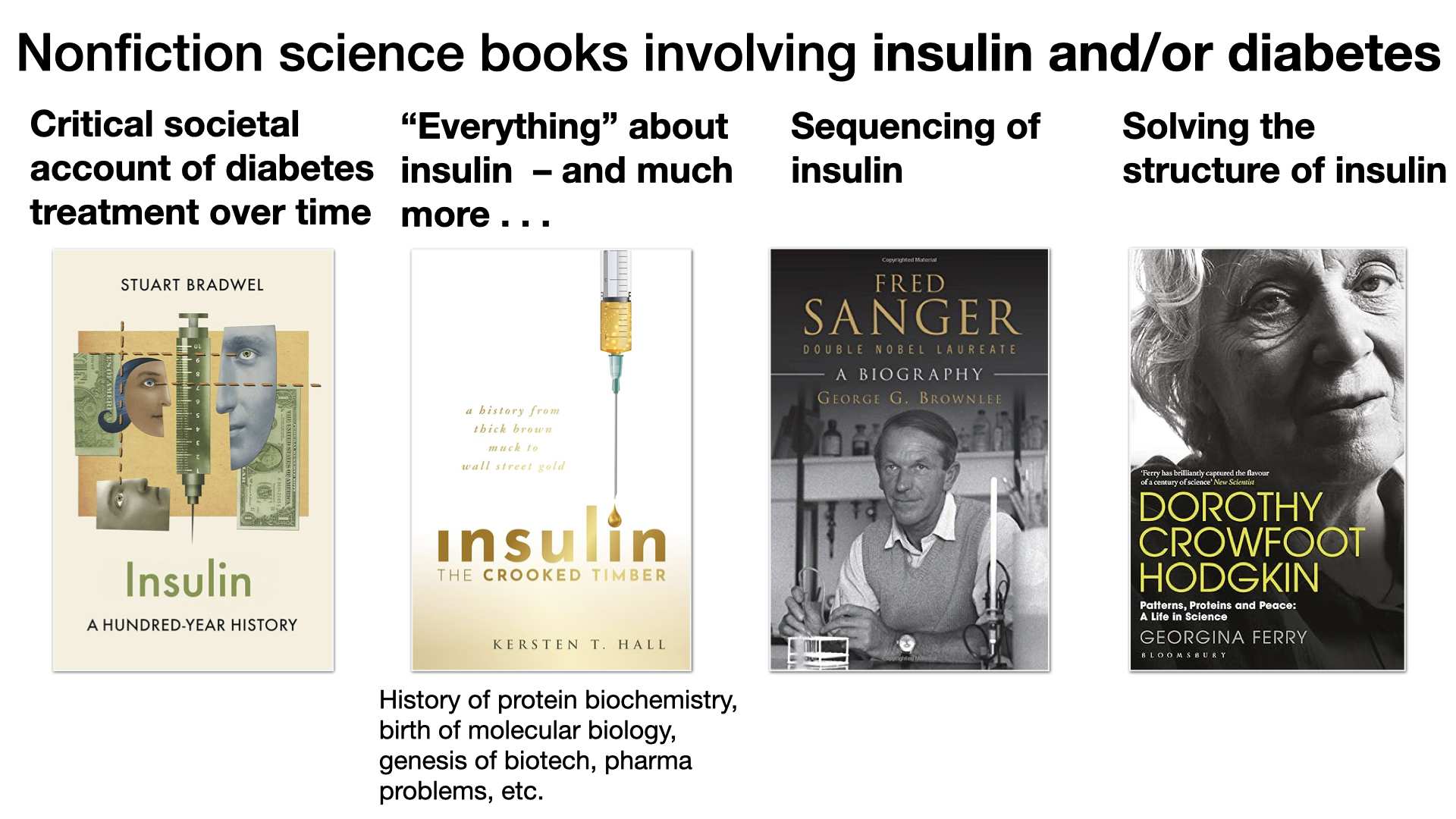
- Dorothy Crowfoot Hodgkin: Patterns, Proteins and Peace: A Life in Science by Georgina Ferry, 2014/2020 (Updated version)
- The life story of one of my all-time favorite scientists, pioneering x-ray crystallographer and peace activist Dorothy Crowfoot Hodgkin who won the Nobel Prize in 1964 for solving the structure of vitamin-B12 (which required playing a significant role in developing crystallographic methods). Her real goal, however, was insulin, and she solved its structure (after years of wrangling with it) in 1969.
- The author does a great job of incorporating Dorothy’s own recollections, diary entries, etc. so you really feel like you get to know her as a person as well as a scientist. After doing so, she seems more awe-inspiring as a scientist, while at the same time also much more human. The book also gives a great behind-the-scenes of the early days of x-ray crystallography. It’s pretty hard-core on the science, but I highly recommend it for anyone interested in structural biology, especially!.
- More on Crowfoot Hodgkin: http://bit.ly/dorothycrowfoothodgkin
- Life’s Greatest Secret: The Race to Crack the Genetic Code by Matthew Cobb, 2015
- Comprehensive telling of the work of many scientists around the world to figure out what genetic information is and how it works biochemically. In essence, if cells have instructions for doing what they need to do (genetic instructions): How is this information stored (discovery of DNA, genes, etc.)? How is it put to use (discovery of the connections between genes, RNA, and protein including the codon code dictating how the sequence of DNA/RNA corresponds to the amino acid sequences of proteins)? How do cells know what to make when (regulatory elements)? and How can this information be passed down to other cells and even other organisms (semi-conservative replication, etc.)?
- Cobb does a great job in detailing the sometimes contentious, sometimes collaborative, often now classic efforts by giants of the field (e.g. Crick) and dark horses coming from behind (e.g. Nirenberg and Matthaei) to answer these questions. More here: http://bit.ly/nirenbergcodecracking
- The Least Likely Man: Marshall Nirenberg and the Discovery of the Genetic Code by Franklin H. Portugal, 2016
- An in-depth inside look at an outsider in the scientific field who beat the elite in the race to crack the genetic code. It goes into the science (including that being done by others at the same time, much of which he wasn’t privy to) enough to please a geek like me, but also shows Nirenberg as a real, relatable, (and seemingly good) human being.
- Portugal, who had personally worked in the lab with Nirenberg, incorporates lots of recollections from Nirenberg’s own lab notebooks as well as from colleagues and interviews. These “extras” provide a fun inside view into his personality and life journey, portraying the picture of a self-driven, somewhat insecure, hard worker, deep thinker, and thorough experimentalist who struggled to prove himself from childhood.
- The book definitely has a more academic vibe than a “general audience” read, so be forewarned but not scared off!
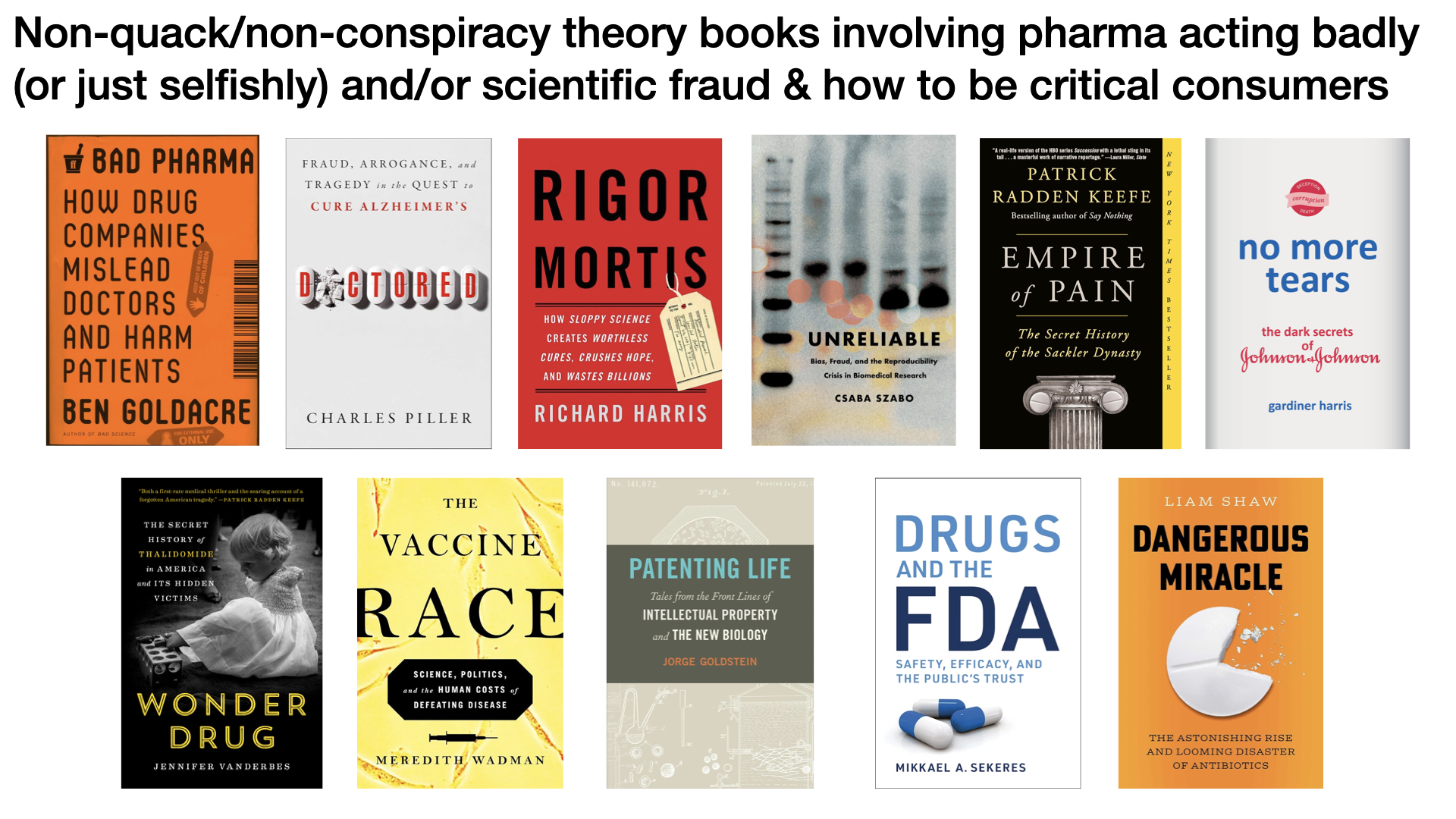
- Drugs and the FDA: Safety, Efficacy, and the Public’s Trust by Mikkael A. Sekeres, 2024
- A comprehensive yet engaging and accessible guide to the establishment, development, recent past and potential future of the FDA (US Food and Drug Administration). An MD who has served on FDA advisory panels, Seekers uses personal stories and real examples to relate the ins and outs of clinical trials and pharmaceutical drug approvals.
- The book paints a picture of why the FDA has been so important for maintaining consumer protection while grappling with the fine line it has to play with enabling patients access to products with unclear or yet unknown benefits. It takes readers behind the scenes to help them understand the rationale behind historical pharma and regulatory choices and decisions that may seem arbitrary and/or out of touch.
- Note: this was written in 2024 and does not address current jeopardization of the FDA’s vital and trusted role, but does help you appreciate what’s at stake.
- The End of the Beginning: Cancer, Immunity, and the Future of a Cure by Michael Kinch, 2019
- Chronicles the history of the understanding of the complex relationship between the immune system in cancer and the recent rise in treatments that use this growing knowledge to harness the immune system to fight cancer. Discusses the (sometimes rocky) development of treatment strategies ranging from conventional “small molecule” drugs, to monoclonal antibodies, to CAR-T and other cell-based therapies. Really interesting biopharma insider’s look.
- P.S. I also enjoyed Kinch’s book “Prescription for Change”
- Inside the Orphan Drug Revolution: The Promise of Patient-Centered Biotechnology by James Geraghty, 2022
- Tells the story of the historically difficult development of treatments for rare diseases that prompted the orphan drug act (which gives pharmaceutical companies incentives for developing them). In addition to interesting stories from the scientific aspects of treatments, and personalized stories of patients, families, doctors, and scientists, Geraghty goes through the history of the act and the sometimes-long-reaching (sometimes in a good way, others not so much) effects it has had on not just the lives of patients with rare diseases, but also the broader biotech and pharmaceutical industries.
- p53: The Gene that Cracked the Cancer Code by Sue Armstrong, 2016
- This is one of those books that takes you behind the scientific and personal scenes of a breakthrough that took place largely over years in scattered labs. In this case, the “breakthrough” is discovering that many cancers are able to “break through” the cell’s defenses against replicating (copying their DNA) if alarm bells go off. And discovering not only that those defenses, called “checkpoints,” normally exist, but how they work or don’t work. This has consequences for both our fundamental understanding of cell mechanisms and the treatment of a large variety of cancers.
- When Blood Breaks Down: Life Lessons from Leukemia by Mikkael A. Sekeres, 2021
- Seekers engrossingly synthesizes years of research on leukemia by weaving it into the stories of 3 “patients,” each of whom is an amalgam of his actual patients. He brings a very empathetic personal touch (and this book makes you feel emotionally) while also going into the scientific breakthroughs that have transformed the understanding and treatment of some forms of leukemia in recent years.
- Blood Farm: The Explosive Big Pharma Scandal that Altered the AIDS Crisis by Cara McGoogan, 2023
- A disturbing look into seedy practices in blood donation prior to stricter regulations that resulted in thousands of people with hemophilia becoming infected with hepatitis and/or HIV. Told largely through the stories of real hemophilia patients, it takes you into their battles against first hemophilia, then the illnesses they subsequently developed and the accompanying prejudice those caused, and finally the court battles they (or their survivors) fought to get compensation.
- The Song of the Cell: An Exploration of Medicine & the New Human by Siddhartha Mukherjee, 2024
- The most recent of Mukherjee’s books, this one explores both the history of research on cells as well as how cells can be manipulated and used as therapies.
- And the Band Played On: Politics, People, and the AIDS Epidemic by Randy Shilts, 1987
- This book takes readers to the frontlines of the AIDS epidemic, as played out from the perspectives of patients, scientists, politicians, and larger societies.
- It does a great job opening the readers’ eyes to some of the complex ways in which scientific progress and life-saving medical advances are shaped by factors outside of “science.”
- On Call: A Doctor’s Journey in Public Service by Anthony Fauci, 2024
- Tony Fauci is best known these days for his efforts to help the US get through the COVID-19 pandemic. But he had a robust career as a research physician (he’s an immunologist) before that, and was deeply involved in both scientific research and policy during the AIDS pandemic.
- Written by Fauci (and read by him in the audiobook which is fun), this book takes you through his life, with its ups and downs and portrays a picture of a highly bright and caring scientist, family man, and human being.
- Ten Drugs: How Plants, Powders, and Pills Have Shaped the History of Medicine by Thomas Hager, 2019
- A fun read/listen about the stories behind a number of pharmaceutical drugs (and classes of drugs), from ones we’ve likely all heard about (e.g. morphine, statins) to ones even I hadn’t heard of (like some early anti-psychotics).
- Hager gives examples of how combinations of luck, hard work, scientific advancements and profit motives contribute to various extents to medical drug discovery, development, and deployment.
- Orphan: The Quest to Save Children with Rare Genetic Disorders by Philip R. Reilly, 2015
- A more technical book than some of the others (but still fairly accessible), this book, in vignette-style, tells stories of different genetic disorders, from discovery to “present” day. In doing so, it introduces readers to various aspects of challenges and themes in rare disease research and how treatment strategies have evolved. It also goes into how regulatory policies (e.g the orphan drug act) have influenced rare disease drug development.
- The Genome Odyssey: Medical Mysteries and the Incredible Quest to Solve Them by Euan Angus Ashley, 2021
- Really interesting and well-written book. A physician-scientist who works with patients with rare diseases uses real stories of patients he’s encountered over his years as a physician to show how DNA sequencing technology has advanced and altered diagnosis and treatment of diseases.
- Breakthrough: The Quest for Life-Changing Medicines by William Pao, 2024
- Tells the backstories of the development of 8 life-changing therapeutics of many types (conventional small molecules, gene therapies, etc.)
- Each is given its own chapter so you can read in parts if you want:
- Risdiplam (Evrysdi): small-molecule splicing modifier for Spinal Muscular Atrophy (SMA)
- Osimertinib (Tagrisso): irreversible inhibitor of mutated EGFR for certain cancers
- Paracetamol/acetaminophen (Tylenol, etc.): pain-reliever with a wild back-story
- Emicizumab (Hemlibra): bi-specific antibody that binds to clotting factors IX & X, bridging and thus activating them to make up for lack of factor VIIIa in hemophilia
- Alpelisib (Piqray and Vijoice): isoform-specific inhibitor of PIK3C (inhibits PIK3Ca)(a kinase involved in cell growth, etc. that’s mutated in some cancers)
- Nirmatrelvir (the antiviral part of Paxlovid): inhibitor of SARS-CoV-2 main protease, building on previously-abandoned work from SARS, the original
- CTX001 (Casgevy): CRISPR-based gene therapy that targets a transcription factor called BCL11A to turn on production of fetal hemoglobin in people with sickle cell disease and β-thalassemia
- Lenacapavir (Sunlenca, Yeztugo): long-acting antiviral therapy for HIV that targets the viral capsid to interfere with delivery of viral contents into cells
- Unlike many drug-development books, it emphasizes the team effort nature of these endeavors, highlighting both big insights and important but often overlooked additions (e.g., medicinal chemists who modify initial “hits” to make them soluble, more stable, etc.). In doing so, it introduces and/or familiarizes readers with a wide range of scientific specialists crucial to modern drug development including biochemists, structural biologists, medicinal chemists, cell biologists, etc.
- It also takes readers behind-the-scenes of drug development, pointing out common hurdles, work-arounds, etc. and how behind every “breakthrough” is typically years of grueling work!
- While many would enjoy this book (it includes enough background to draw in those less familiar with the topics but also scientific detail and extensive footnotes for the already-mostly-familiar nerds like me), it has career-setting potential for undergraduates and advanced high-schoolers.
- Each is given its own chapter so you can read in parts if you want:
- Tells the backstories of the development of 8 life-changing therapeutics of many types (conventional small molecules, gene therapies, etc.)
- Editing Humanity: The CRISPR Revolution and the New Era of Genome Editing by Kevin Davies, 2020
- I’ve read a number of books on gene editing technology, and this is my favorite.
- Incredibly comprehensive (although it was published in 2020 so misses some recent advances).
- Great for those with some molecular biology knowledge and nerdiness, but might be too advanced and/or dense for a more general audience – but try it out!
- Takes readers behind the scenes of labs around the world, rather than just focusing on the big ones you’ve (rightly)likely heard lots about, highlighting the science and the scientists (backstories, personal & colleague accounts, etc.).
- Discusses strengths and weaknesses of various tools, potential applications, potential problems, global legislative efforts, and more.
- Includes the most detailed account I’ve heard/read about the reckless germline editing of human embryos by a scientist in China (He Jiankui), announced in 2018. Although I knew the headlines, I didn’t know the backstory so this was really informative.
- https://youtube.com/shorts/hXxfLPUMu5g
- Crick: A Mind in Motion by Matthew Cobb, 2025
- Comprehensive biology of the wide-renowned, yet also flawed, scientist Francis Crick, co-discoverer of the double-helical structure of DNA (the story of which is meticulously researched and fleshed out in all its nuances that you typically don’t hear about as people “take sides” – but Cobb takes Crick’s side throughout the book on a number of things)
- I learned a lot of things I didn’t know before – including that he and his family actually became close friends with Rosalind Franklin. But that he was also a womanizer and had a number of affairs… (and sexism was largely glossed over in the book)
- But the main focus is on his scientific endeavors, which expanded beyond the world of molecular biology to that of neuroscience. As a biochemist, I mostly enjoyed the first 3/4 or so of the book, which covered in-depth his work on DNA structure, working to crack the genetic code, etc. and wasn’t that interested in the later parts of his life, when he forayed into brain philosophy stuff, but I’m definitely biased and am sure many people will enjoy.
- It’s definitely a dense book, but it’s also definitely approachable to those with a bit of background and I’d recommend it to science history buffs
- The Good Virus: The Amazing Story and Forgotten Promise of the Phage by Tom Ireland, 2023
- Tells the story of research on phages (bacteriophages) – viruses that infect bacteria.
- Unlike many phage books, it emphasizes not only their potential as therapeutics to treat drug-resistant bacterial infections, but also their natural environmental roles as well as their uses in food manufacturing and other industries.
- Nine Pints: A Journey Through the Money, Medicine, and Mysteries of Blood by Rose George, 2018
- BLOOD! All you wanted to know about it and more, told from both a scientific and a societal perspective
- Some of the topics covered: blood donation (including profiteering, ethical considerations, regulations, policies, etc. around the world), hemophilia, HIV/AIDS, plasma transfusions, synthetic blood, taboos around menstruation, etc.
- From One Cell: A journey into life’s origins and the future of medicine by Ben Stanger, 2023
- Chronicles research on developmental biology as well as the development and potential application of stem-cell based therapies.
- Good Blood: A Doctor, a Donor, and the Incredible Breakthrough That Saved Millions of Babies by Julian Guthrie, 2020
- Tells the story of the discovery of why mothers sometimes have an immune reaction to their baby’s blood that puts the baby’s life at risk (a condition called Rh disease) – it comes down to “Rhesus incompatibility” – basically if the mom’s blood type is Rh negative and the baby is positive, the mom’s immune system will see it as foreign and attack. This book describes the surprising story of how scientists figured this out and found an anti-Rh(D) antibody in a blood sample that they could give mothers to prevent this attack (RhoGAM: Rh Immune Globulin). Certain people have a lot of this antibody and an Australian man named James Harrison was found to have a TON of it. He went on to donate blood plasma (the cell-less part of blood) over and over and over throughout his life (1173 times!!!!) until he was forced to stop because they had an age limit.
- The book humanizes complex topics through stories of Harrison as well as the scientists and doctors at the forefront of 1) making the crucial discoveries, 2) testing their ideas in the lab, 3) testing their ideas as therapies, 4) getting their treatment strategies adopted.er, 2023
- The Breakthrough: Immunotherapy and the race to cure cancer by Charles Graeber, 2018
- Takes readers through time and across continents to explain how scientists and doctors have striven to unleash a person’s own immune system to fight off cancer – initially crudely (with limited success) and then, through lots of hard work of scientists to tease apart immune mechanisms, to ingenious precision medicines such as CAR-T therapies, which modify immune cells to recognize and attack tumor cells while sparing healthy ones.
- An Elegant Defense: The Extraordinary New Science of the Immune System: A Tale in Four Lives by Matt Richtel, 2019
- This book introduces people to various components of the immune system through the lens of the stories of 4 patients: a man with HIV defying the odds, a cancer patient treated with immunotherapy, and two patients with autoimmune diseases.
- It highlights the delicate balance between too little and too much immune system activity, as well as just how complicated the immune system is!
- These caveats in mind, it discusses technological advances and new therapeutics taking advantage of what scientists have learned about this intricate system over the years – antibody therapies, etc.
- Vaccine Race: Science, Politics, and the Human Costs of Defeating Disease by Meredith Wadman, 2017
- Tells the story of the development of a vaccine for rubella, which saved countless lives and led to the development of new technologies that enabled the development of vaccines for other illnesses.
- That itself would make for an interesting story, but it’s complicated . . . . the development of the vaccine involved the development of new cell culture techniques, some controversial (e.g., the use of fetal cells).
- Aside from debates over the ethics of the cell line, the book also delves into debates about ownership of experimental samples and findings, etc. And it details highly unethical trials carried out on vulnerable populations (institutionalized, imprisoned, etc.).
- Polio: An American Story by David M. Oshinsky, 2005
- Describes the history of polio in the US, including the science (largely the race to develop a vaccine), as well as the societal responses (choice of vaccines, implementation of vaccine testing strategies, buy-in to vaccination programs, fundraising efforts, etc.). Paints a stark contrast to the current era…
- As Gods: A Moral History of the Genetic Age by Matthew Cobb, 2018
- A detailed history of genetic engineering, including the science, scientists involved, moral & ethical considerations and potential uses. Included are discussions of controversial aspects of gene editing including germline editing, gene drives, and plant editing.
- Denser than some other books on gene editing, but great for those with a bit of background and a lot of interest.
- The Secret Body: How the New Science of the Human Body is Changing the Way we Live by Daniel M. Davis, 2021
- Each chapter covers 1 of 6 areas of research: cells, fetal development, the immune system, the brain, the microbiome, & the genome. It takes readers behind the scenes with the science and scientists doing research “now,” with implications for potential future technologies, etc..
- Written to be accessible to a broad audience
- Living Medicine: Don Thomas, Marrow Transplantation, and the Cell Therapy Revolution by Fred Appelbaum, 2023
- Tells the history of the development of bone marrow transplantation as a life-saving therapy, largely focusing on the life and work of Don Thomas, who was the pioneer of this treatment and won the Nobel Prize in 1990).
- Told from an insider’s perspective (Appelbaum trained with Thomas)
- Biography of Resistance: The Epic Battle Between People and Pathogens by Muhammad Zama, 2020
- Discusses the growing global problem of antimicrobial resistance (AMR) from a holistic perspective. It goes into the science, the findings of resistant strains, investigations of the causes of resistance, efforts to combat resistance, etc. A key focus of the last part of the book is how this is a global problem that is as societal and economic, as much as (even more than perhaps) it is a scientific one. It also profiles some of the key people at the frontlines of raising alarm and taking action.
- Miracle Cure: The Creation of Antibiotics and the Birth of Modern Medicine by William Rosen, 2017
- Broadly, this book tells the story of the development of the global pharmaceutical industrial complex, through the lens of antibiotic discovery and commercialization, with which it is intimately tied up.
- It’s a really interesting book, but I got myself just feeling fed up at times with the pettiness of almost all of the forefathers of microbiology and pharma. It also was fairly dense and I got a bit bored with it at times, but I’d still recommend it and am glad I read it because it did give a comprehensive and “uncut” view of things that’s often lacking in other books.
- Fred Sanger – Double Nobel Laureate by George G. Brownlee, 2014
- Comprehensive biography from one of Sanger’s trainees that’s heavy on the science (just like I like it!) It includes extensive interviews with Fred Sanger and lots of great pictures and figures taking you through the development of Sanger sequencing (for DNA, RNA, and proteins).
- It also includes reminiscences by colleagues and peers.
- Patenting Life: Tales from the Front Lines of Intellectual Property and the New Biology by Jorge A. Goldstein, 2024
- Explains patent law surrounding biotech and pharma – sounds like it should be really boring, but Goldstein makes it really interesting and engaging. He trained as a chemist but then became a biotech patent lawyer.
- Discusses various rules and regulations surrounding pharmaceutical drugs, biologics, GMOs, etc. (mainly in the US but also contrasts with other countries) through the stories of actually cases (many he was involved in) and how they can be helpful for some things but harmful for other things.
- In addition to shady tactics, the book also talks about some cool science behind various technologies.
- The Forever Fix: Gene Therapy & the Boy Who Saved It by Ricki Lewis, 2012
- Details the (rocky) history of gene therapy, interwoven with the story of a young boy who had his vision restored through it. The boy, Corey, has a disease called Leber congenital amaurosis type 2 (LCA). Scientists injected the gene for making the needed protein into his eye with spectacular results.
- The title refers to the fact that Corey became a sort of poster boy for gene therapy, a visual display of the clear potential benefits of the technology (for certain applications – the eye’s a lot easier to target, as are monogenic (single gene) diseases). This injection into the eye was a shot in the arm for the gene therapy industry, which was still struggling to get established after a rocky start including the death of a trial volunteer (Jesse Gelsinger) for a different trial.
- Throughout the book, Lewis discusses gene therapy efforts for other diseases as well as the advocacy work of rare disease communities.
- The Lost Family: How DNA Testing Is Upending Who We Are by Libby Copeland, 2020
- Tells about the history of at-home DNA testing and what it can – and cannot – tell people. Sometimes, people over-interpret it, while at other times they underestimate how much information it can reveal. And whom that information might go to and whom it might affect.
- Discusses the complex ethical questions that can arise, as well as surprising secrets and mysteries that can be revealed through it – written around an investigation carried out by a woman trying to figure out why she got DNA results that conflicted with what she’d expected.
- Also goes into the idea of identity, and what our genetics, and what our ancestry, contributes to it but is far from the only thing.
- Wonder Drug: The Secret History of Thalidomide in America and Its Hidden Victims by Jennifer Vanderbes, 2023
- Tells the story about how thalidomide, although never FDA-approved in the US (thanks largely to Frances Oldham Kelsey), preventing countless miscarriages and babies born with birth defects such as unformed or underformed limbs, it was still given to lots of women in the 50s & 60s through “trials” run by the pharmaceutical company William S. Merrell Company as a cover for selling it.
- Highlights the work of Kelsey and others as well as the families affected and their fights for justice.
- Bad pharma: how drug companies mislead doctors and harm patients by Ben Goldacre, 2013
- Helps teach people to think critically–the most useful skill!
- Provides easy to understand explanations of various ways biases can creep into clinical (and pre-clinical) trials and the way findings from studies are presented.
- A bit out of date, and there have been some improvements in regulation on some fronts, so I hope there will be an updated edition published
- Appropriate for both the general consumer of the products of this research (i.e., everyone) to help them better understand (and think critically about) product claims; and the researchers and doctors who need to guard themselves against being unduly influenced and/or perpetrating problems unwittingly in their research or practice.
- Doctored: Fraud, Arrogance, and Tragedy in the Quest to Cure Alzheimer’s by Charles Piller, 2025
- The rise and downfall of some of the “groundbreaking” work on Alzheimer’s disease, which set the course of future research and clinical development, but was later revealed to be fraudulent.
- Talks about how, especially in high-pressure environments and competitive fields, scientists can “go rogue” – and sometimes get away with it.
- Along similar lines: Rigor Mortis: How Sloppy Science Creates Worthless Cures, Crushes Hope, and Wastes Billions by Richard Harris, 2017 and Unreliable: Bias, Fraud, and the Reproducibility Crisis in Biomedical Research by Csaba Szabo, 2025
- Empire of Pain: The Secret History of the Sackler Dynasty by Patrick Radden Keefe, 2022
- Goes more into the lives of the Sackler family members than I was really interested in, but I am glad I read because it also offered a lot of insight into how the opioid crisis arose and was goaded on by Purdue Pharma.
- Details shady practices in pharma and how companies get away with them.
- I also recommend HBO’s “Dopesick” which covers a lot of the content as well (in an easier-to-digest format)
- No More Tears: The Dark Secrets of Johnson & Johnsonby Gardiner Harris, 2025
- I expected a lot of shady behind-the-bottle actions of companies like Purdue Pharma, having heard (and read) about the opioid crisis, and their active role in purposefully escalating it – but was not expecting just how much bad stuff has gone on at Johnson & Johnson over the years! But it has indeed!
- Details bad behavior by J&J in multiple contexts including: asbestos in baby powder, pushy marketing of off-label drug use and use in children, defective products, unsafe manufacturing processes, and yep even fueling of the opioid crisis.
- Harris was an NYT reporter and treats this as a thorough investigation.
- Dangerous Miracle: The Astonishing Rise and Looming Disaster of Antibiotics by Liam Shaw, 2025
- Tells stories of antibiotic development (and the current lack of development) alongside the development of antibiotic resistance through the stories of different antibiotics.
- Talks about lack of incentives for pharma to develop new antibiotics and potential strategies to correct this problem – subscription models, etc.
- Insulin: the crooked timber: a history from thick brown muck to Wall Street gold by Kersten T. Hall, 2022
- If you’re anticipating a book about insulin, you might get more than you bargained for. Turns out, this book is a very wide-reaching science history book – covering topics such as early protein biochemistry, the birth of molecular biology, the genesis of biotech, and pharmaceutical shenanigans.
- A great read for science history buffs, but definitely not what I was expecting, so know what you’re getting yourself into! (And it’ll help if you have a biochemistry and/or molecular biology background already)
- Told in 3 parts:
- Discovery of insulin – you might have heard of Banting & Best, perhaps even their feud with Macleod and Collip, but it actually turns out it’s way more complicated and there were others before them
- Discovery of the nature of insulin – Fred Sanger figuring out its sequence, Dorothy Crowfoot Hodgkin solving its structure, etc.
- Development of insulin as a pharmaceutical product – birth of biotech, development of different “designer” insulin, controversies over price, etc.
- Insulin: A Hundred-Year History by Stuart Bradwel, 2023
- A much more accessible book than Hall’s “Insulin: the crooked timber”
- Rather than focusing on the scientific discovery of insulin, it takes a patient’s perspective and covers diabetes treatment over time more broadly from more of a sociological perspective
- Criticizes paternalistic treatment of people with diabetes over time
- Takes a critical view of expensive “improved” versions of insulin while patients struggle to access &/or afford even the basic form
- Takes on the incredible injustices in insulin (in)accessibility
- Tyranny of the Gene: Personalized Medicine and Its Threat to Public Health by James Tabery, 2023
- Discusses the tension between personalized and precision medicine (which purport to deliver the right treatment to the right patient at the right time, often by taking advantage of genetic information and pricy, fancy, treatments), and public health.
- Takes you behind the scene of governmental decisions to prioritize precision medicine over public health initiatives, largely fueled by the Human Genome Project and its offshoots – Basically, we’ve got all this data, so now what?…
- Emphasizes the continuing importance of public health and environmental and societal factors in an age focused on technological fixes to, often complex and multifaceted, medical conditions
- Breakthrough: The Race to Find the Breast Cancer Gene by Kevin Davies and Michael White, 1996
- At its heart, this book is about the search for the cause(s) of breast cancer – encompassing both scientific and societal aspects of the quest.
- It centers around the discovery and genetic identification/isolation of the BRCA1 gene, which, when mutated, predisposes people to breast and ovarian cancers.
- In order to help readers understand the context of this multi-year, multi-lab, multi-continent quest, Davies describes work by scientists around that time to genetically map other genetic diseases including Cystic Fibrosis (CF), Huntington’s Disease (HD), and Neurofibromatosis (NF). These descriptions get into some serious science, detailing logistics of techniques ranging from genealogy tracing to classical genetic “mapping” techniques including “positional cloning” in which scientists used genetic markers (such as restriction fragment length polymorphisms (RFLPs) and microsatellites, for those curious) to see what features of DNA nearby the elusive gene tended to be inherited along with the mysterious mutant, thus homing in on the target.
- Although science-heavy (to my great pleasure) the book is written in a compelling, edge-of-your-seat manner, and provides back stories and descriptions that make the real-life characters come alive.
- It took me a while to get around to reading this book because it doesn’t have a digital version (at least not yet), I had to request it from my library, and I’ve been super busy, but I’m really glad I finally took time to read it.
- The Genome Defense: Inside the Epic Legal Battle to Determine Who Owns Your DNA by Jorge L. Contreras, 2021
- Describes work by the ACLU to challenge Myriad Genetic’s “ownership” of the BRCA1 gene – and, more broadly, the ability of any company or person to “own” a gene.
- Myriad Genetics had built upon the work of several groups of scientists, including Marie-Claire King, to isolate the BRCA1 gene, which, when mutated, predisposes people to breast and ovarian cancers. Since Myriad crossed the finish line first (after entering the race at the last lap…) they claimed “ownership” and the corresponding exclusive right to sell tests for its detection.
- This book chronicles the ACLU’s (spoiler alert – ultimately successful) fight to invalidate Myriad Genetic’s patent claims and set precedent that genes cannot be patented. This had the larger effect of increasing access of genetic testing for BRCA1 – and other genes – to more patients at lower cost.
- Although highly interesting and informative, it gets a bit dry at times and into some legal weeds, whereas I’m happier in the scientific weediness…
- One in a Billion: The Story of Nic Volker and the Dawn of Genomic Medicine by Mark Johnson and Kathleen Gallagher, 2016
- Tells the story of a boy named Nik Volker who suffered from a life-threatening mystery disease that, although seemingly genetic, eluded diagnosis using conventional methods. Doctors decided to sequence his genome and, by doing so, they discovered a mutation in a gene. This enabled them to devise a treatment strategy that saved the boy’s life.
- This case is regarded as the first time genome sequencing of a patient led to identification of a disease-causing mutation, coming on the tails of the human genome sequencing project. It served as not only a desperate life-saving endeavor, but also a test case: Now that scientists had a reference genome, could it actually live up to its promises?
- The book provides an inside look at some of the difficulties entailed in sifting through massive amounts of genetic data and trying to figure out not only what genetic differences (polymorphisms) exist between sets of genetic data, but also which are actually meaningful and/or relevant.
- A Fatal Inheritance: How a Family Misfortune Revealed a Deadly Medical Mystery by Lawrence Ingrassia, 2024
- Written from the perspective of someone whose family is affected by a cancer-disposition disease called Li-Fraumeni Syndrome (LFS), which involves a mutation in the “guardian of the genome” p53, this book details some of the history of cancer research as well as personal and interpersonal implications of LFS diagnoses.
- Curved Air: A Biography of Sickle Cell Anemia and the Quest to Cure the First Molecular Disease by Kevin Davies, 2026
- A super comprehensive – but also super compelling! – account of sickle cell anemia (and related disorders), from its first historical description to cutting-edge genetic editing techniques, approved and in development. Whether you’re more interested in the societal and ethical issues surrounding these disorders (and, trust me, there are LOTS of these, as the diseases most commonly affect underserved and exploited populations) or the science (from genetics to molecular analysis of faulty hemoglobin proteins to the discovery and implementation of CRISPR/Cas gene editing including the latest and greatest varieties such as base and prime editing) this book truly has it all.
- It’s written by Kevin Davies, who also wrote one of my other all time favorite books, Editing Humanity, all about the development of CRISPR/Cas gene editing and related technologies. When it comes to the science, Davies knows what he’s talking about, serving as an editor of the CRISPR journal and having previously served as a founding editor of the scientific publication Nature Genetics. And he doesn’t shy away from taking you deep into that science. But, he does so in an intriguing way, taking you behind the scenes into the labs of the scientists making the discovery, enriched by interviews he did with them.
- Not only did he interview scientists, but he also interviewed patients, doctors, drug manufacturers, and others. And, in addition to the science (and it’s not just gene editing science – he details all sorts of attempted and in-attempt therapies, etc. in addition to historical findings about the disease), he dives deep into ethical issues, past and present, surrounding these disorders. Issues such as exploitation of marginalized communities in medical research, inequalities in access to medical treatment, and the dismissiveness faced by patients in agonizing (and sometimes life-threatening) pain crises.
- One of my favorite parts – the end/footnotes – be sure to visit them! Some have additional information, and others “just” have citations, but they allow the reader to dive deeper into topics of interest. I, for one, found myself tracking down all sorts of primary literature papers and, in combination with Davies’ descriptions, was able to immerse myself in the story and feel like I was there.
By topic, etc.:
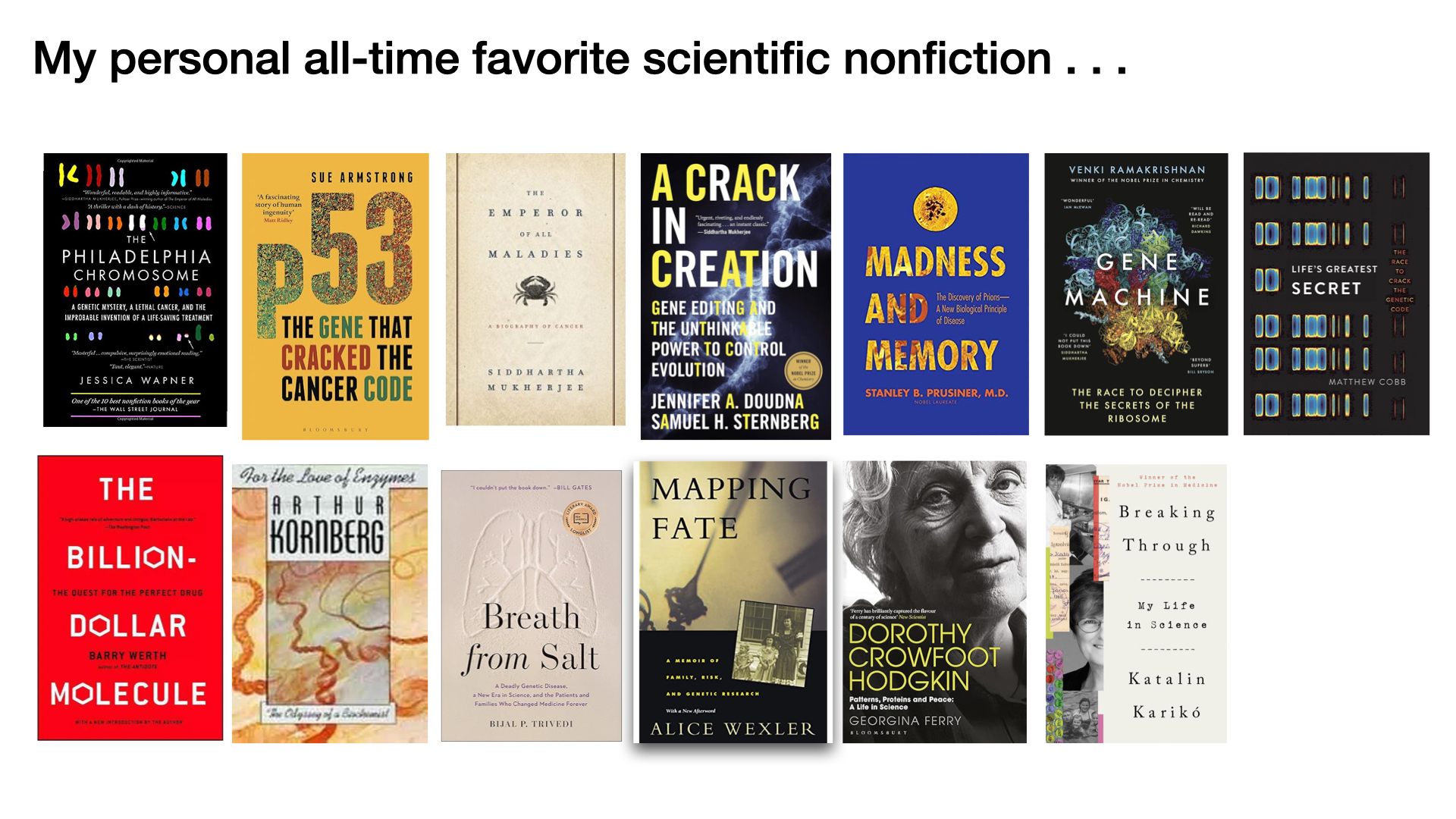
My personal all-time favorites (in random order except the first): The Philadelphia Chromosome, Emperor of all Maladies, p53, Gene Machine, The Billion-Dollar Molecule, A Crack in Creation, Dorothy Crowfoot Hodgkin, For the Love of Enzymes, Mapping Fate, Madness and Memory, Breath of Salt, Breaking Through, Life’s Greatest Secret, Editing Humanity, Curved Air
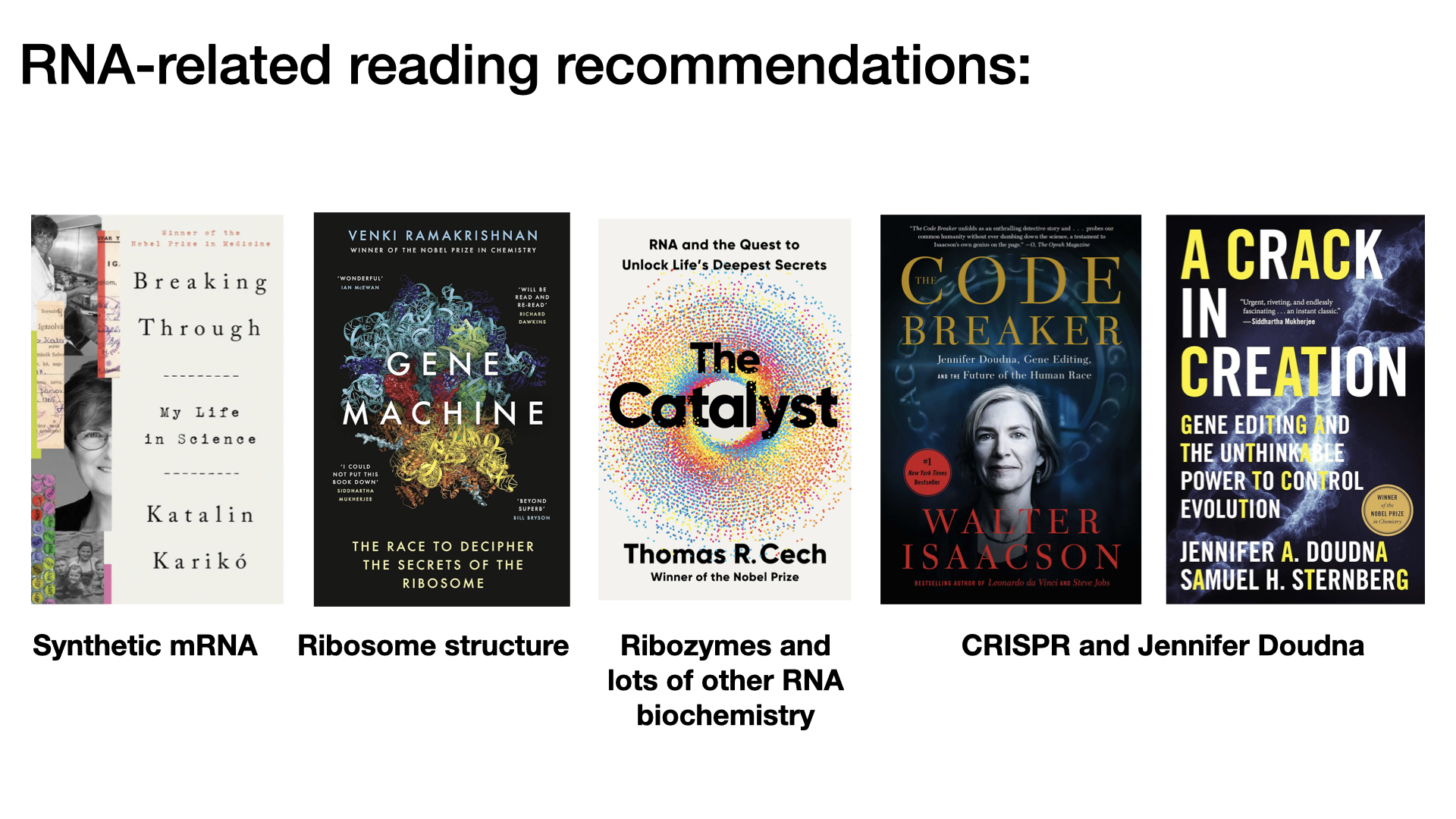
RNA-related: Breaking Through, Gene Machine, A Crack in Creation, Code Breaker, The Catalyst
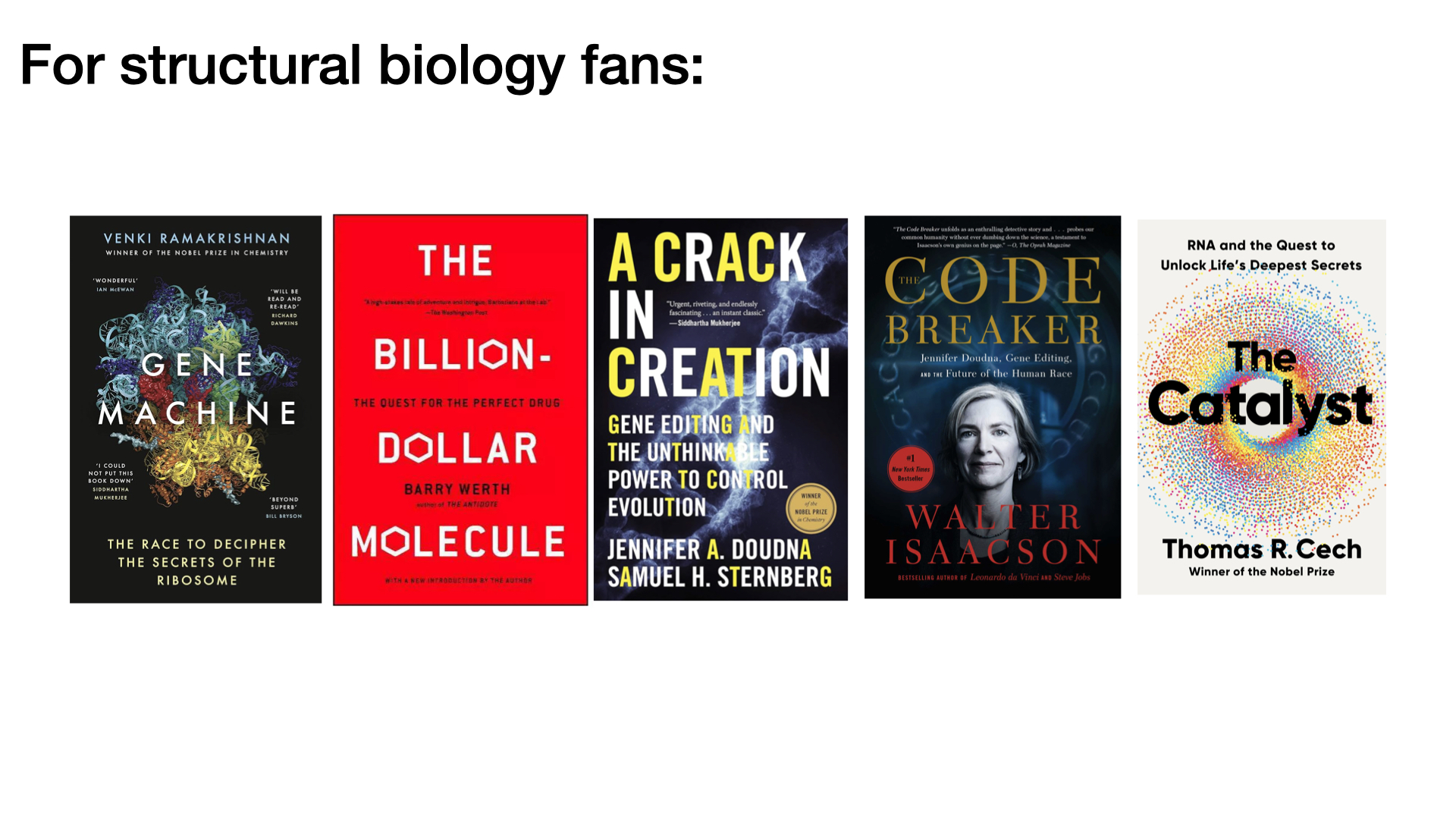
Structural biology related: Gene Machine, The Billion-Dollar Molecule, A Crack in Creation, The Code Breaker, The Catalyst, Dorothy Crowfoot Hodgkin
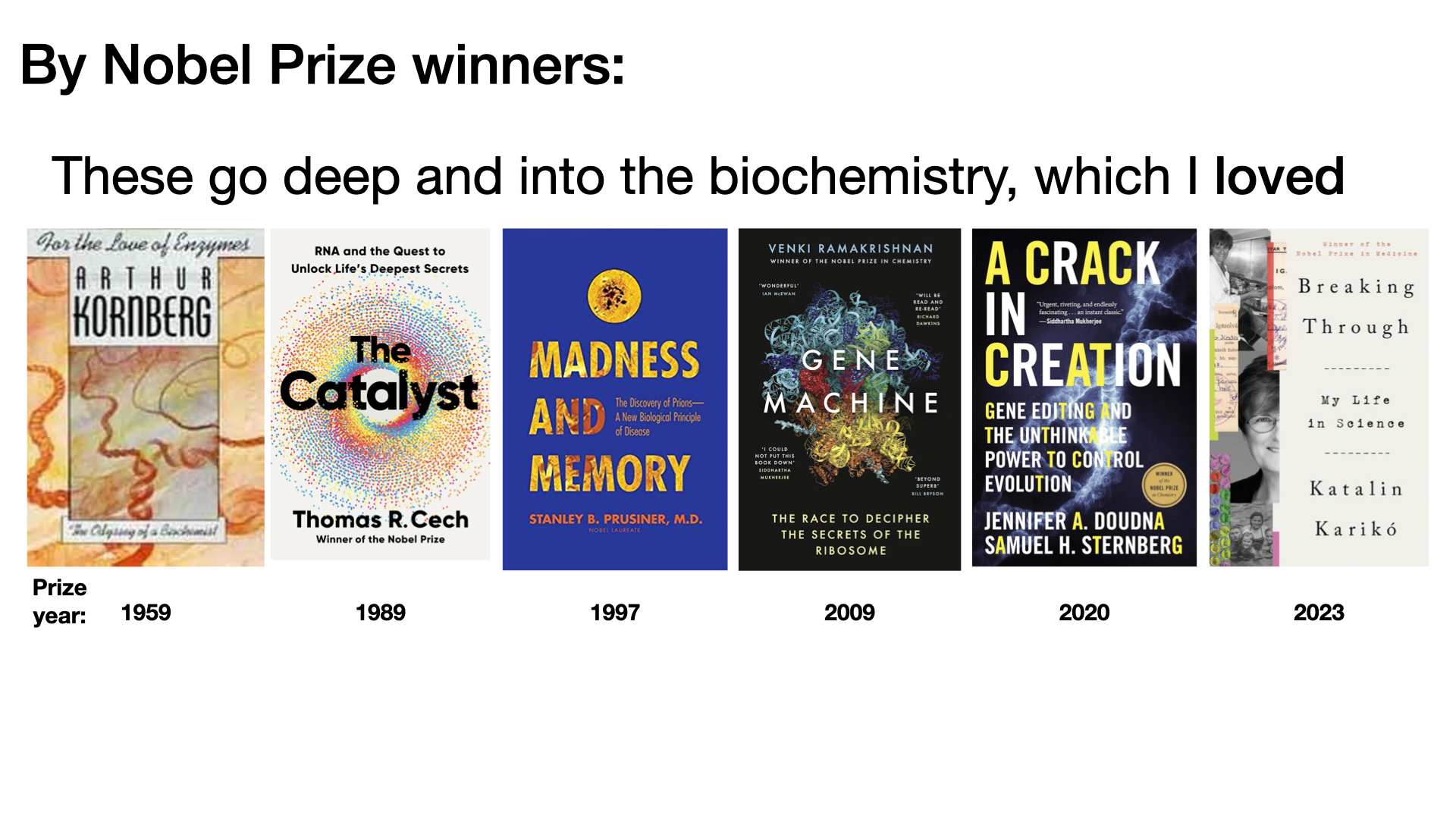
By or about Nobel Prize winners: Breaking Through, Gene Machine, A Crack in Creation, The Catalyst, For the Love of Enzymes, Madness and Memory, Dorothy Crowfoot Hodgkin, Living Medicine, Fred Sanger – Double Nobel Laureate
Books about gene editing: Editing Humanity, A Crack in Creation, The Code Breaker, As Gods
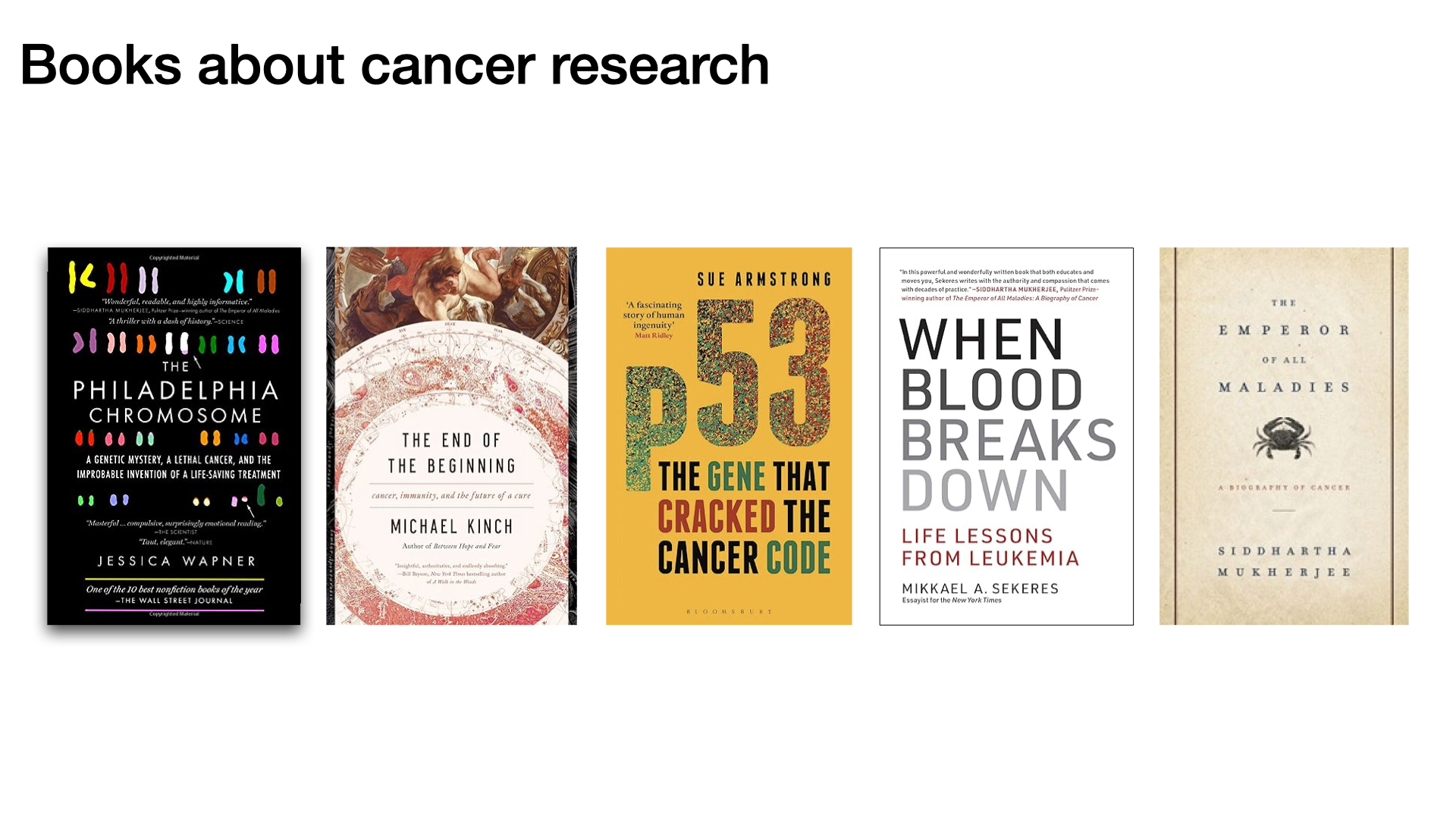
Books about cancer research: The Philadelphia Chromosome, Emperor of all Maladies, p53, When Blood Breaks Down, The End of the Beginning, The Breakthrough, Living Medicine, A Fatal Inheritance
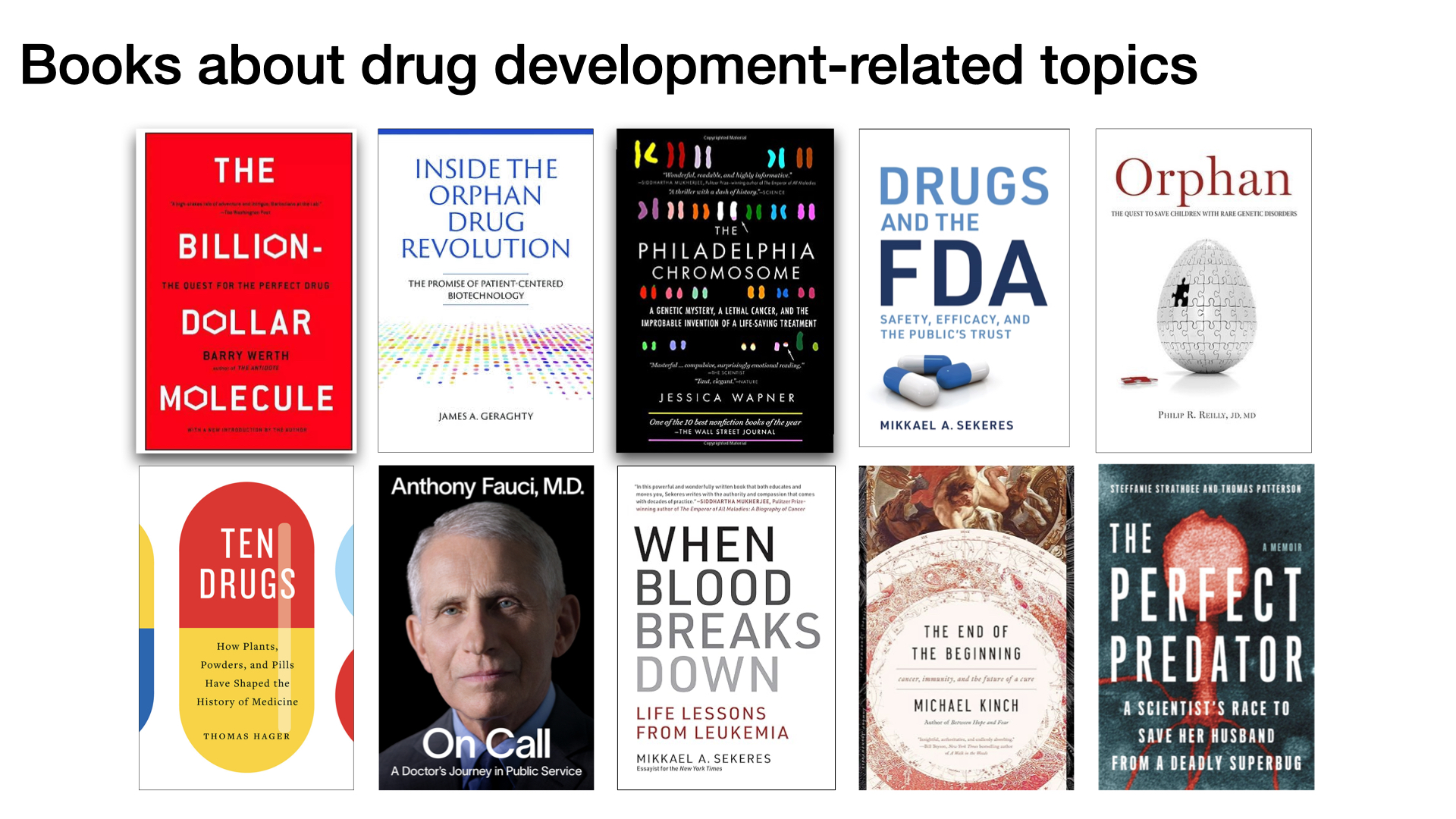
Books about drug development-related topics: The Philadelphia Chromosome, The Billion Dollar Molecule, Drugs and the FDA, Inside the Orphan Drug Revolution, Ten Drugs, Orphan, Biography of Resistance, Miracle Cure, Patenting Life, Wonder Drug, Tyranny of the Gene, Curved Air
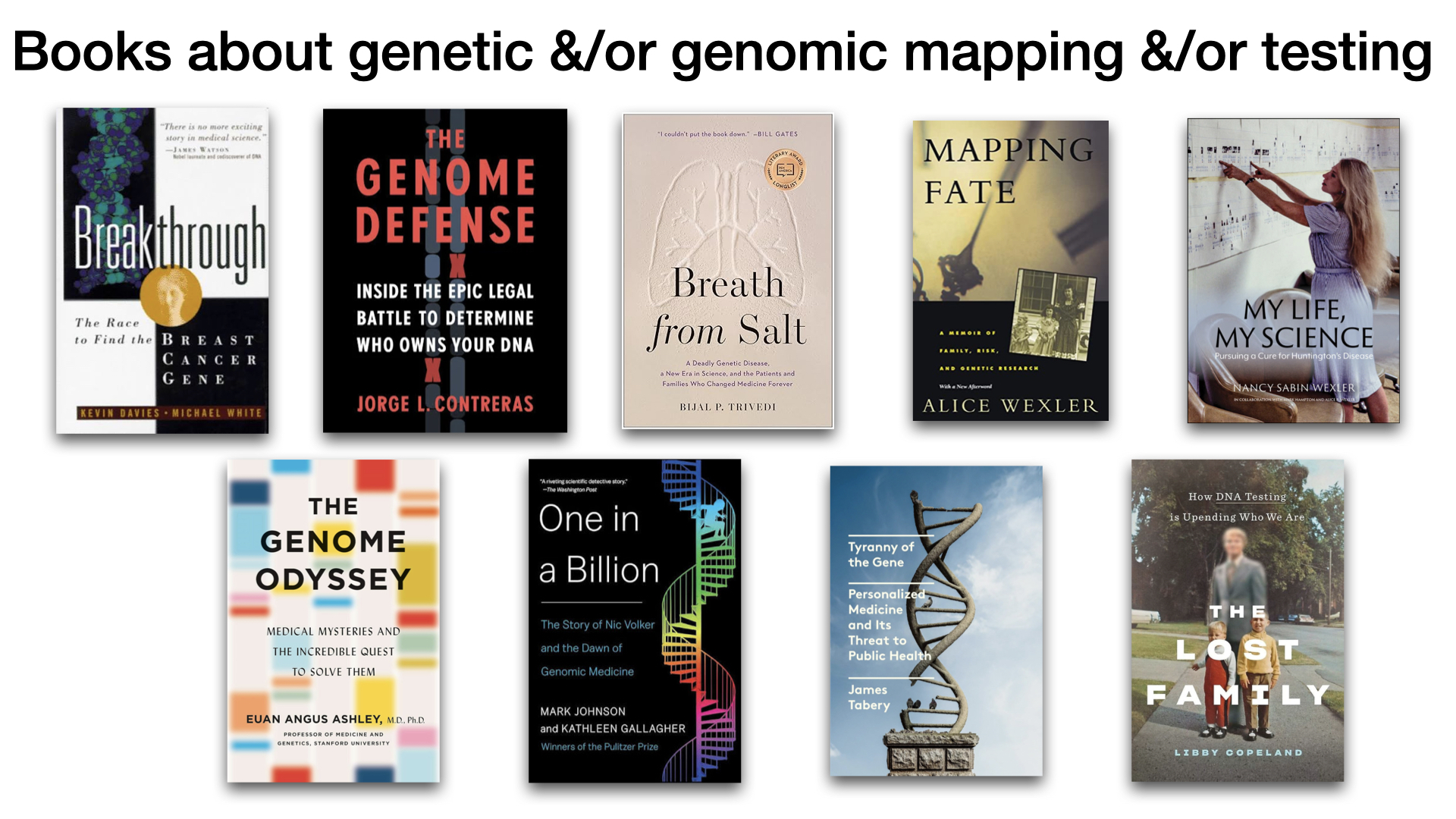
Books about genetic and/or genomic mapping and/or testing: Mapping Fate, My Life My Science, Breakthrough: The Race to Find the Breast Cancer Gene, The Genome Defense, Breath from Salt, The Genome Odyssey, One in a Billion, Tyranny of the Gene, The Lost Family
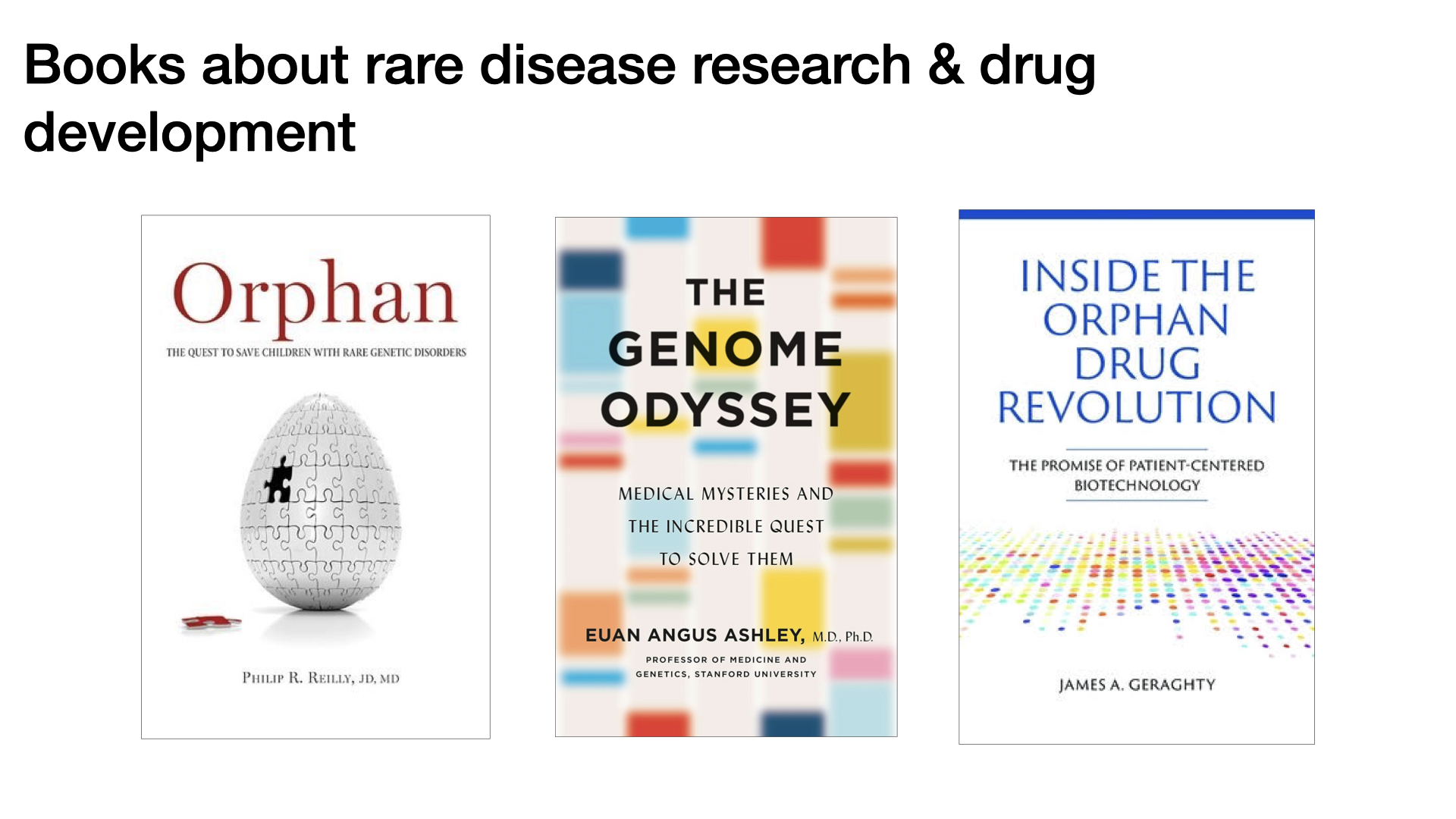
Books about rare disease research & drug development: Inside the Orphan Drug Revolution, Orphan, The Genome Odyssey, A Fatal Inheritance
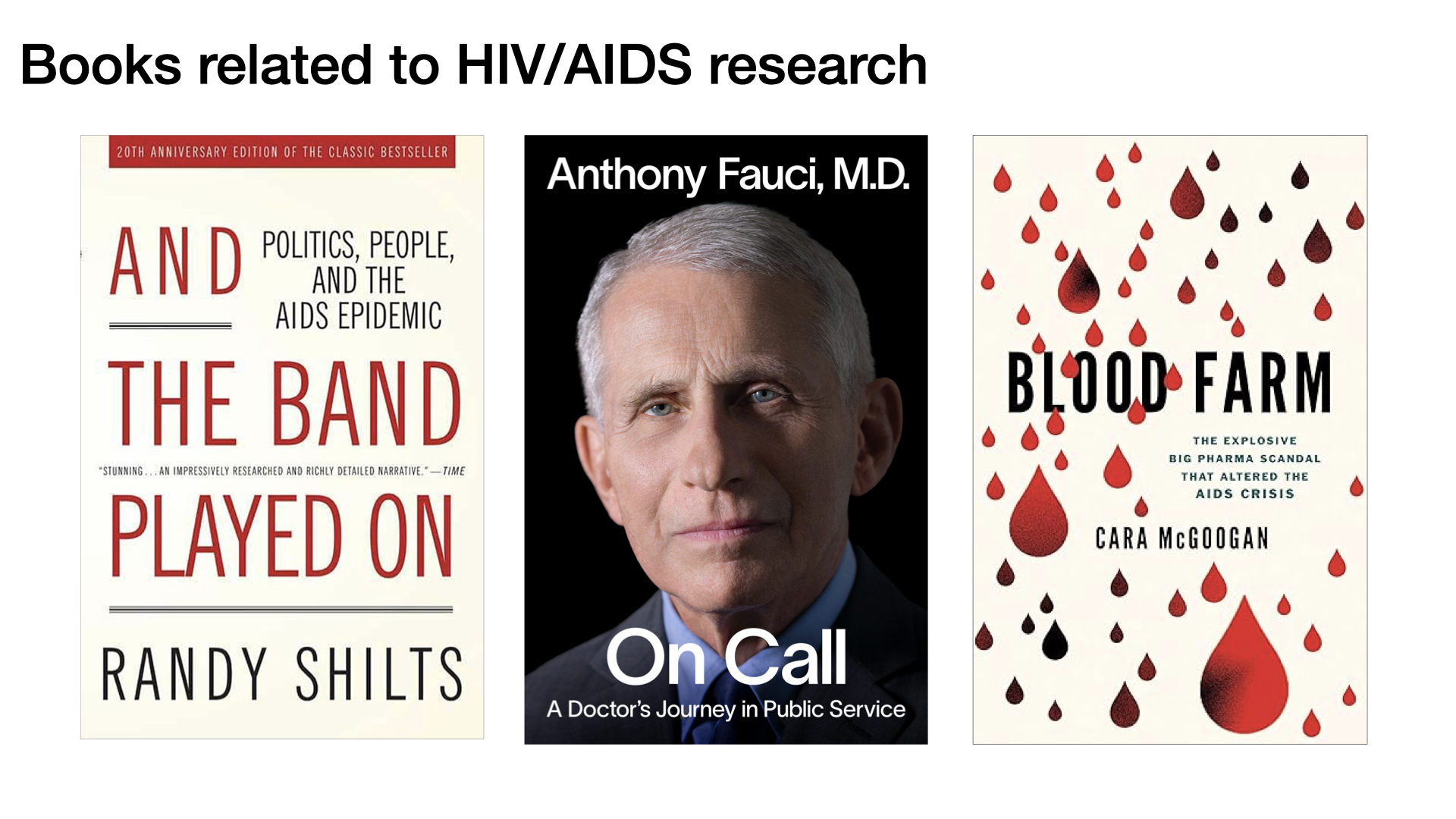
Books related to HIV/AIDS research: Blood Farm, On Call, And the Band Played On, Nine Pints
Biographies and autobiographies: Breaking Through, Gene Machine, A Crack in Creation, The Code Breaker, For the Love of Enzymes, Dorothy Crowfoot Hodgkin, The Immortal Life of Henrietta Lacks, Mapping Fate, Crick, Fred Sanger – Double Nobel Laureate
Books involving immunology &/or immunotherapy: The End of the Beginning, An Elegant Defense, The Breakthrough, The Secret Body, Good Blood
Books involving phages, phage therapy, microbiology, &/or antibiotics: The Good Virus, The Perfect Predator, Biography of Resistance, Miracle Cure, Dangerous Miracle
Books involving cell biology and/or development: From One Cell, Living Medicine, Song of the Cell, The Secret Body, Vaccine Race, The Immortal Life of Henrietta Lacks, Living Medicine
Books involving virology: Polio, Vaccine Race, The Good Virus, The Perfect Predator
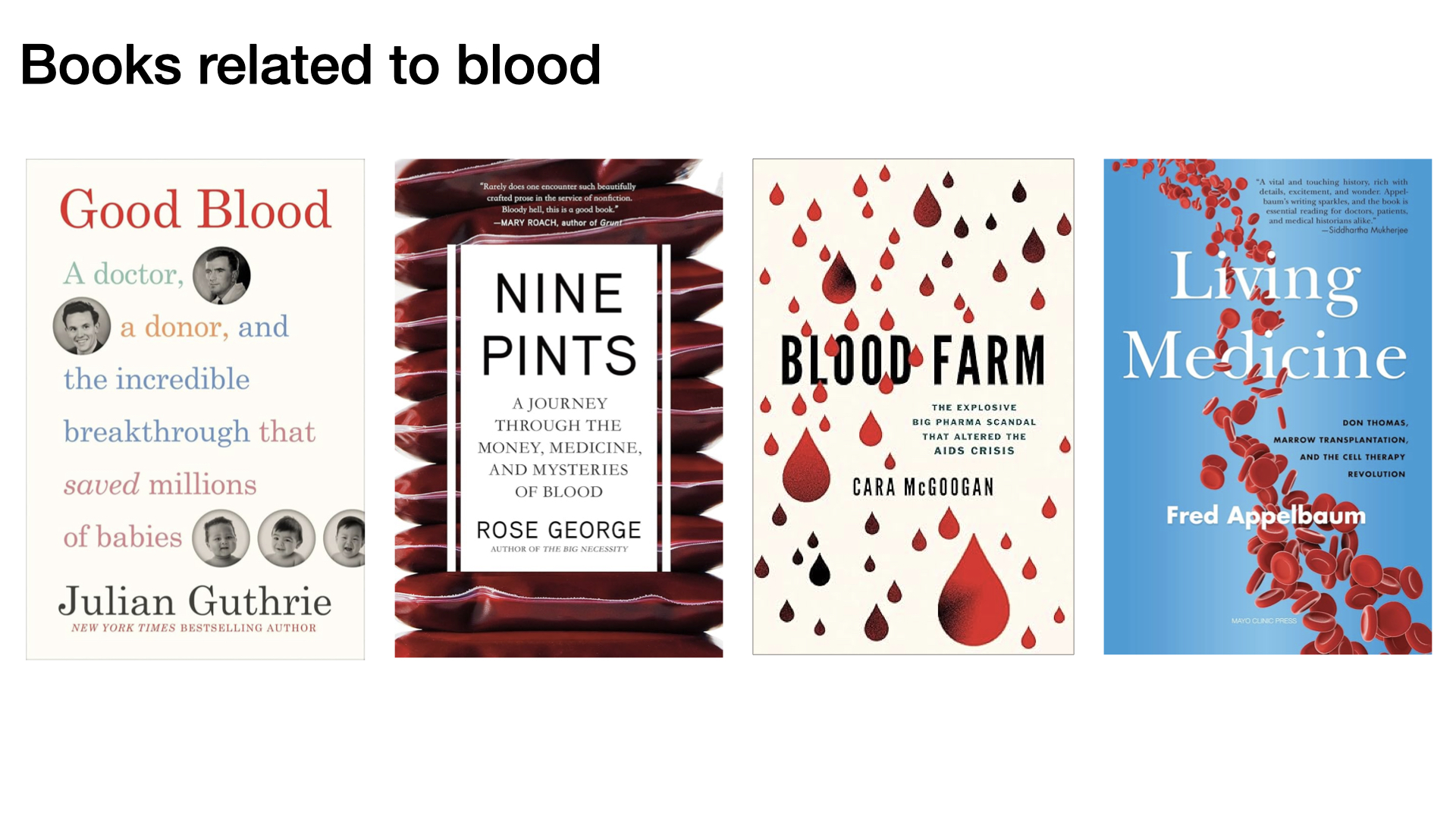
Books involving blood science: Good Blood, Nine Pints, Blood Farm, Living Medicine, Curved Air
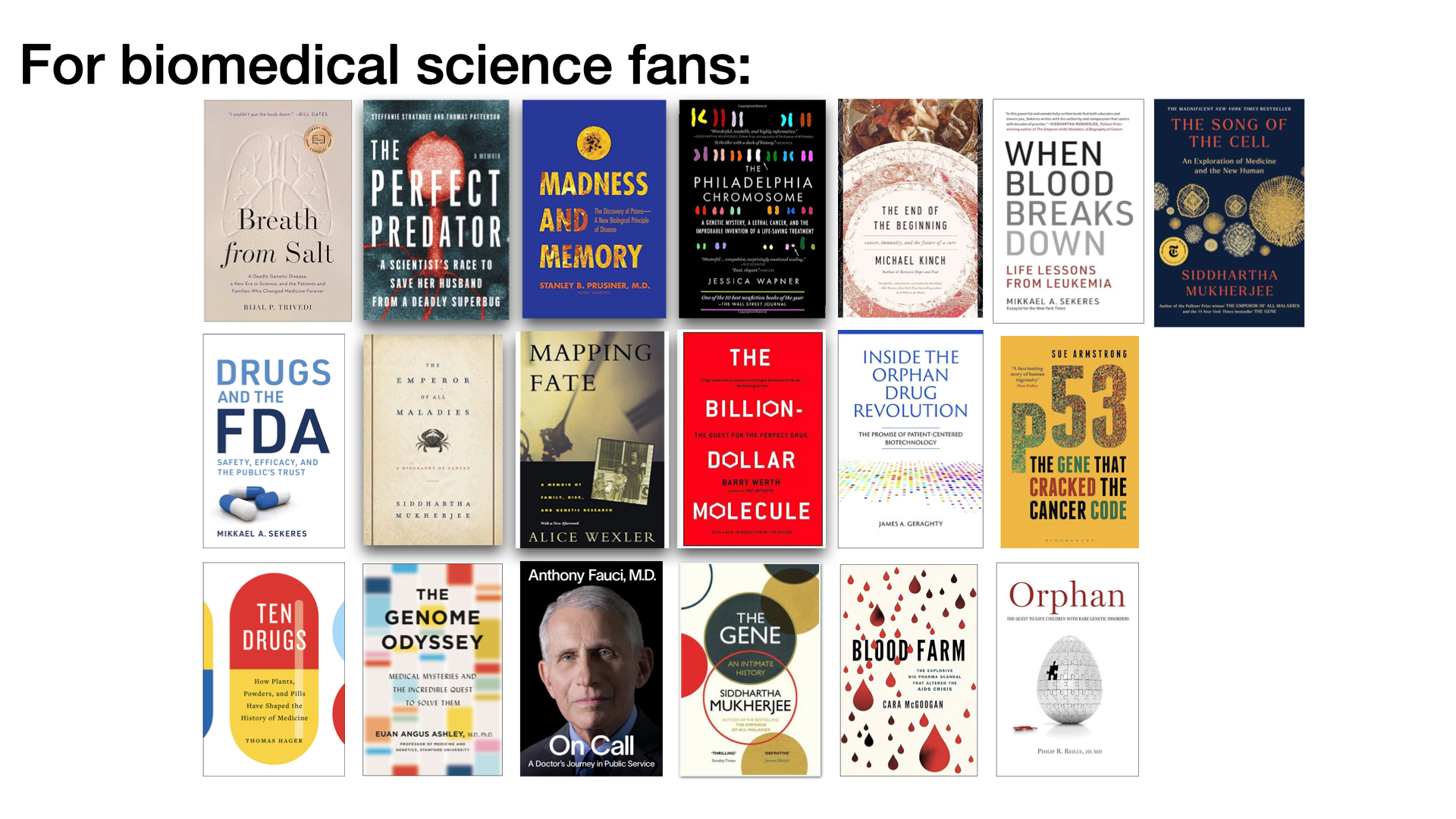
Biomedical science related: Madness and Memory, Breath from Salt, The Philadelphia Chromosome, Emperor of all Maladies, Mapping Fate, The Billion Dollar Molecule, The Perfect Predator, Drugs and the FDA, Inside the Orphan Drug Revolution, The Gene, The Song of the Cell, p53, When Blood Breaks Down, Blood Farm, The End of the Beginning, Ten Drugs, Orphan, The Genome Odyssey, Editing Humanity, Breakthrough, The Good Virus, Nine Pints, From One Cell, Good Blood, The Breakthrough, An Elegant Defense, Vaccine Race, Polio, As Gods, The Secret Body, Living Medicine, Biography of Resistance, Miracle Cure, Patenting Life, The Forever Fix, Wonder Drug, My Life My Science, Breakthrough: The Race to Find the Breast Cancer Gene, The Genome Defense, One in a Billion, Tyranny of the Gene, Curved Air, A Fatal Inheritance
Non-quack/non-conspiracy theory books involving pharma acting badly (or just selfishly) and/or scientific fraud & how to be critical consumers: Bad pharma, Doctored, Rigor Mortis, Unreliable, Empire of Pain, No More Tears, Wonder Drug, Vaccine Race, Patenting Life, Dangerous Miracle, Tyranny of the Gene
Books involving insulin and/or diabetes: Insulin: A Hundred-Year History, Insulin: the crooked timber: a history from thick brown muck to Wall Street gold, Fred Sanger – Double Nobel Laureate, Dorothy Crowfoot Hodgkin: Patterns, Proteins and Peace: A Life in Science
Full list:
- The Philadelphia Chromosome: A Mutant Gene and the Quest to Cure Cancer at the Genetic Level, by Jessica Wapner, 2013
- For the Love of Enzymes, by Arthur Kornberg, 1989
- The Billion Dollar Molecule: One Company’s Quest for the Perfect Drug, by Barry Werth, 1995
- Madness and Memory: The Discovery of Prions–A New Biological Principle of Disease, by Stanley Prusiner, 2014
- Mapping Fate: a memoir of family, risk, and genetic research, by Alice Wexler, 1995
- Emperor of all Maladies: a biography of cancer, by Siddhartha Mukherjee, 2010
- The Gene: an intimate history, by Siddhartha Mukherjee, 2016
- The Song of the Cell: An Exploration of Medicine & the New Human by Siddhartha Mukherjee, 2024
- The Immortal Life of Henrietta Lacks by Rebecca Skloot, 2010
- The Wikipedia Revolution: How a Bunch of Nobodies Created the World’s Greatest Encyclopedia by Andrew Lih, 2009
- Breaking through: my life in science by Katalin Karikó, 2023
- A Crack in Creation: Gene Editing and the Unthinkable Power to Control Evolution by Jennifer Doudna and Samuel H. Sternberg, 2017
- The Codebreaker: Jenifer Doudna, Gene Editing, and the Future of the Human Race by Walter Isaacson, 2021
- The Catalyst: RNA and the Quest to Unlock Life’s Deepest Secrets by Thomas R. Cech, 2024
- Gene Machine: The race to decipher the secrets of the ribosome by Venki Ramakrishnan, 2018
- Breath from Salt: A Deadly Genetic Disease, a New Era in Science, and the Patients and Families Who Changed Medicine Forever by Bijal P. Trivedi, 2020
- The Perfect Predator: A Scientist’s Race to Save Her Husband from a Deadly Superbug: A Memoir by Steffanie Strathdee and Thomas Patterson, 2019
- Dorothy Crowfoot Hodgkin: Patterns, Proteins and Peace: A Life in Science by Georgina Ferry, 2014/2020 (Updated version)
- Life’s Greatest Secret: The Race to Crack the Genetic Code by Matthew Cobb, 2015
- The Least Likely Man: Marshall Nirenberg and the Discovery of the Genetic Code by Franklin H. Portugal, 2016
- Drugs and the FDA: Safety, Efficacy, and the Public’s Trust by Mikkael A. Sekeres, 2024
- The End of the Beginning: Cancer, Immunity, and the Future of a Cure by Michael Kinch, 2019
- Inside the Orphan Drug Revolution: The Promise of Patient-Centered Biotechnology by James Geraghty, 2022
- p53: The Gene that Cracked the Cancer Code by Sue Armstrong, 2016
- When Blood Breaks Down: Life Lessons from Leukemia by Mikkael A. Sekeres, 2021
- Blood Farm: The Explosive Big Pharma Scandal that Altered the AIDS Crisis by Cara McGoogan, 2023
- And the Band Played On: Politics, People, and the AIDS Epidemic by Randy Shilts, 1987
- On Call: A Doctor’s Journey in Public Service by Anthony Fauci, 2024
- Ten Drugs: How Plants, Powders, and Pills Have Shaped the History of Medicine by Thomas Hager, 2019
- Orphan: The Quest to Save Children with Rare Genetic Disorders by Philip R. Reilly, 2015
- The Genome Odyssey: Medical Mysteries and the Incredible Quest to Solve Them by Euan Angus Ashley, 2021
- Breakthrough: The Quest for Life-Changing Medicines by William Pao, 2024
- Editing Humanity: The CRISPR Revolution and the New Era of Genome Editing by Kevin Davies, 2020
- Crick: A Mind in Motion by Matthew Cobb, 2025
- The Good Virus: The Amazing Story and Forgotten Promise of the Phage by Tom Ireland, 2023
- Nine Pints: A Journey Through the Money, Medicine, and Mysteries of Blood by Rose George, 2018
- From One Cell: A journey into life’s origins and the future of medicine by Ben Stanger, 2023
- Good Blood: A Doctor, a Donor, and the Incredible Breakthrough That Saved Millions of Babies by Julian Guthrie, 2020
- The Breakthrough: Immunotherapy and the race to cure cancer by Charles Graeber, 2018
- An Elegant Defense: The Extraordinary New Science of the Immune System: A Tale in Four Lives by Matt Richtel, 2019
- Vaccine Race: Science, Politics, and the Human Costs of Defeating Disease by Meredith Wadman, 2017
- Polio: An American Story by David M. Oshinsky, 2005
- As Gods: A Moral History of the Genetic Age by Matthew Cobb, 2018
- The Secret Body: How the New Science of the Human Body is Changing the Way we Live by Daniel M. Davis, 2021
- Living Medicine: Don Thomas, Marrow Transplantation, and the Cell Therapy Revolution by Fred Appelbaum, 2023
- Biography of Resistance: The Epic Battle Between People and Pathogens by Muhammad Zama, 2020
- Miracle Cure: The Creation of Antibiotics and the Birth of Modern Medicine by William Rosen, 2017
- Fred Sanger – Double Nobel Laureate by George G. Brownlee, 2014
- The Forever Fix: Gene Therapy & the Boy Who Saved It by Ricki Lewis, 2012
- The Lost Family: How DNA Testing Is Upending Who We Are by Libby Copeland, 2020
- Wonder Drug: The Secret History of Thalidomide in America and Its Hidden Victims by Jennifer Vanderbes, 2023
- Bad pharma: how drug companies mislead doctors and harm patients by Ben Goldacre, 2013
- Doctored: Fraud, Arrogance, and Tragedy in the Quest to Cure Alzheimer’s by Charles Piller, 2025
- Empire of Pain: The Secret History of the Sackler Dynasty by Patrick Radden Keefe, 2022
- No More Tears: The Dark Secrets of Johnson & Johnson by Gardiner Harris, 2025
- Dangerous Miracle: The Astonishing Rise and Looming Disaster of Antibiotics by Liam Shaw, 2025
- Rigor Mortis: How Sloppy Science Creates Worthless Cures, Crushes Hope, and Wastes Billions by Richard Harris, 2017
- Unreliable: Bias, Fraud, and the Reproducibility Crisis in Biomedical Research by Csaba Szabo, 2025
- Insulin: the crooked timber: a history from thick brown muck to Wall Street gold by Kersten T. Hall, 2022
- Insulin: A Hundred-Year History by Stuart Bradwel, 2023
- A Fatal Inheritance: How a Family Misfortune Revealed a Deadly Medical Mystery by Lawrence Ingrassia, 2024
- Curved Air: A Biography of Sickle Cell Anemia and the Quest to Cure the First Molecular Disease by Kevin Davies, 2026
More recommendations for things to read, watch, & listen to; https://www.youtube.com/playlist?list=PLUWsCDtjESrGkBl0waJHJVYZk6rZC6LoJ
YouTube playlist of book recommendations: https://www.youtube.com/playlist?list=PLUWsCDtjESrE7e5vnJ2g3Ls54UULljyeE
Doc version: https://docs.google.com/document/d/1vynqLxDitHvqRzNmj2rNRQr5gLbfyquJRmLirImi080/edit?usp=sharing
PDF:
Videos
Slides