
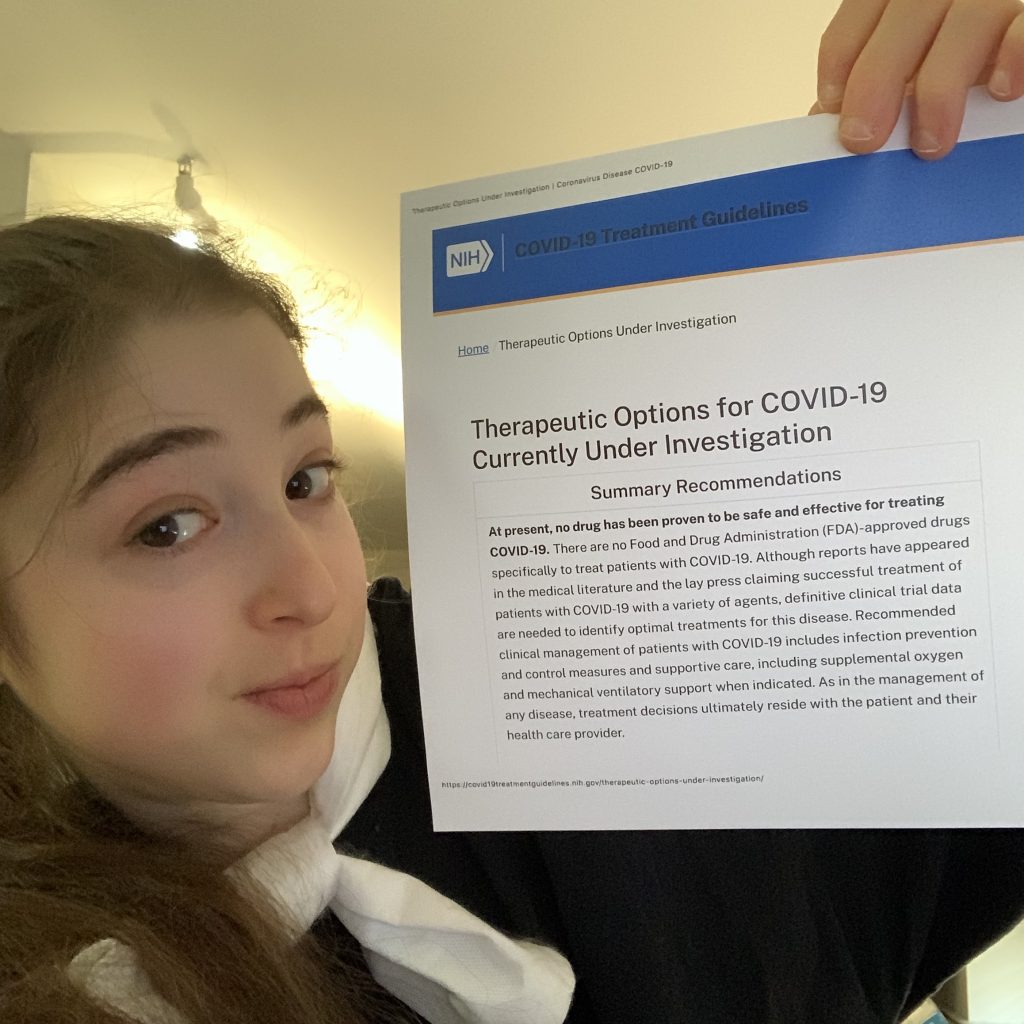
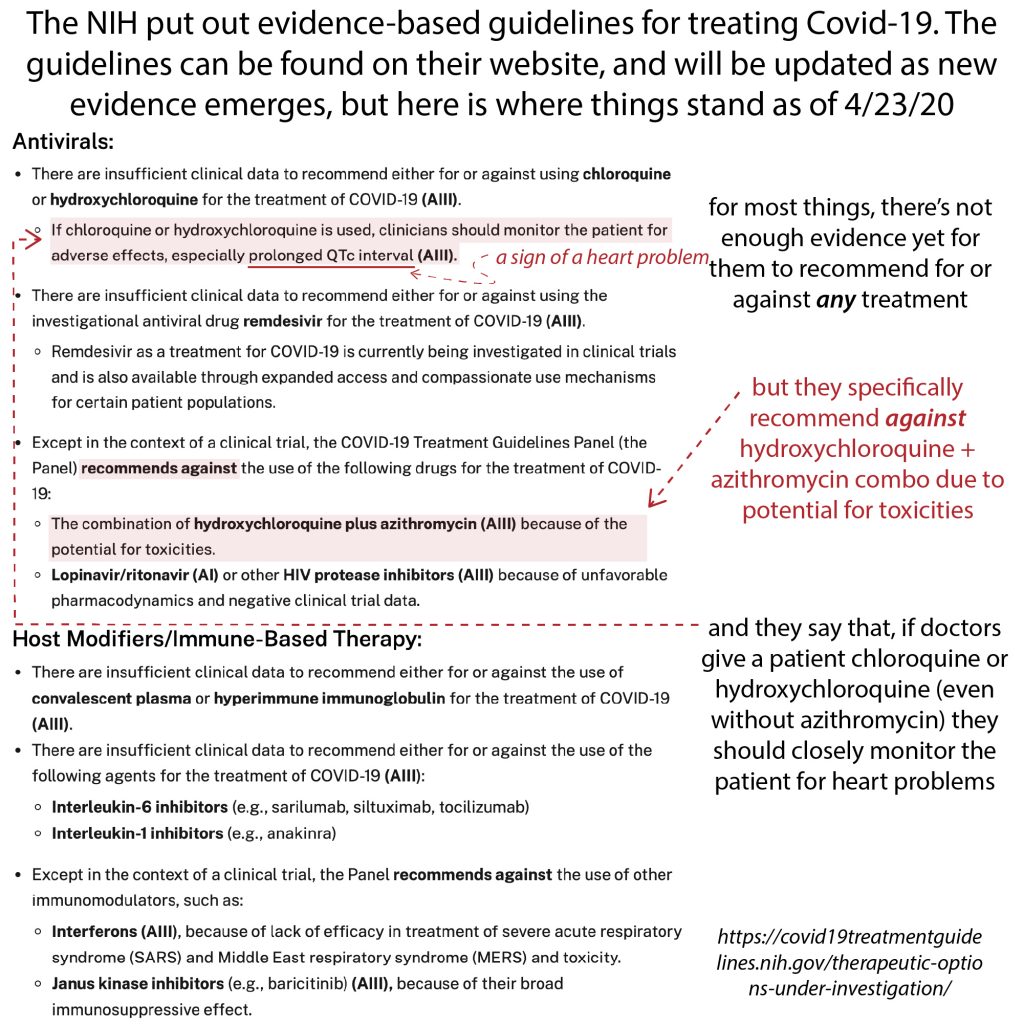
Tuesday (4/21/20) the NIH’s COVID-19 Treatment Guidelines Panel put out recommendations for…. any guesses? As the name suggests, this 30+ member panel of doctors, statisticians, etc. from over a dozen federal agencies and professional groups, is designed to comb through the evidence, push aside the hype, and give doctors fact-based recommendations on how (and how not) to treat patients with Covid-19. They published the guidelines on their website (I will link to below) and plan to update them continuously as new information emerges. Although there are NO FDA-approved treatments for Covid-19, there are a lot of drugs being investigated, and here is a bumbly look at where things stand.
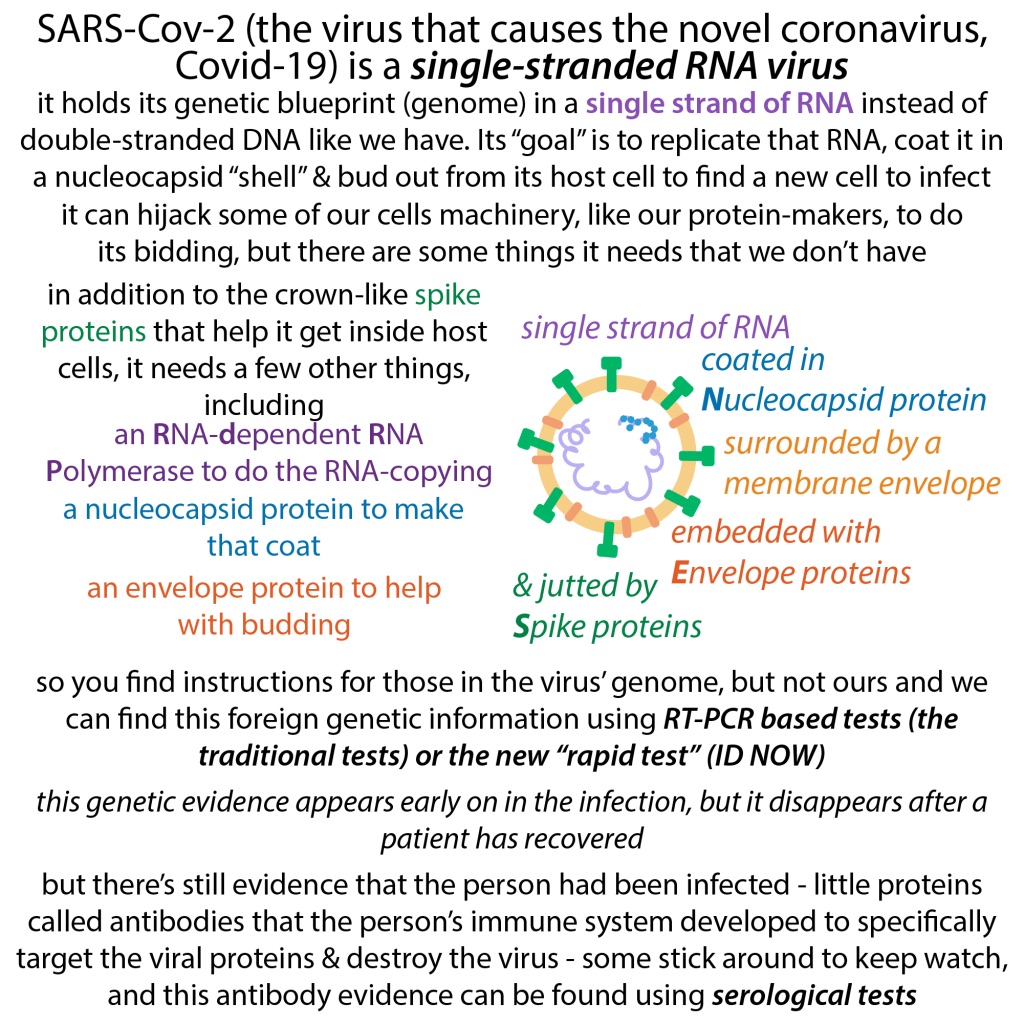
An important thing to keep in mind is that Covid-19 (the COronaVIrus Disease) is caused by a virus, not by a bacterium, and that makes it harder to treat. Because, whereas bacteria are actual (yet tiny) single-celled organisms with lots of unique things to target, viruses are just a little membrane-bound sac of proteins and a genetic blueprint for making more copies of themselves (for SARS-Cov-2, this virus that causes Covid-19, this genetic blueprint, aka genome, is a single strand of RNA). Because bacteria are their own things, it’s easier to target them without harming the host in the process, but, since viruses actually sneak their way inside of host cells and turn them into virus-making factories, its harder to harm the virus without harming the host too.
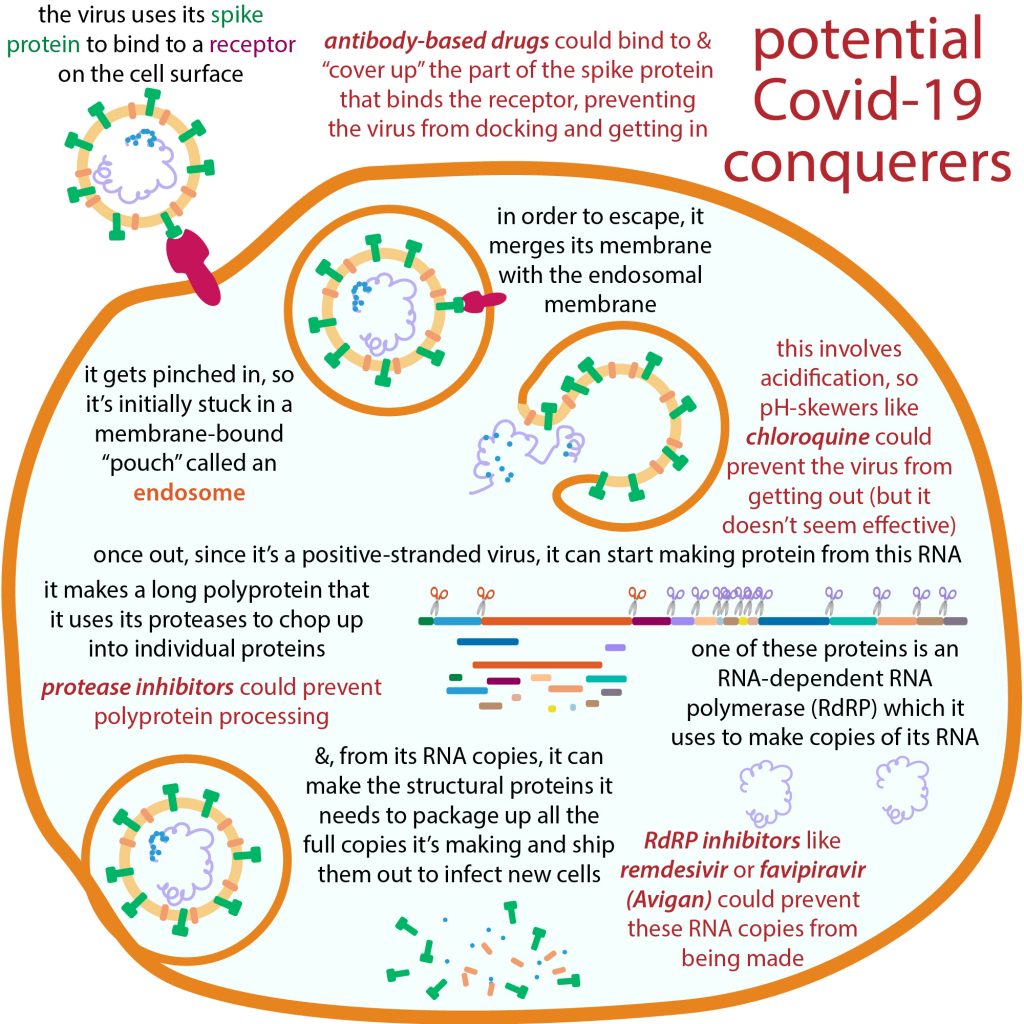
Strategies to target the virus therefore involve:
- preventing the virus from docking onto cell receptors (the first step to getting “swallowed” into the cells) – the hope behind monoclonal antibodies and convalescent sera is that they can bind to the spike proteins that stick out from the viral protein membrane, and block these spike proteins from binding to cells’ ACE2 receptors
- keeping the virus from escaping the little membrane-bound sac (endosome) it’s stuck in after being swallowed by the cell (hydroxychloroquine was thought to maybe do this, at least in a lab setting, but as I will discuss further, there’s not really any evidence it actually helps infected people)
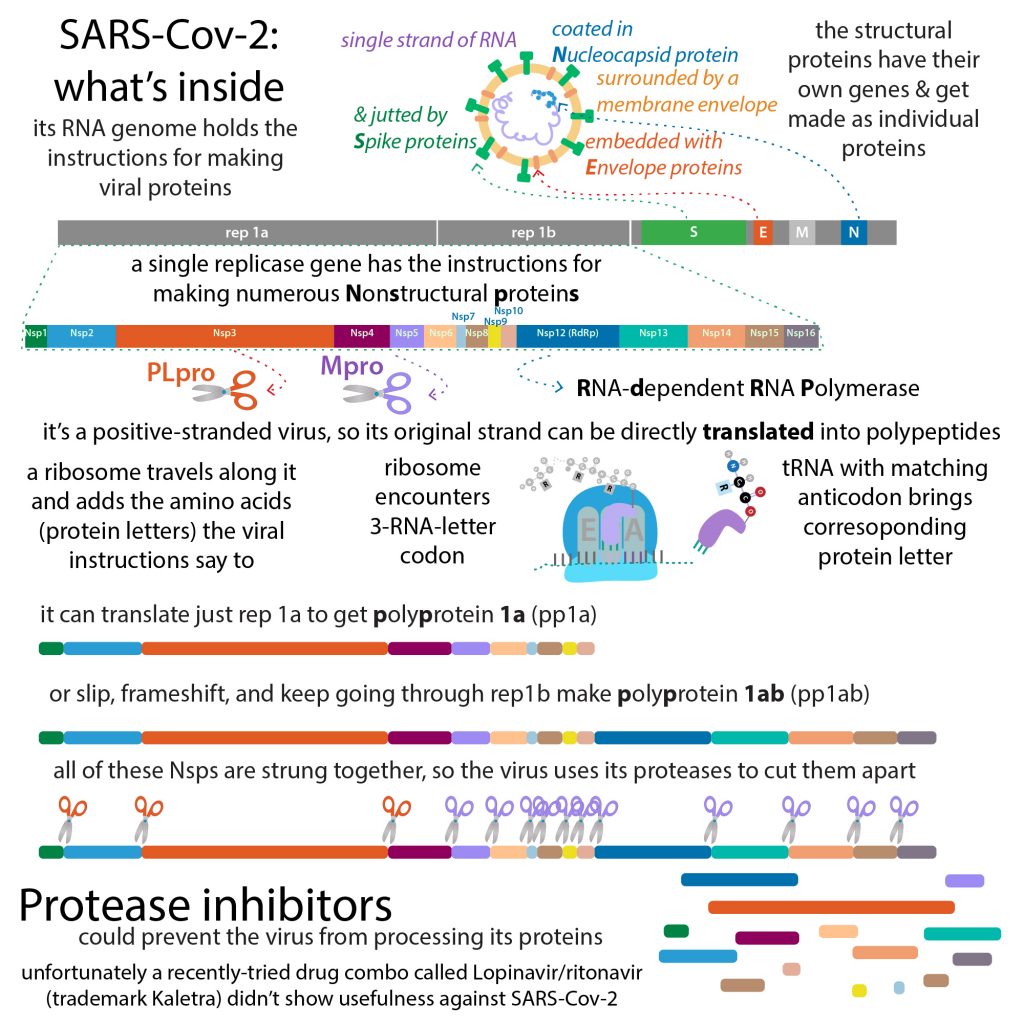
- preventing the virus from making functional proteins – although SARS-Cov-2 uses a lot of the host cell’s proteins (one of the reasons it’s so hard to selectively kill), it has to make a few proteins that we don’t have. To speed things up and save genome space, it makes some of these proteins as one long chain of amino acids (protein letters) called a polyprotein that it then uses its protein-cutting protease proteins to chop up into individual proteins. Protease inhibitors stop these cutters from cutting, so all those wanna-be-proteins stay stuck together & useless
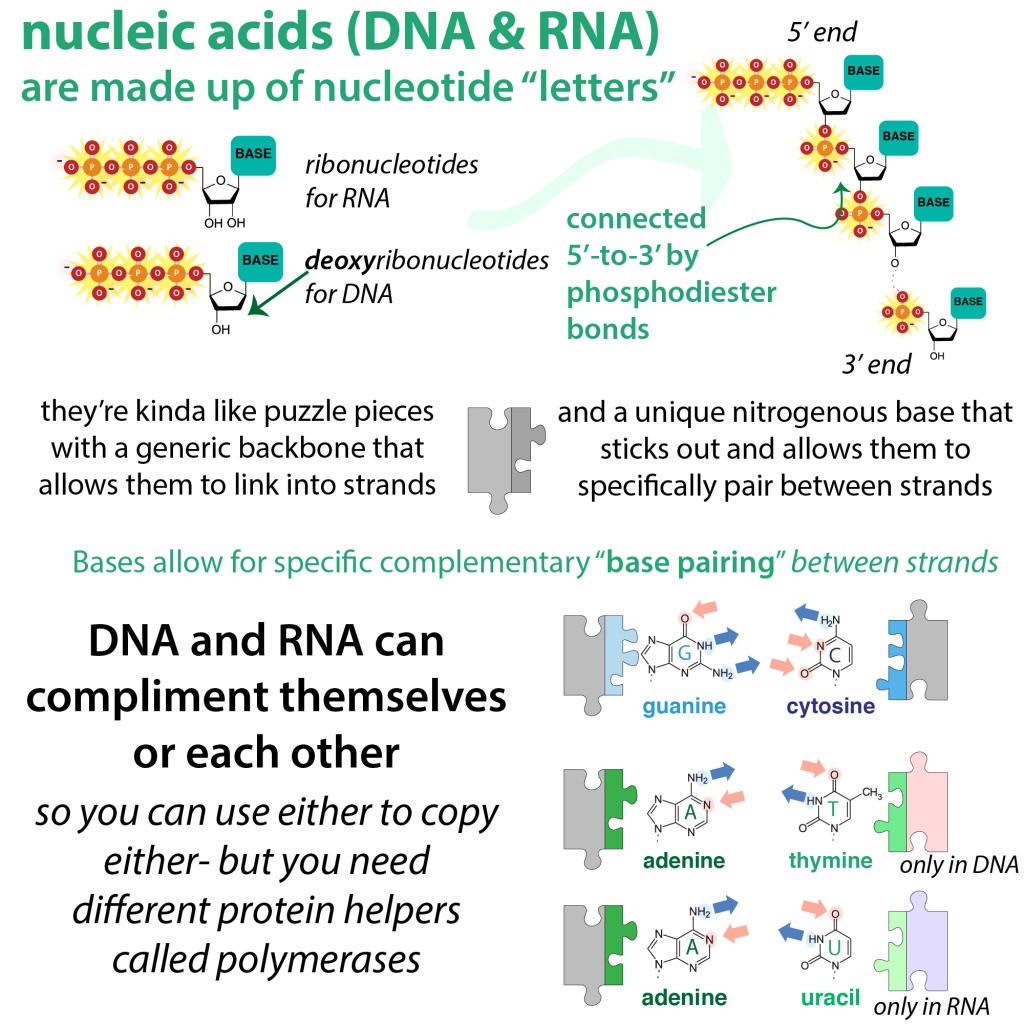
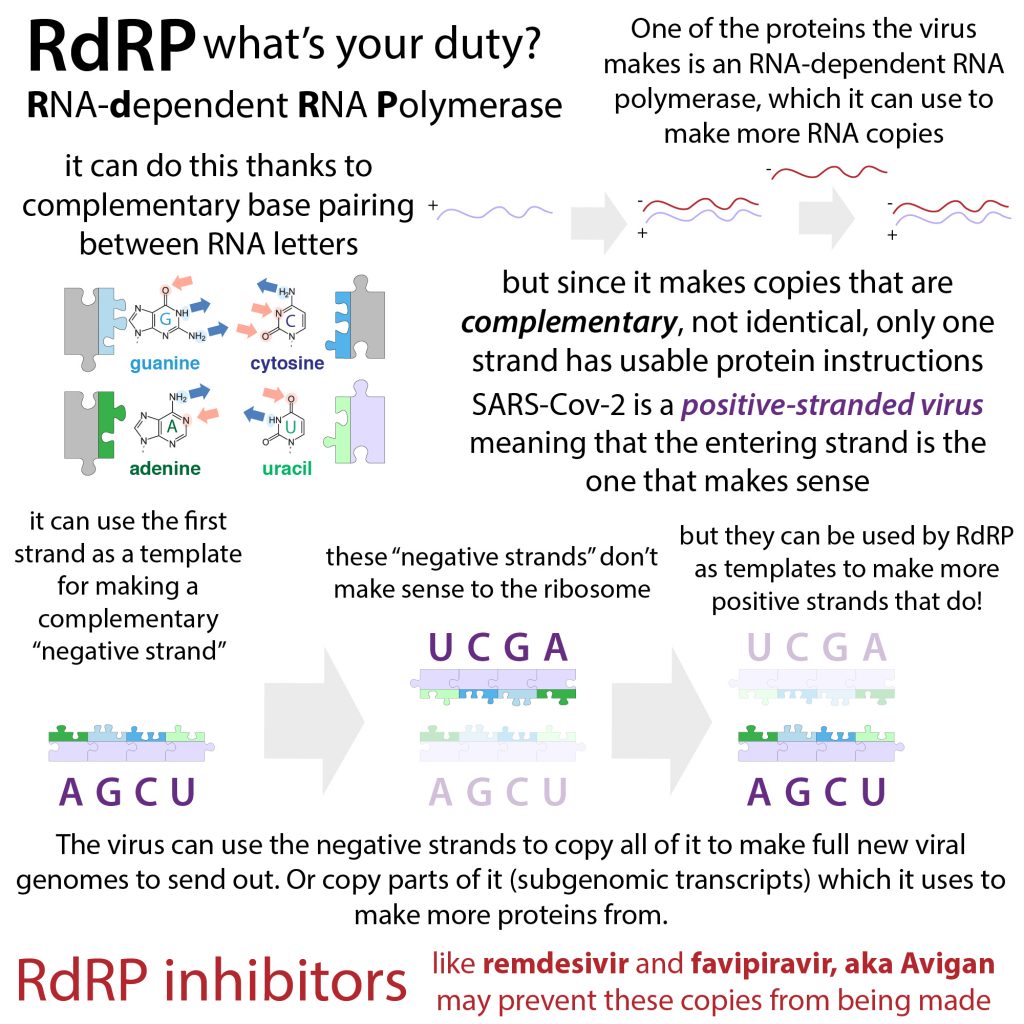
- preventing the virus from making copies of its genome (replicating) – because SARS-Cov-2 is an RNA virus, in order to make copies of its blueprint, it has to make RNA copies of RNA. This requires a protein helper (enzyme) called an RNA dependent RNA Polymerase (RdRp), which our cells don’t have. So RdRp inhibitors (e.g. remdesivir) seek to exploit this and trick RdRP into not working and/or getting them to make non-functional viral RNA (kinda like those one of those mom/kid bikes where the kid thinks they’re doing a bunch of peddling, but the mom’s the one in charge)
- optimizing the host’s immune response to the virus – this one can seem kinda paradoxical and is a tricky line to toe – because, although the immune response is what allows people to conquer the virus, it seems to also be what can make people super sick. Sometimes, the immune system can go into overdrive and cause (potentially fatal) damage, so immune system modulators are another potential treatment strategy – but definitely not a one-size-fits-all approach, since you need the immune system to work (just not to overwork)
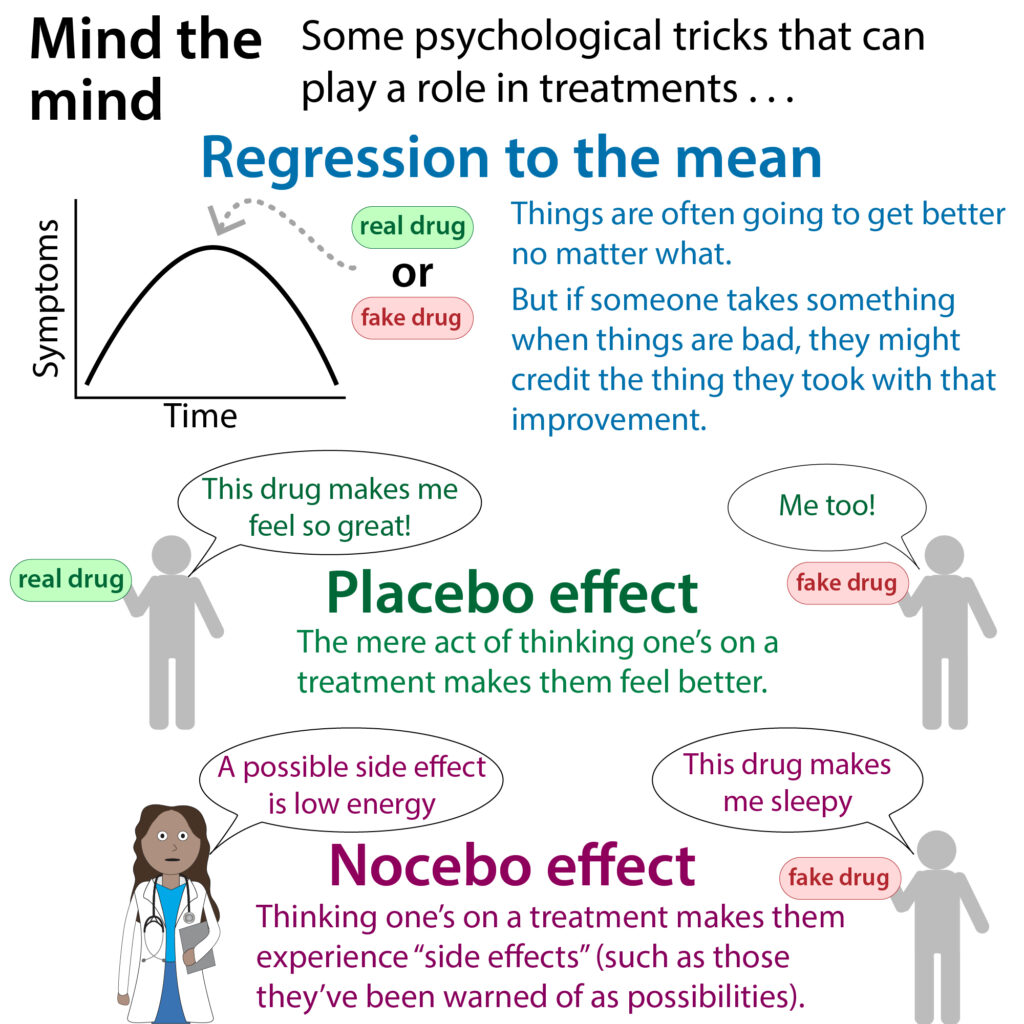
Here’s an update as to where things stand with these different potential treatments. First off, it’s important to note that developing new therapeutics is a long process. Some drugs, like remdesivir, and hydroxychloroquine were able to go to trial quickly because they’d already been approved or at least were close to approval for OTHER purposes. So they were found to be “safe” (at least safe enough to be used compared to their benefit for a certain condition). they just needed to get the okay to be reused – sometimes through “compassionate use” exceptions and sometimes through official clinical trials. These official trials are important in order to know if the drug has unpredicted side effects specific to this new condition it’s being used for and thus which weren’t an issue when they were going through testing for their other uses. Additionally, the controlled trials are crucial to figure out if a drug really is more effective than the current standard of care or if patients on it are just getting better because they would have gotten better anyway.
Speaking of getting better, lets talk about how patients that’ve gotten better might be able to help other patients get better…
ANTIBODIES & CONVALESCENT PLASMA
“Getting better” involves an adaptive immune response in which the patient’s immune system learns to recognize parts of the virus as foreign (usually parts of the spike proteins in the case of these types of viruses) by developing little proteins called antibodies that bind specifically to that spike protein and trigger an immune response. Even after the infection is cleared, a low level of those antibodies stick around to “keep watch.” Some of these antibodies are “neutralizing antibodies” which means they can actually prevent the virus from infecting new cells, “neutralizing” their threat.
Scientists are hoping that they can isolate some of these antibodies from the blood of patients (or mice genetically-altered to have a humanized immune system) who have recovered from Covid-19, mass produce them, and use them to treat and/or vaccinate patients against Covid-19 by putting their immune system on watch and/or blocking its access into cells. Such monoclonal antibody-based therapies have been found to be effective against other viruses – Ebola for example. But these antibody-based treatments are a lot more time-consuming and expensive than making small molecule drugs. “Synthesizing” an antibody means making – and purifying – a whole protein – and a lot of it. And of course, any new drug will have to go through studies on safety and efficacy, which can be a lengthy process but it’s really important it be done correctly.
In the meantime, doctors are trying to go straight to the source – giving plasma (blood without the blood cells) from patients who have recovered to patients who are really sick. This strategy is called convalescent plasma therapy. Plasma has the antibodies but also other things which can either be good or bad in helping alter the patient’s response. And the actual amount of antibodies in the plasma, and how “strong” those antibodies are varies from donor to donor, so from batch to batch of plasma. An alternative strategy is to pool the plasma from multiple donors and concentrate the antibodies (aka ImmunoGlobulins), test how strong they are and then give patients precise doses. This concentrated form is called hyperimmune globulin.
The NIH says there’s not enough evidence to recommend for or against either of these “passive antibody therapies”, though case studies have offered hope https://bit.ly/2XXxpRv and more controlled trials are underway. People who had Covid-19 and have recovered can learn about how they might be able to help here: https://ccpp19.org/about/index.html
Note: these only provide “passive immunity” because they only protect the person when they’re taking them. They don’t train the patient’s body to make the antibodies themselves. That training is needed to provide “active immunity” and that’s what vaccines aim to do. But we’re not there yet.
Note: Hyper immunoglobulin is similar to Intravenous immunoglobulin (IVIG) (and it’s given through an IV as well) but hyperimmune globulin is developed to be rich in antibodies for a specific disease whereas IVIG is more of a general mix of antibodies for a variety of different diseases that’s used to treat people with immune deficiencies.
If you can’t block the virus from getting in, it’s time to look at ways to keep it from damage once it gets in…
PROTEASE INHIBITORS
SARS-Cov-2’s biggest gene is a “replicase” gene which contains instructions for making proteins the virus needs to replicate. The virus can make 2 different polyproteins from this one gene – pp1a contains 11 “Nonstructural proteins” (Nsps) and pp1ab has 16 Nsps, and it uses 2 proteases, with different sequence specificities, to cut them into their individual proteins. A Papain-like protease (PLpro) is encoded within nsp3 and a serine type “main protease” (Mpro) is encoded by nsp5. PLpro is responsible for the first few cuts (separating nsp1/2, 2/3, and 3/4) and Mpro handles the rest.
Since viruses need proteases to make functional proteins from polyproteins, some antivirals are protease inhibitors – including the HIV treatment combo Lopinavir/ritonavir (trademark Kaletra). Scientists had hoped that Kaletra also might help treat covid19 but the results of a small trial found it ineffective and side-effect-causing. In their guidelines, the NIH advises AGAINST treatment with these due to lack of benefit and those side effects https://nyti.ms/2VTaZ18
But all hope isn’t lost for protease inhibitors – scientists are hard at work trying to find protease inhibitors that are better suited for inhibiting SARS-Cov-2’s proteases specifically. In fact, massive screenings for effective inhibitors are underway, alongside crowdsourced chemical modeling and idea-finding. There have been dozens of crystal structures of MPro bound to various inhibitors solved. A few of these inhibitors have even been shown to be effective in cells in a dish, some have even proven safe in lab animals. But of course, there remains a LOT of safety and efficacy testing before these treatments could be used on human patients.
RDRP (RNA DEPENDENT RNA POLYMERASE) INHIBITORS – keep virus from copy-making (block replication)
Remdesivir was an early star because it was used to treat one of the first known Covid-19 patients in the US – a 35-year-old man who’d developed pneumonia from Covid-19 was given remdesivir and he got better quicker than expected. It’s just a single case report but it was a glimmer of hope – maybe a second chance for the patient and for a pushed-aside drug…
Remdesivir, made by Gilead, was initially found in a screen for hepatitis C and was later found potentially useful against Ebola, but it was put aside after another treatment for Ebola (monoclonal antibodies) worked better. But, since Gilead had taken it pretty far in the testing process, scientists know a lot about its safety profile – and they know how to make it (thought they’d have to scale things up a lot)
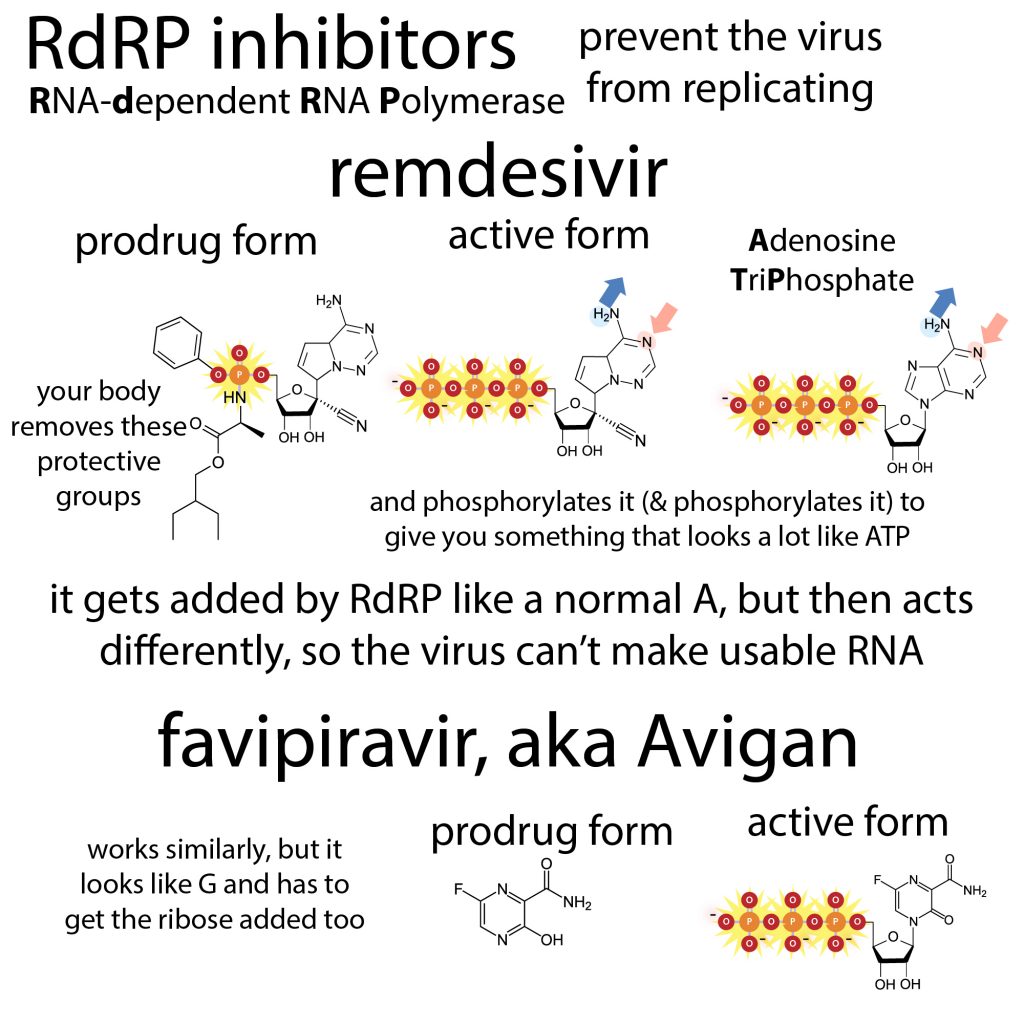
Remdesivir’s a trickster – it mimics the RNA letter adenosine (A) so well that RdRP adds it to the growing RNA chain as it makes copies AND so well that the virus’ proofreaders don’t cut it out, BUT not well enough the virus can make functional RNA copies from it. The virus goes to replicate, adds remdesivir thinking it’s an RNA letter, then adds a few more letters before getting stuck and “terminating” – likely due to the “extra” parts of remdesivir (compared to normal A) clashing with the RdRP protein as it gets threaded through the exit. https://bit.ly/2SgIqtN
That above link is to the science-jargony journal article, and Laurel Oldach wrote a great summary of it – as well as other things about remdesivir and related drugs here https://bit.ly/3bwX47r
There are currently several clinical trials underway testing the efficacy of remdesivir against Covid-19. The NIH is doing one, as well as a WHO consortium and the drug’s maker, Gilead, though Gilead suspended 1 of its Chinese trials & terminated another because it had trouble recruiting enough patients since the virus is better under control there now and the inclusion criteria were really strict (e.g. you couldn’t join the trial if you’d had any other experimental treatment) https://bit.ly/3cBDZkE
Remdesivir was in the news again early this week because a Chicago infectious disease specialist overseeing a remdesivir trial at the University of Chicago was on a video conference call and said that, of the 125 patients in the trial, only 2 had died and most had been discharged. That video was recorded and leaked to Stat – and, from there, things got pretty over-hyped. You might have heard stories saying that almost all (113/125) of the patients in the trial in the “severe disease” category walked out of the hospital, some even before the trial’s treatment length. If you were like me, when you heard “severely-ill” you likely thought they were talking about patients on ventilators, whom we keep hearing have grim odds of survival, so remdesivir sounded like a miracle-maker. BUT that is NOT who the study was referring to. Patients couldn’t even join the trial if they were on a ventilator! I urge you to check out this article by Derek Lowe if you want to learn more: https://bit.ly/2yypXlo
I’m NOT saying that remdesivir does not work, but I am saying that we don’t know if it works. And this leak doesn’t really tell us anything. And, unfortunately, the real, official, report likely won’t tell us that much either because the study is open-label. Meaning that both the doctor and the patient know the patient’s getting the drug and there isn’t a control group to compare to. The NIH panel agrees that there isn’t enough evidence to advise for or against remdesivir yet.
Remdesivir has that advantage I mentioned in that it’s far along in the safety-proving and synthesizing capability due to its Ebola trials, but a disadvantage of remdesivir is that it has to be given intravenously (through an IV) which makes delivering it to a ton of people problematic. Especially since, because remdesivir prevents the virus from replicating, it might be more effective early on, before the virus really starts to take hold, so it might be more effective in patients who are pre-symptomatic or just mildly symptomatic – and these patients are unlikely to be the ones in hospitals with IVs. https://bit.ly/3cK7GjU
There are additional RdRp inhibitors in the running including favipiravir, aka Avigan. It isn’t approved by the FDA yet, but has been approved for a different use in Japan – treating influenza – and so there’s a lot of research into the molecule already (as well as production pipelines). A small trial out of China showed hopeful results, warranting further investigation, but not premature hype. http://bit.ly/3ddpyVg Further trials are underway in Japan, Italy, & China. https://bit.ly/2XXBwNr
CHLOROQUINE/HYDROXYCHLOROQUINE
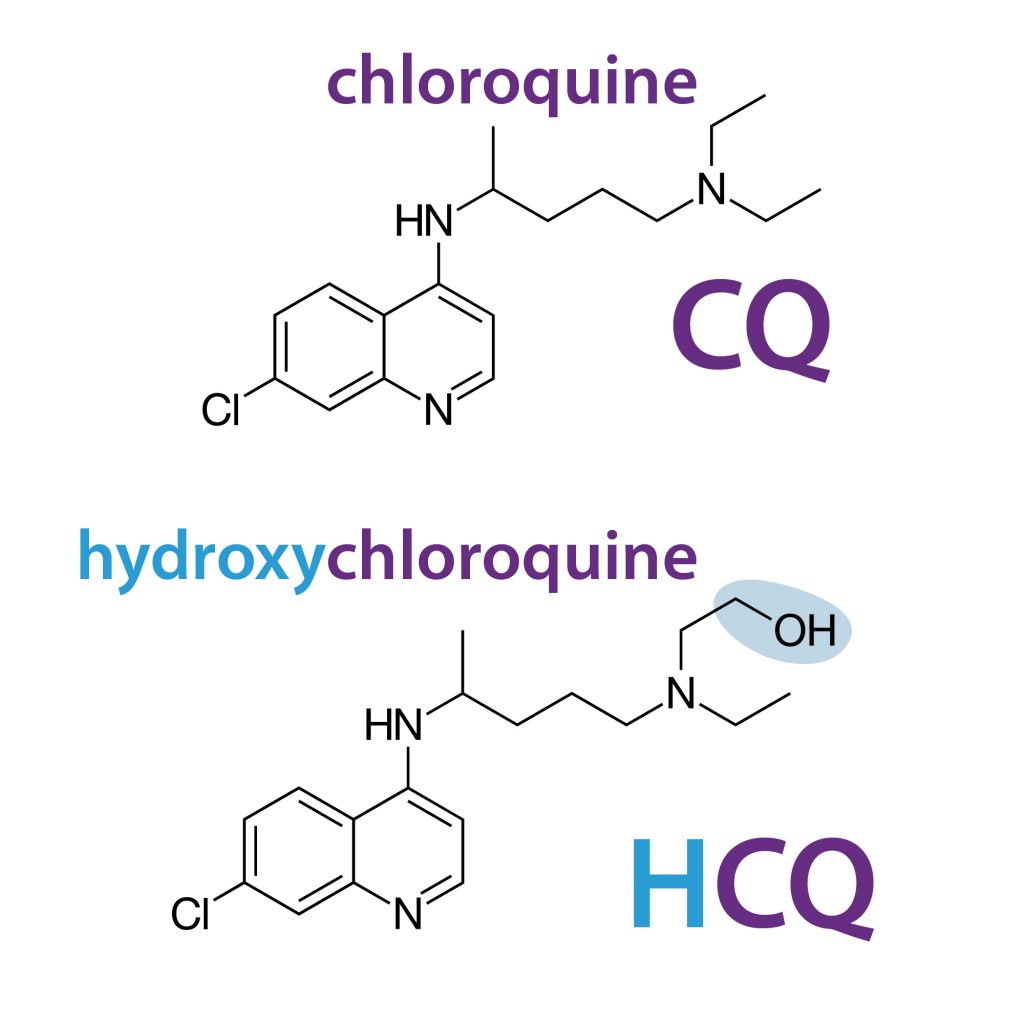
Hydroxychloroquine (HCQ) is the more stable form of a drug called chloroquine (CQ). It’s an antimalarial treatment that’s been around for over half a century and it also has important immune response regulatory activity that makes it a staple treatment for autoimmune diseases like lupus and rheumatoid arthritis.
Malaria is a parasite, not a virus, but chloroquine also has some anti-viral activity. It is theorized to prevent viruses from getting into and/or out of cells by messing with their modes of transportation – raising the pH in endosomes, preventing the virus from getting out in its acid-dependent way (and it does some other stuff too). It’s been tested in the past as an anti-viral for other diseases but never really was very effective outside of a lab setting. In a lab setting, HCQ & CQ could prevent the virus from infecting other cells in a dish, https://go.nature.com/2XWwRLF but as for in patients, it’s more of a “we can wish…”
Some of this wishful thinking comes from anecdotal evidence that started coming out about doctors “successfully” using HCQ to treat Covid-19 patients (that is – these doctors gave the patients HCQ and the patients got better, but the patients might have gotten better anyways but we can’t know without actual trials).
A big reason for all the hype that reached high levels here in the US is a VERY small (42 patient) “open-label” study (patients and doctors knew which patients were being treated with what) which show initial promising results, including when HCQ was combined with the antibiotic azithromycin (which might help combat secondary bacterial infections that can develop once the patient’s lungs are made vulnerable by the virus). BUT the study was majorly flawed. A great thread about it by Jason Pogue can be found here: https://bit.ly/2V566Sd
Some of the key red flags he points out:
- 6 of the initial 26 patients in the HCQ group weren’t included in the analysis because: 3 were transferred to ICU, 1 died, 1 left the hospital, and 1 withdrew because of treatment side effects
- only 6 patients received the combo treatment
- they used a really low threshold for success
- it wasn’t randomized so patients between the groups could have underlying differences (in age, disease severity, underlying conditions, etc.) that cloud compatibility
- their sample-taking method was non-ideal
Additionally, one of the co-authors was editor-in-chief of the journal it was published in, leading to a very fast and very questionable peer review process. And microbiologist Elisabeth Bik found that the lead author has a shady record when it comes to past publications, including what appears to be fabricated data in some of his old papers: https://bit.ly/2RfWTW1
Another (better-set up but still small) study out of China was pretty “not-sure-if-it-helped” results-wise. There wasn’t much of a difference between patients who did or didn’t take HCQ (so it certainly wasn’t a “miracle drug”): https://www.statnews.com/2020/03/27/we-dont-know-hydroxychloroquine/
Further evidence of lack of effectiveness came from small trials as well as retrospective studies (look back after the fact and compare patients who did or didn’t get the drug but not as part of an official trial) from China, Brazil, France, and even the US VA. All showed NO benefit of HCQ or CQ, and in some cases patients had to be taken off due to heart problems developing https://bit.ly/3cBDZkE
As of March 20, there were over 30 registered trials for HCQ/CQ, only 4 of which were controlled (one group got treatment, other group got “fake treatment” (placebo) ) & double-blinded (neither doctor nor patient know who got what) https://bit.ly/354Rkj1
So, I can’t say for sure that there’s no positive effect (and no one can), but at this point, apart from in vitro (in a dish) findings, the only positive results are basically just anecdotal evidence. The vast majority of the evidence points to HCQ & CQ being ineffective. And they can have SERIOUS side effects, including potentially fatal heart problems and psychiatric disturbances. So it is NOT a “nothing to lose” situation. Although the NIH says it doesn’t have any evidence to recommend for or against HCQ/CQ, it does warn that if you treat someone with it, you’ll want to monitor closely for heart problems. And, that’s for HCQ/CQ alone – the NIH specifically recommends AGAINST adding azithromycin due to toxic potential.
HCQ/CQ may not be a miracle drug for Covid-19, but it IS a “miracle drug” for other purposes – with evidence to back them up. A lot of people NEED HCQ for proven purposes – like autoimmune diseases like lupus & rheumatoid arthritis, and for its “original purpose” – preventing and treating malaria. And now these people are having trouble getting the medication they really need. And these stories are heartbreaking too – especially because they’re unnecessary.
We don’t have any real evidence to say that it HCQ/CQ helps Covid-19 patients (and we have evidence it can harm them…) And we don’t have anywhere near enough evidence to go hoarding it. A lot of people need HCQ for reasons that have a lot of evidence (and these people still get Covid-19 even though they’re on it!) Before you start saying “just make more!” – firstly, people are and secondly, there can still be harm. Because the drug can be harmful, especially when used improperly. And it also has a really thin line between therapeutic amounts and toxic amounts – it’s easy to OD on it. Here are a couple of great articles if you want to find out more: https://bit.ly/34WPhxk & https://bit.ly/2S0rBCS
IMMUNE SYSTEM MODULATORS
As I hinted at before, there’s a fine line between under-stimulated immune system & over-stimulated immune system, so this category of drugs gets tricky… Some patients have an under-reacting immune system that’s need a bit of a wake-up call in order to fight off the virus. But other patients have an over-reacting immune system that’s too riled up and ends up causing devastating inflammation and other problems. So different types of drugs are being investigated to either tamp down and ramp up the immune system.
When it comes to tamping down hyperactive immune responses, there are several studies underway testing the use of corticosteroids, as well as a number of other immunosuppressants. A lot of these drug names end in “-ab” because they’re antibody-based drugs. Unlike the antibody drugs directed against the virus, however, these are directed against immune cell receptors or signaling molecules to prevent overactive immune cells from recruiting their friends and causing damaging inflammation. These include the arthritis drug tocilizumab, as well as adalimumab, eculizumab, sarilumab, ixekizumab, and others
On the flip side, immunostimulatory drugs like camrelizumab are also being investigated. https://bit.ly/2S0BEIi
LAST NOTES:
Importantly, (at least as of April 23, 2020) NONE of these drugs has been FDA-approved for the treatment of Covid-19. You might be saying “who cares if it’s FDA-approved or not?!” And I totally get that – it might just seem like semantics – if you’re dying and there’s some lifesaving treatment you don’t really care if it has the official stamp of approval right? But that stamp of approval represents a whole process of testing to show that a drug is SAFE and EFFECTIVE. more on that process here: https://bit.ly/clinicaltrialterms
The FDA issued an Emergency Use Authorization (EUA) for HQC – this is NOT the same as “FDA approval” – it just allows doctors to use it “off-label” on hospitalized patients outside of official trials if they feel it’s appropriate, even without data proving it works
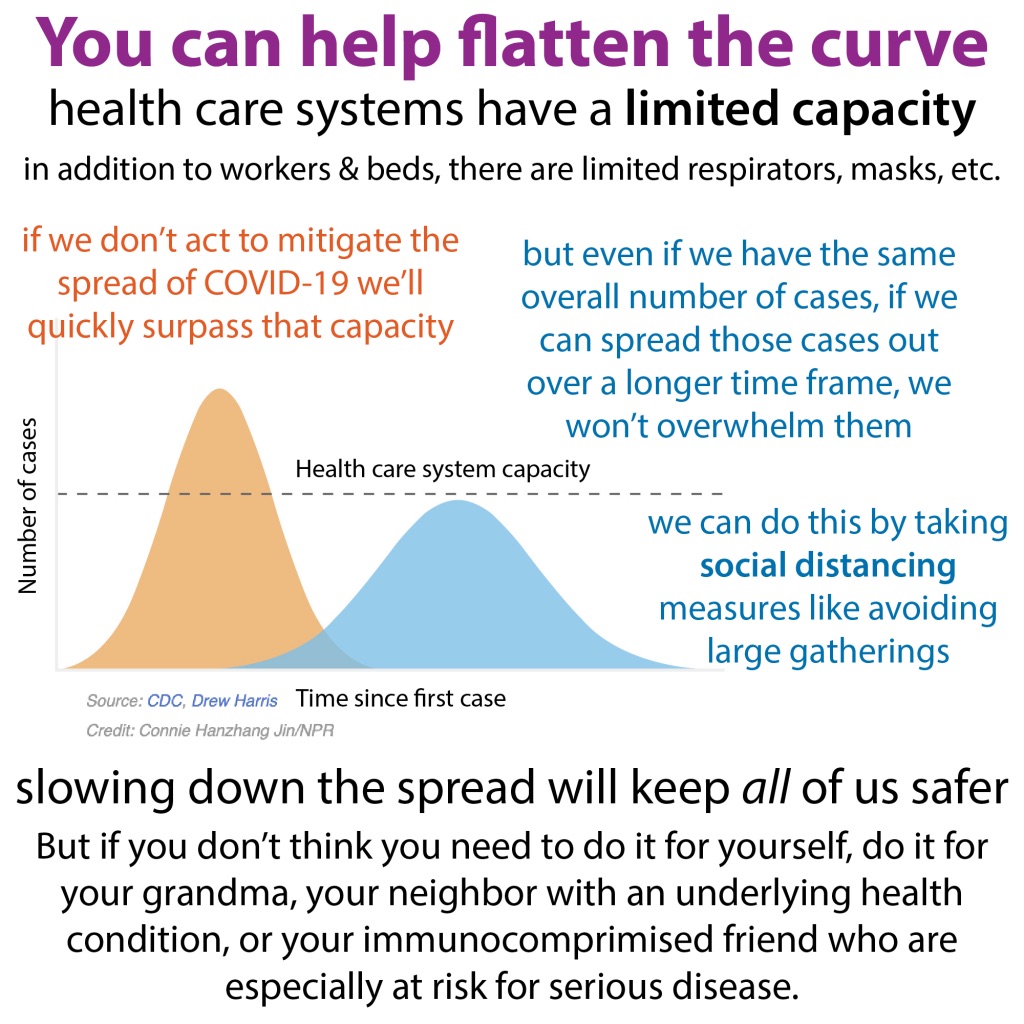
While there is (as of today) no proven specific treatment for Covid-19, doctors can provide assistive therapies to treat the symptoms – like fluids, pain and/or fever reducers, & supplemental oxygen – including, in the most severe cases, through a tube into a patients lungs that also helps mechanically expand the lungs (they can get stiffened by the infection so some patients need help with this). This extreme therapy is provided by ventilators, which are in short supply, as are a lot of things that health care providers need.
So it’s really important we do our part to not overwhelm them. And, it isn’t a treatment, but there is a thing we have really good proof works: social distancing – so keep at it!
link to NIH Covid-19 treatment guidelines: https://covid19treatmentguidelines.nih.gov/
more on topics mentioned (& others) #365DaysOfScience All (with topics listed) 👉 http://bit.ly/2OllAB0

Has there been any consideration to testing patients for G6PD deficiency before giving them drugs and medications? Some medications could have devastating effects and many people are unaware hat they have this deficiency. It affects nearly 500 million people from the same demographics that have been disproportionately affected.
There is before giving HCQ/CQ, but I agree more research is needed https://bit.ly/g6pddeficiency Thanks for bringing it up!