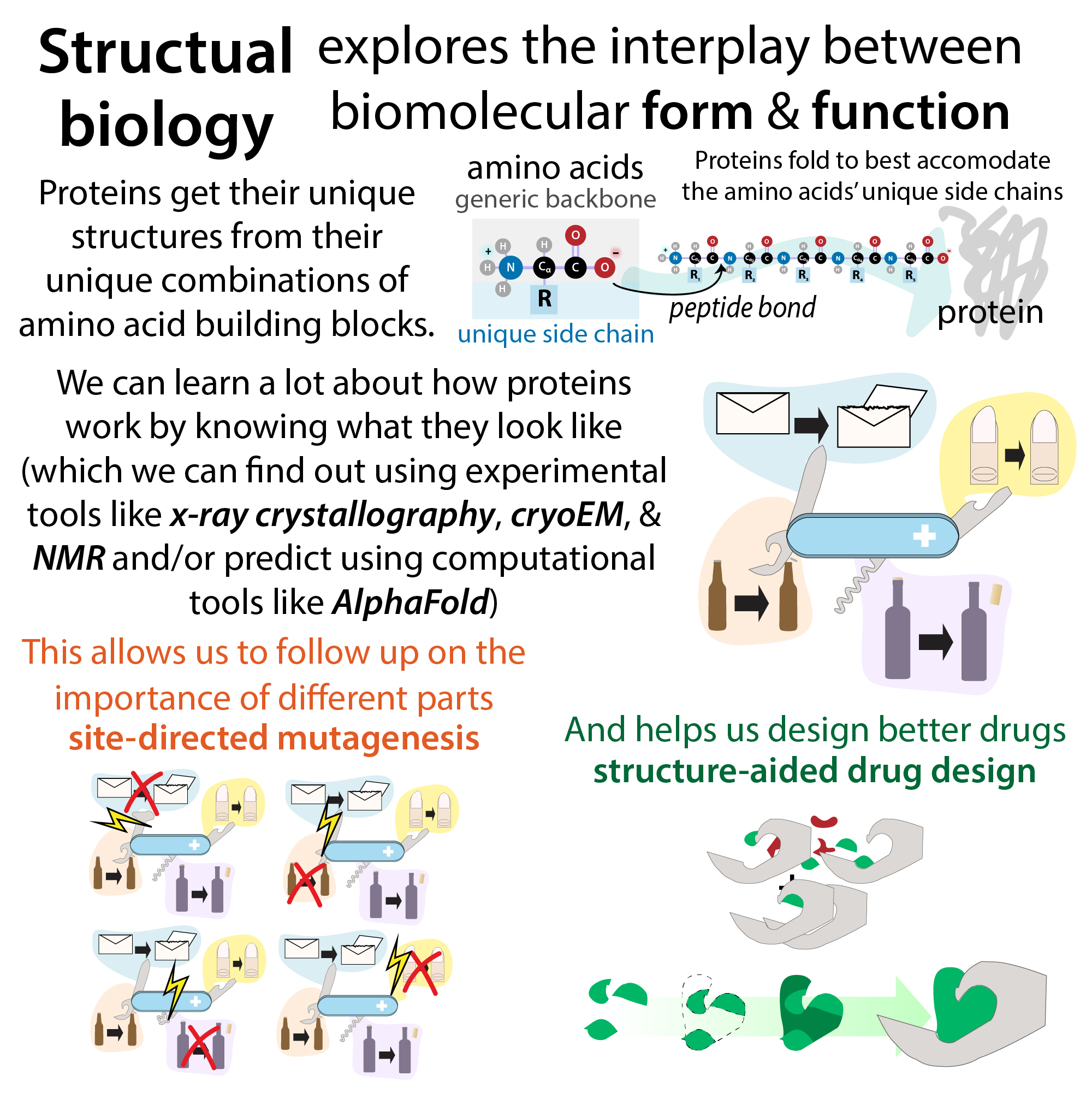
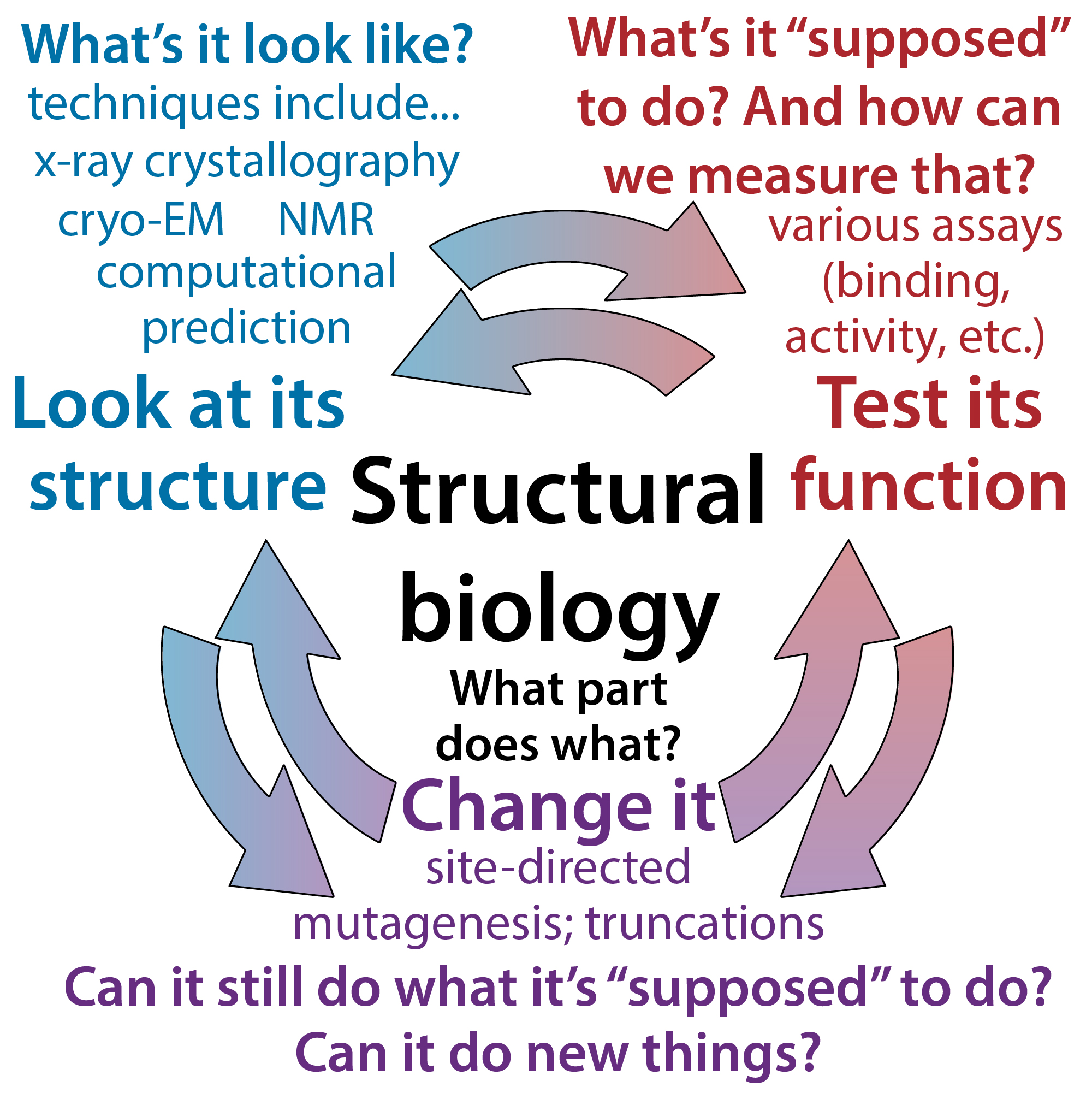
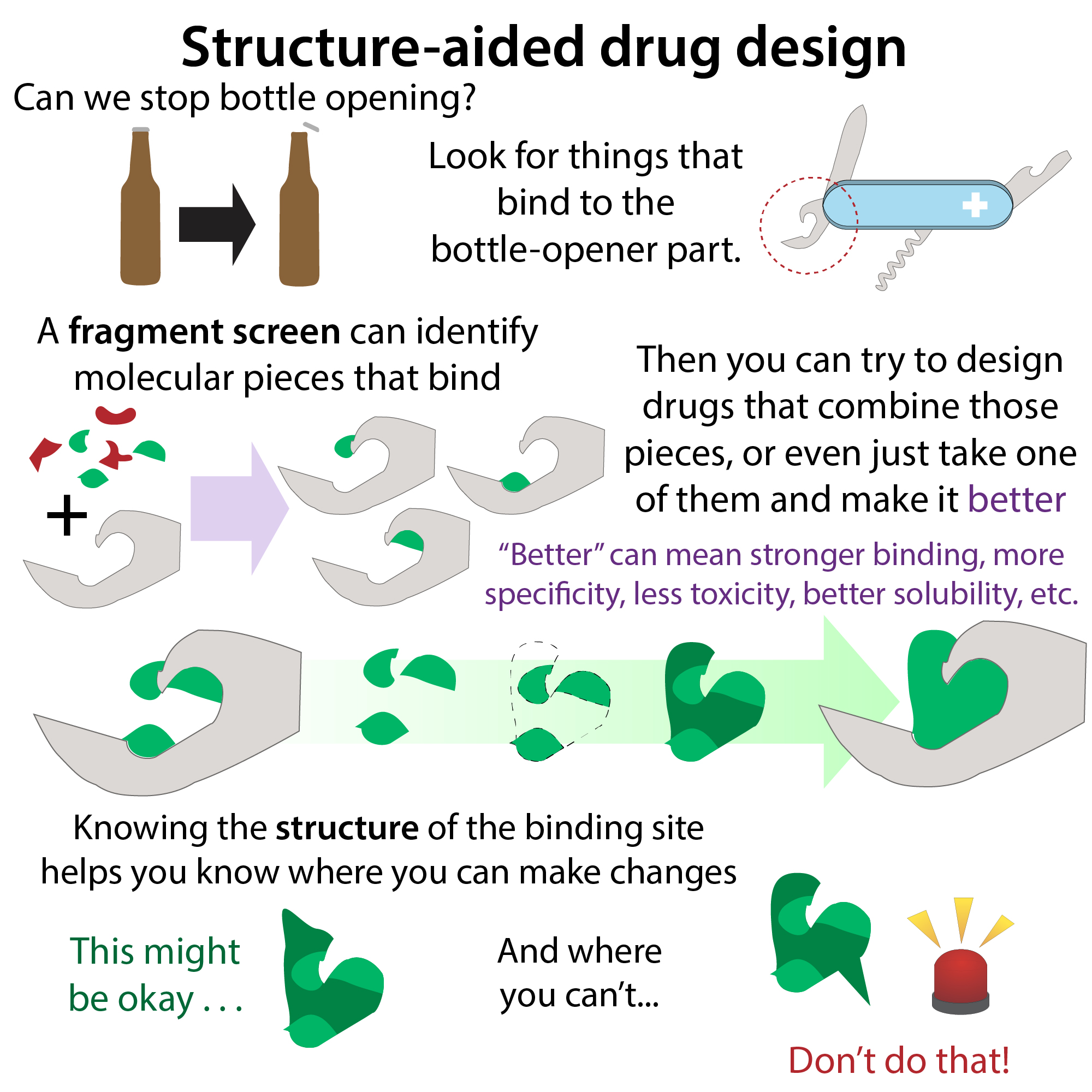
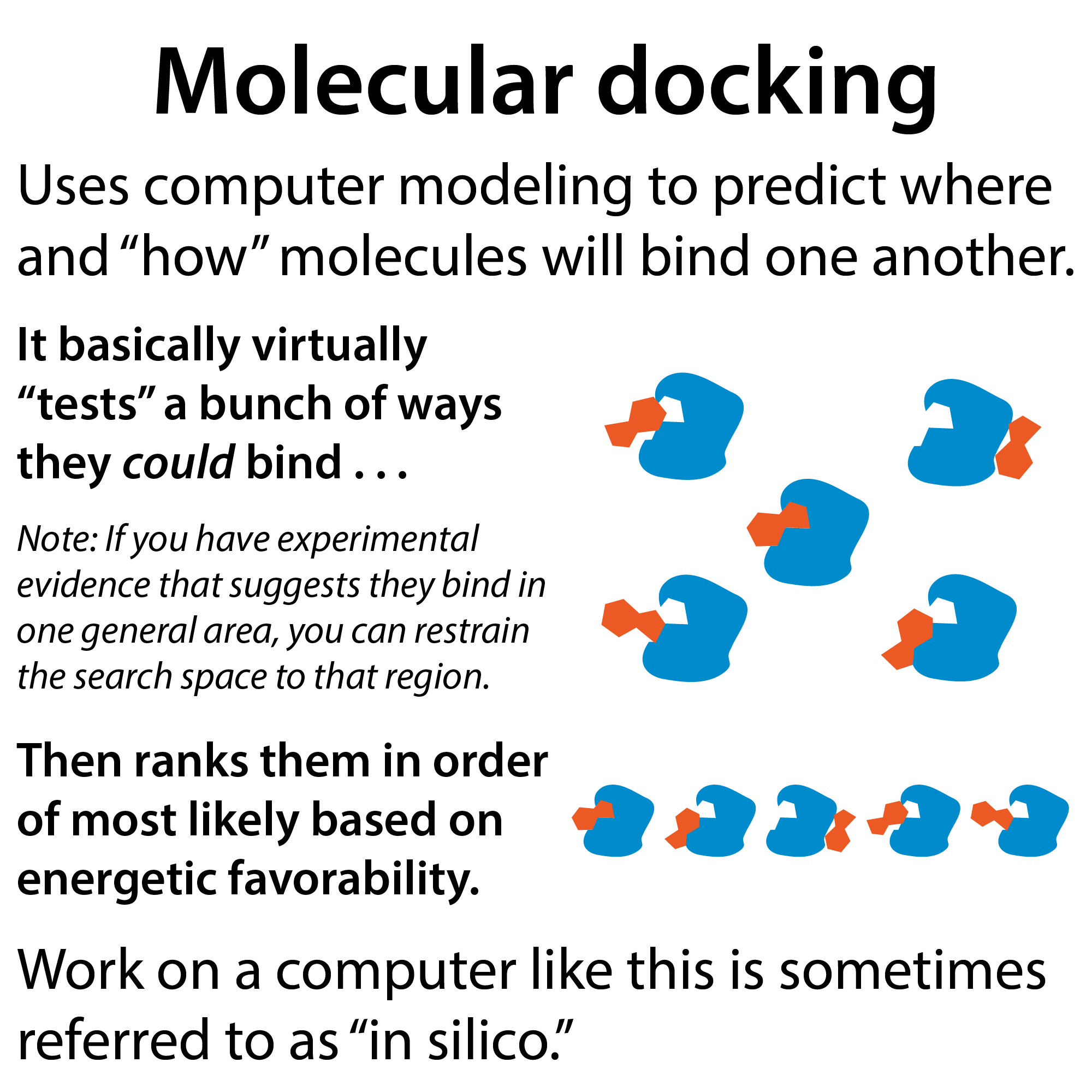
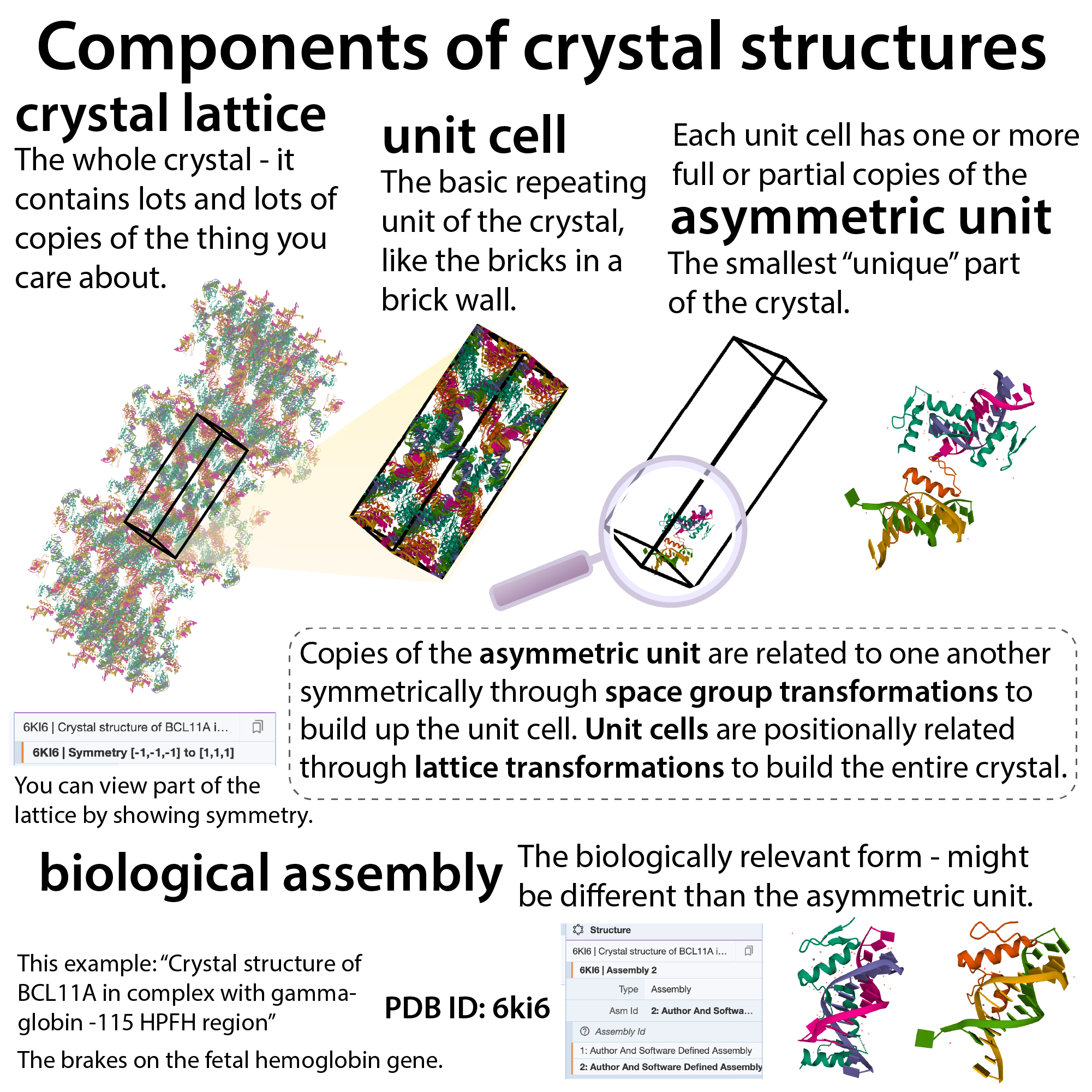
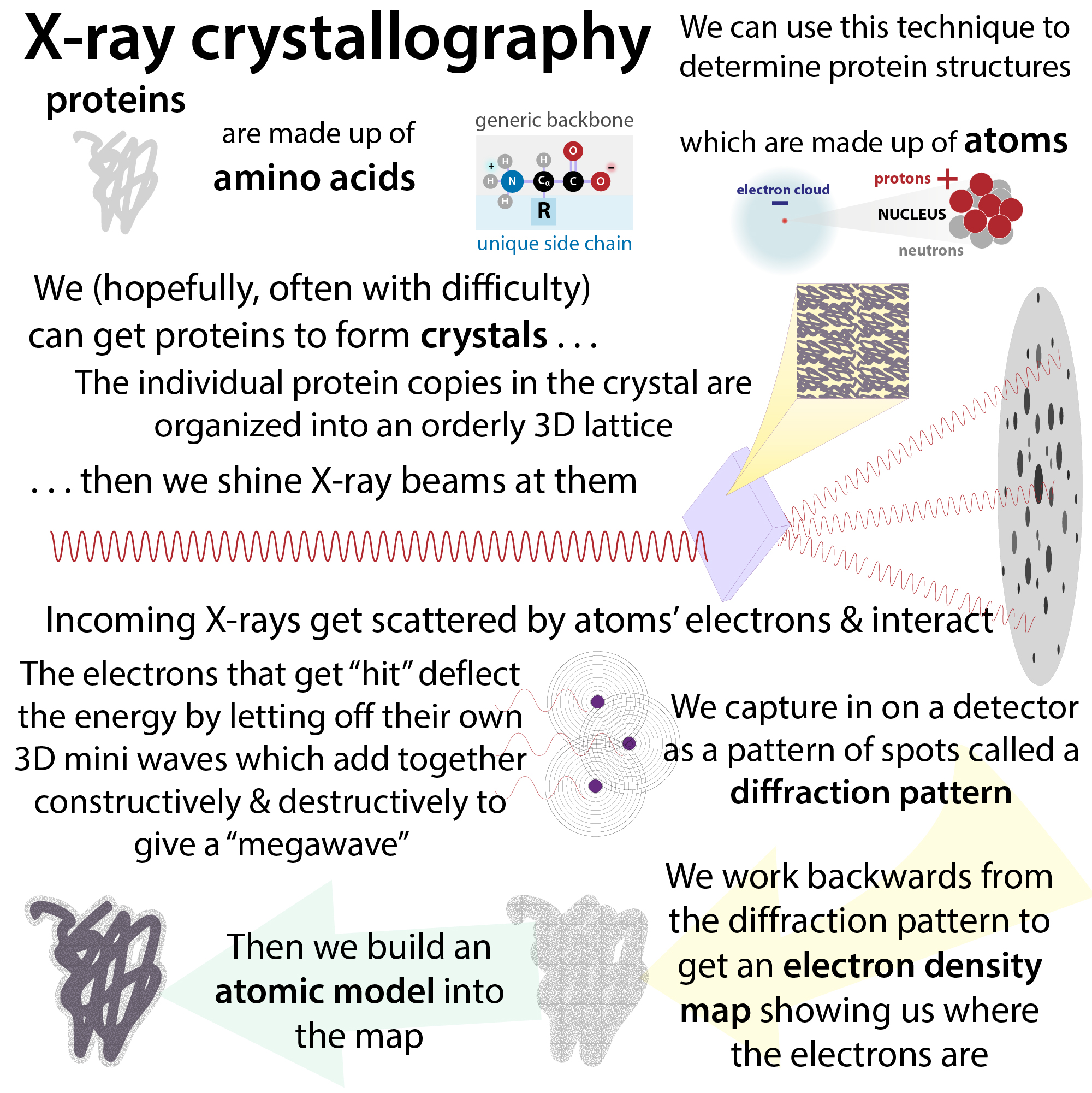
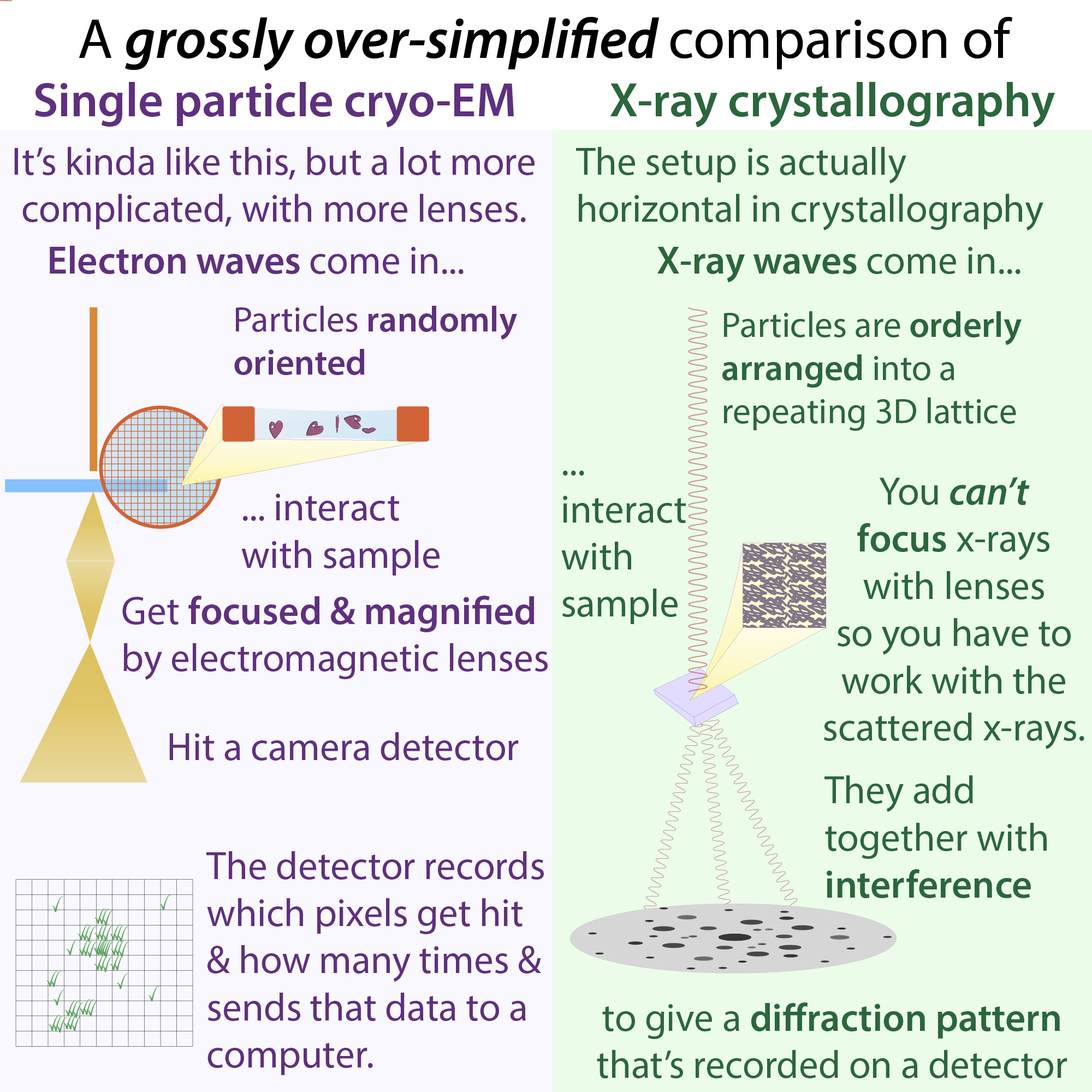
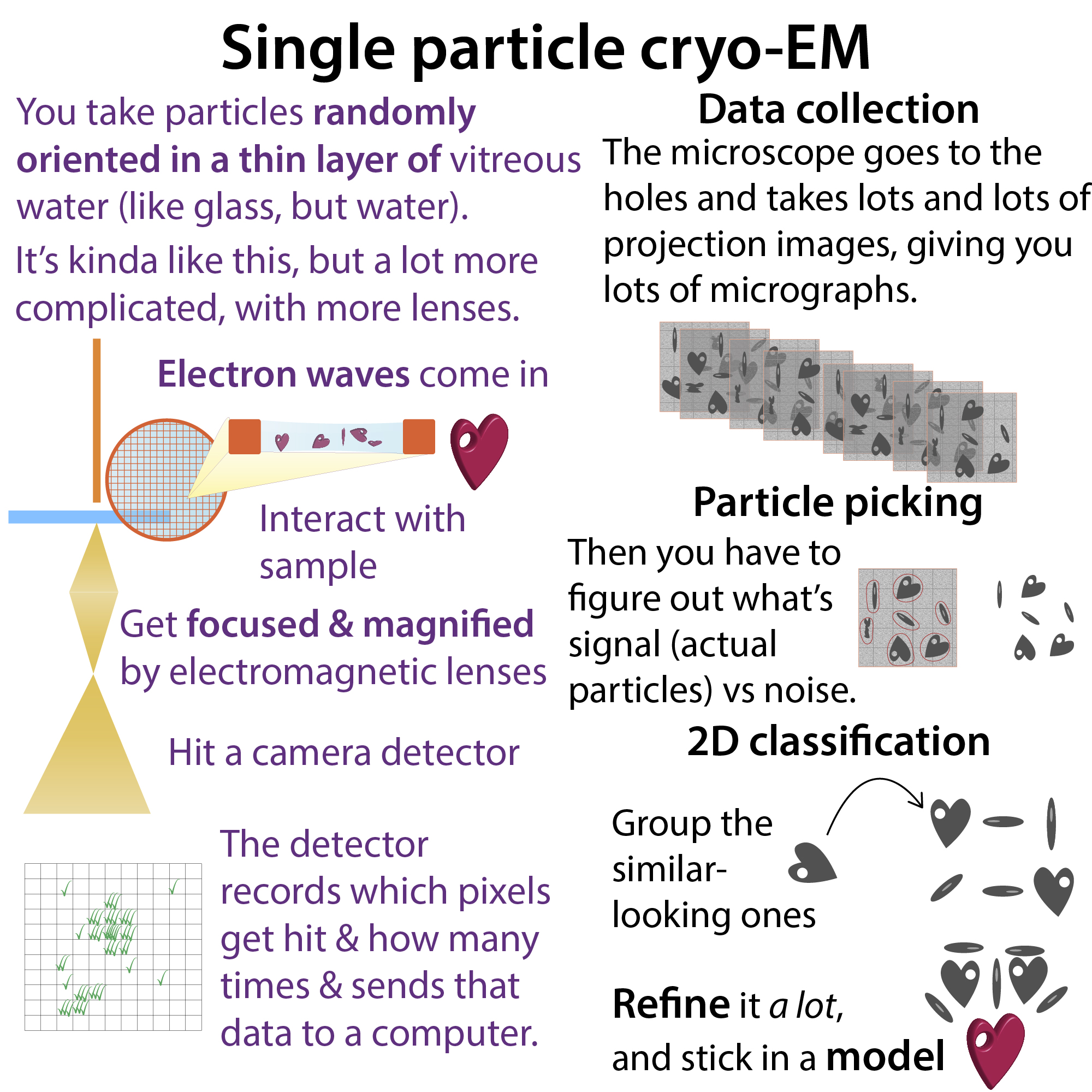
Structural biology” is a sub-field of biology that’s focused on figuring out what molecules “look like” and how their shape is connected to their function. That is to say, it works to connect the “what it does” to the “what it looks like” to help determine “how it does it” and it uses techniques including X-ray crystallography and cryo-EM to get looks, combined with biochemical & biophysical techniques (measuring activity, binding, etc.) to further investigate the functional importance of different parts that are seen (though sometimes this functional stuff is discovered first but makes a lot more sense once you can see it). Here are some posts on structural biology…
Starting with what the heck it is and what structural biologist, like, actually “do”!
And some key things to know about structural biology:
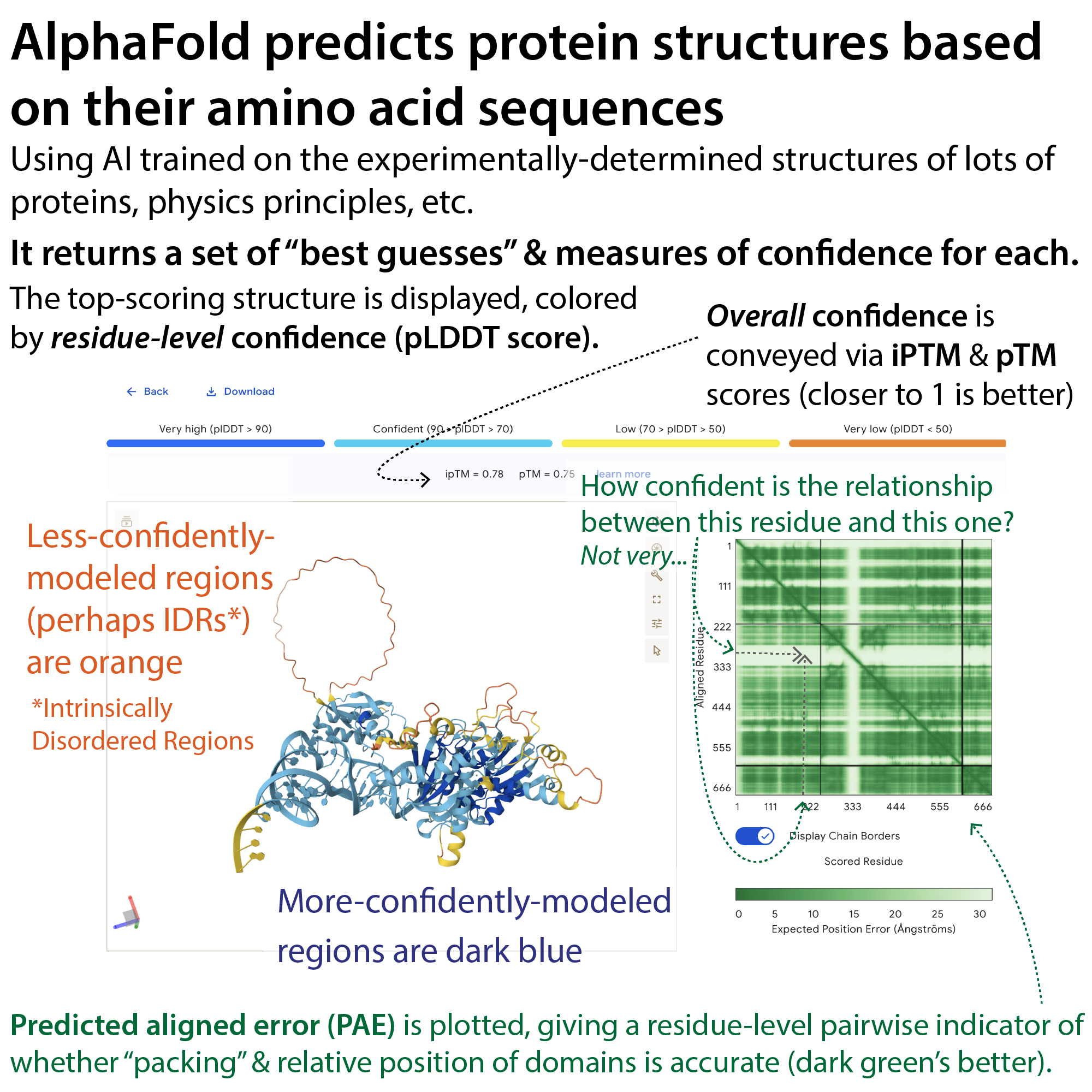
- What you’re seeing is probably a model
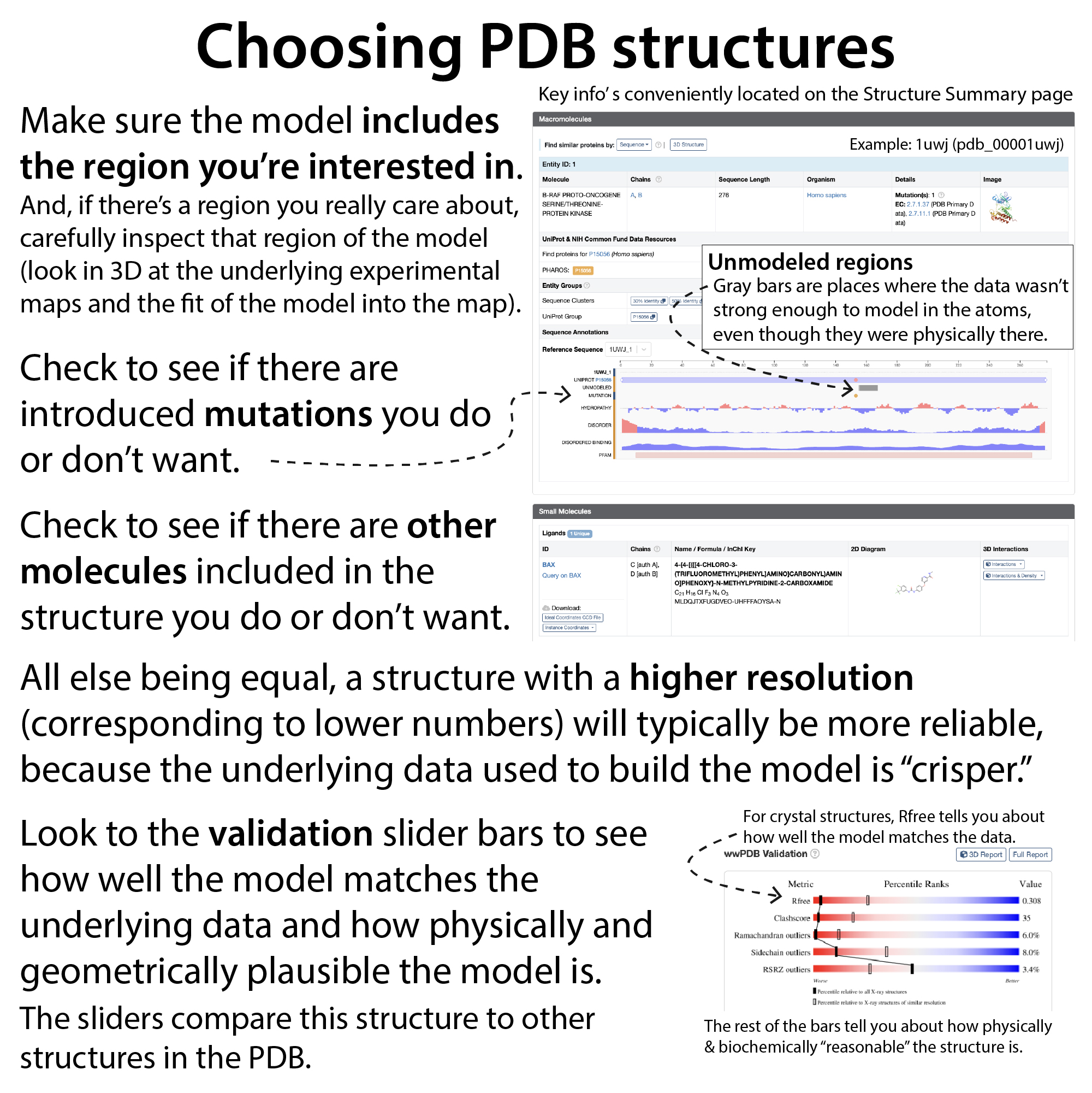
- The higher the resolution, the less “fuzzy” the experimental data is, so the more likely the model can be filled correctly (higher res = “better”)
- Higher resolution corresponds to lower numbers (lower # = “better”)
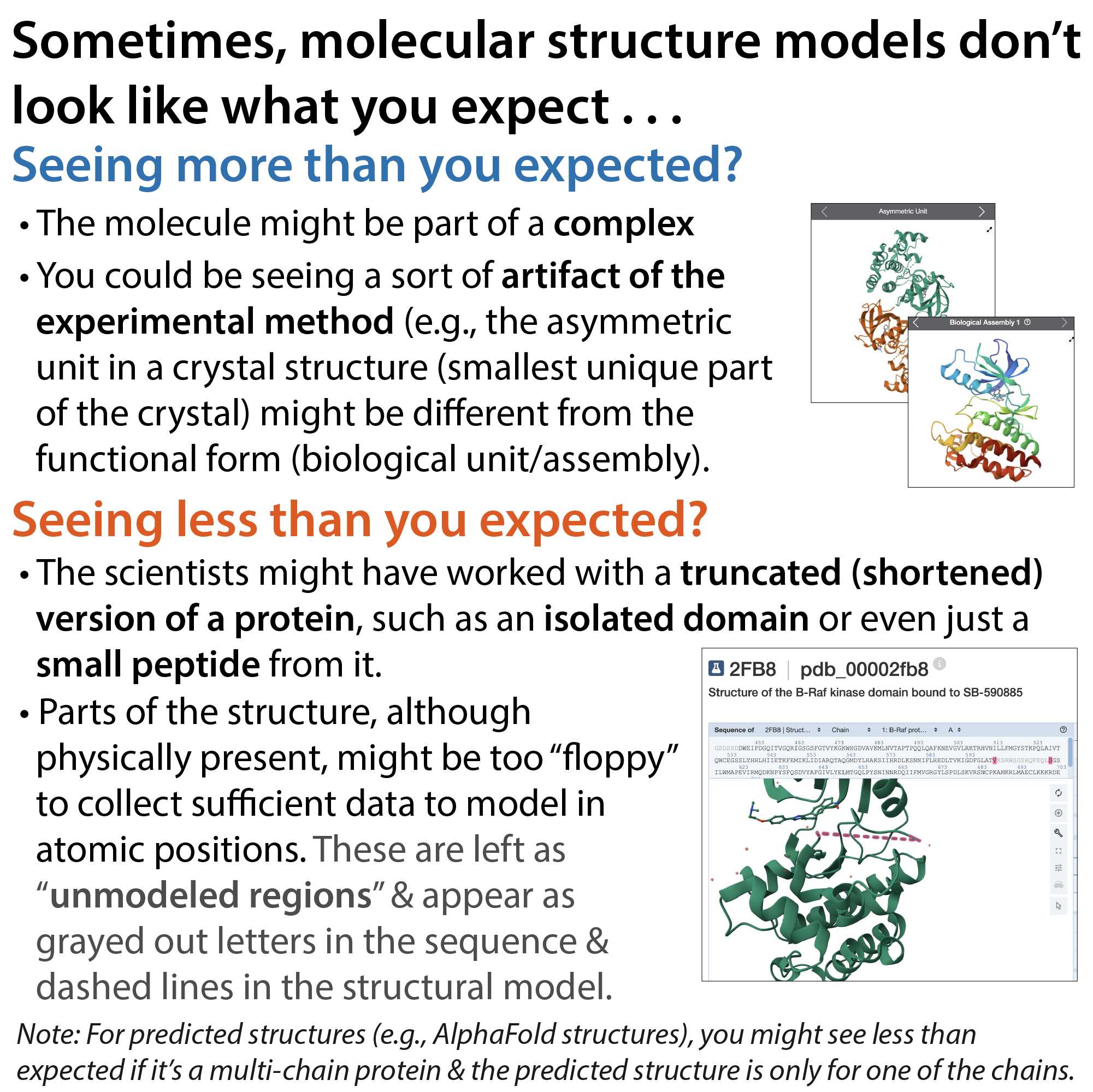
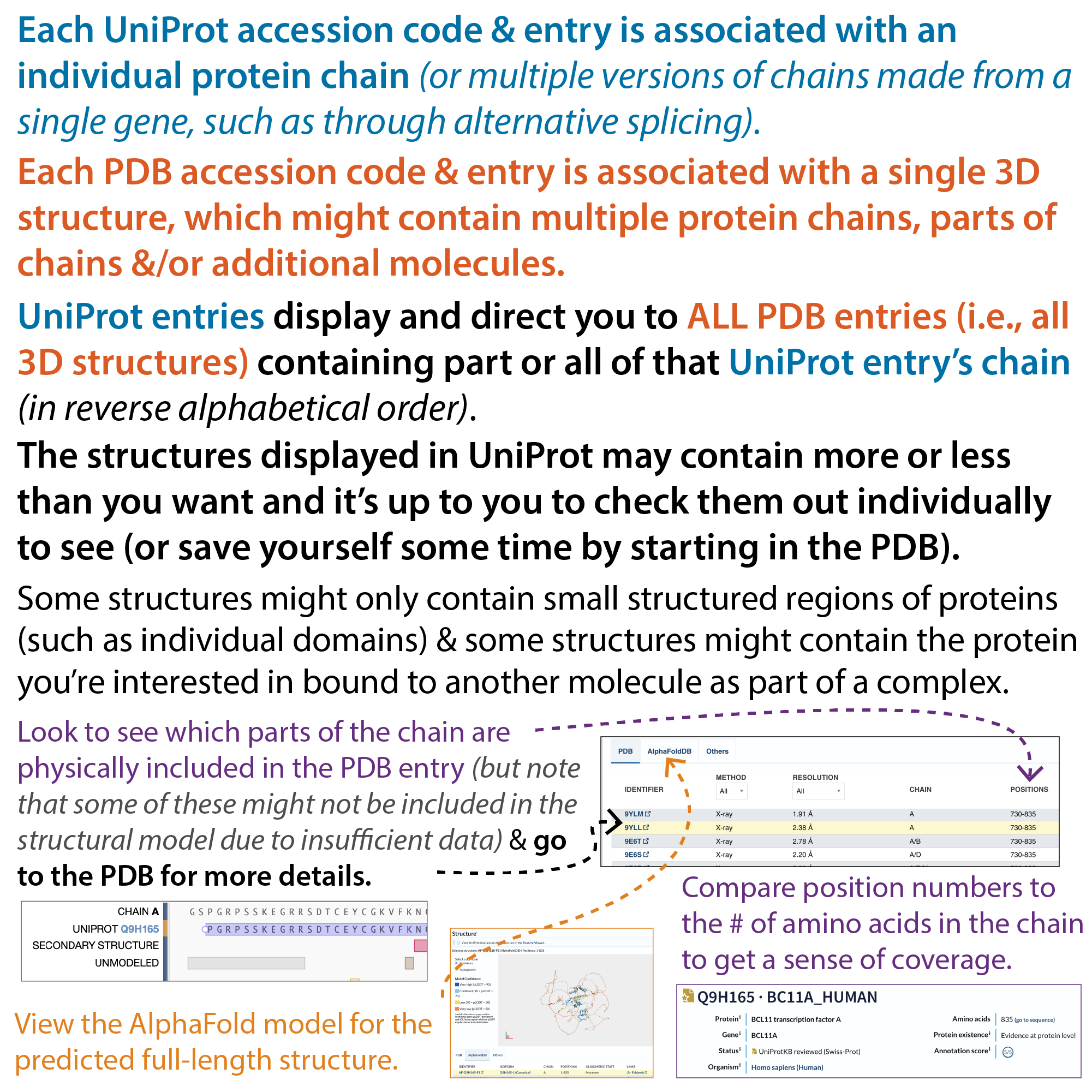
- You might not be seeing everything (either because the region is physically missing or because the data in the region isn’t clear enough)
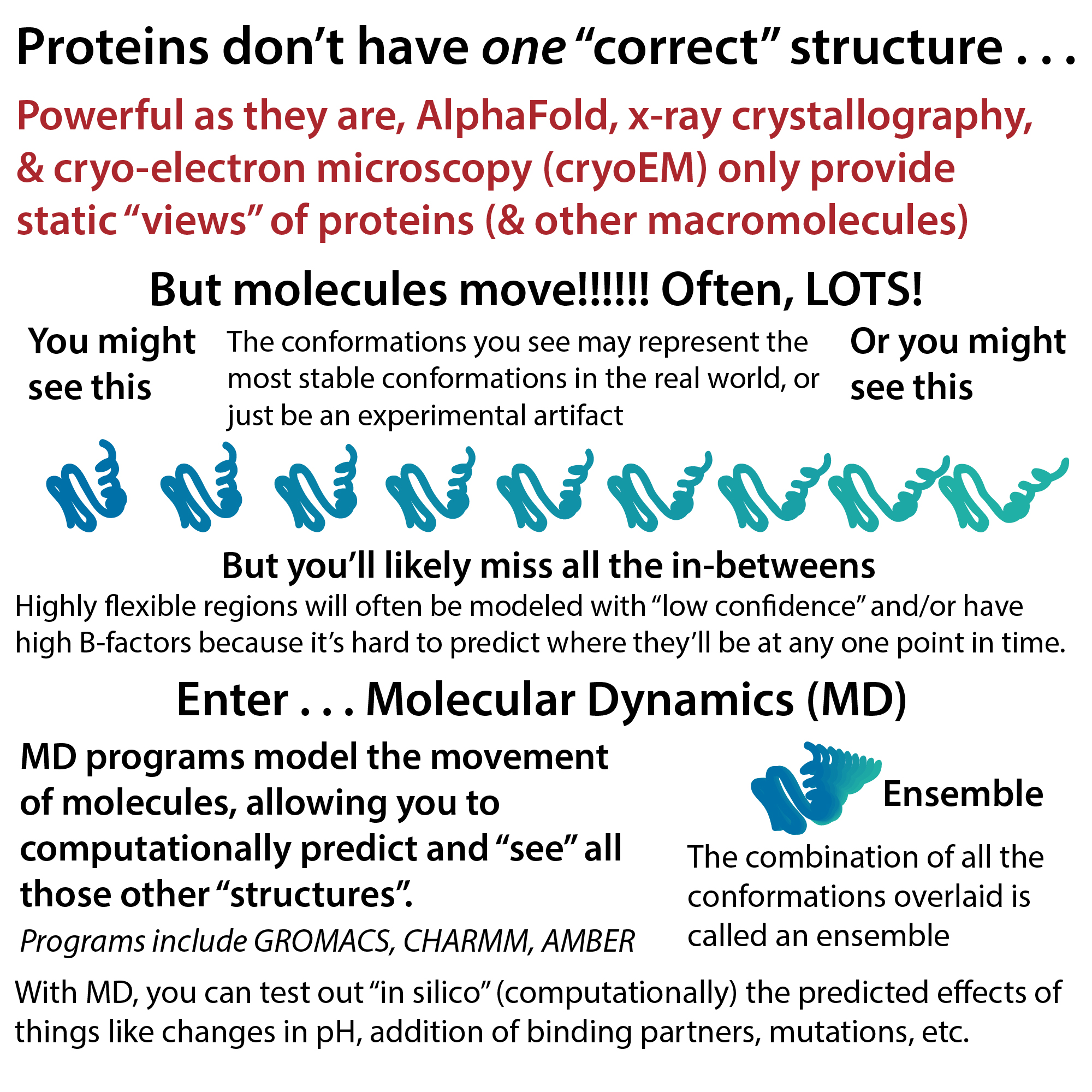
- What you’re seeing are just “snapshots”
- Structural biology is more than “just” structures – it’s often followed up with functional experiments
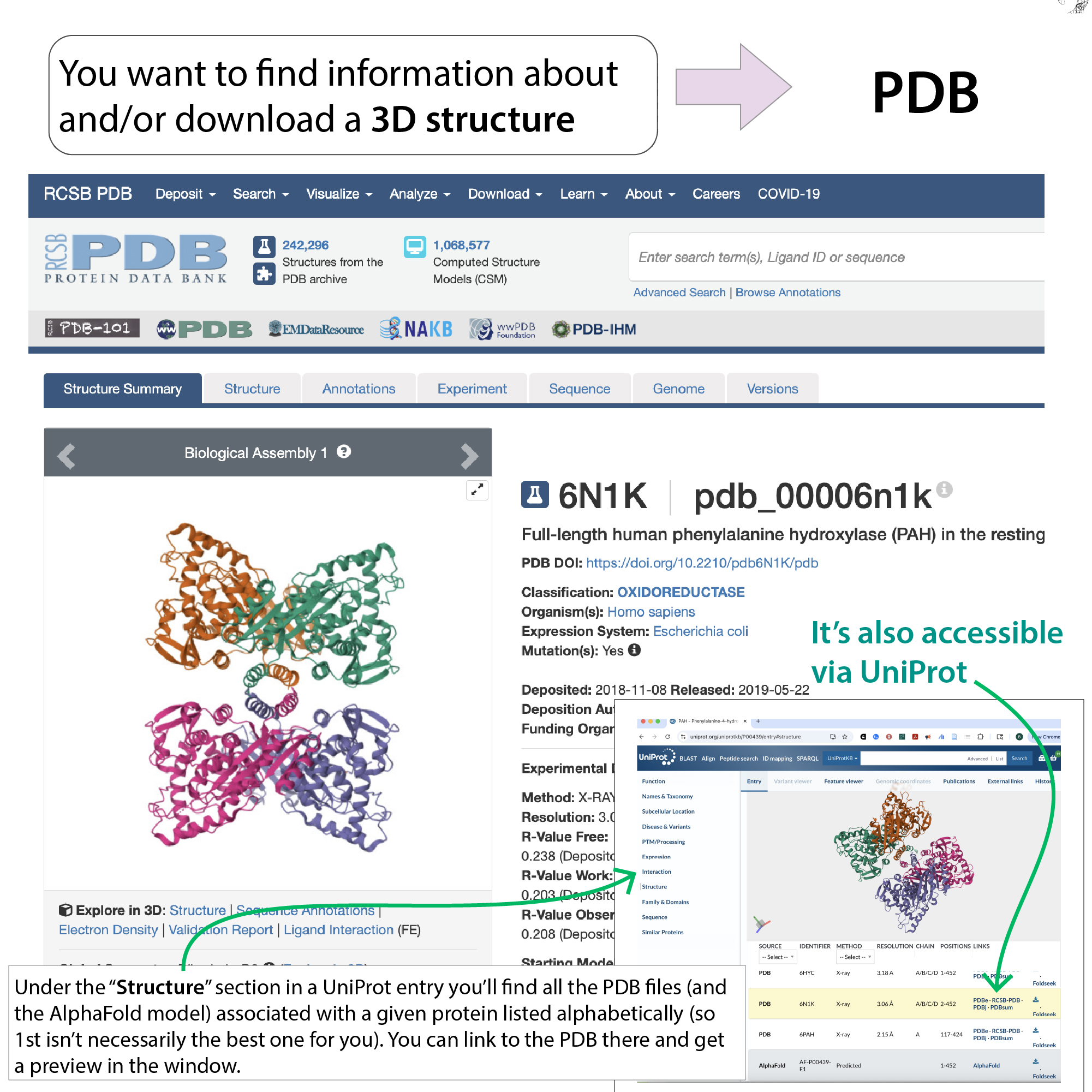
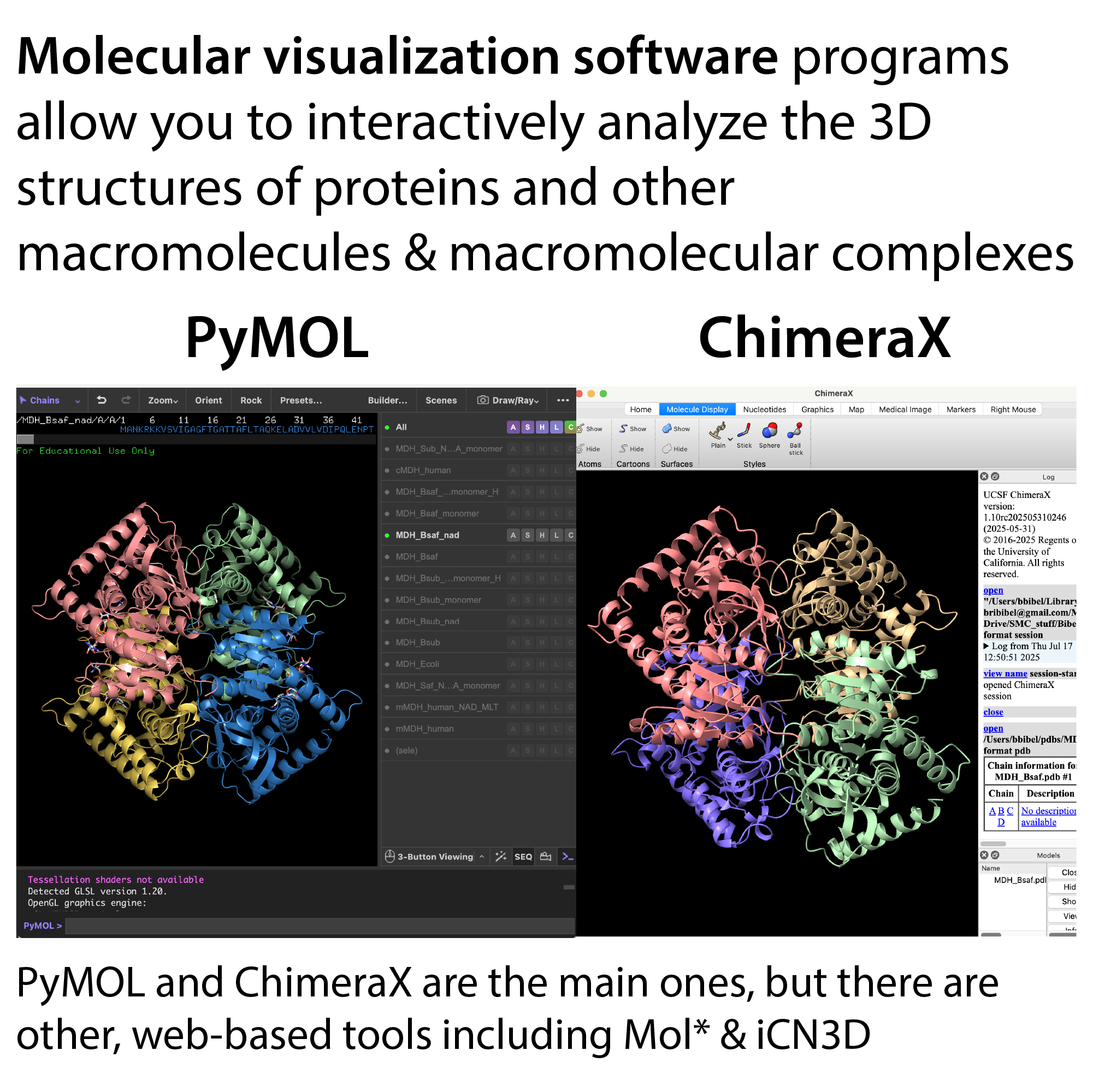
- You can, and should, look at the the models & maps yourself (in PDB, iCn3D, PyMol, ChimeraX, etc.) and know it takes practice, but gets easier
- It’s awesome, but solving structures is not as easy as it’s sometimes made to sound/look
And here’s a link to my YouTube structural biology playlist: https://youtube.com/playlist?list=PLUWsCDtjESrGhwVxsRbTJdL-BEsN60RCs
And a video on some of my favorite resources, with a downloadable guide with links below: https://youtu.be/OoWpQ_2pLac
Here are more recommendations for resources for those working with proteins: Software tools and databases for working with proteins
Gallery – click on an image to enlarge it