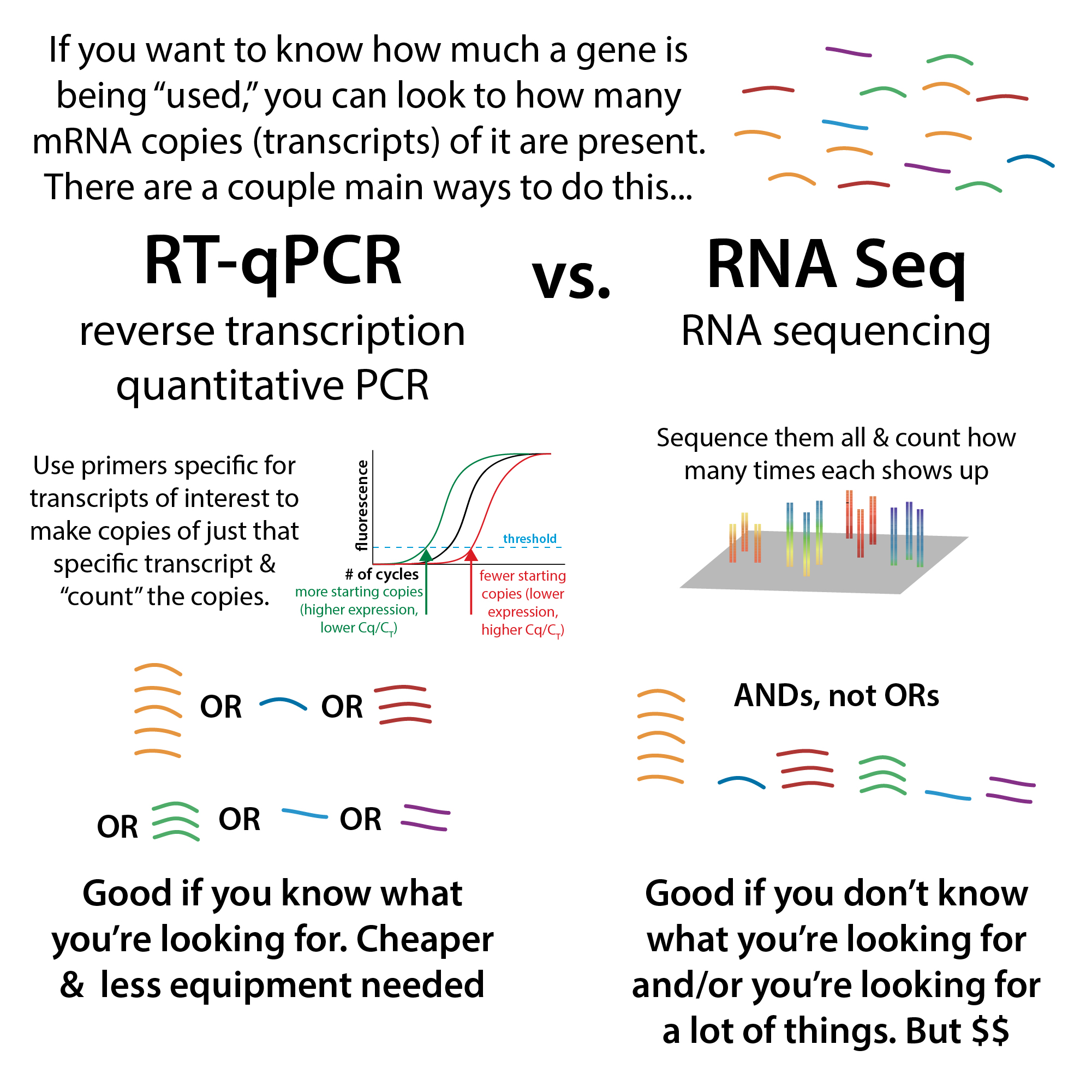
RT-qPCR (reverse transcription quantitative PCR) lets you measure “gene expression” at the level of mRNA. Basically, you can see how much various genes are getting “used” under specific circumstances by “counting” how many copies of mRNA made from that gene are present. Those mRNAs are the recipes for making specific proteins, and the more recipes there are, the more protein can be made. So, measuring the mRNA* is an imperfect, indirect way of measuring how much of a specific protein is likely being made.
Much more on RT-qPCR: http://bit.ly/rtrtqpcrprimer , https://bit.ly/qpcranalysis & https://youtu.be/4WPkAMB_dPU
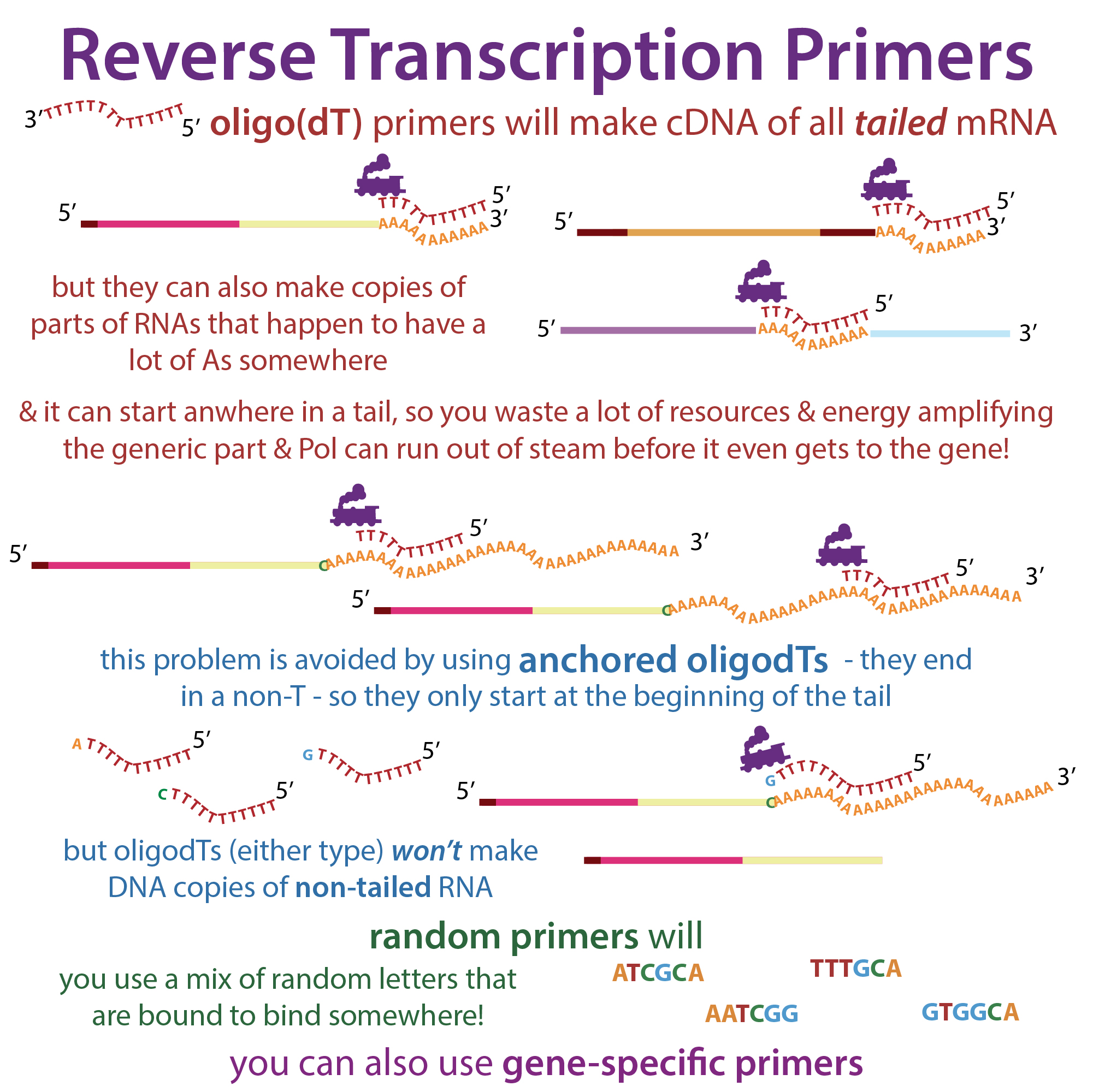
*you actually measure cDNA – complementary DNA – that is, DNA copies of the mRNA. Hence the “reverse transcription” in the name – transcription is the process of going DNA -> RNA, so reverse transcription is RNA -> DNA. DNA is more stable and can be copied by DNA Polymerase in the PCR process.
A couple good things about RT-qPCR are that it’s comparatively cheap (in comparison to methods like RNA-seq) and simple. There are drawbacks, however, including the biggest one – you need to know what you want to look for! The way the technique works, you use short pieces of DNA called primers to indicate what mRNA you want to look for. The primers provide starting points for DNA Pol. Each PCR cycle doubles the amount of copies that DNA Pol makes. The more mRNA there was, the more cDNA you started with, thus the faster you’ll reach high levels of copies. How high? Typically, you look for how many cycles it takes to cross the threshold of background noise, as measured using a fluorescent double-stranded DNA dye (e.g. SYBR green) or sequence-specific probes (e.g. Taqman).
If you don’t know what you want to look for, you can’t create primers that tell the test what you want to look for. If you don’t know, how can you expect the test to?
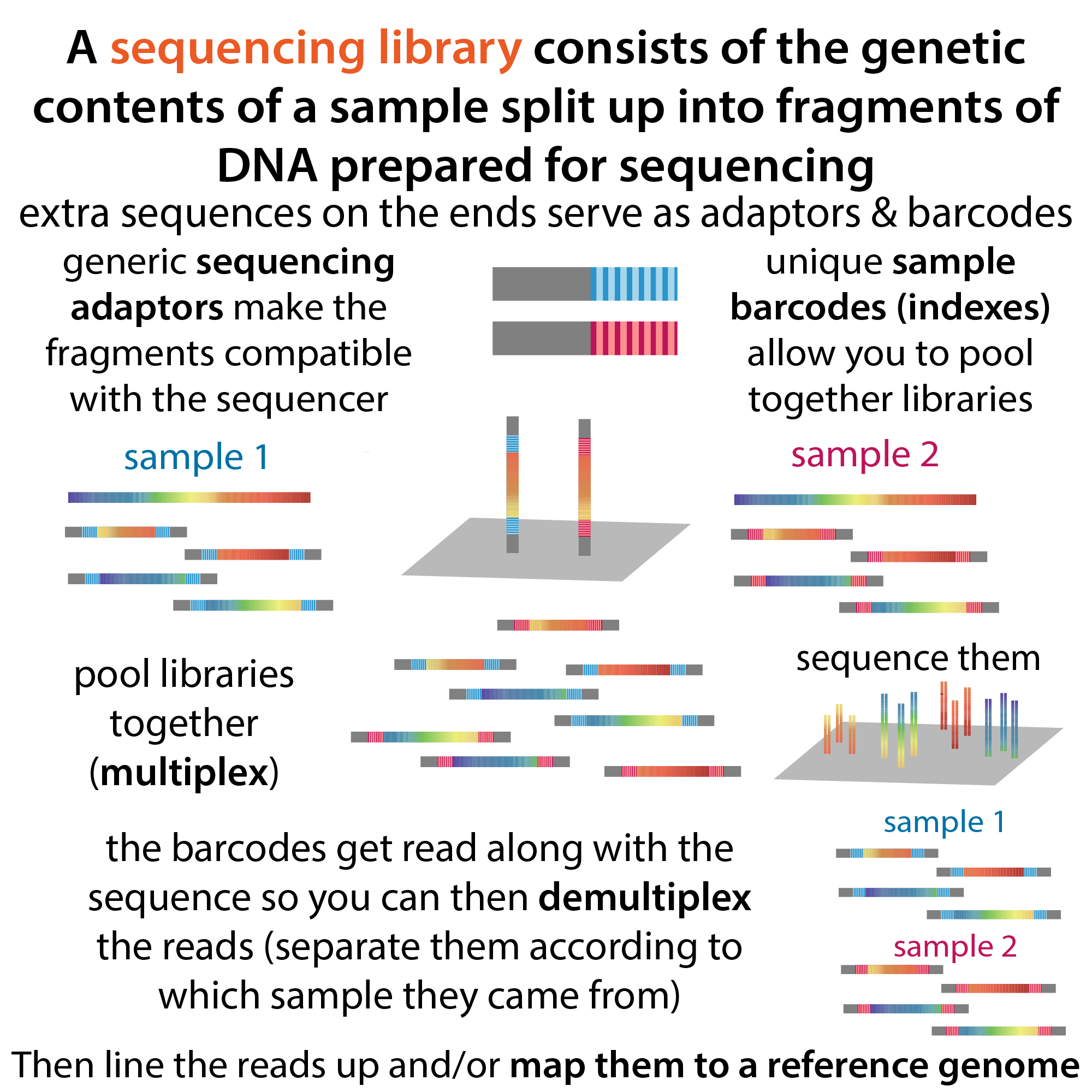
For exploratory purposes, something like RNA-seq (RNA sequencing) is much more helpful. But also, unfortunately, much more expensive! In RNA-seq, instead of looking for specific sequences and counting how many copies of them there are, you look “un-biasedly” at all the mRNAs that are present and count them all!
Often you see people start with RNA-seq, then validate “hits” (candidate genes of interest) with RT-qPCR. Validation is important because each technique has limitations and technical biases. Once you have “hits,” you can also use qPCR to more easily and cheaply test for differences in just those few mRNAs under different conditions.
So the two techniques are complementary. But, unfortunately, as I’m currently in a state of struggling with, if you don’t know what hits you’ll have (and/or you have too many possible things to look for than you have budget for primers for), you don’t know what primers to order to know what to look for…
It’s also important to note that, in addition to the technical limitations (e.g. biased RT, etc.), mRNA counting (even if you could do it perfectly) isn’t always a great indicator of protein production because there are additional levels of regulation at the post-transcriptional level (e.g. translational regulation, protein degradation) that influence how much of the final protein is present.
Therefore, you might also see things like western blots and mass spec used to measure protein levels. Western blots are analogous to RT-qPCR in that you need to know what you’re looking for (in this case, using antibodies to probe for specific proteins on a membrane), but mass spec is more like RNA-seq, where you go in unbiasedly.
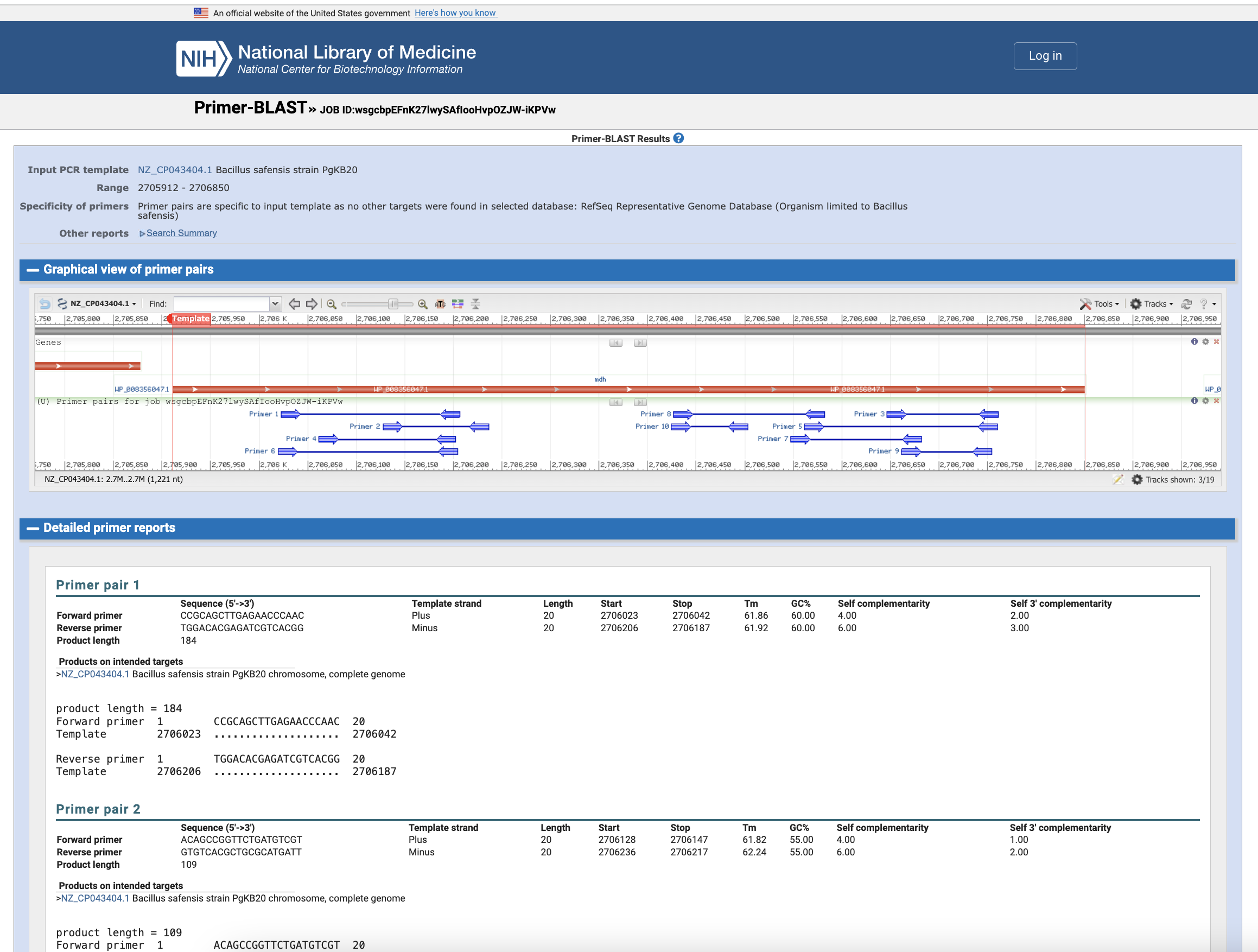
When it comes to actually designing primers for RT-qPCR, the NCBI Primer BLAST tool can be really useful. Because it has access to all public sequences, it can create Primers that not only have the chemical characteristics you want, but also have less chance of non-specific binding (binding to sequences other than the ones you want).
NCBI Primer BLAST: https://www.ncbi.nlm.nih.gov/tools/primer-blast/
NCBI, How to: Design PCR primers and check them for specificity: https://www.ncbi.nlm.nih.gov/guide/howto/design-pcr-primers/
I found this TopBio blog page helpful: https://toptipbio.com/real-time-pcr-primer-blast/
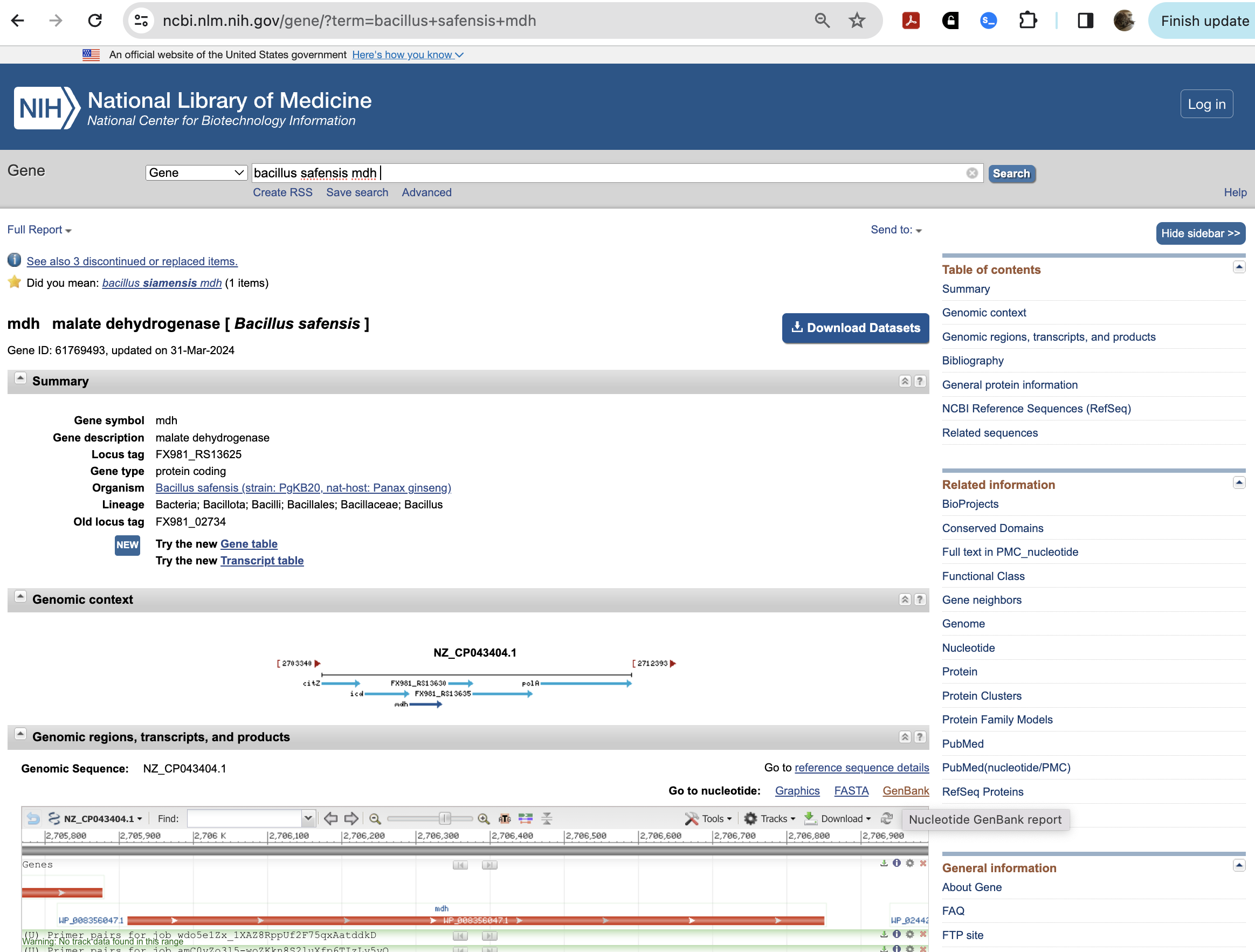
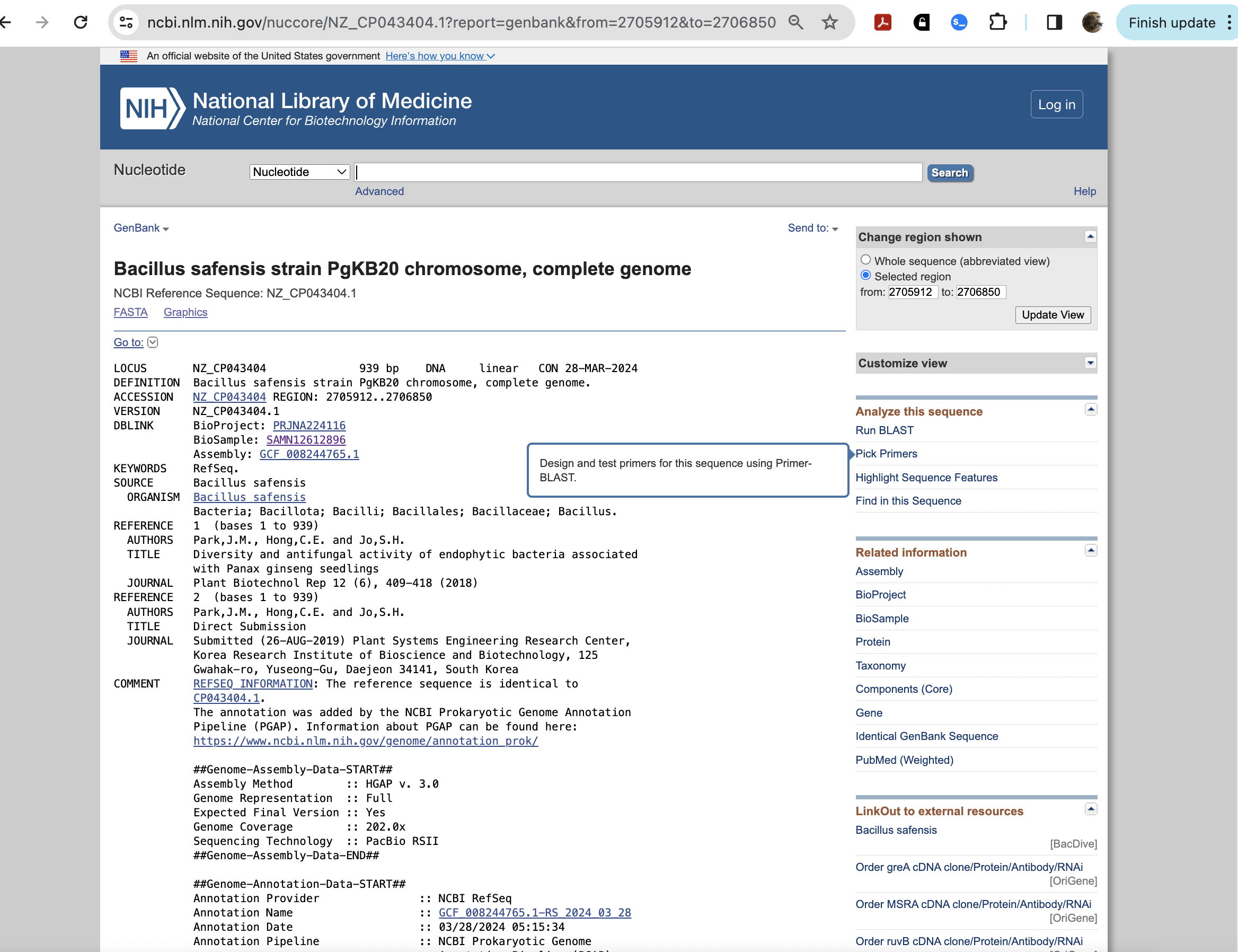
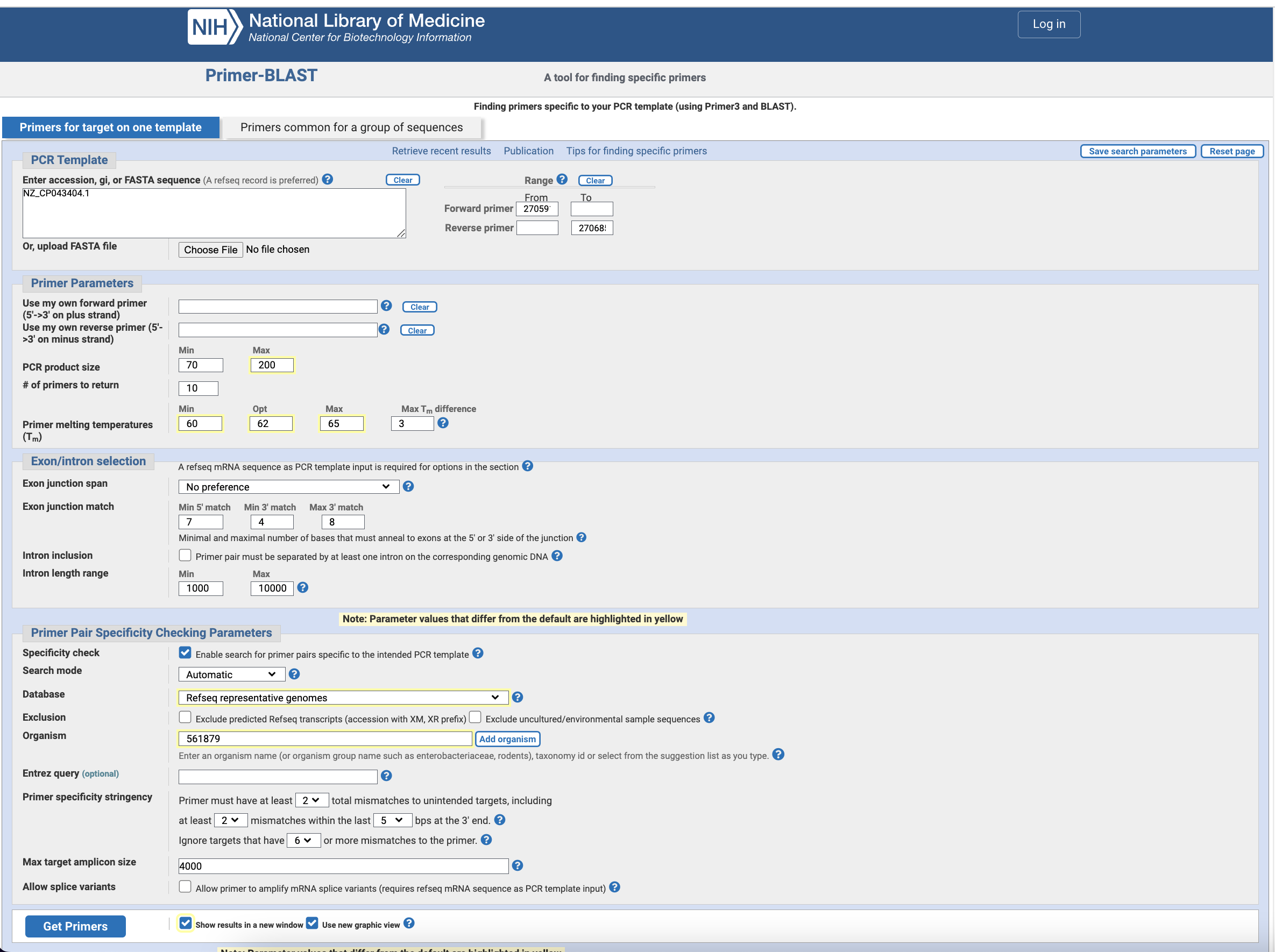
But, in my case, I’m dealing with bacterial mRNAs, which don’t have introns so that makes things simpler. But ones I’m working with also don’t have reference mRNA datasets, so I’m just using the genomes (which is why it’s even more helpful there aren’t introns!) A couple key parameters to change when you’re using Primer BLAST for RT-qPCR primer design: aim for a product size ~50-150 bp and a goal Tm (melting temp) of ~62.
More on…
RT-qPCR: http://bit.ly/rtrtqpcrprimer , https://bit.ly/qpcranalysis & https://youtu.be/4WPkAMB_dPU
Ways to measure expression: https://bit.ly/expression_measurement
Sequencing methods: http://bit.ly/DNAsequencingmethods
Sequencing libraries: https://bit.ly/molecularlibraries