Investigating metabolic adaptations of metal-remediating microbes
Official Bibel lab site: https://bibellab.lmu.build/
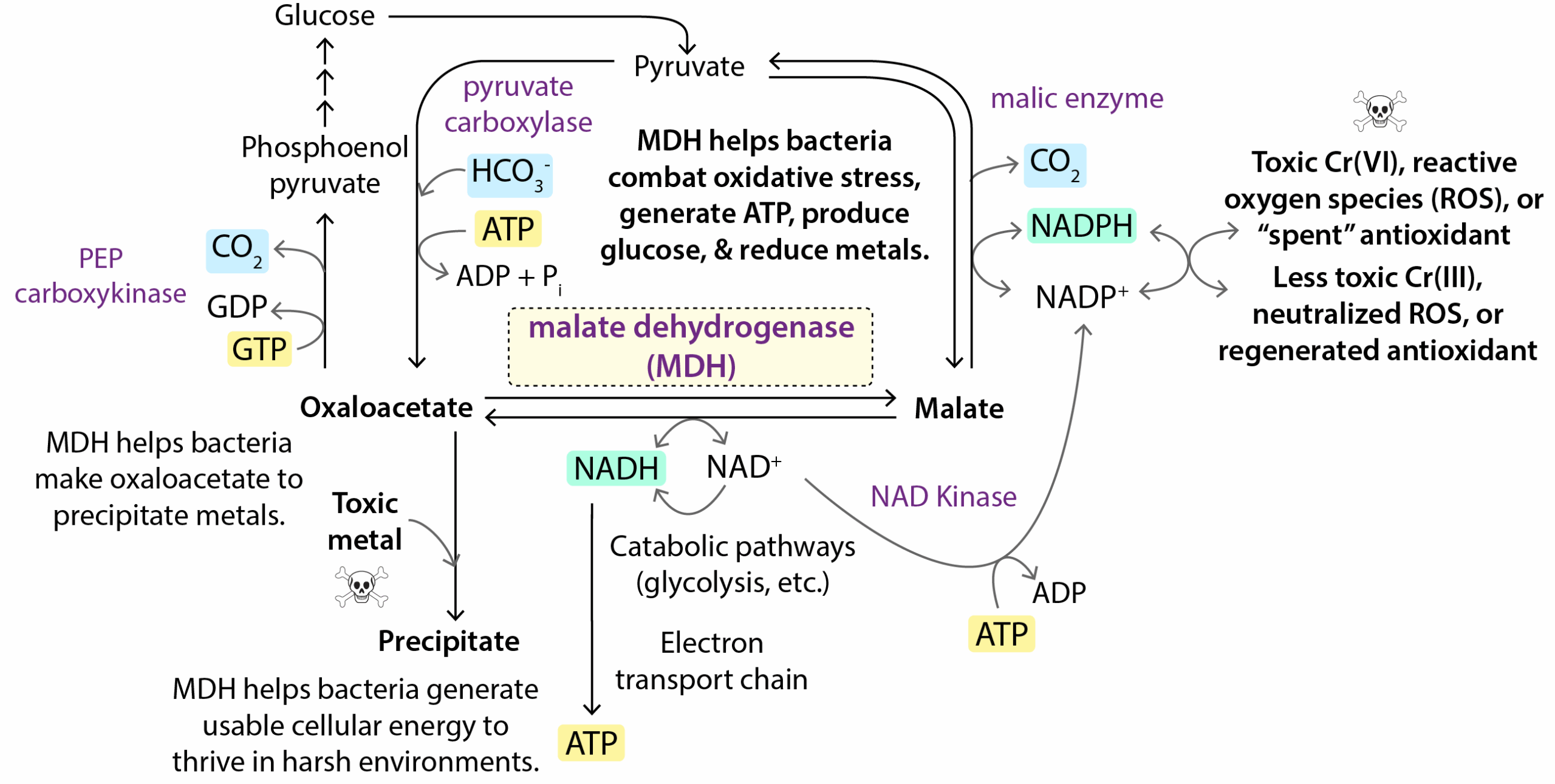
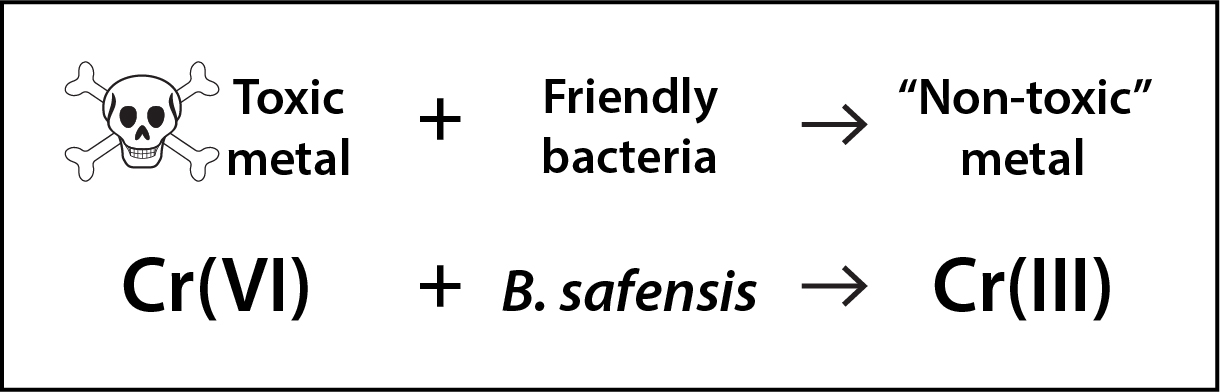
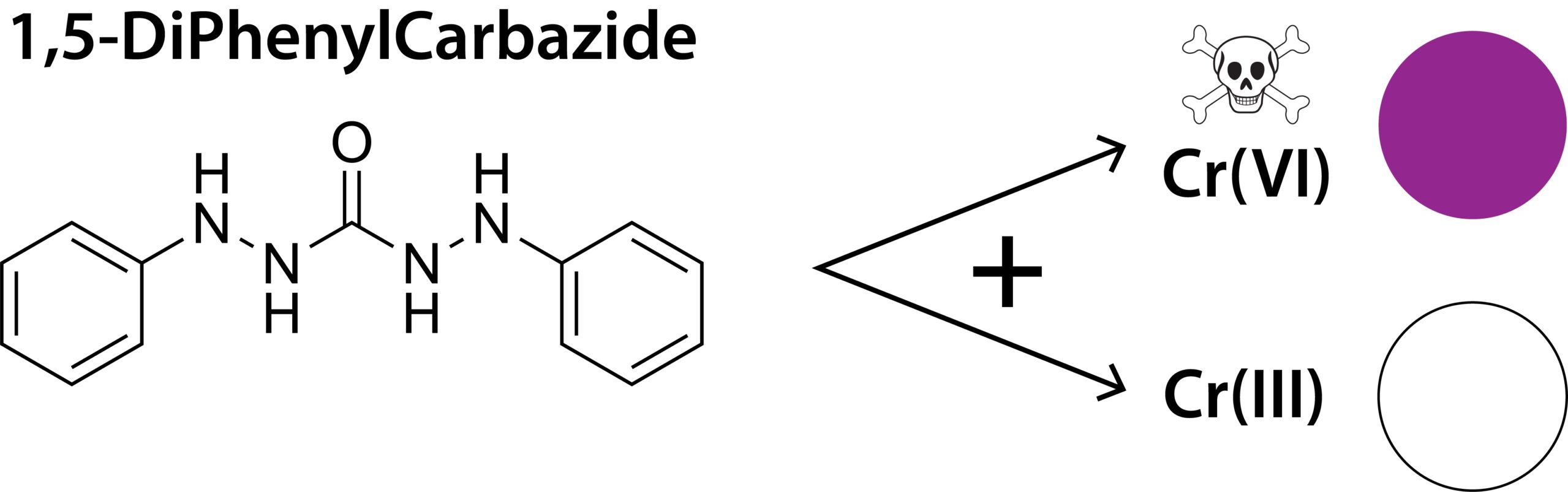
Our lab investigates how bacteria rewire their metabolism to facilitate the process of “bioremediation” – using living organisms to clean up the environment. We’re most interested in the bioremediation of the toxic heavy metal chromium, Cr(VI). High levels of Cr(VI) are incompatible with most life. However, some bacteria are able to not only survive in its presence, but also reduce it to a much less hazardous form, Cr(III). A sort of biological “detox” if you will. This form of remediation is much more environmentally-friendly and sustainable than conventional chemical and physical methods, but the metabolic adaptations involved are not well-characterized. By unraveling these adaptations in the largely-uncharacterized bacterium Bacillus safensis, we hope to help advance the use of this microbe for environmental clean-up.
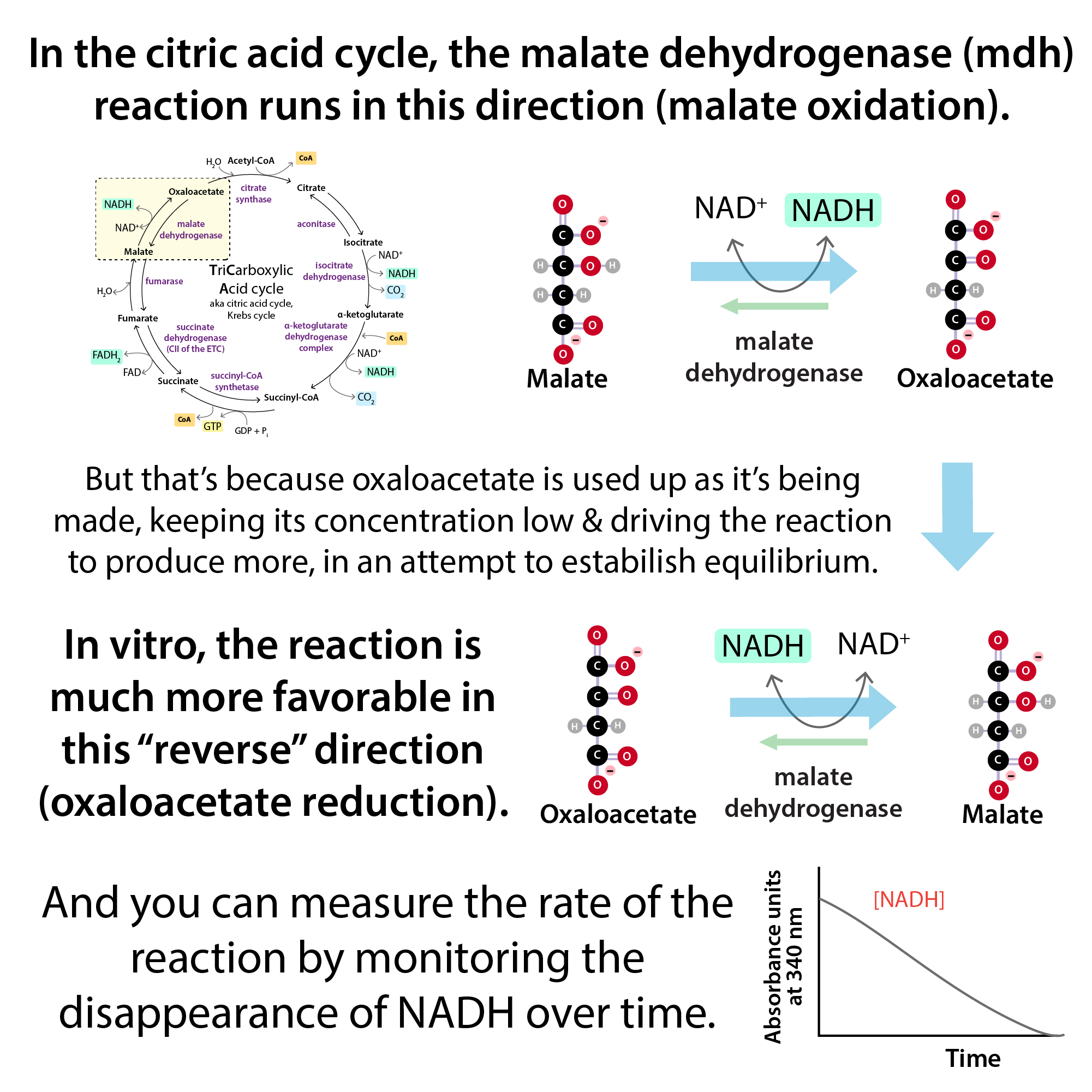
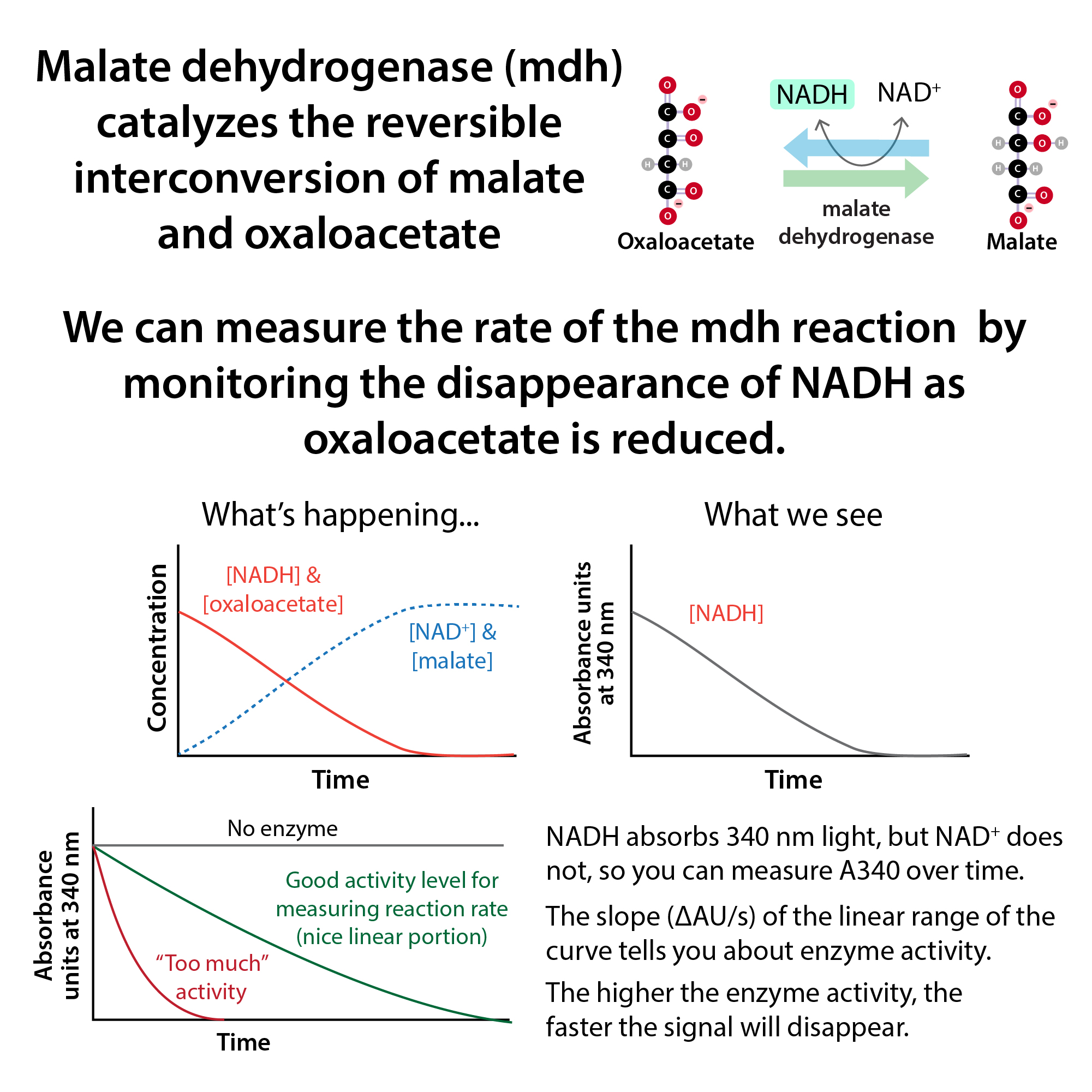
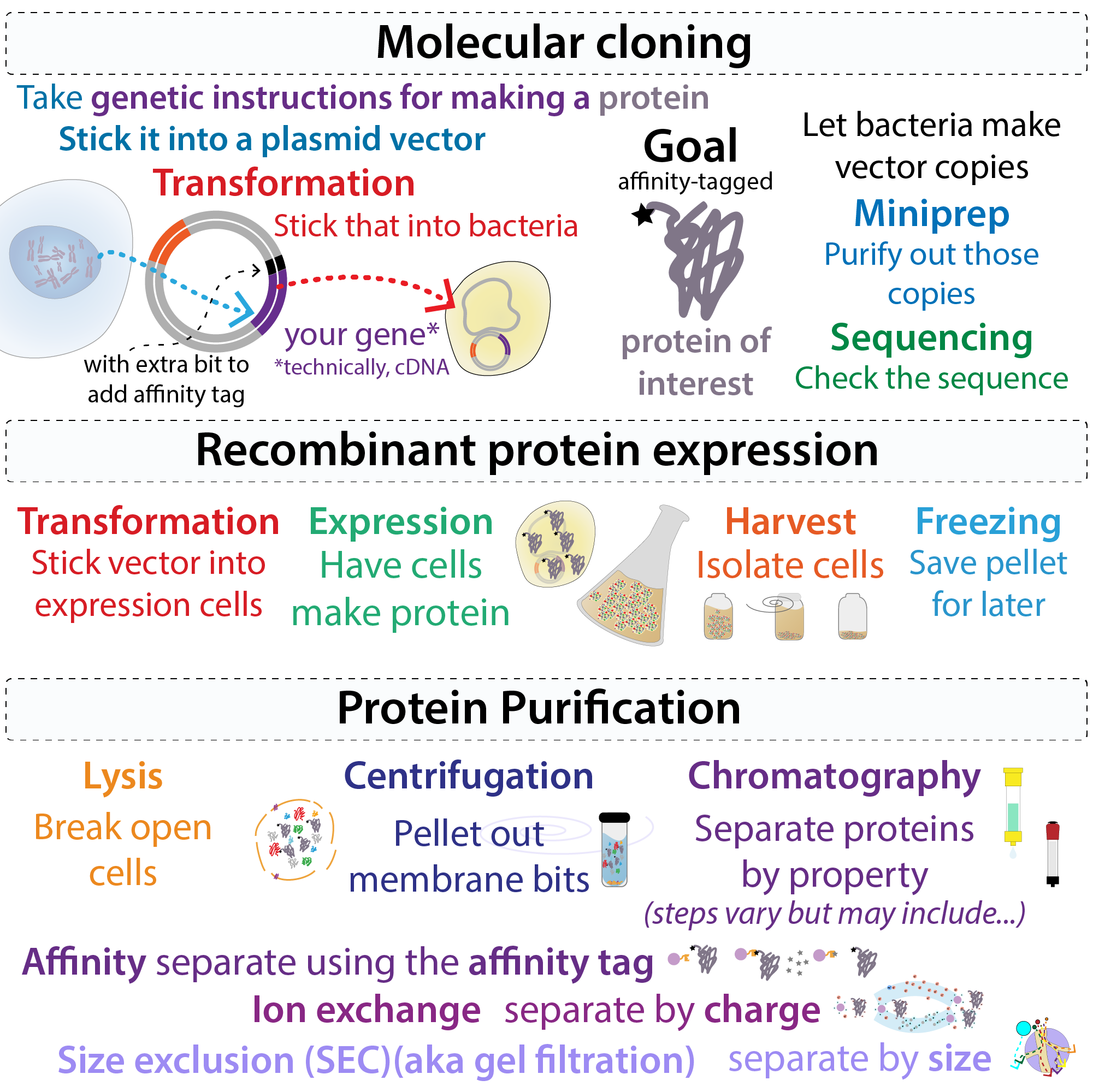
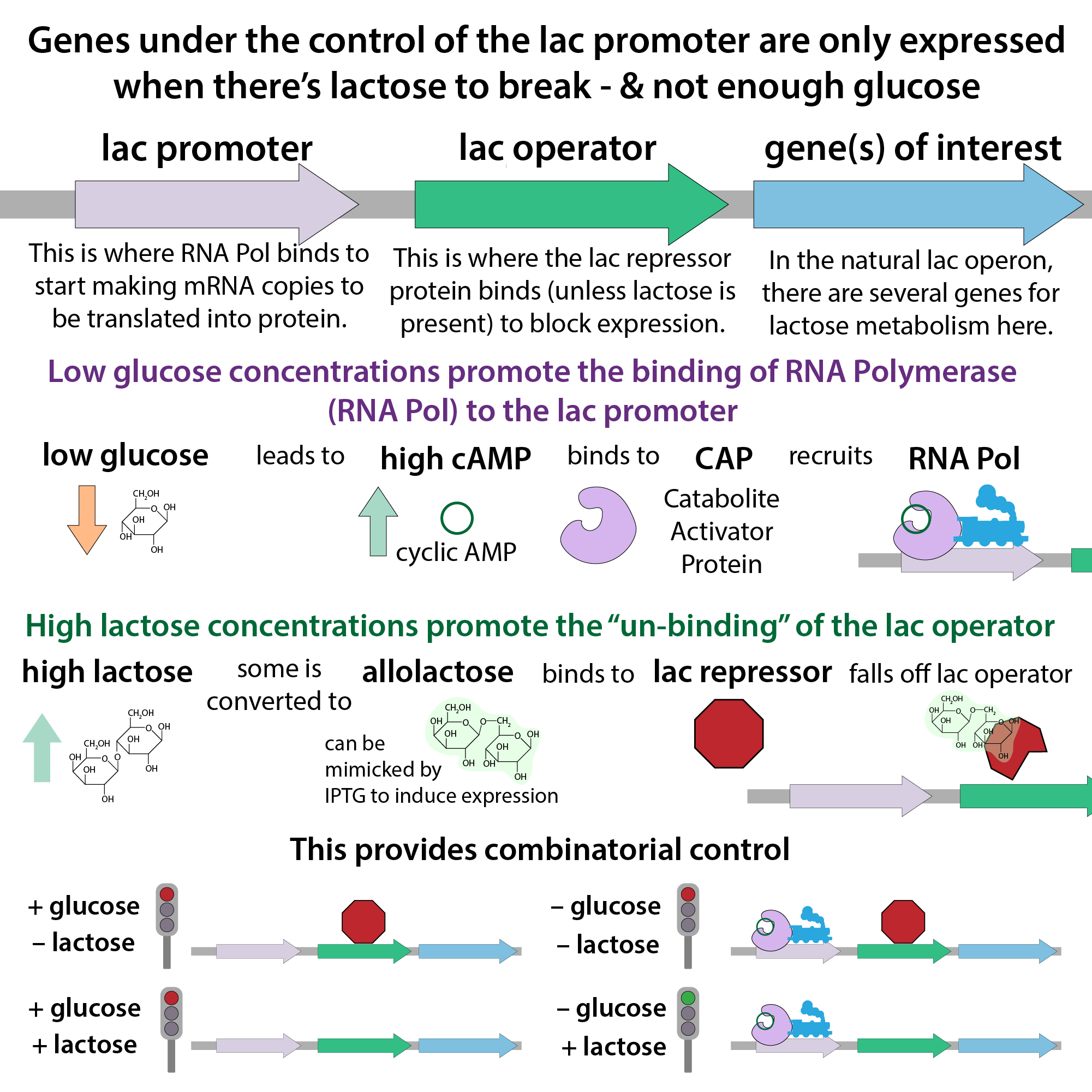
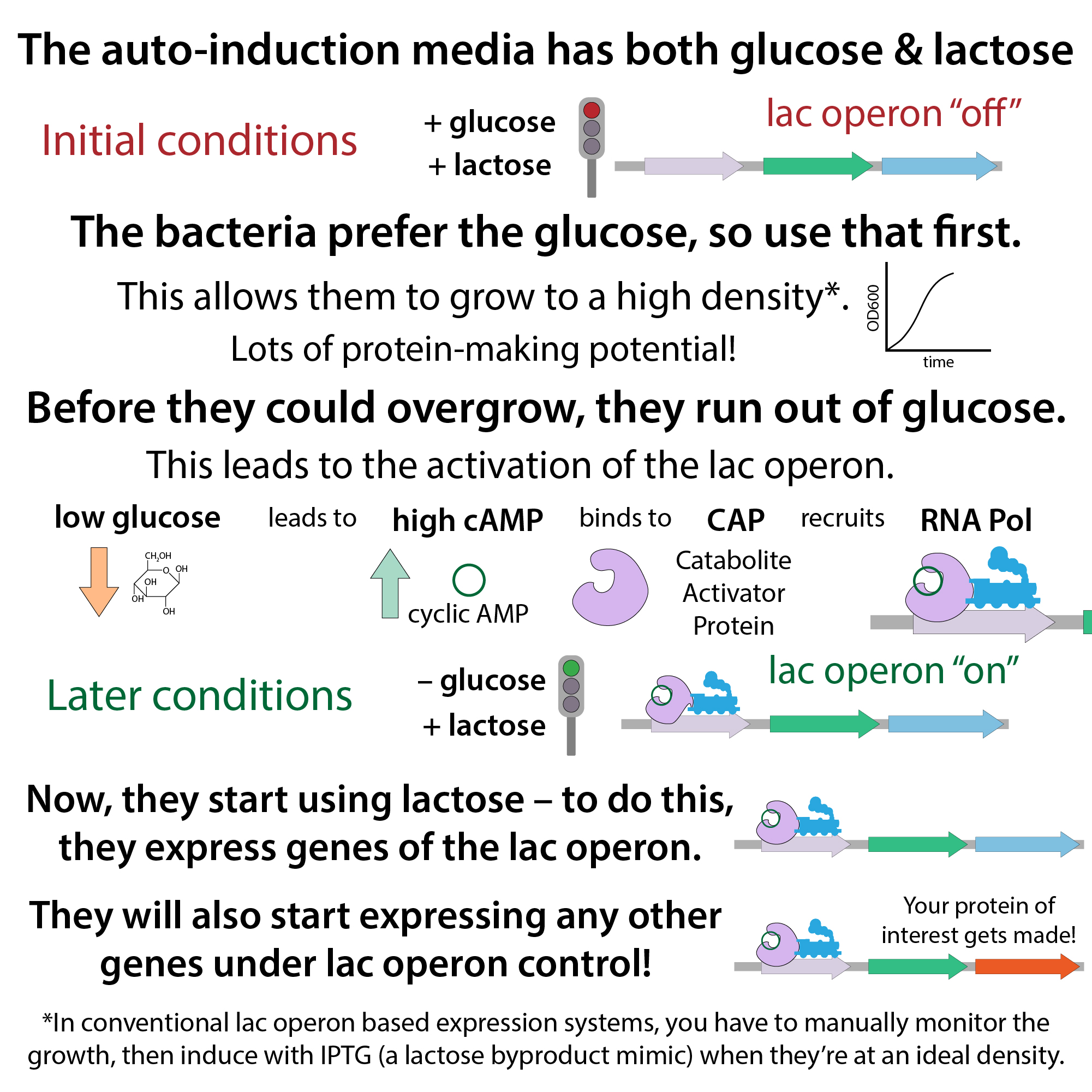
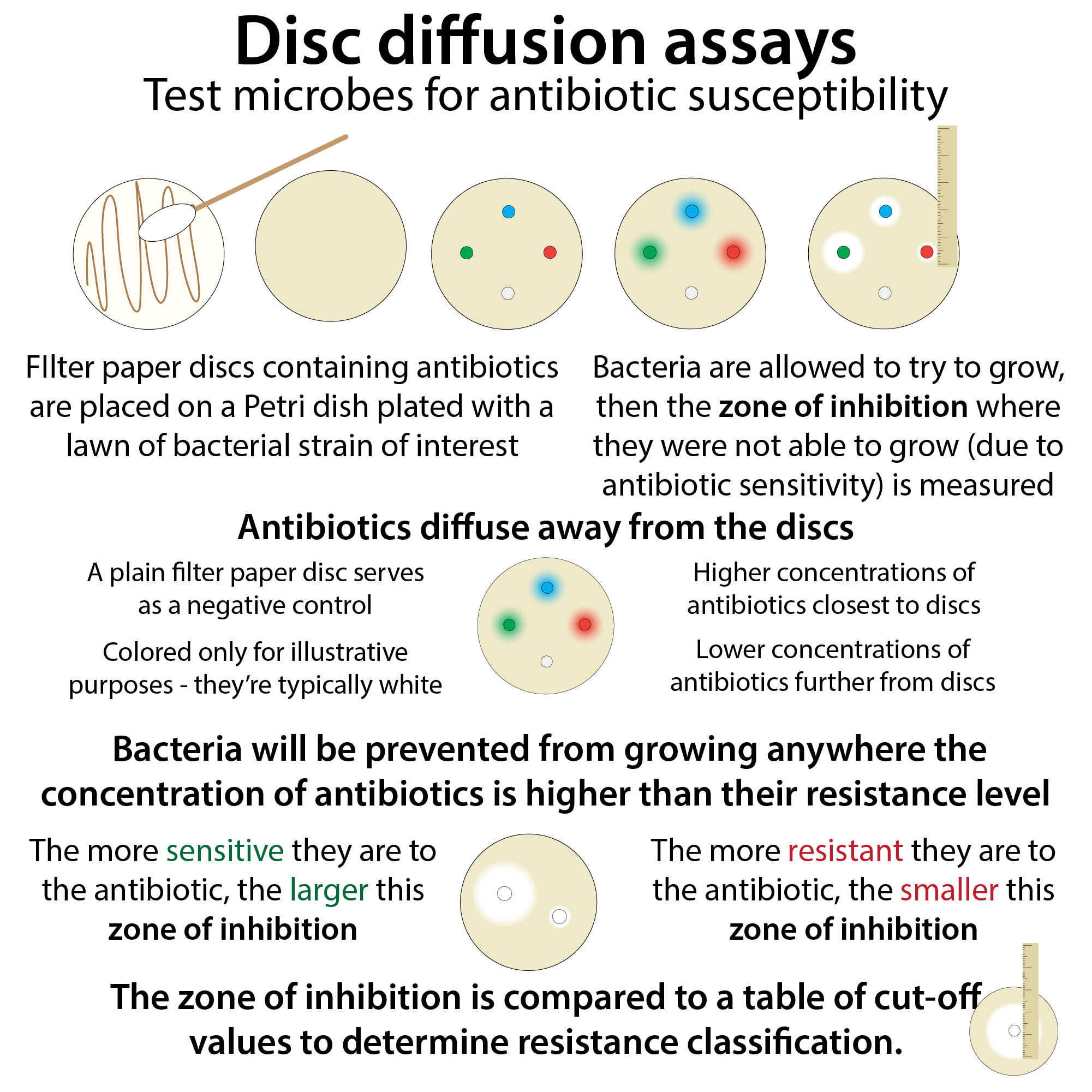
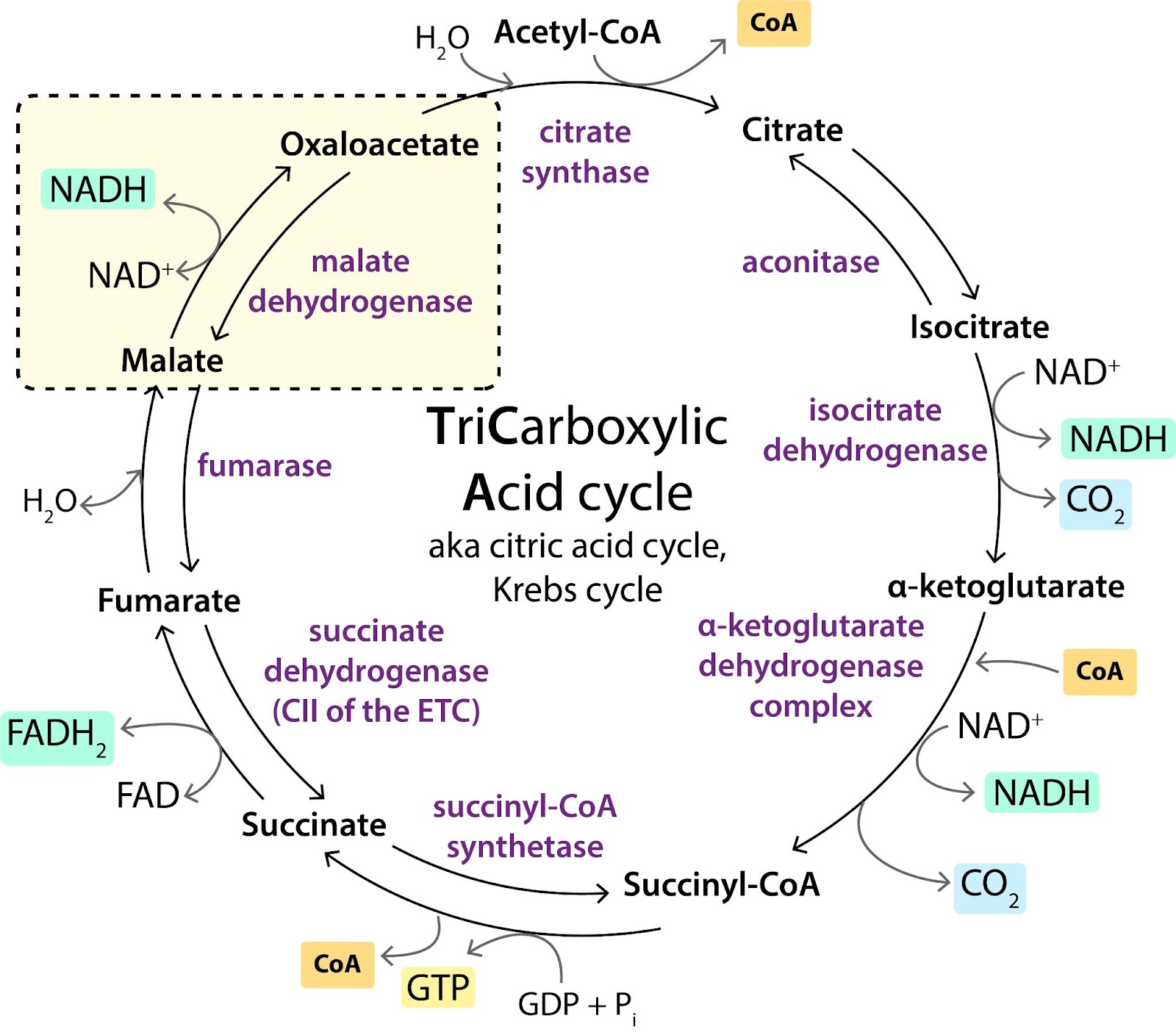
We are interested in how Bacillus safensis is able to metabolically adapt to extreme circumstances, such as during Cr(VI) bioremediation. Malate dehydrogenase (MDH) is at the core of metabolism, and thus a great place to look. Through recombinant protein expression, we get E. coli cells to make a lot of the Bacillus safensis MDH, purify it, and test its enzymatic activity. Having the pure protein lets us manipulate conditions to test its limits, how it’s affected by its environment such as pH, temperature, even the presence of metals. We can even make changes to the protein’s sequence to tease apart how it works. In vitro is great for that sorts of things, but not very realistic. Therefore, back at the organismal level, we’re comparing the metabolism of different strains and bacterial species in the presence of metals, and doing some genetic engineering, we aim to help tease apart both conserved and unique metabolic adaptations.
Simultaneously, we are working to put this knowledge to practical use. We are optimizing the bioremediation potential of Bacillus safensis with hopes of using it to clean up heavy metal-contaminated environments and promote the growth of plants in once-barren landscapes.
I’m so grateful to be working with phenomenal students – Rory, Nicholas, and Haley!
Stay up to date with “quick notes” in our YouTube playlist: https://www.youtube.com/playlist?list=PLUWsCDtjESrF-KFUDoxwfjB7S2mPmHVx7